
Sunlight-Dimming Climate Schemes Need Worldwide Oversight

As the climate crisis intensifies, experiments to “cool the planet” by reflecting solar radiation proliferate. Without proper global and national regulation, they will worsen the crisis.

Deliberately reflecting sunlight into space to cool the planet—solar radiation modification (SRM)—is now under serious exploration/investigation as a solution to the climate crisis. In theory, firing sulfur droplets into the stratosphere, spraying salty water into clouds, or scattering glass over polar ice could slow global warming. But as these experiments involve risks at a planetary scale, we should proceed with abundant caution, communication and transparency, regulated by globally agreed standards. Instead, we see ethical and legal boundaries being crossed by unregulated experiments.

Over the past decade, influential institutions—Harvard University, the University of Washington and a four-university partnership in the U.K. that includes the University of Oxford—have come close to conducting outdoor SRM experiments. But these initiatives ended up pausing their work following reconsideration of the scientific and political risks and pushback from local activists. Yet some groups involved in solar deflection experiments have recklessly opted to move their projects away from academic oversight.

Since 2017, a private initiative, initially called Ice911 Research and later the Arctic Ice Project, has scattered tiny glass spheres to reflect sunlight over 17,500 square meters (or three football fields) of Arctic ice], drawing protests from Alaskan Native leaders. Full deployment would involve spheres over up to 100,000 square kilometers of the Arctic, an area the size of Kentucky. More recent experiments only exceed this disregard. In 2022, an independent researcher in the U.K. released sulfur dioxide from a high-altitude weather balloon into the stratosphere and named it SATAN (Stratospheric Aerosol Transport and Nucleation). Around the same time, Make Sunsets, a Silicon Valley-backed start-up, began launching similar balloons. This company now plans to sell “cooling credits” for such launches.

The start-up’s response to the question “Is this legal?” is: “Yes, we’ve been in contact with multiple U.S. government agencies (FBI, FAA and NOAA). They are aware of our business and activities.” This non-answer uncovers the heart of the solar radiation modification problem. Here’s why: experiments that pose planetary risks violate international laws such as the 1985 Vienna Convention protecting upper atmosphere ozone, if those risks are not clearly assessed, communicated, and consulted on beforehand, which these startups and individuals have not done. This is true even in the absence of specific national regulation, which some wrongly believe gives them free rein.

Two significant scientific assessments published in 2023 underlined the hazards of such sunlight deflection ventures. The first, the One Atmosphere report of the U.N. Environment Programme (UNEP) found that “even as a temporary response option, large-scale SRM deployment is fraught with scientific uncertainties.” To address the evident “critical unresolved issues around equity, ethics and consent,” around SRM, it recommended a “robust, equitable and rigorous trans-disciplinary scientific review process” based on a precautionary approach.

The second, the World Meteorological Organization’s 2022 Scientific Assessment of Ozone Depletion, found that while injecting sulfur into the stratosphere “could reduce some of the impacts of global warming, it cannot restore past climatic conditions and would very likely cause unintended consequences, including changes in stratospheric ozone concentrations.” It also found that the certainty of damage to the ozone layer increases with more prolonged and more intense use of these methods. This finding sits uncomfortably with a finding from UNEP’s report: that SRM would need to be maintained for several decades to centuries to limit warming effectively and that abruptly stopping the intervention would lead to “rapid climate change that would increase risks for humans and ecosystems.” Therefore SRM poses a binary choice: short-term use could exacerbate global warming, whereas long-term deployment risks significantly damaging the ozone layer.

These findings have legal implications. Solar radiation modification cannot be contained to the air above the country from where it is deployed. The duty to avoid cross-border harm is enshrined in multiple international environmental agreements. These agreements support the precautionary regulation of activities threatening large-scale modification of planetary systems such as oceans, the ozone layer, climate and biodiversity, even if their precise effect is not fully understood.

Consider the London Convention on the Prevention of Marine Pollution. In 2008 its parties agreed to prohibit a type of geoengineering known as ocean fertilization, except for research that undertakes a risk assessment, develops a risk management plan, and commits to sharing and publicizing findings through peer review. In 2010, because of its inherent high risks and potential impacts on biodiversity and people, parties to the Convention on Biological Diversity (CBD) agreed to prohibit geoengineering in general, with a narrow exception for research.

Because the U.S. is not a party to the CBD, and the London Convention only regulates ocean fertilization, there is a perception that spraying sulfur into the stratosphere from U.S. territory is not covered by international law. This is wrong. The U.S. and all other countries are a party to the Vienna Convention on Protection of the Ozone Layer and the Montreal Protocol. A key feature of the convention is that it obligates countries to cooperate on research on “substances, practices, processes and activities that may affect the ozone layer, and their cumulative effects”. Therefore, unregulated unilateral experiments that affect the ozone layer, such as SRM, violate this obligation.

Unfortunately, as the Vienna Convention currently lacks a structured research assessment process similar to the London Convention, its provisions have been ignored. Therefore, rebooting the Vienna Convention to govern SRM research is essential. Such regulatory processes are also critical at the national level because government support for SRM research is growing. While the scale of experiments is currently small, they will likely grow more ambitious. Without a robust regulatory process, the fuzzy line between researching and carrying out geoengineering will be crossed without warning. The potential impacts—such as degradation of the ozone layer and sudden shifts in global climate—will affect populations around the world, most of whom have had no say in whether such experiments should proceed.

This is especially important because many countries already use technologies to modify local weather. China plans to bring about 5.5 million square kilometers of its territory under a weather modification program by 2025. A team in Australia is injecting saltwater into clouds over the Great Barrier Reef to prevent its disappearance. The leap from weather modification to SRM is close. Therefore, the world must start putting in place a multilateral framework to govern geoengineering like SRM. The starting point of this is to regulate outdoor experimentation.

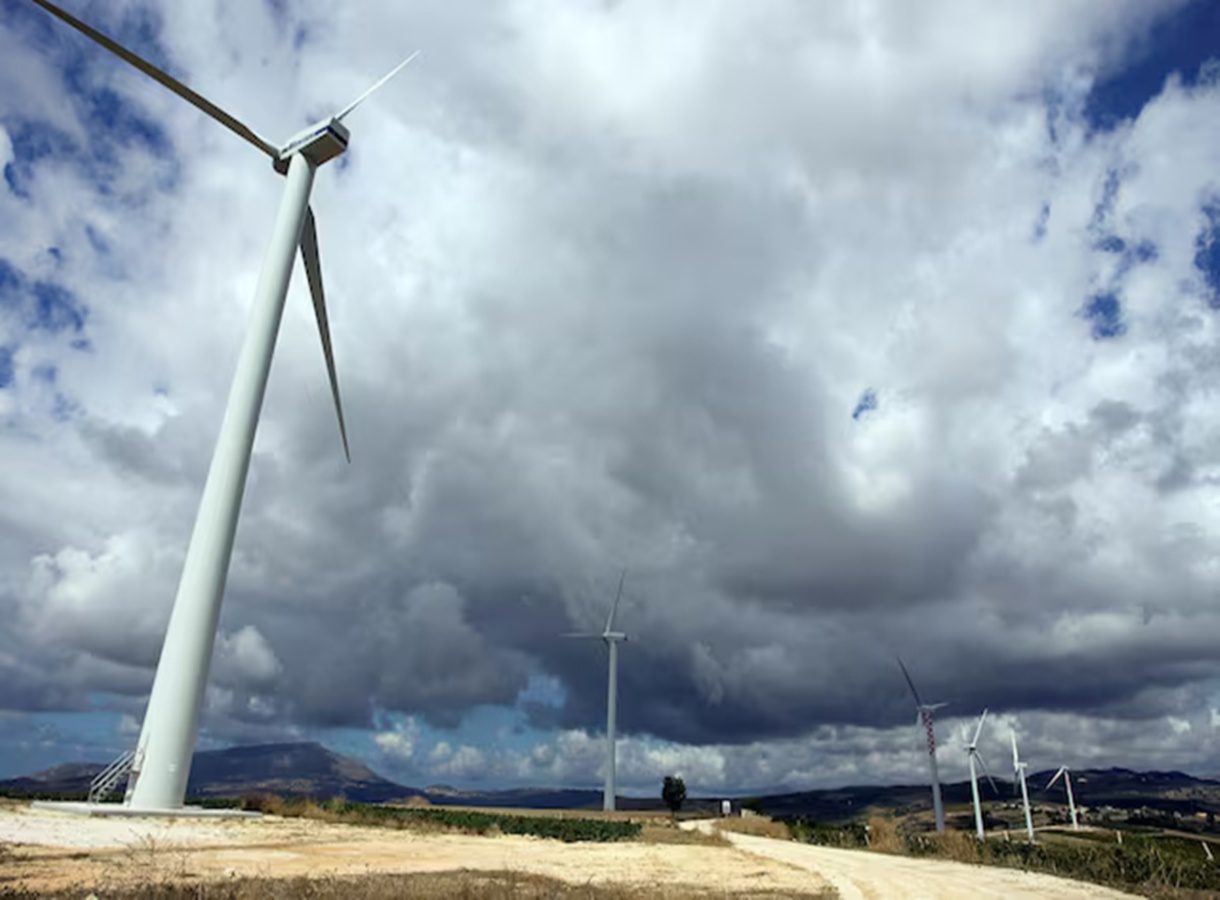
Recent years have seen record deployments in solar and wind power—demonstrated, cost-effective solutions that, unlike SRM, are accessible to developing countries. We desperately need massive investments in carbon-free energy to decarbonize the global economy. This is the moral hazard in solutions like SRM: they draw attention and resources away from what should be a singular focus in a critical decade: decarbonization.

Switching to green power justly

As can be seen from the case of Maharashtra, planning is essential for a just transition

One only has to read the newspaper headlines to realise that climate change is no longer a distant threat. For instance, a headline from January this year announced, “Mumbai experiences its hottest January day with temperatures soaring above 35 degrees Celsius.” Another alarming headline highlighted, “Delayed snowfall, forest fires, migration, and dwindling tourism signal a distress call from India’s mountains.” These examples vividly illustrate the local repercussions of global warming. They underscore that the real journey toward a sustainable future will unfold at the district and state levels. But what strategy can states and districts adopt to become the focal point of climate action? My colleagues and I explored this inquiry last year, selecting Maharashtra as a case study.

Maharashtra, both highly vulnerable to the changing climate and a major greenhouse (GHG) gas emitter, presents a microcosm of challenges posed by the climate crisis at the sub-national level. On the one hand, the climatic impacts will affect the state’s growth and development; on the other hand, transitioning away from fossil fuel, essential to reduce emissions, threatens to close thousands of factories and leave behind millions of workers. The critical question we explored was how Maharashtra can adapt to these climatic shifts and transition towards sustainable energy sources without compromising its economic vitality and social welfare. Our research suggests that the solution lies in a “just transition” — a strategic approach that weaves together climate action, green growth, and social justice. Let me elaborate.

Understanding climate vulnerability

In most studies on climate vulnerability, Maharashtra emerges as one of the most vulnerable states in the country. This is because climate change-driven extreme weather events are impacting every part of the state. While regions of Marathwada and Vidarbha confront drought, the Konkan region experiences flood. The state has also been experiencing increasing heatwaves in the past two decades. A deadly example of this was the heatwave in Kharghar last year in which 14 persons died, and scores were hospitalised. Mumbai, the country’s financial capital, is now hammered by floods and heat. All this is translating into a massive loss to the economy.

Take the agriculture sector, which is badly affected by drought, floods, hailstorms, and cyclones. About three-fourths of Maharashtra’s cropped areas are vulnerable to these extreme events, which is now causing real losses. In 2021-22, for example, the state government sanctioned about ₹ 4300 crore to farmers as compensation for the crop losses. This increased to ₹ 7200 crore in 2022-23 – a two-third increase from the previous year.

But these costs are just a fraction of the total losses, as the state is also paying for infrastructure damage and repairs; the losses to businesses and individuals are likely manifold due to work disruptions and loss of property.

Navigating fossil fuel dependence

But Maharashtra is also one of the major emitters of GHGs, accounting for 10% of the country’s emissions. The emissions have grown at 4.1% per year since 2011-12,  a rate higher than the national average. Besides, its per capita emissions are 2.5 tonnes, 15% higher than the national average.

These high emissions are because the state’s economic engines run on fossil fuels. It has the largest fleet of coal-based power plants and is the second-largest consumer of petroleum products. The state is the largest manufacturer of automobiles and the fifth-largest coal producer. Besides, it has the third-largest number of factories in the country, about 40% of which are heavily dependent on coal, oil, and gas.

The transition to green energy will affect all these sectors, but most importantly, it will impact over 1.0 million formal workers and a vast number of low-paid informal workers.

Just Transition Landscape

The top three sectors facing challenges within the next 10 years are coal mining, coal-based power, and automobile. Over 60% of the currently operational coal mines in Maharashtra will likely close in the next 10 years due to economic unviability and resource exhaustion. Similarly, one-fourth of the thermal power fleet too is likely to be decommissioned due to economic and environmental factors. On the other hand, the automobile sector, which accounts for 7% of the gross state domestic product (GSDP), will be impacted by the electric vehicle transition, especially 2 and 3-wheelers. These three sectors require transition plans soon to minimise disruptions to jobs and livelihoods.

Geographically, the green energy transition will affect 14 districts with a large concentration of fossil fuel-dependent industries. Many of these districts are also highly vulnerable to climatic impacts. For example, Nagpur, Chandrapur, and Yavatmal have large concentrations of coal mines, coal-based power plants, and factories. These districts are also draught-prone and highly vulnerable to extreme events. The other hotspot is the Pune district, with a large concentration of the auto industry.

Just Transition Plan

To deal with the climate emergency and the transition to green energy, the state needs a multi-pronged approach to enable a just transition. 

  • Firstly, the state needs a comprehensive just transition policy focusing on economic diversification, green energy and industry development in the hotspot districts, land and infrastructure repurposing, workforce development, and social infrastructure investments.
  • It must also develop tailored regional plans for hotspot districts to prioritise interventions and attract investments. The priority regions for such a plan are the Chandrapur-Nagpur-Yavatmal and Pune clusters.
  • Repurposing land and factories will be essential to avoid economic disruptions. In Maharashtra, over 20,000 ha of land is available with closed and unprofitable mines, which can be repurposed for the development of green energy and green industries. Similarly, new industries can be set up in place of old power plants. This will also avoid the pains of land acquisition and displacement.
  • Preparing the workforce for the green economy through skilling and reskilling will be essential to create millions of green jobs and push for the next stage of growth.
  • Lastly, significant investments would be required from public and private sources to develop green energy, industry and infrastructure. Some existing funds, like the District Mineral Foundation (DMF) funds with coal districts, can be used to kick-start transition measures.

The road ahead is challenging for the states, but the rewards are immense. By prioritising a just transition, Maharashtra can navigate the disruptions due to economic and climatic change, create new green jobs, and achieve its ambitious goal of a trillion-dollar GSDP by 2030.

A balanced consensus: Despite scepticism, UAE has delivered a balanced package on climate action at COP28

These countries have historically drawn a red line, refusing to recognize the necessity of phasing down oil and gas to address the climate crisis.

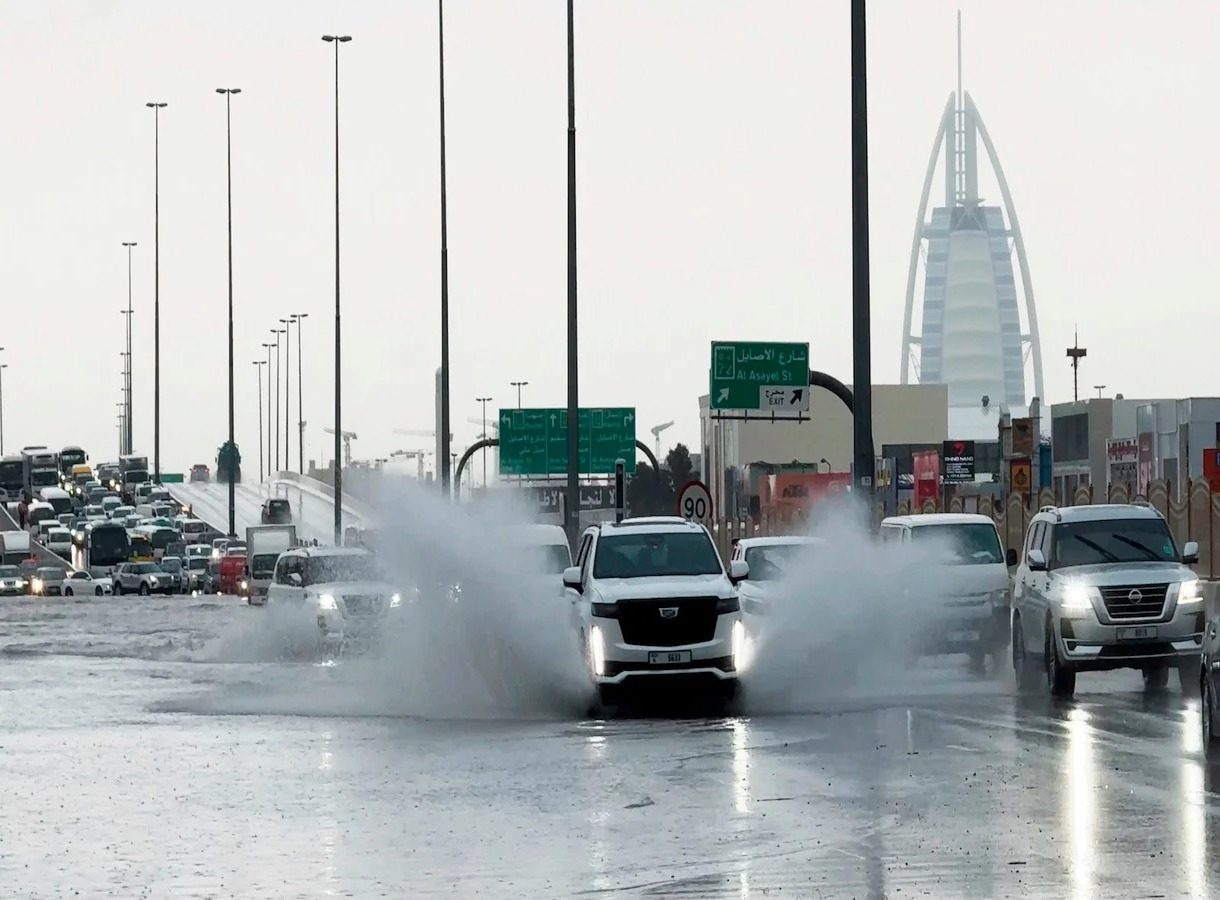
It was perhaps preordained that an agreement on reducing fossil fuel production and consumption should have happened at the COP28 climate negotiations in Dubai, presided over by the CEO of one of the world’s largest oil companies. 

For three decades, the international community has avoided the direct mention of fossil fuels in climate agreements. The burning of coal, oil, and gas—the primary drivers of global warming—remained a spectre haunting negotiations, unacknowledged due to the staunch resistance from major oil and gas producers. These countries have historically drawn a red line, refusing to recognize the necessity of phasing down oil and gas to address the climate crisis.

However, COP28 shattered this status quo. The decision to transition away from fossil fuels, made in a petrostate and against the preferences of OPEC (Organization of the Petroleum Exporting Countries), marks a significant leap towards acknowledging and addressing the root cause of climate change.

The agreement, aiming for a “just, orderly, and equitable transition away from fossil fuels,” is a nuanced wording to start reducing the production and consumption of fossil fuels. While it might not explicitly call for a phase-down or a phase-out, it sends an unmistakable message to the fossil fuel industry: the era of unchecked fossil fuel consumption is drawing to a close.

Yet, COP28 will be remembered for more than just this ground-breaking agreement. It also will be remembered for operationalising the Loss and Damage Fund on the very first day of the conference to support vulnerable developing countries in dealing with climate disasters. While the initial pledges to the fund remains about $800 million (with the host the United Arab Emirates contributing $100 million and the United States just $17.5 million), which is far less than what is needed, the operationalisation of the fund marks an important milestone in the climate justice movement. Dubai COP also enhanced the mitigation ambition by adopting the decision taken by the G20 under India’s presidency to triple the renewable energy capacity and double the energy efficiency improvements globally by 2030.

Missed opportunity

But not all went well. The shortcomings of the Global Stocktaking (GST) process were glaringly evident. This critical component, designed to evaluate global progress in addressing climate change, acknowledged the stark reality: current efforts are insufficient, steering us towards a worrying 2.7°C rise in global temperatures. However, the GST’s failure to assign clear responsibility and provide actionable guidance for both developed and developing countries to enhance ambition for the 2025 emission reduction pledges was a significant missed opportunity. Especially concerning was its failure in highlighting the unfulfilled commitments of developed nations and its apparent leniency towards China, the world’s largest emitter. This oversight not only undermines the process’s credibility but also stalls the momentum needed for meaningful global climate action.

The fact is that the developed countries have consistently not met any of their commitments on emissions reduction or financial support. They continue to invest in new fossil fuel infrastructure and emit more than their fair share. For instance, the US presently is the largest producer of oil and gas, producing nearly a quarter of global natural gas and 15% of world’s crude oil. The problem is there is no sign that it is phasing down fossil fuels as the Biden administration has recently approved new offshore oil and gas lease. The developed countries have also not met their collective finance obligations of proving $100 billion to the developing countries. Likewise, China’s GHG emissions, which is a quarter of the global emissions, needs to peak and reduce quickly to have any chance of meeting 1.5 OC target. Yet, GST failed to point out this crucial issue. The lessons from the first GST are that global climate action needs more than just pledges; it demands accountability, transparency, and equitable responsibility-sharing.

Business takes centre stage

COP28 marked a significant shift in the narrative of global climate conferences, not just in its scale but also in the composition of its attendees. This year’s conference, hosted in the vast expanses of Dubai’s Expo-City, shattered previous records with its 70,000 attendees and an extravagant half-a-billion-dollar budget. Such figures not only dwarfed the attendance of COP21, where the Paris Agreement was born, but also set a new precedent for the financial scale of climate conferences

What stood out most prominently was the robust presence of the business sector. Industry leaders, CEOs of major oil companies, and financiers were present in significant numbers, each bringing their perspectives to the climate table. This marked departure from the usual attendee list drew mixed reactions. Some critics likened the event to a trade show, voicing concerns over the influence of business interests and lobbyists in climate negotiations. However, this criticism overlooks a crucial aspect of climate action: the indispensable role of businesses.

The significant turnout of the business community reflects a growing recognition within the business world of the dual realities of threat and opportunity presented by the climate crisis. This shift in perception is crucial to realign capital—a move away from climate-damaging activities towards sustainable practices. The presence of businesses at COP28 suggests that this realignment may be starting to take shape.

For years, experts in sustainable development have advocated for a synergy between environmental concerns and business interests. COP28 can be seen as a tangible step towards this goal. It highlighted that the path to a sustainable future is not just the responsibility of governments and environmental activists but also of the corporate world.

Overall, the ‘UAE Consensus’ is a bold step forward. The decisions in it, and the scale at which they were showcased, reflect a growing recognition of the urgency of climate action and the need for substantive policy shifts—even in regions highly reliant on fossil fuels. Central to this shift is the emerging narrative of a just, orderly, and equitable transition away from fossil fuels—a theme that will increasingly dominate global discourse as countries internalise the imperative of shutting down fossil fuel establishments and diversifying their economies.

COP28: A reality check

The 28th conference is a milestone event where the international community must confront the harsh truths about our collective (and differentiated) efforts to combat climate emergency.

There is always a hype built around the annual United Nations Climate Change Conference. Every Conference of the Parties (COP) to the United Nations Framework Convention on Climate Change (UNFCCC) is projected as a do-or-die meeting. Success is typically measured by the grandeur of new pledges, with the host country basking in the glow of any significant commitments. However, the 28th COP, which begins on 30 November in Dubai, is unique because it is not so much about new promises (though there will undoubtedly be some) but what happened to the old ones. The question to be answered in Dubai this December is: Have the countries kept their promise, and if not, what’s next. Dubai COP, therefore, is the first ‘official’ reality check of the climate crisis. It is also a reality check for the oil and gas industry and for the commitment of the rich world to support poor countries in dealing with climate disasters.

Climate balance sheet

The Paris Climate Accord, adopted in 2015 and signed by 195 countries, is a unique treaty. While it has set an international goal to keep temperature increases within 1.5-2.0°C, it cannot force countries to cut emissions. Countries pledge voluntary commitments to reduce emissions, called Nationally Determined Contributions (NDCs), but these are not legally binding and there is no penalty for non-compliance. What the Paris Agreement has is a process to review pledges every five years, called ‘global stocktake’, to check where the world stands on climate action. The assumption is that disclosing information will put moral pressure on countries to enhance their commitments. The Dubai COP, therefore, is crucial because the results from the first-ever global stocktake will be discussed here. It will also be a test of the “moral pressure” hypotheses.

This year the Intergovernmental Panel on Climate Change (IPCC) released its Sixth Assessment Report. It confirms that between 2011 and 2020 global surface temperatures were on average 1.09°C higher than they were from 1850 to 1900, with 1.07°C of this change being caused by human activity

The findings of the UNEP’s Emissions Gap Report 2023: A Broken Record is even graver. It notes an average temperature 1.8°C warmer than pre-industrial levels in September 2023. It further asserts that proceeding along the current path as determined by NDCs would have us on track for 3°C of climate change by the century’s end.

The preliminary findings of the global stocktake, published in the Synthesis Report of the Technical Dialogue of the Global Stocktake, clearly states the following:

“Global emissions are not in line with modelled global mitigation pathways consistent with the temperature goal of the Paris Agreement, and there is a rapidly narrowing window to raise ambition and implement existing commitments in order to limit warming to 1.5°C above pre-industrial levels.”

While all assessments clearly show that the world is far off from the 1.5°C emissions trajectory, the big question is what kind of message from the global stocktake will be delivered in Dubai? Would it be greenwashing, or would it call out countries for vapid and unmet commitments? This is important because the outcome of the global stocktake will inform the next round of NDCs that countries need to declare by 2025. These commitments will be implemented through 2035 and thus would decide climate action for the next 10 years. So, the right messaging from COP28 is crucial to unequivocally indicate what countries, developed and developing, are required to do to put the world on track to meet the Paris Agreement goals in the next decade, a decade which will decide whether we will win or lose the climate battle.

Moment of truth for oil and gas

There is the elephant in the room and it is oil and gas (O&G). Often touted as a cleaner fuel than coal, oil and natural gas in 2022 accounted for 54 per cent of global greenhouse gas emissions; coal accounted for 40 per cent. O&G is the developed world’s fuel of choice. In the European Union (EU), for instance, they contribute about 60 per cent of the total energy; coal’s contribution is 10 per cent. The reliance on O&G is even greater at 70 per cent in the US. In contrast, the dependence on coal is higher in emerging economies like India, China, South Africa and Indonesia.

Two years ago, at COP26 in Glasgow, an agreement was reached to phase down coal use. This concession was wrung from countries like India that depend heavily on coal to meet their energy demands. Despite repeated attempts, and support from the EU, no such commitments have been made for O&G, although it is abundantly clear that prolonged reliance upon such fuels is entirely incompatible with the 1.5°C goal. Dubai, however, is the perfect venue to make such a commitment.

The UAE is the world’s eighth largest petroleum producer and very much a petrostate. A recent Guardian exposé found that the Abu Dhabi National Oil Company (ADNOC) has the most investment in new petroleum production projects. The CEO of ADNOC is Sultan Al Jabar, the man that the UAE has selected to preside over COP28. So, the stage is set for what the executive director of the International Energy Agency has called a “moment of truth for the [global] oil and gas industry’s efforts on climate”. Would the developed world and the petrostates agree to the O&G phase-down, or would this be another lost opportunity?

A compassionate world

Perhaps the most critical issue for developing countries at COP28 is action on the Loss and Damage Fund, whose creation was agreed to last year at COP27 in Egypt. Recent years have seen a rapid acceleration of climate-related disasters. In 2022, there were 81 weather, climate and water-related disasters in Asia, of which over 83 per cent were flood and storm events. More than 5,000 people lost their lives, more than 50 million people were directly affected and there were more than US$ 36 billion in economic damages.[iv] So far in 2023, the world has witnessed extreme floods in China, forest fire in Canada, flash flood in Somalia, heatwaves in East Asia and extreme rainfall in India. These impacts are being borne disproportionately by smaller, poorer, and inevitably less developed countries, which are least responsible for the climate crisis. The Loss and Damage Fund was envisioned to channel funds from rich economies into those most vulnerable to climate disasters.

While the agreement to create the Loss and Damage Fund last year was undoubtedly momentous, we will see whether this vehicle will be given any teeth in Dubai. If it is left toothless and penniless, the Global South should accept that the North has no intention of taking any responsibility for its historic emissions and has no serious plans to help those in need.

The commitments made in Dubai on the Loss and Damage Fund and action on Oil&Gas will determine whether the goals of the UNFCCC can be met. Will developing countries be made to bear alone the costs of adapting to a rapidly warming planet while the rich burn gasoline and natural gas and utter empty platitudes? Or will the developed world finally take responsibility for its historical emissions?

In essence, COP28 isn’t just another gathering; it’s a milestone event where the international community must confront the harsh truths about our collective (and differentiated) efforts to combat climate emergency.

So, what can Dubai do?

COP28 will really test rich nations’ commitment to climate finance. Big Oil & Big Gas will be under severe scrutiny.

There is always a hype build around the annual United Nations Climate Change Conference. Every Conference of the Parties (COP) is projected as a do-or-die meeting. Success is typically measured by the grandeur of new pledges, with the n=host country basking in the glow of any significant commitments. However, the 28th COP, which begins on November 30 in Dubai, is unique because it is not so much about new promises (though there will undoubtedly be some) but what happened to the old ones. The question to be answered in Dubai this December is; have the countries kept their promise, and if not, what’s next? Dubai COP, therefore, is the first “official” reality check of the climate crisis. It is also a reality check for the oil and gas industry and for the commitment of the rich world to support poor countries in dealing with climate disasters.

The Paris Climate Accord, adopted in 2015 and signed by 195 countries is a unique treaty. While it has set an international goal to keep temperature increases within 1.5-2°C, it cannot force countries to cut emissions. Countries pledge voluntary commitments to reduce emissions, called Nationally Determined Contributions (NDCs), but these are not legally binding, and there is no penalty for non-compliance. What the Paris Agreement has is a process to review pledges every five years, called Global Stocktake (GST), to check where the world stands on climate action. The assumption is that disclosing information will put moral pressure on countries to enhance their commitments. The Dubai COP, therefore, is crucial because the results from the first-ever GST will be discussed here.

While all assessments clearly show that the current emissions trajectory will lead to a 3°C warning by the end of the century, the big question is what kind of message from GST will be delivered in Dubai. Would it be greenwashing, or would it call out countries for vapid and unmet commitments? This is important because the outcome of GST will inform the next round of NDCs that countries need to declare by 2025. These commitments will be implemented through 2025 and thus would decide climate action for the next 10 years. So, the right messaging from COP28 is crucial to unequivocally indicate what countries, developed and developing, are required to do to put the world on track to meet the Paris Agreements goals in the next decade, a decade which will decide whether we will win or lose the climate battle.

Then there’s the elephant in the room. Often touted as a cleaner fuel than coal, oil and natural gas (O&G) in 2022 accounted for 54% of global greenhouse gas emissions; coal accounted for 40%. O&G is the developed world’s fuel of choice. In the EU, for instance, they contribute about 60% of the total energy; coal’s contribution is 10%. The reliance on O&G is even greater at 70% in the US. In contrast, the dependence on coal is higher in emerging economies like India, China, South Africa and Indonesia.

Two years ago, at COP26 in Glasgow, an agreement was reached to phase down coal use. This concession was wrung from countries like India that depend heavily on coal to meet their energy demand. Despite repeated attempts, no such commitments have been made for O&G, although it is abundantly clear that prolonged reliance upon such fuels is entirely incompatible with the 1.5°C goal. Dubai, however, is the perfect venue to make such a commitment.

The UAE is the world’s eighth largest petroleum producer and very mush a petrostates. A recent Guardian expose found that the Abu Dhabi National Oil Company (ADNOC) has the most investment in new petroleum production projects. The CEO of ADNOC is Sultan Al Jabar, the man that the UAE has selected to preside over COP28. So, the stage is set for what the executive director of the International Energy Agency has called a “moment of truth for the (global) oil and gas industry’s efforts on climate”. Would the developed world and the petrostates agree to the O&G phase-down, or would this be another lost opportunity?

Perhaps the most critical issue for developing countries at COP28 is action on the Loss and Demage Fund (LDF), whose creation was agreed to last year at COP27 in Egypt. Recent years have seen a rapid acceleration of climate-related disasters. These impacts are being borne disproportionately by smaller, poorer, and inevitably less developed countries, which are least responsible for the climate crisis. LDF was envisioned to channel funds from rich economies into those most vulnerable to climate disasters.

While the agreement to create the LDF last year was undoubtedly momentous, we will see whether this vehicles will be given any teeth in Dubai. If it is left toothless and penniless, the Global South should accept that the North has no intention of taking any responsibility for its historic emissions and has no serious plans to help those in need.

The commitments made in Dubai on LDF and action on O&G will determine whether the goals of UNFCCC can be met. Will developing countries be made to bear alone the costs of adaption to a rapidly warming planet while the rich burn petrol and utter empty platitudes? Or will the developed world finally take responsibility for its historical emissions?

In essence, COP28 isn’t just another gathering; it’s a milestone event where the international community must confront the harsh truths about our collective (and differentiated) efforts to combat climate emergency

What pollutes India?: Biomass burning remains the biggest contributor, but its share is falling because of PMUY

About 48% of these emissions come from the use of biomass, such as fuelwood and dung cakes, for cooking and heating.

Air pollution is a pan-India problem. In 2022, the average PM2.5 levels across the country were 10.7 times higher than the WHO standard. This means that almost the entire country breathes air considered unsafe by the WHO. The cost of this pollution is around 1.2 million premature deaths and 3% of GDP. Multiple studies show that air pollution in rural areas is as severe as in urban areas, and about 70% of premature deaths from air pollution happen in villages.

The question thus is: Where does all this PM2.5 (particulate matter less than 2.5 microns in size) come from? Recent iFOREST research has attempted to answer this question. Using globally accepted methodology and government data, the research shows that India emits approximately 5.2 million tonnes (MT) of PM2.5 annually, excluding dust from natural and manmade sources.

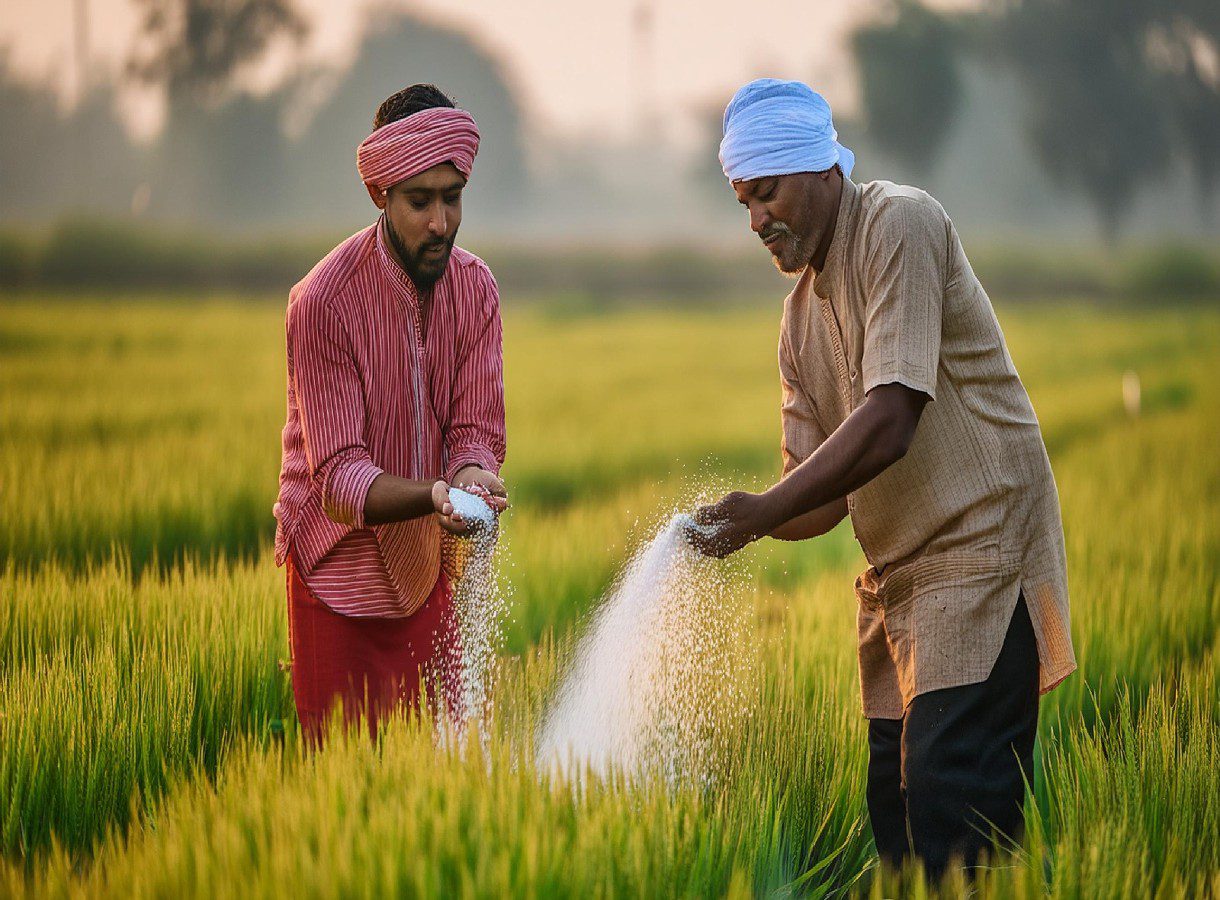
About 48% of these emissions come from the use of biomass, such as fuelwood and dung cakes, for cooking and heating. Open burning of crop residues contributes an additional 6.5%, making biomass burning responsible for 55% of total PM2.5 emissions. Industry and power plants are the second-largest emitters, contributing about 37%. The transport sector, a major focus of air pollution mitigation, contributes about 7% of the total PM2.5 emissions.

But how could this be? How can emissions from all industries and power plants (India has the world’s second-largest fleet of coal-based power plants) and 300 million plus vehicles plying on roads be less than those from the chullahs of the poor? The answer is simple: unlike automobiles and industries where some pollution control devices are used, biomass cookstoves and open burning in fields emit all of their pollutants unconstrained into the air. Thus, PM2.5 emission per kilogram of biomass in cookstoves is tens to hundreds of times more than those from per kg of coal in power plants or diesel in automobiles. This is precisely why rural areas suffer equally from air pollution.

The Regional Emission Inventory in Asia (REAS), an initiative by researchers from Japan to estimate air pollution from Asian countries, provides data on India’s PM2.5 emissions from 1950 to 2015 for specific sectors. iFOREST research, which follows REAS’s methodology, has estimated the emissions for 2021. The analysis of both datasets indicates that the emissions from the industry sector are on an upward trend, while those from the transport sector and power plants peaked in 2010 and have declined marginally.

The most significant emissions decline has happened from residential cooking. PM2.5 emissions from cooking have dropped by 13% or about 0.3 MT during 2010-2021 due to the shift to LPG. Thus, the 50 million households that have shifted to LPG as their primary cooking fuel between 2010 and 2021, thanks to programs like Pradhan Mantri Ujjwala Yojana (PMUY), have contributed the most to reducing air pollution.

To address air pollution decisively, we must go beyond “optics” like odd-even, banning construction, spraying water, inducing artificial rains, etc. and focus on energy transition.

Energy transition in the residential sector would provide the biggest gains. Thus, shifting households to LPG, biogas, or electricity for cooking and heating would eliminate 48% of India’s PM2.5 emissions. Doing so would also eliminate 800,000 premature deaths directly caused by exposure to PM2.5 inside the household and enable the country to achieve its commitments under Sustainable Development Goal 7 to provide “clean energy to all by 2030”. While this is a herculean task, it can be achieved with focused policy interventions like PMUY.

Similarly, energy transition in industry, especially MSMEs, and rigorous monitoring and enforcement would be necessary to decrease industrial pollution. On the other hand, a shift to EVs in the automobile sector would be necessary to reduce vehicular pollution.

Lastly, eliminating stubble burning is essential to decrease severe and hazardous pollution days in Delhi-NCR. This practice contributes to PM2.5 emissions equal to those from all of India’s vehicles. Both incentives and penalties should be deployed to eliminate this environmentally damaging practice.

These are the steps for controlling air pollution in the country; anything less would not suffice.

Clean air? Target cooking, not cars

Dust aside, biomass burning contributes most to PM2.5-led air pollution countrywide. Households are bigger emitters than farmers. Industry emissions come next

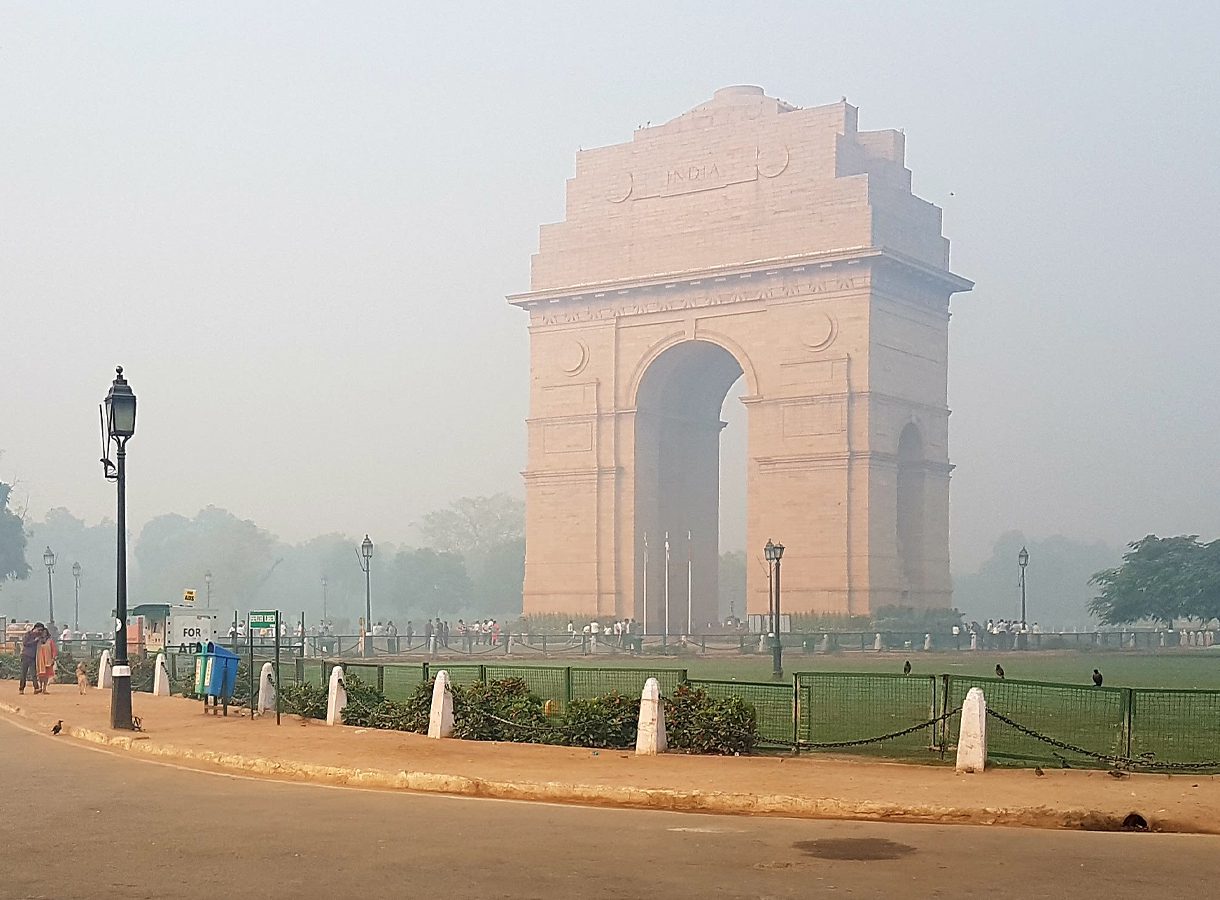
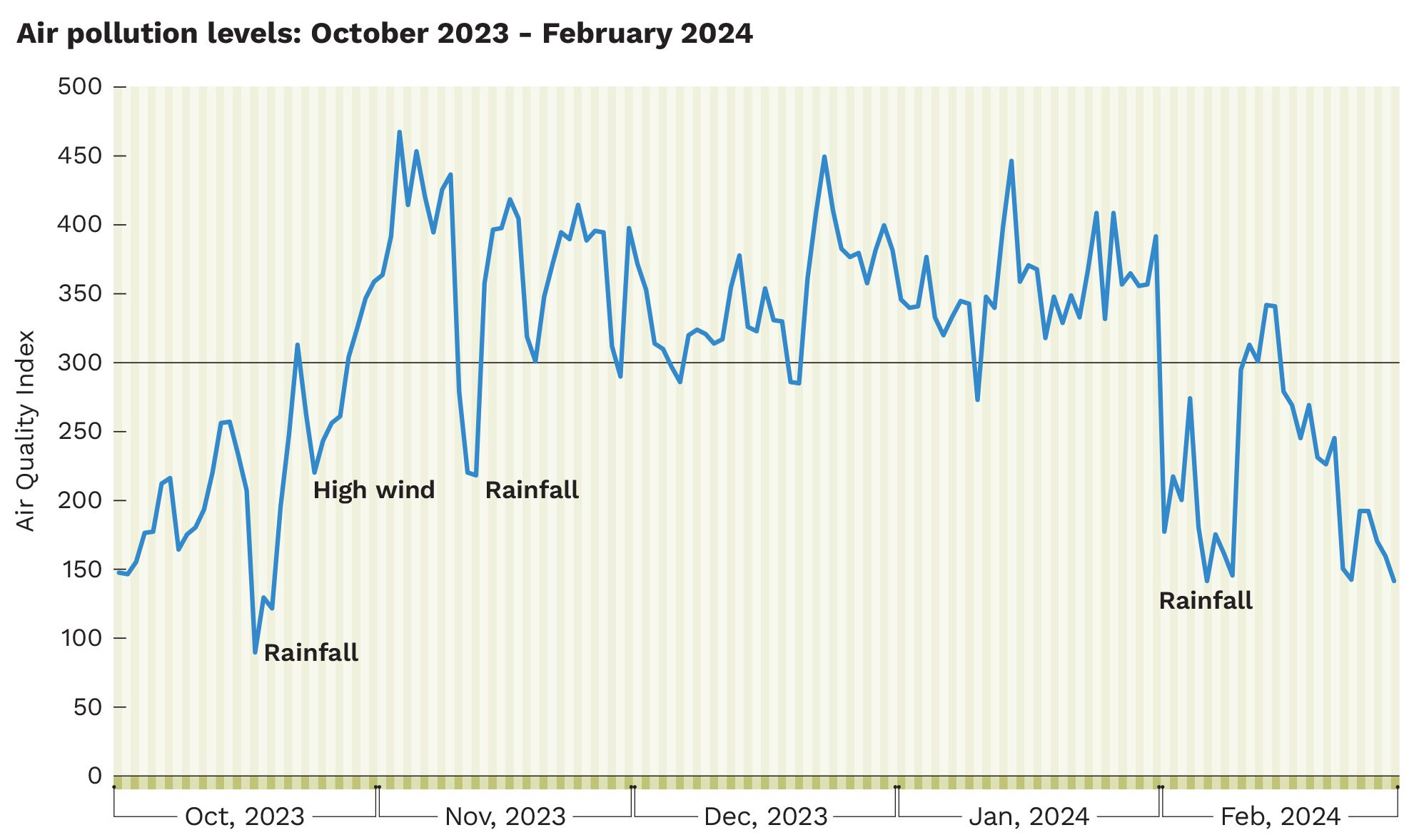
Air pollution is a pervasive issue in India, with the Indo-Gangetic Plain suffering the most severe consequences. The severity of this problem is underscored by recent rankings that place Delhi, Kolkata and Mumbai among the world’s 10 most polluted cities. Mumbai’s air quality, for instance, has steadily deteriorated in the last five years, with its air quality index (AQI) frequently surpassing 200, indicating poor conditions, and sometimes even 300, signifying very poor air quality. This trend raises urgent questions about the root causes of this escalating air pollution and why it remains unmitigated.

Air pollution is a pervasive issue in India, with the Indo-Gangetic Plain (IGP)suffering the most severe Consequences. The severity of this problem is underscored by recent rankings that place Delhi, Kolkata, and Mumbai among the world, ‘s 10 most polluted cities. Mumbai, ‘s air quality for instance, has steadily deteriorated in the last five years, with its air quality index (AQI) Frequently surpassing 200, indicating poor Conditions, and sometimes even 300, signifying very poor air quality, This trend raises urgent questions about the root causes of this escalating air pollutions and why it remains unmitigated.

Colleagues and I  in a comprehensive study put together data From Various Sources to develop an inventory of air pollutants in India, focusing on PM2.5, which are particles less than 2.5 microns in size and a primary concern for the country. High exposure to various PM2.5 is detrimental to health, affecting various bodily systems, particularly the respiratory system and increasing the risk of diseases such as cancer and cardiovascular ailments. 

Our research indicates that India emits approximately 5.2 million tones’ of PM2.5 annually, not accounting for bust form land and construction. Astonishingly,82 0/0 of this comes from biomass burning and industrial activities. 

Biomass burning is the leading cause of PM2.5 emissions in India, with residential fuel and burning of agricultural residue accounting for over half of these emissions. The reason biomass burning contributes such a massive share is that their emissions are unfiltered. Unlike automobiles and industries where some pollution control devices are used, biomass cookstoves and open burning in fields emit all their pollutants unconstrained into the air. 

Some notable sources of biomass-related emissions are:

Cooking | Biomass-firewood, dung cakes -residues and charcoal – is the primary cooking fuel around 500 million people, mainly in rural areas, contributing 38.7 /0 of PM2.5 emissions. Although programmers like PM Ujjwala Yojana (PMUY) have reduced biomass usage, the transition to cleaner fuels must be expedited to significantly cut down on both indoor and outdoor air pollution. 

Heating | Often overlooked, biomass used for heating especially during winters, is a significant pollution source. Two-thirds of Indian households -about 860 million people in rural and urban areas – rely on biomass for heating. Emissions from this source exceed those from the power and transport sectors. so if the Delhi government wants to reduce air pollution during winter. It should ensure there is no burning construction and spraying water on roads. 

Crop Residue Burundi | This practice Contributed about 7/ of PM2.5 emissions. Equal to the emissions form all of India, s vehicles. About 100 million tones of crop residues are burnt year. Whit a third of this occurred within a 30-day period across Punjab, Haryana. Up and Rajasthan in October and November. This intense burning significantly esca-lates pollution levels in cities like Delhi to hazardous pollution days. 

It is essential to underscore that a bulk of biomass used for heating and crop residue burning takes place during winter. This. along with adverse meteorological conditions in IGP. Pushes the pollution to dangerous IeveI in winter. 

Industry invisible | Industries. often neglected in discussions on air pollution, are the second-largest source of PM2.5, contributing 29% of the emissions and are the leading cause of pollution in cities like Mumbai and Kolkata. While larger industries have adopted adequate pollution controls, countless smaller enterprises have not. Sectors like brick kilns, metal, food processing, and agro-based industries are some of the key ones that need stringent oversight. 

Likewise, the power sector, accounting for 8% of PM2.5, must adhere to emission norms, as about 60% of power plants still fail to meet the strict standards set in 2015. 

Automobile Focus: Vehicles, which have been a focal point of pollution control efforts over the past two decades, contribute only 7% of PM2.5 emissions. While in cities, this number could be a little higher, emissions from biomass. This is precisely why vehicle restriction schemes like odd-even have a minimal impact on improving air quality in cities like Delhi. 

The analysis clearly demonstrates the need for substantial actions to shift households away from biomass fuels for cooking and heating through programmes such as PMUY. Under the Sustainable Development Goals, India has committed to providing clean fuel to every household by 2030; achieving this target would be the biggest action in controlling air pollution. Furthermore, the burning of crop residues must not be tolerated. Both incentives and penalities should be used to eliminate this practice as this will bring the quickest result on air quality. Lastly, there must be a concerted effort to decrease industrial pollution throught rigorous monitoring and enforcement. These strategies must take precedence as they represent the primary sources of air pollution.  

Net Zero is a win-win

Article The transformative potential of decarbonisation is that it can meet socio-economic goals better than current development pathways.

The Paris Agreement that India signed alongside 195 other countries in 2015 came into effect on 4 November 2016. Article 4.1 of the Paris Agreement refers to the goal of achieving ‘Net Zero’ through a “balance between anthropogenic emissions by sources and removals by sinks of greenhouse gases in the second half of this century, on the basis of equity, and in the context of sustainable development and efforts to eradicate poverty”.

To fulfil the obligations under the Paris Agreement, in November 2021, at the 26th Conference of Parties (COP26) in Glasgow, Prime Minister Narendra Modi pledged that India would reach net zero emissions by 2070 and meet 50 per cent of its electricity requirements from renewable sources by the year 2030. In the words of Dr Fatih Birol, Executive Director of the International Energy Agency, “India is pioneering a new model of economic development that could avoid the carbon-intensive approaches that many countries have pursued in the past – and provide a blueprint for other developing economies”. Clearly, in the eyes of the world, India is in a position where it can act as a leader in climate action and pave the way for that development that follows an alternative model to that of the industrialised western countries and China. We can demonstrate that the process of economic growth need not come at the cost of our environment or indeed the health of our citizens.

To safeguard the well-being of humanity, Article 2 of the Paris Agreement refers to two temperature thresholds. While the globe cannot, under any circumstances, cross 2 degrees Celsius (C) of warming, the Agreement binds countries to attempt as far as possible to stay within 1.5C. The Intergovernmental Panel on Climate Change (IPCC) has made it clear what staying within 1.5C would entail. Global carbon emissions have to drop drastically – from their current level of 36 gigatons each year, to zero or near-zero by the middle of this century (i.e. around the year 2050). The IPCC makes it clear that this target is achievable through a combination of reducing fossil fuel use and increasing the speed of carbon removal from the atmosphere. More importantly, it also makes clear that the consequences of crossing 1.5C will result in unbearable impacts on humans and nature.

The cost of not achieving Net Zero

These impacts are not things that will only occur far in the future as conditions that our grandchildren and their children will experience; they are already manifesting. India has warmed by around 0.7C since 1900. This is not evenly distributed – some cities like Kolkata have seen 4.5C of average temperature rise due to a combination of urban heat island effects and changes in the amount of vegetation in and around the city. The Himalayas, which are a highly vulnerable landscape that provides incalculable ecosystem services such as delivering melt water to perennial rivers and ensuring that rain-bearing winds from the Arabian Sea and Indian Ocean reach a condensation point before crossing over to China, underwent maximum warming of 2.5C from 1950 to 1999 and could experience a maximum temperature rise of 9C by 2100. This would be accompanied by decades of catastrophic flooding in the Gangetic region and eventually water scarcity in the entire northern half of India. Indian Ocean cyclones are increasing in volume and intensity, while the historically calm Arabian Sea has started producing cyclones more frequently than before, as citizens in Mumbai and the rest of the Western Coast of India can attest to.

The impact of the warming on the economy and livelihoods is equally alarming. By one estimate, if global warming crosses 2C, India’s GDP will be 3 per cent lower in 2100 than it would have been otherwise. If it crosses 4C, India will lose around 13 per cent of GDP. However, these estimates are limited to the loss in labour productivity. Global warming also causes and exacerbates extreme weather events such as cyclones and heatwaves. Between 1998 and 2007, India lost $20 billion to climate change impacts. Those losses more than doubled over the next decade – we lost $45 billion between 2007-2017, with the agriculture sector being the worst hit.

If the cost of these weather extremes is included, India’s GDP is already 25 per cent lower than it could have been, and it could lose up to 90 per cent by the end of the century. By 2050, climate-caused economic loss to India could total $6 trillion, according to a Deloitte report in 2021. A separate estimate for ‘slow-onset’ losses such as coastal erosion and flooding indicates that India could lose $4 trillion to flooding through the rest of this century, with an additional 28.6 million people exposed to flood risk across six Indian port cities – Chennai, Kochi, Kolkata, Mumbai, Surat and Visakhapatnam. Finally, climate will also impact jobs. It is estimated that India could account for about 34 million of the projected 80 million global job losses from heat stress by 2030. The Reserve Bank of India’s latest report suggests that up to 4.5 per cent of India’s GDP could be at risk by 2030 owing to lost labour hours from extreme heat and humidity. These trends suggest terrifying implications if they are allowed to continue.

If the cost of these weather extremes is included, India’s GDP is already 25 per cent lower than it could have been, and it could lose up to 90 per cent by the end of the century. By 2050, climate-caused economic loss to India could total $6 trillion, according to a Deloitte report in 2021. A separate estimate for ‘slow-onset’ losses such as coastal erosion and flooding indicates that India could lose $4 trillion to flooding through the rest of this century, with an additional 28.6 million people exposed to flood risk across six Indian port cities – Chennai, Kochi, Kolkata, Mumbai, Surat and Visakhapatnam. Finally, climate will also impact jobs. It is estimated that India could account for about 34 million of the projected 80 million global job losses from heat stress by 2030. The Reserve Bank of India’s latest report suggests that up to 4.5 per cent of India’s GDP could be at risk by 2030 owing to lost labour hours from extreme heat and humidity. These trends suggest terrifying implications if they are allowed to continue.

Technology is available and growth will be exponential

Despite this urgency, the misconception persists that Net Zero is unrealistic. Some energy historians point out that neither coal, oil nor natural gas managed to cross more than 50 per cent of energy market share in their first 60 years, and conclude that renewable energy cannot dominate the market within 30 years. These historians ignore the historical and present nature of energy markets, the speed of technological development and the already-emerging future trajectory of energy markets that promise to be cleaner.

The past two decades have seen a revolution in renewable energy technologies – solar costs have fallen 90 per cent over the past decade. Building new solar power in India is now cheaper than building a new coal plant, and is quickly becoming cheaper than running existing coal plants. While renewable energy needs electricity storage to be as reliable as coal power, Moody’s projects that wind and solar, including storage cost, will be competitive with coal in India in 2025.

This itself is driven by the battery/ storage revolution coming to India, which could drop costs by 60 per cent in the next decade. This is a continuation of the global trend, which has seen Li-ion batteries become 97 per cent cheaper since 1991, with further room to drop. In addition to making electricity generation cheaper, the battery revolution would drop the cost of electric transportation in India – in about five years, electric vehicles (EVs) are estimated to account for 15 per cent of India’s scooter market, with the share doubling in about 10 years. The savings on fuel imports for transportation will be immense – USD 2.5 trillion by 2047 if the government’s (admittedly ambitious) targets are met. Investment in the battery producing capacity of the Indian industry can further generate huge income for the country.

Likewise, green hydrogen, the key to decarbonising heavy industries, is at a tipping point. Like EVs, electrolysis of water to produce hydrogen in areas without access to cheap electricity has been in practice since the 1950s. In fact, one of India’s first urea plants – the Fertiliser Corporation of India’s Nangal plant – employed electrolysis to produce hydrogen until it switched to hydrocarbons in the 1970s due to shortages of power in the Bhakra grid. But with cheaper renewable energy, green hydrogen is now a reality.

Crucial to remember is that even if India lacks certain technologies, for instance that used in creating commercially viable sodium ion batteries (SIBs), the Paris Agreement can be leveraged for technology transfer, and countries have started to cooperate on technology development.

Transition is possible and desirable in India

If we already have the technology, why are we not decarbonising yet? In a broad sense, we are. Current renewables capacity addition globally is way above the International Energy Agency’s predictions from even five years ago, a trend clearly visible in India. For instance, renewables accounted for 4 per cent of new capacity addition in India in 2001; between 1 April 2020 and 31 March 2023, they accounted for over 82 per cent.

Likewise, India has embarked on ambitious missions to competitively produce EVs, batteries, photovoltaic cells and hydrogen fuel. We are at the beginning of a revolution comparable to computers and the internet in the 1970s and 1980s, or smartphone ownership in the 2000s. The good news is that this transition is a win-win for India in terms of growth and jobs.

The other side of the question with respect to decarbonisation is what to do with existing energy generators that are major sources of carbon emissions, i.e., coal power plants. A coal plant’s operational life is 30-35 years. The Central Electricity Authority’s Tariff Regulations actually specify the ‘useful life’ of a coal plant is 25 years. If we adhere to this specification, a coal power plant built in India today should – on a purely technical/ technological basis – be retired by 2050 at the latest. But in practice, the lives of these plants are extended and regulators approve tariffs for older plants at their discretion – a discretion that has expanded to become a standard practice. To keep a plant going beyond 30 years, it needs significant repairs and upgrades, which are effectively a new capital investment at ratepayer cost. Beyond the useful life, coal power plants’ cost of operation exceeds the value they generate. Considering that the cost effectiveness of installing around-the-clock renewables is already competing with that of new coal plants, investments in new coal plants could rapidly become ‘non-performing assets’ (NPAs). A recent study has estimated that even in the existing coal fleet, the non-performing (‘stranded’) assets could be up to $40 billion.

No wonder the government recently put future coal expansion on an indefinite pause. It has already covered half the distance towards the inevitable – a deadline to shut down all coal power in India. But the challenge is a just transition – a transition that will compensate and strengthen workers and communities whose livelihoods depend on coal, oil and gas.

In sum, there are technologies that are ready to deploy right now, for which the barrier is neither technical nor cost, but policy priorities. But these policy challenges are a cause for action, not panic. No one expects us to reach Net Zero tomorrow. But the right policies need to be implemented now so that they can take full effect over 30 years.

Co-benefits are high

If we see decarbonisation as a technology-and-policy question, it requires decisions about the allocation of costs and benefits. The fossil fuel economy has delivered many benefits, including national development. Decarbonisation will bring some costs, especially for those who are dependent on fossil fuels for jobs and growth and those currently able to access cheap energy. But there has been evidence for a while that this development is not well distributed and directed.

For instance, the externalities of fossil fuel energy are disproportionately borne by the most vulnerable. Communities around coal mines and power plants are exposed to horrifying levels of air pollution, which in turn cause lung and heart disease. Cement and steel manufacturing similarly combine broad development benefits with high health impacts on workers and nearby communities. More Indians own cars today than 50 years ago, but our city air has become unbreathable. A recent Lancet-published study puts a shocking number on “premature deaths and morbidity attributable to air pollution” – US$ 36.8 billion in economic losses to India (or 1.4 per cent of GDP) in 2019 alone.

When people emphasise the cost of transition, they are missing the benefits – to health, energy access, employment, and domestic industry. This is true of those who believe development is fine as it is, as well as those who argue that development is a bad word. The transformative potential of decarbonisation is that it can meet socio-economic goals better than current development pathways. Similar to fossil fuel growth, the investment has to be made upfront, but unlike with fuel-based energy, with renewables, it is the benefits that will accumulate over decades rather than costs and detriments.

Conclusion

If we act on these realities, India can move beyond asking for a few million in climate finance and unlock trillions of dollars in investments. The IMF indicates $3 trillion in climate investment opportunities in India through 2030. Deloitte considers that the right policies can turn India’s projected $6 trillion loss from climate change into a $11 trillion return on climate investments, including by exporting decarbonisation to the developing world. Benefits from investment into climate-allied industries, such as those that produce EVs, batteries, solar panels and hydrogen, could push returns on investment even beyond Deloitte’s predictions.

Implicit in these estimates is that India moves decisively on climate change in every sector of the economy. In the following articles in this series, we shall outline sector-specific roadmaps to achieve carbon neutrality or net zero emissions.

GLOF’s Sikkim shocker: Much before the flooding, local & green groups had flagged risks

The year 2023 has witnessed significant upheavals in the Himalayas. The Glacial Lake Outburst Flood (GLOF) in Sikkim that swept away humans, houses, bridges and a dam was the latest in a series of unsettling reports throughout the year. First came the sinking of Joshimath but it was soon overshadowed by devastating losses in Uttarakhand and Himachal Pradesh during the monsoon season; unprecedented rainfall and widespread landslides caused significant loss of life and property, particularly in Himachal.

But these are only the first days of climate change. As global warming accelerates, we will see an increase in the frequency and intensity of extreme weather events. In the Himalayas, this will translate to cloudbursts and accelerated glacial melt. These will lead to more landslides and avalanches, while glacial lakes will grow in both size and number.

Paired with the region’s elevated seismic risk, we see a perfect storm brewing in the Himalayas. The failure to consider this interplay of geological, hydrological, and meteorological hazards in the scramble to construct hydropower projects resulted in the tragedy in Sikkim.

As the complete picture of how this tragedy unfolded emerges, we know the following:

● Around midnight of October 3-4, the South Lhonak Lake’s embankment broke, creating a GLOF. This lake has tripled in size in the last three decades due to rapid melting of Lhonak glaciers, in turn due to global warming.

● An earthquake of 6.2 magnitude occurred in western Nepal at 14:51 hrs on October 3, which was felt even in Delhi. Scientists are investigating whether this earthquake could have led to a landslide/avalanche or weakened the lake’s embankment, starting a GLOF.

● Sikkim also received high rainfall from October 2 through to October 5. As per ICIMOD, on the night of October 3, there was heavy rainfall near the lake. This, too, could have caused the GLOF.

 About 50km downstream of South Lhonak Lake is the Teesta III dam at Chungthang. This massive rock-filled dam is Sikkim’s biggest hydel project. According to Teesta III chairman, on October 3, at 23:58 hrs, operators were informed by Indo-Tibetan Border Police about the GLOF. By 00:10 hours on October 4, a swell of water flooded the dam’s reservoir lake and washed away most of the dam before they could open the sluice gates.

● The dam’s spillway was not designed to accommodate high flow due to GLOF, and there was no functional early warning system for GLOF at South Lhonak Lake.

● The dam break led to massive flooding downstream, destroying roads, bridges, water and power lines, inundating towns and districts. Around 50 have died, and scores are missing. The economic losses will be thousands of crores. The destroyed dam itself cost about ₹14,000 crore. This dam was also hit by the 2011 earthquake, which destroyed a large part of the construction and claimed the lives of 40 workers.

● Wenow know that none of the early warning sensors installed for the critical glacial lakes in Sikkim in 2013, 2016 and even last month survived long enough to forewarn residents downstream.

● This, even though GLOF was identified as a significant risk to Teesta III. Back in 2005, the carrying capacity study of Teesta basin – based on which the environment ministry cleared Teesta III – had noted that the region was “quite susceptible to disastrous hazards due to Glacial Lake Outburst Floods”.

Multiple hazards thus were recognised for Teesta III, but risks were neither adequately assessed nor a mitigation strategy designed. This is how this highrisk project received clearance from multiple regulating agencies despite opposition from the local community and environmental groups. At the time, even clearance conditions did not mandate an early warning system or modifications in the dam’s design, to account for the possibility of a GLOF.

This problem is not unique to Teesta III. Big infrastructure projects in the Himalayas are neither vetted through a stringent risk assessment process nor designed to mitigate multiple risks and eventualities. As climate change continues, extreme events will become ever more common. The only way to prepare for these is by factoring in all risks at the project design stage and creating institutions that can make independent decisions based on risk assessments.

In this context, we must urgently re-evaluate the Environmental Impact Assessment and the Environment Clearance procedures. The existing EIA/EC framework has repeatedly shown inadequacies in handling high-risk projects. EIA reports often overlook comprehensive risk evaluations, and impacts of climate change are rarely factored in. Moreover, impact assessments are absent of advanced methodologies and technologies.

The existing EC approach must be equipped to address the challenges and unpredictability of the climate crisis, especially in the Himalayas. Additionally, for objectivity in the decision-making process, it is equally essential to establish independent bodies to conduct such assessments to inform decisions. For the Himalayas, we need a Trans-Himalayan Environmental Assessment and ManagementAgency staffed with experts from Himalayan states and UTs.

In the Himalayas 87 hydroelectric projects are operational, 30 are under construction with more on the horizon. The task is twofold: ensure these mega projects don’t exacerbate environmental problems, and then, safeguard valuable assets against multiple threats. This is the challenge that demands balance.

दुनिया में सहयोग बढ़ाने की पहल

G20 के शीर्ष पर भारत का कार्यकाल एक परिवर्तन एजेंडे के लिए याद किया जायगा जो यथास्थिति को चुनौती देता है और वैश्विक सहयोग की पुनरकल्पना करता है

Social media & sharing icons powered by UltimatelySocial