
How India could soon have days so hot it will impact work

We have entered a new age of heat extremes. Concrete and glass-heavy urban buildings are a major hazard

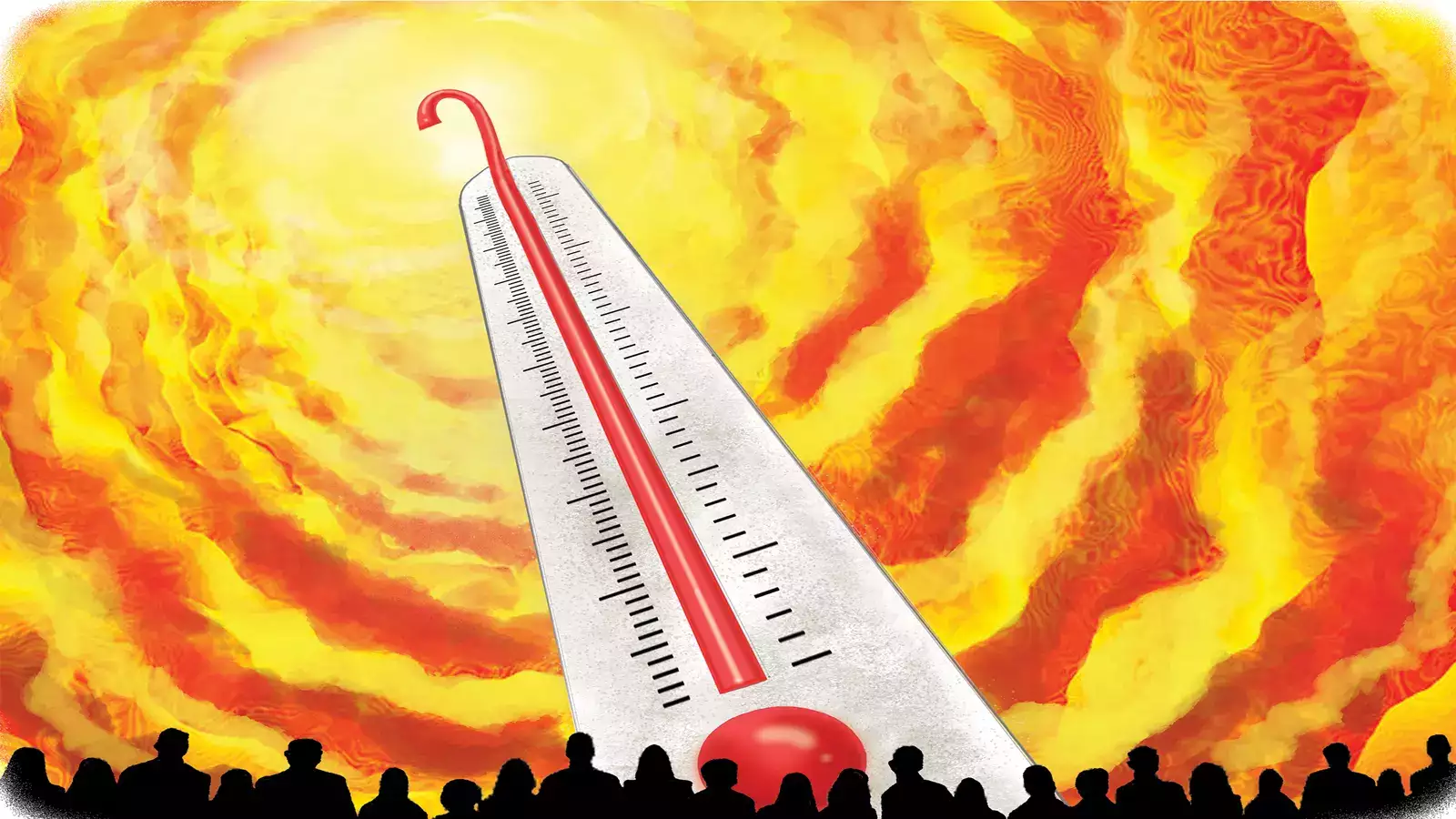
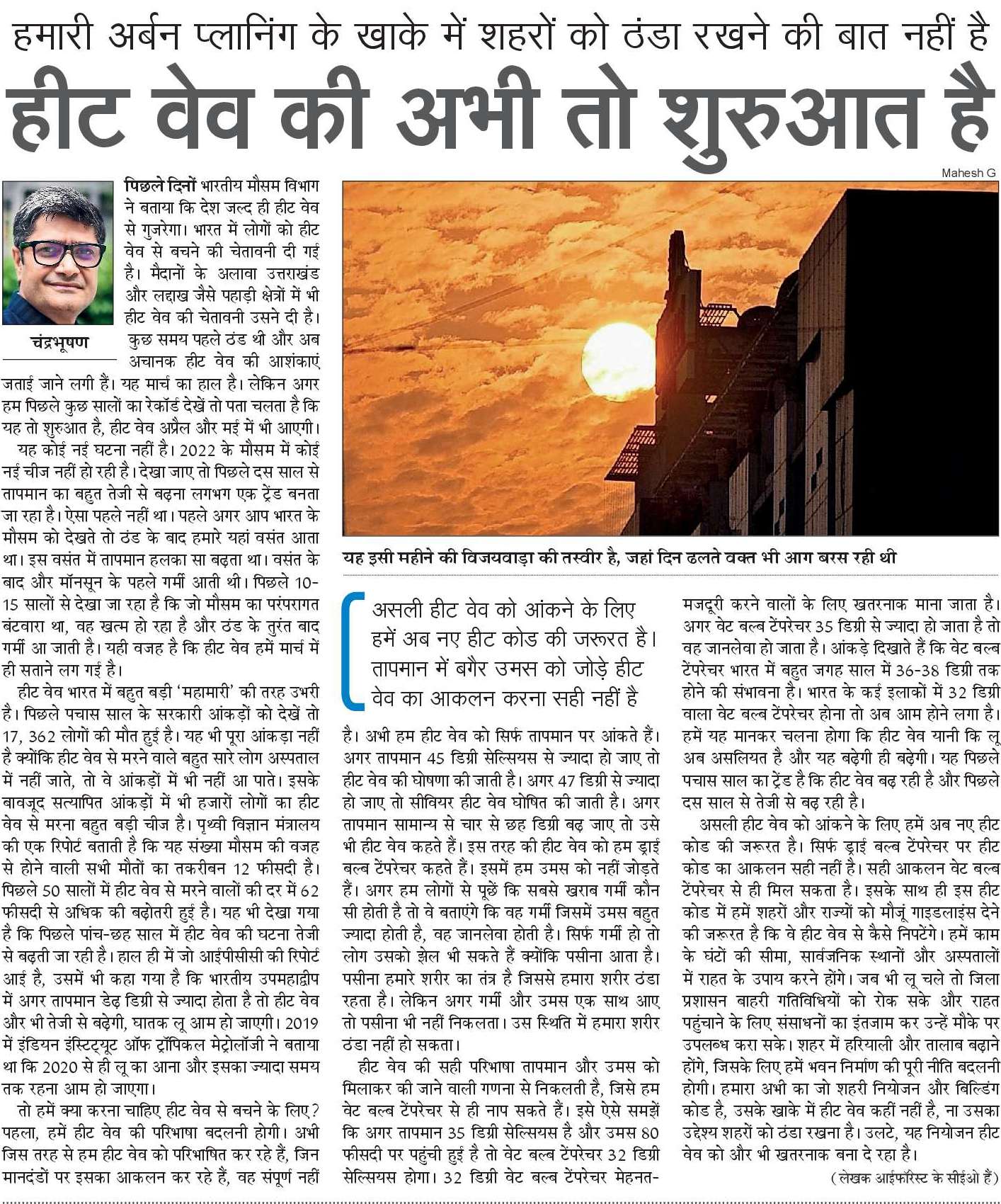
India is searing. Large parts of the country are in the grips of unbearable heat and heatwaves. March this year was the hottest March on record, and March-April has witnessed a record number of heatwaves. Delhi has recorded eight heatwave days in April so far, and the maximum temperature in parts of the city has already hit 43-45°C, which is 5-7°C above normal. As a result, schools in the capital are struggling to maintain regular timings, and workers engaged in manual labour have practically stopped working during the daytime.

But it is not supposed to be like this in March and April; we should expect such heat in May and June – the year’s hottest months. So, is this a freak year? Is this temperature anomaly unexpected? The answer is no.

Both temperatures and heatwaves have been increasing perceptibly since the 1980s. Each of the last four decades has been progressively warmer than the decade that preceded it. The past decade (2011-20) was the hottest since records began in 1901, and 11 out of 15 warmest years were between 2007 and 2021. Likewise, the heatwave days have also increased every decade since 1980. In addition, the hotspots of intense heatwaves have expanded. They now engulf a large part of the country, hitting areas that were not prone to extreme heat events in the past, like Himachal Pradesh, Andhra Pradesh, Tamil Nadu and Karnataka.

In fact, there has been an alarming increase in severe heatwaves in southern India. The problem is that south India also experiences high humidity. This means that during the pre-monsoon period, when the humidity is usually high, a heatwave could push the “wet-bulb” temperature (that measures the combined effect of temperature and humidity) beyond 35°C, which few humans can tolerate for a long time because their bodies can’t cool themselves.

According to the latest IPCC report, the intensity and frequency of heatwaves will increase with every increment of warming. For instance, at 1.5°C of global warming (we are at 1.1°C presently), there will be more severe heatwaves and longer warm seasons; at 2°C, “deadly” heatwaves would frequently cross the limits of human survivability.

The report also points out that the Indian subcontinent will be hardest hit by deadly heatwaves. In a worst-case scenario, the number of “climatically stressful” workdays (when workers will have difficulty working outside) will increase to 250 per year.

This means that for 8-9 months a year, there will be a severe impact on worker output, which will have a high cost on the economy. In essence, the IPCC reports point to heatwaves becoming a major calamity in the coming years. The question is, what can we do about this?

  1. First and foremost, mitigation is the best adaptation. Limiting warming to 1.5°C will restrict the number, extent and severity of heat extremes. While the 1.5°C target is becoming challenging every passing year, the latest IPCC report shows we have a small window of opportunity to meet this goal with rapid, deep and immediate GHG emission reductions in all sectors.

The good news, as the IPCC report points out, is that several mitigation options, notably solar and wind energy, energy efficiency, the greening of urban infrastructure, demand-side management, improved forest and land management, and reduced food waste are cost-effective and are good for development and jobs.


  • Second, the urban heat island effect increases the severity of heatwaves. City centres are now a few degrees warmer than the hinterlands because of the large amounts of heat emitted from our buildings, roads, factories and cars. For example, while air conditioning cools inside, it throws heat outside, increasing the outside temperature.

To combat outside heat, we are installing more and more ACs, thereby unleashing a vicious cycle of spiralling heat island effect. We can break this cycle only by building cities that cool themselves. This means more open spaces, green areas and water bodies, and more energy-efficient green buildings. This leads to the third point.

We are building hothouses and not habitable buildings. Most modern buildings are built with too much concrete, glass and poor shading and ventilation, making them prone to overheating. Even the affordable houses that the government is building for the poor under the Pradhan Mantri Awas Yojana are not habitable on certain days of the year because they are too hot to live in.

Many of these affordable houses will become uninhabitable as the number of days with high temperatures increases due to global warming. Therefore, our building bye-laws, urban planning guidelines and construction technologies must be radically changed to adapt to the rising heat.

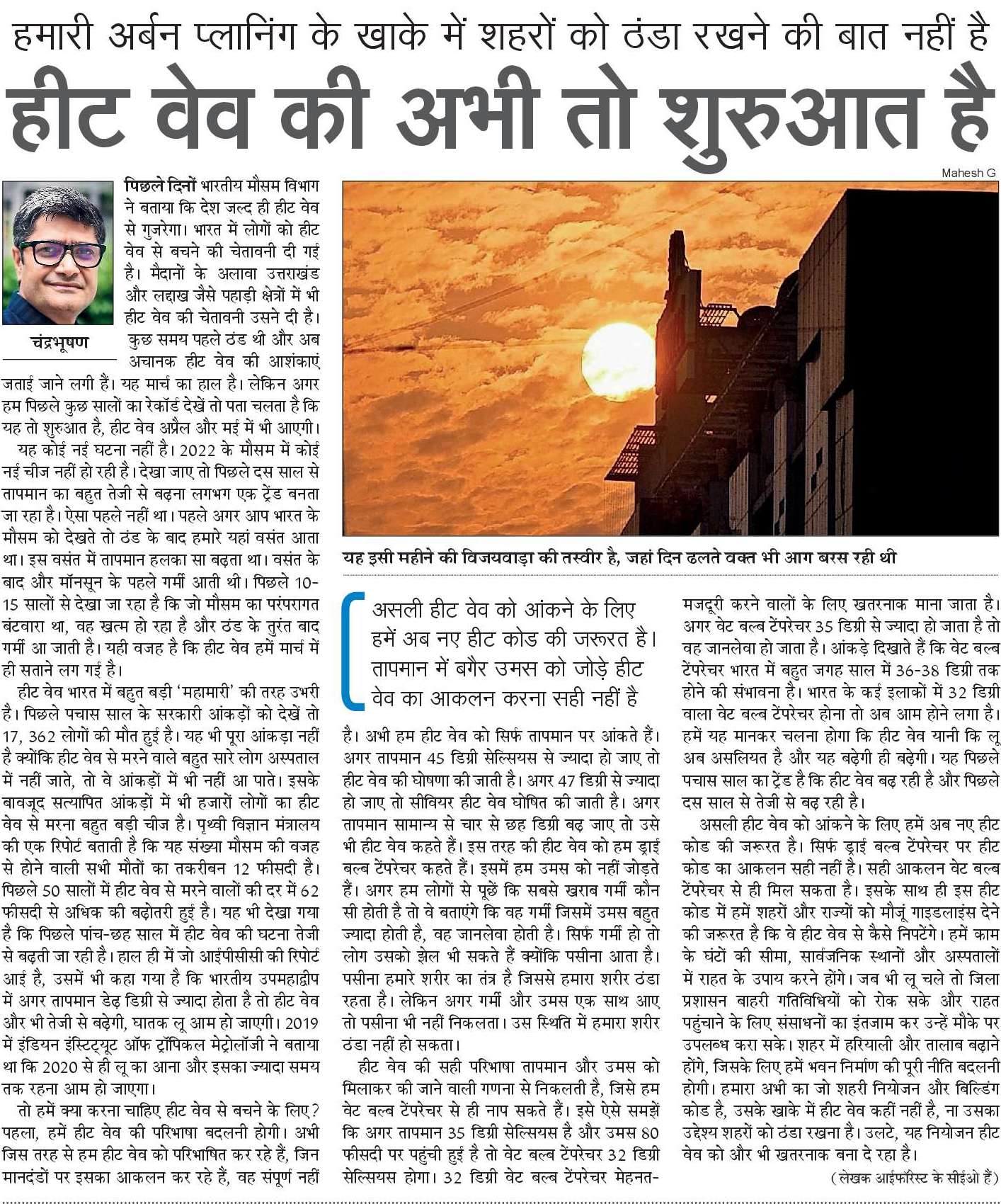
  • Lastly, India needs a new heat code. Many regions of the country now experience wet-bulb temperatures exceeding 31°C during certain parts of the year, which is dangerous for manual labour. However, we are not declaring such days as heatwaves because our guidelines are based on dry bulb temperature. Therefore, we need a heat code that outlines the criteria for declaring heatwaves based on wet-bulb temperature. It should also prescribe SOPs for heatwave emergencies, such as work-hour limits and relief measures in public places and hospitals.

Heatwave is theoretical discomfort for some of us who move from an airconditioned home to an air-conditioned car to an air-conditioned office. But it is a matter of life and death for a poor person dependent on manual labour and living in a hothouse in an urban slum or a village. India, therefore, needs a heat action plan that saves the majority from hot extremes.

The writer is CEO, International Forum for Environment Sustainability and Technology (iFOREST)

Ukraine war is terrible news for the fight against climate change

Another arms race will divert resources Another arms race will divert resources from poverty, pandemic and environment crisis.

In response to Russia’s invasion of Ukraine, Tesla CEO Elon Musk recently called on the US to increase its domestic oil and gas production to cut-off imports from Russia.

While new oil and gas wells in the US might not negatively impact Tesla, Musk’s call has undoubtedly given an impetus to oil and gas interests. After all, who could be the best ambassador of fossil fuels in present times than a self-professed climate champion like Musk?

Derailing green commitments

Since the Paris Agreement, there has been much domestic and international pressure on developed countries to reduce fossil fuel production and consumption to combat the climate crisis. While some European countries have put a moratorium on new mines and wells, others have announced targets to end fossil fuels. For example, Germany is phasing out coal by 2038, Denmark has ended all new oil and gas exploration in the North Sea, and Ireland and Spain have banned new oil and gas wells. US President Joe Biden has also promised to end new drilling on federal land. However, the Russian aggression has given fossil fuel interests an excuse to demand a reversal of these policies.

But responding to their demand will be highly detrimental for climate action. According to the International Energy Agency, to meet net zero emissions by 2050, exploitation and development of new oil and gas fields must stop immediately. Moreover, opening new coal mines and oil and gas wells in Europe and the US will mean that these countries, historically the largest climate polluters, will not be able to decarbonise their economies fast enough to meet the 1.5°C goal. This, in turn, will prompt other major fossil fuel producers like Saudi Arabia to shelve their oil and gas phase-down plans; countries like India and China will also curb their climate ambition.

Therefore, the Russia-Ukraine conflict will potentially delay the implementation of the Paris Agreement by a few years by postponing the decarbonisation plans of countries. Most worryingly, it could completely derail the momentum on climate actions by exacerbating global discord and shifting government expenditures to defence.

Another arms race in the making

The world already spends too much money on defence. According to Janes – an open-source defence intelligence agency – the global defence spending rose by 1.9% in 2020 and reached $1.93 trillion. In fact, the current annual global defence budget is sufficient to meet half of the clean energy investments required to reach net zero emissions by 2050. But there are clear indications that the present crisis will boost spending on arms and ammunition in 2022 and beyond.
Germany has tripled its defence budget to $160 billion in the wake of the Russian invasion and will raise it to 2% of GDP by 2024. The other non-US Nato members are also likely to ramp up their spending to 2% of GDP, collectively increasing their defence spending by $100 billion annually. Ironically, $100 billion is what developed countries had promised developing countries as climate finance but have struggled to fulfil it.
The US, which alone accounts for about 40% of worldwide defence spending, will also hike its budget. To counter the US, China has already announced an increase in spending by 7.1% this year. To counter China, Japan plans record spending in 2022, and India’s 2022-23 defence budget ($70.2 billion) is almost 10% above the initial allocation in 2021-22. Therefore, we are most likely entering a new phase of the arms race, which will disrupt all developmental and environmental plans that the world ought to be focussing on.

We sink or swim together

The wars of the 21st century have far-greater ramifications than previous ones. In a highly interconnected and interdependent world, a regional conflict like Russia-Ukraine might jeopardise the global collective action on the climate crisis, which we only have 10 years to solve. It could delay the world’s recovery from Covid by hindering the vaccination drive for 40% of the global population who are not yet fully vaccinated.

We, therefore, can’t afford wars and another global arms race. Hence, it’s in the interest of all to ensure that conflicts are resolved by peaceful means. It’s no more a fanciful idea to push for a global moratorium on defence spending so that we can redirect resources to address real and urgent problems facing the world.


The Real Mainstream: IPCC’s climate-speak is all Greek to the masses

The climate watcher has produced nothing for the general public, except for a press release and a set of headlines.

Scientists are good at science but bad at communicating it to the masses. This is precisely why the gap between the scientific understanding of the climate crisis and policy responses widens. The latest Intergovernmental Panel for Climate Change (IPCC) report is a classic example of ineffective communication. Published a few weeks back, it is considered the most comprehensive report on impacts, adaptation and vulnerability, but the presentation leaves much to desire.

The IPCC reports cater to a small set of people. For example, it is 3675 pages long (which very few outside the climate science community would ever read completely) with a 35 page summary. The summary, targeting policymakers, has been written in a complicated way and requires a person with high scientific knowledge to grasp its essence. Besides, IPCC has produced nothing for the general public except for a press release and a set of headlines.

While one can understand the trepidation of the scientific community for generalisation, it is precisely what is needed to get mass support for climate action. Therefore, it is high time that IPCC publishes and disseminates its findings in a way that most can understand and act on. I have attempted to convert the 35-page summary into ten key findings and put it in simple language. I hope that the IPCC would do better than this.

1. The climate crisis is far worse than previously predicted: The impacts on ecology, economy and human well-being are far worse than expected, and adapting to the crisis will be more difficult than anticipated.

2. It is destroying nature: Climate change has already caused substantial damage and increasingly irreversible losses to the biodiversity on land and oceans, including the extinction of hundreds of species. Approximately half of the species assessed globally have shifted polewards or to higher elevations to cope with increasing heat. Further temperature increases will irreversibly damage warm-water coral reefs, coastal wetlands, rainforests, and polar and mountain ecosystems and cause massive extinction of species dependent on these ecosystems.

3. Climate change is harming human health, peace, and wealth:  It has adversely affected physical and mental health. People have died worldwide due to extreme heat, flooding, and other extreme weather events. In addition, the incidence of climate-related food and water-borne and vector-borne diseases has increased. Cardiovascular and respiratory distress have also increased due to wildfire smoke, atmospheric dust, and aeroallergens.

Climate change is also making the poor poorer. For example, outdoor labour productivity, on which the poor depend for income, has reduced due to higher temperatures. Similarly, economic damages from climate change are prominent in agriculture, forestry, fishery, energy, and tourism, which provides the most employment.

Lastly, it is worsening humanitarian crises by driving displacement in all regions. Besides, evidence is emerging that global warming might be contributing to conflicts by creating a scarcity of water and fertile land.

4. India will be affected the worst:  Not every region will get equally impacted. Countries with poverty, governance challenges, limited access to essential services and resources, violent conflict, and high levels of climate-sensitive livelihoods such as smallholder farmers, pastoralists, and fishing communities, will be the worst affected. Approximately 3.3 to 3.6 billion people live in highly vulnerable regions to climate change; a significant proportion of them are in India.

5. Cities are hotspots: Rapidly growing cities of Asia and Africa that house large concentrations of poor people are especially vulnerable. Increasing temperature and poor development practices, like creating concrete jungles and encroachment of forests and water bodies, will increase heatwaves and flooding.

6. We are rapidly approaching the point of no-return: Climate change impacts and risks are becoming increasingly complex and challenging to manage. Multiple climate hazards will coincide, and multiple climatic and non-climatic risks will interact, creating unmanageable situations. Some losses are already irreversible, such as species extinction. Others are approaching the point of no return, such as the impacts on freshwater due to the retreat of glaciers.

7. Mitigation is the best adaptation: With temperatures rising, the inevitable losses will increase. For example, in the coastal ecosystems, the risk of biodiversity loss ranges from moderate and very high by 1.5°C warming but rises to high to very high by 3°C. So, keeping the temperature below 1.5°C by reducing emissions is the best way to save ourselves.

8. Good development practices mean good adaptation: Unsustainable land use, deforestation, biodiversity-loss, and pollution lower the capacities of ecosystems and societies to adapt to climate change. Eliminating unsustainable practices will significantly help adapt to the climate crisis. For instance, enhancing natural water retention in cities by restoring wetlands and rivers, creating no-build zones, etc., will lower flood risk. Similarly, on-farm water management like rainwater harvesting, soil moisture conservation, and efficient irrigation will improve productivity and reduce vulnerability.

9. Leaving nature alone will save us: Safeguarding biodiversity and ecosystems is fundamental to climate-resilient development. Globally, less than 15% of the land, 21% of the freshwater, and 8% of the ocean are protected areas. However, we will have to conserve approximately 30-50% of these areas to maintain the resilience of ecosystem services.

10. Unequivocal political commitment is a must: Implementing climate actions requires considerable upfront investments, while many benefits will only become visible later. To make such investments, unequivocal political commitment and farsighted planning are essential. In addition, new institutional frameworks, policies, and instruments will be required to set clear goals, define responsibilities and obligations, and coordinate amongst various actors.

Besides, governments alone cannot solve this problem; the role of businesses and civil society is equally critical. Raising public awareness and building social movements are essential for greater public and political commitment. Companies will have to play a greater role in reducing emissions and investing in adaptation. The report essentially says if the climate crisis is not a clear and present danger, nothing else is.

हीटवेव और बाढ़ झेलने को तैयार रहें शहर

इंटरगवर्नमेंटल पैनल ऑन क्लाइमेट चेंज (आईपीसीसी) सन 1988 में इसलिए बना, ताकि वह समय-समय पर जलवायु परिवर्तन के बारे में दुनिया के शीर्ष नेताओं को साइंटिफिक नजरिया दे सके। पिछले 34 सालों में आईपीसीसी ने पांच रिपोर्ट जारी की हैं और अब वह छठी रिपोर्ट पब्लिश कर रहा है। इस रिपोर्ट का दूसरा हिस्सा कुछ दिन पहले आया है, जिसकी इन दिनों काफी चर्चा हो रही है। चर्चा इसलिए क्योंकि इसे जलवायु परिवर्तन के प्रभावों और अनुकूलन पर सबसे व्यापक रिपोर्ट माना जा रहा है। इस लेख में हम इस रिपोर्ट से निकली दस जरूरी चीजों पर चर्चा करेंगे।

यह कैसा विकास
आईपीसीसी की छठी रिपोर्ट का पहला निष्कर्ष यह है कि जलवायु परिवर्तन का प्रभाव पिछली पांच रिपोर्टों में बताई चेतावनियों से कहीं ज्यादा है और संकट के अनुकूल हो पाना हमारी सोच से भी अधिक कठिन होगा। दूसरी खोज यह है कि जलवायु परिवर्तन अब प्रकृति का विनाश कर रहा है। जमीन या समुद्र में जो जीव-जंतु या पेड़-पौधे हैं, उन्हें इतना ज्यादा नुकसान हो चुका है कि कहीं-कहीं तो इसकी भरपाई ही नहीं हो सकती। सैकड़ों विलुप्त जीव-जंतु अब कभी वापस नहीं आएंगे। रिपोर्ट कहती है कि अगर तापमान 1.5 डिग्री से ज्यादा बढ़ा तो ऐसी चीजें होंगी, जिन्हें हम सैकड़ों सालों में भी ठीक नहीं कर पाएंगे। समुद्र में मूंगों की चट्टानें खराब हो जाएंगी। सुंदरवन जैसी जगहें बर्बाद हो जाएंगी। हमारे नॉर्थ-ईस्ट और वेस्टर्न घाट पर जो वर्षा वन हैं, वे तबाह हो जाएंगे। हिमालय के ग्लेशियर और इको सिस्टम ऐसे खराब होंगे कि फिर कभी रिकवर नहीं कर पाएंगे।

तीसरा निष्कर्ष यह है कि जलवायु परिवर्तन अब इंसानों की सेहत, शांति और संपदा पर प्रभाव डाल रहा है। इसने दुनिया भर में लोगों के शारीरिक और कुछ क्षेत्रों में मानसिक स्वास्थ्य पर प्रतिकूल प्रभाव डाला है। जल जनित और वेक्टर जनित रोगों की घटनाओं में वृद्धि हुई है। हृदय और सांस की बीमारियां भी बढ़ गई हैं। अत्यधिक गर्मी, बाढ़ और अन्य चरम मौसम की घटनाओं के कारण दुनिया भर में लोगों की मौतें हो रही हैं। जलवायु परिवर्तन गरीब को और गरीब बना रहा है। घर के बाहर मेहनत-मजदूरी करना गरीब की जीविका है। भीषण गर्मी ने उनके काम के घंटे घटा दिए हैं, जो आगे और भी कम होंगे और उसी हिसाब से उनकी आय घटती जाएगी। इसी तरह, जलवायु परिवर्तन से सबसे ज्यादा आर्थिक नुकसान कृषि, वानिकी, मत्स्य पालन, ऊर्जा और पर्यटन में होगा, जो गरीबों को सबसे अधिक रोजगार देता है। इसके साथ ही जलवायु परिवर्तन सभी क्षेत्रों में विस्थापन को बढ़ावा देकर मानवीय संकट को बढ़ा रहा है। धीरे-धीरे ऐसे सबूत सामने आ रहे हैं कि ग्लोबल वॉर्मिंग पानी और उपजाऊ भूमि जैसे संसाधनों की कमी पैदा करके संघर्षों में इजाफा कर सकती है।

चौथा निष्कर्ष है कि इससे भारत जैसे देश सबसे बुरी तरह प्रभावित होंगे। जलवायु परिवर्तन का प्रभाव हर जगह समान नहीं होगा। सबसे ज्यादा प्रभाव वहां होगा, जहां गरीबी और शासन की चुनौतियां हैं, छोटे किसान ज्यादा हैं, लोगों की आवश्यक सेवाओं और संसाधनों तक पहुंच कम है। रिपोर्ट कहती है कि विश्व के 330 से 360 करोड़ लोग जलवायु परिवर्तन से अत्यधिक प्रभावित क्षेत्रों में रहते हैं। भारत को लेकर अलग से इसमें कोई आंकड़ा नहीं दिया गया है, लेकिन साफ दिख रहा है कि भारत सबसे बुरी तरह से प्रभावित है।

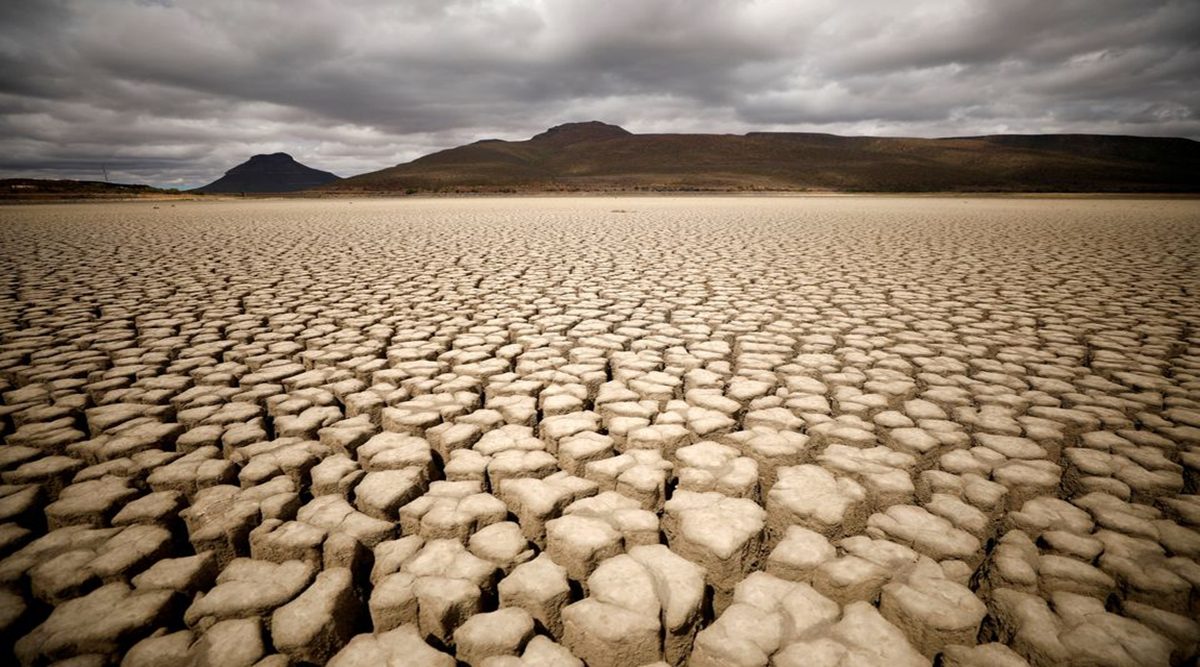
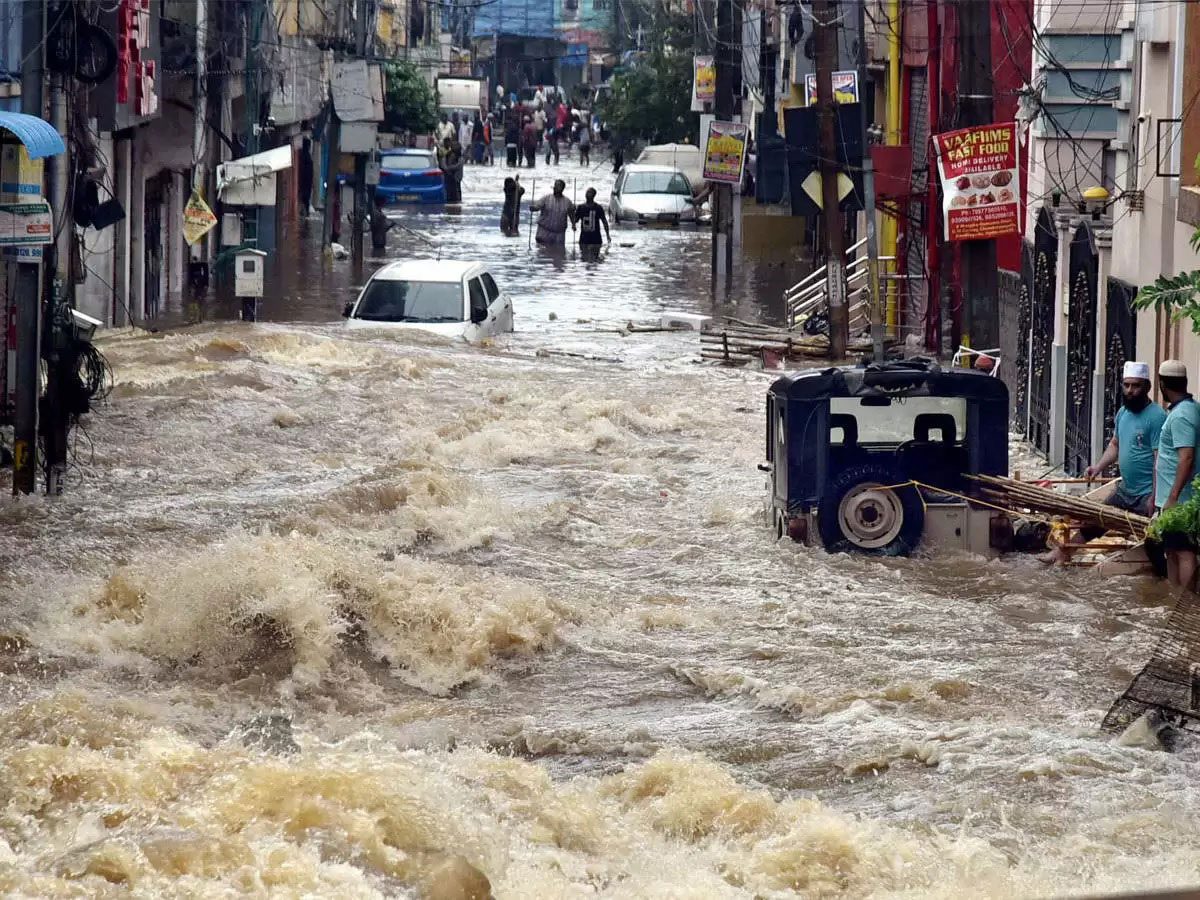
रिपोर्ट का पांचवां बिंदु यह है कि अफ्रीका और एशिया में तेजी से विकसित होते शहरों में हीटवेव और बाढ़ की समस्या बढ़ेगी, पीने के पानी की कमी होगी। छठी खोज यह है कि अब हम वहां पहुंच रहे हैं, जहां से वापसी मुश्किल है। अब जलवायु परिवर्तन इतना जटिल हो चुका है कि उसे सही कर पाना कठिन होता जा रहा है। जलवायु से जुड़े कई खतरे एक साथ आएंगे। कई जलवायु और गैर-जलवायु जोखिम आपस में क्रिया-प्रतिक्रिया करेंगे, जिससे असहनीय स्थिति पैदा होगी। उदाहरण के लिए, भारत के विभिन्न हिस्सों में बाढ़, सूखा, जंगल की आग और गर्मी की लहरें जैसी स्थिति एक साथ आ सकती हैं, जो जटिल समस्याएं पैदा करेंगी।

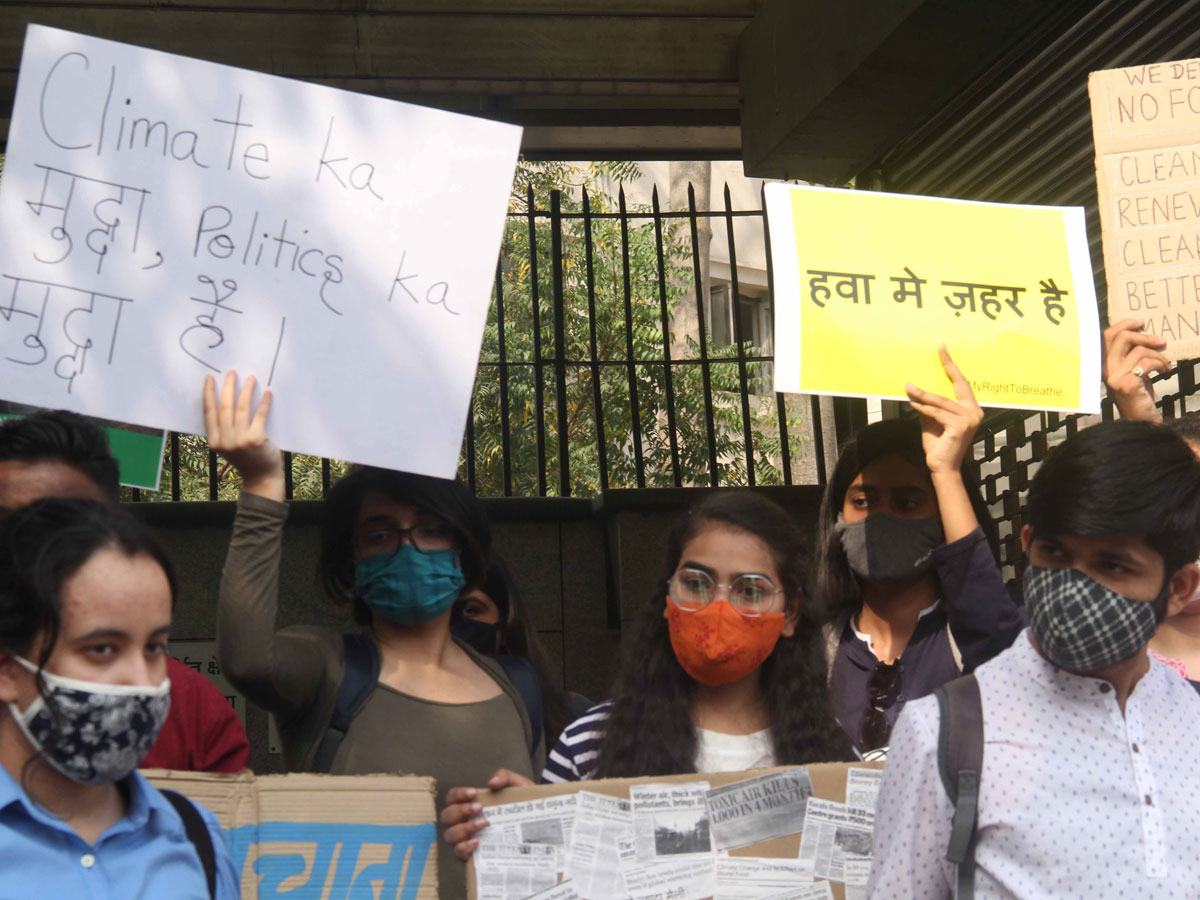
जलवायु परिवर्तन को लेकर प्रदर्शन करते छात्र (फाइल फोटो)

सातवां यह कि ग्रीन हाउस गैसों को कम करना ही बेहतर रास्ता है। क्योंकि तापमान अगर डेढ़ डिग्री तक बढ़ा, तो फिर जो कुछ भी सामने आएगा, उसे हम मैनेज नहीं कर पाएंगे। आठवां निष्कर्ष अच्छी विकास प्रथाओं के बारे में है। रिपोर्ट का कहना है कि मुश्किल इसलिए भी आ रही है क्योंकि हमारी नीतियां और उनका क्रियान्वयन टिकाऊ नहीं है। जितना चाहते हैं, जमीन घेर लेते हैं, पानी या कोयला निकाल लेते हैं, जंगल काट डालते हैं। प्रदूषण अलग बढ़ा रहे हैं। इसकी जगह हमें अच्छी विकास प्रथाएं लागू करनी होंगी। जैसे कि शहर में बाढ़ कम करनी है तो शहर के ताल-तलैया और नदियां पुनर्जीवित करिए। शहर में ऐसी जगहें हों, जहां कोई निर्माण ना हो। गांवों में भी सूखा कम करना है तो वर्षा जल संचयन और मिट्टी की नमी सहेजनी होगी।

नौंवी और इस रिपोर्ट की सबसे महत्वपूर्ण बात यह है कि अब आप प्रकृति को अकेला छोड़ दीजिए, इसी में आपकी भलाई है। अभी विश्व में हम लगभग 15 फीसदी जमीन, 21 फीसदी मीठे पानी के स्रोत और 8 फीसदी समुद्र संरक्षण करते हैं। रिपोर्ट का कहना है कि बचने के लिए अब हमें 30 से 50 फीसदी जमीन, फ्रेश वॉटर और समुद्र को छोड़ देना पड़ेगा। एक समय भारत में भी नो गो एरिया की बात हो रही थी कि वहां इंसान नहीं घुसेगा। अब ऐसे ही इलाके और बढ़ाने होंगे।

सब जुड़ेंगे, तभी बचेंगे
दसवां और आखिरी बिंदु यह है बिना राजनीतिक इच्छाशक्ति के हम इस समस्या को हल नहीं कर सकते। अब किंतु-परंतु या सवाल का समय नहीं है। नए कानून बनाने पड़ेंगे, नई नीतियां भी, ताकि सब मिलजुल कर काम कर सकें। कंपनियों और सिविल सोसायटी का बहुत बड़ा रोल होगा, क्योंकि अब ये सिर्फ सरकारों के बस की बात नहीं। सब लोग जुड़ेंगे, तभी जलवायु परिवर्तन के प्रभाव कुछ कम हो सकते हैं।

Why India is gaining trees and losing forests

How to read biennial forest surveys? The best way is decadal data produced by same methods

India State of Forest Reports (ISFRs) are published every two years. And, every ISFR shows an increase in the forest cover compared to the previous one. ISFR 2021, released last week, too shows an increase of 1,540 sq kms of forest area – an area slightly more than that of Delhi – compared to ISFR 2019.

But is this biennial good news the correct way to assess the state of our forests? Can we evaluate the health of our forest, and how government policies have affected it, in such a short time? The answer is no. We need at least a decade to judge whether forests have improved or deteriorated. So instead of getting into the quagmire of biannual assessment, let’s check how India’s forest has fared on a decadal scale.

ISFRs, despite their many shortcomings, contain a vast amount of data on growing stocks (the total volume of all trees), carbon stock (total amount of carbon stored in the forest), forest cover etc. Though all data is not available for all years, there is enough to enable a coherent analysis of the health of our forests. But before we make any comparison, it is necessary to understand the technology used for the forest assessment and its implications on numbers.

The assessment of forests is done using satellites along with ground-truthing. Over time, satellite technology has improved vastly, and so has the technology to produce ISFRs. Since 2001, high-resolution satellite data and digital interpretation have been used for ISFRs. This technology is so sophisticated that it can capture tree cover on even 1 hectare of land.

Before 2001, the satellites had lower resolution and could catch tree cover only on a large piece of land. So, to get a correct picture of the state of the forest, the comparison should only be made with data generated by similar technology. Fortunately, we have comparable data for the past two decades, viz, ISFR 2001 onwards, to make a decadal-scale assessment.

Forest cover: ISFR 2021 recorded the total forest cover in the country as 7,13,789 sq kms, ie, 21.71% of the country’s geographical area. Out of this, dense forests (considered as good forest) are 4,06,669 sq kms and open forests (deemed to be degraded forests) 3,07,120 sq kms. In comparison, ISFR 2001 recorded the total forest cover as 6,75,538 sq kms, ie, 19.5% of the geographical area. An area of 4,16,809 sq kms had dense forest cover, and 2,58,729 sq kms was open forests.

In the last 20 years, therefore, the country’s forest cover has increased by 38,251 sq kms – an area equal to the size of Kerala. But, during this period, dense forests have reduced by 10,140 sq kms (similar to the area of Tripura), and open forests have increased by 48,391 sq kms (equal to the size of Punjab). So, while the total forest cover has grown, they have increased mainly in the degraded forest category; good quality forests have reduced.

Recorded forest area: RFA are lands recorded as forests in government records and are managed by the forest departments. ISFRs have data on forest cover inside RFA and outside since 2011, and it reveals the following:

  • RFA in the country is 7,75,288 sq kms or 23.58% of the country’s geographical area. But the forest cover exists only on 5,16,630 sq kms. That is, only two-thirds of the forest area under government control have forests on them. There is little data on what exists on the remaining one-third – an area equal to the size of UP
  • In the last 10 years, forest cover inside RFA has reduced by 14,071 sq kms, while it has increased by 35,779 sq kms outside. So, forest cover is expanding on private land (mainly as plantation) and decreasing in forests managed by the government

Volume of all trees: Growing stocks in forests have reduced from 4,781.4 million cubic metres (cu-m) in 2003 to 4,388.15 million cu-m in 2021 – a decline of 8% in the last two decades. This indicates a significant degradation of the forest.

Overall, contrary to the impression given by the ISFRs, it is pretty clear that the health of our forests has declined significantly in the last two decades. The increase in forest cover shown in subsequent ISFRs is mainly due to the growth in plantations on private land. Forest areas, on the other hand, have lost large tracts of rich biodiverse forests and have experienced significant degradation. All in all, there is little to cheer about India’s forests.

The question then is, how do we restore our degraded forests, preserve biodiversity and wildlife, meet the livelihood demands of 300 million people living in and around forests and fulfil our pledge to mitigate climate change?

It is clear that the current forest administration, which the British created to exploit forest resources, cannot solve the myriad of challenges facing our forests. Most researchers are now convinced that India needs an entirely new paradigm of forest management in which forest-dependent communities will have a significant role in forest management, with the forest department as a facilitator and enabler.

There is enough evidence to show that such a shift has yielded impressive results in many countries. Currently, over 500 million hectares of forests in the world (1.5 times India’s area) are under some form of community control.

Forest departments in these countries have reversed their roles from being owners and regulators of forests to becoming facilitators in community-managed forests. Our forest administration, too, will have to shed its colonial hangover to enable India’s forests to flourish.

The writer is CEO of the International Forum for Environment, Sustainability and Technology (iFOREST)

जलवायु परिवर्तन : लक्ष्य तो तय हुए, अब कदम आगे बढ़ाना है

पर्यावरण और स्वास्थ्य के नजरिए से वर्ष 2021 लंबे समय तक याद किया जाएगा। इस साल हमने मानवता का श्रेष्ठ देखा तो सबसे बुरा भी देखा। साल की शुरुआत कोरोना की दूसरी लहर से हुई। हमारे देश का जो स्वास्थ्य ढांचा था, वह चरमरा गया। लोगों को अस्पतालों में बेड नहीं मिल रहे थे, ऑक्सिजन, मेडिकल सप्लाई की कमी थी। लेकिन साल का अंत होते-होते हमने करोड़ों लोगों को वैक्सीन दी। 2021 में जहां लाखों लोग मरे, तो करोड़ों लोगों की जान भी बची, क्योंकि हमने रेकॉर्ड टाइम में वैक्सिनेशन किया। 2021 बताता है कि अगर हम साथ मिलकर तकनीक और विज्ञान का प्रयोग करें तो लोगों की जान बचा सकते हैं, विकास कर सकते हैं।

दिल्ली से ग्लासगो

जहां तक पर्यावरण की बात है, तो 2021 में काफी गंभीर समस्या हमारे सामने खड़ी हुई पर साल का अंत होते-होते हमें एक सुनहरी लकीर भी दिखी, जिस पर देश, सरकार और उद्योगपति साथ में काम करके आगे बढ़ सकते हैं। 2021 में जिस तरह का वायु प्रदूषण हुआ, रेकॉर्ड में वैसा नहीं देखा गया है। 2015 से केंद्रीय प्रदूषण कंट्रोल बोर्ड ने वायु प्रदूषण की ठीक से मॉनिटरिंग शुरू की। साल 2021 में वायु प्रदूषण का लेवल पिछले पांच-छह साल में सबसे अधिक रहा है। रेकॉर्ड दिखाता है कि पिछले चार-पांच सालों में सबसे अधिक पराली हरियाणा और पंजाब में जलाई गई। दिवाली के अगले दिन ही लखनऊ, दिल्ली या गाजियाबाद में वायु प्रदूषण चरम पर पहुंचा। इसी दिसंबर में दिल्ली में वायु प्रदूषण बेहद गंभीर हो गया था।

ऐसे ही जलवायु परिवर्तन के प्रभावों को देखें। इस साल जो अतिवृष्टि हुई, बाढ़ आई, इसका भी रेकॉर्ड बना। नैनीताल में दिन भर में 400 मिलीमीटर की बारिश हुई, बाढ़ आई। चेन्नै तो लगातार डूबा ही हुआ है। साथ ही देश के अलग-अलग हिस्सों में अतिवृष्टि ने हमारे शहरों को रोक दिया। छोटे समय में इतनी अधिक बारिश देखी नहीं गई है। ये साफ दिखाता है कि अतिवृष्टि अभी बढ़ेगी, जिसमें लोगों की मौत बढ़ेगी, आर्थिक दुष्प्रभाव बढ़ेंगे। वहीं इस साल हमने बढ़ती हीट वेव भी खूब देखी।

बात कचरा प्रबंधन की करें तो 2021 में दिखा कि कोविड में जिस तरह से बायो मेडिकल वेस्ट बढ़ा है, उससे हमारे सॉलिड और बायो मेडिकल वेस्ट मैनेजमेंट का ढांचा भी चरमरा गया है। नदियों से जो प्रदूषण कम करना था, उस काम में भी काफी कमी रही। 2021 में यह साफ हो गया है कि हमारी जो गवर्नेंस है, पर्यावरण से संबंधित विभाग हैं, उनमें काफी कमजोरी है। लेकिन 2021 का अंत होते-होते ग्लासगो क्लाइमेट समिट में प्रधानमंत्री मोदी ने ऐलान किया कि भारत 2070 तक कार्बन डाई ऑक्साइड सहित जलवायु परिवर्तन के लिए जिम्मेदार गैसों का उत्सर्जन शून्य पर लेकर आएगा। यह बहुत बड़ा कमिटमेंट है, पर्यावरण के क्षेत्र की सुनहरी रेखा है। साथ ही भारत ने अगले दस साल के टारगेट का भी ऐलान किया, जिसके तहत हम पचास फीसदी एनर्जी अक्षय ऊर्जा से लेंगे। यानी जो बाकी के ऊर्जा स्रोत हैं, मसलन कोयला, तेल या गैस- उसका इस्तेमाल कम करेंगे। अक्षय ऊर्जा स्रोत, जैसे सौर ऊर्जा, वायु ऊर्जा बढ़ाएंगे।

अब सवाल उठता है कि साल 2022 में क्या हो सकता है? एक चीज तो मानकर चलना चाहिए कि जलवायु परिवर्तन का हमारे देश में प्रभाव बढ़ेगा। इसका हमारी अर्थव्यवस्था, खेती और पानी की सप्लाई पर प्रभाव होगा। हमें अब जलवायु परिवर्तन के प्रभावों से निदान के तरीके पर काम करने की जरूरत है। इसके लिए अब सिर्फ केंद्र सरकार को काम करने की जरूरत नहीं है। केंद्र का तो पूरा निर्देशन रहेगा, फंडिंग भी। लेकिन अब राज्य सरकारों को स्थानीय स्तर पर एडॉप्टेशन प्लान लागू करने की जरूरत है। मसलन, अगर अतिवृष्टि होने वाली है तो हमें अच्छे चेतावनी सिस्टम लगाने की जरूरत है ताकि क्षति कम हो। हीट वेव के लिए शहरों में ‘हीट कोड’ बनाने करने की जरूरत है। मतलब, अगर तापमान बहुत तेजी से बढ़े तो लोगों को बता दिया जाए कि वे घर में ही रहें। आउटडोर वर्क कम करके हॉस्पिटल और पानी मुहैया कराया जाए। हमें लोकल गवर्नेंस लेवल पर 2022 से काम करने की जरूरत है। अब तक हमने उस पर बहुत काम नहीं किया है। अब हमें जिला और ब्लॉक लेवल पर काम करना होगा। 2022 में यह काम पूरा नहीं हो पाएगा, लेकिन 2022 में हम शुरुआत कर सकते हैं।

ग्लोबल वॉर्मिंग का भारत पर बुरा असर, आर्थिक विकास दर 30 फीसदी कम

प्रधानमंत्री ने जो ग्लासगो में अक्षय ऊर्जा का जो ऐलान किया, उसके लिए पैसे भी चाहिए होंगे। इस पैसे को लाने के लिए हमें अब उन इंडस्ट्रीज को प्रोमोट करने की जरूरत है, जो हमारे यहां आकर अक्षय ऊर्जा स्रोत लगाएं। यह पहला काम है। इसका दूसरा फायदा यह होगा कि अक्षय ऊर्जा बढ़ेगी तो कोयला कम होगा। पूर्वी और मध्य भारत में झारखंड, ओडिशा, छत्तीसगढ़, और मध्य प्रदेश इसके बड़े आर्थिक स्रोत हैं। तो कोयला धीरे-धीरे ही कम होगा। मगर उससे इन इलाकों पर क्या आर्थिक प्रभाव पड़ेगा, इस पर भी हमें काम करना होगा। 2022 में जो ट्रांजिशन होने वाला है, उस पर भी चर्चा करने की जरूरत है।

एक्शन का 2022
2022 में हमें जलवायु परिवर्तन, एनर्जी ट्रांजिशन, स्थानीय प्रदूषण के गवर्नेंस पर फोकस करना होगा। प्रदूषण कंट्रोल बोर्ड सहित पर्यावरण पर काम करने वाली संस्थाओं को भी मजबूत बनाने की जरूरत है। 2022 का अजेंडा गवर्नेंस रिफॉर्म, स्ट्रेंथनिंग एक्शन का अजेंडा होना चाहिए, क्योंकि जलवायु परिवर्तन के दुष्प्रभाव अपने आप तो कम होने वाले नहीं हैं। यह सब जमीनी स्तर पर होना चाहिए, चाहे वह प्लास्टिक कम करने की बात हो, या कचरा प्रबंधन की। क्योंकि 2021 में हमने देखा है कि बुरा क्या हो सकता है और अच्छा क्या हो सकता है। मेरी यह कामना है कि 2022 में हम अच्छाई पर काम करें, और देश को आगे बढ़ाएं।

Good COP, bad COP

Glasgow wasn’t a washout. But on coal, India gained little & let China get away.

Climate change conferences follow a pattern: They never end on time; they make incremental progress, and there is always a last-minute drama that captures the headlines, drowning the overall assessment of the meeting. COP26 in Glasgow followed the pattern to a tee, though with a little more drama than some of the previous meetings.

Over the next few days, we will read headlines (mainly from Western media) screaming murder on how India weakened the outcome of COP26 by forcing a last-minute amendment that diluted the language on ending coal power. We will also read headlines from India defending this amendment. But in these headlines, consequential decisions made by this COP would be lost. First, though, let’s look at the coal controversy.
In the conference’s closing minutes, a dramatic process to change one paragraph of the final text unfolded, which was started by China, ended by India and decried by many countries. The paragraph relates to the phasing out of coal power. In the final version of the text, “phase-out” of coal power was mentioned.

China was the first to ‘mildly’ object to this paragraph. Then India proposed a new version of the paragraph that replaced “phase-out” with “phase-down” to describe what needs to happen to coal use in power generation. While India’s proposal was accepted, several countries, mainly Europeans and small vulnerable countries, objected to this change, including how it was done. Though the change in the word itself is a non-issue, how India got this done is certainly something that needs introspection.

Phase-down means progressively reducing the use of coal, whereas phase-out means altogether eliminating its use over a period of time. Thus, a country will have to first phase down its coal use and ultimately phase it out. So, phase-out is the end of phase-down. By changing the word to phase-down, India accepted that coal power must be reduced but did not agree to completely end it.

Now, this differentiation would be significant if there was a deadline to do so. But nowhere in the text is a timeline mentioned. In fact, Germany, the poster child of coal phase-out, is planning to end coal power by 2038 – two decades in the future. So, this fight over phase-out and phase-down is immaterial without a deadline, at least for this decade. And, the way renewable plus storage technology is developing, it is inevitable that India will not instal new coal power post-2030.

So, the question is what India gained by forcing this change? In my view, the answer is nothing. This change has no material bearing on India’s energy future or its development trajectory. However, by projecting itself as a coal champion and forcing the modification at the last moment, India’s image has undoubtedly taken a hit.

What is even more galling is that China, which consumes 50% of the world’s coal and had initiated the demand to change the paragraph, sat pretty while we exposed ourselves to the scorn of Western media. And, this has been the problem of India’s negotiating strategy at climate meets. We pick up fights where there is none.

At COP26, we should have exposed the double standards of developed countries on oil and gas, and fought for the finance and technology needed to meet the ambitious target announced by Prime Minister Narendra Modi at the beginning of the conference. But we did little of these and wasted our energy on issues that are good for rabble-rousing. India has to decide what it wants. I am not sure that we have really thought through the end game.
Coming back to the decisions taken at COP, it is clear that many of them will shape how the world will develop in the future.

  • First, there is a tacit acceptance that the temperature goal must be 1.5°C and not between 1.5°C and 2.0°C as per the Paris Agreement. This is good for India’s poor, who will be most hit by higher temperatures.
  • Second, all the major economies have now announced a net-zero target. If all the net-zero commitments are met, we are on course to limit warming to 1.8°C-1.9°C. This means that we must now devise processes and mechanisms to hold countries accountable for their net-zero pledges.
  • Third, the rulebook of the Paris Agreement has been wrapped-up. After six years of haggling, a deal was finally struck on the market mechanism rules. These rules are stricter than the previous one and will allow countries like India to gain by selling carbon credits and bringing new technologies.
  • Fourth, while developed countries have wriggled out of making any future commitment on climate finance, there are enough provisions in the final decision to hold them accountable for delivering $100 billion in the near term and developing a road map for enhanced long-term climate finance.
  • Fifth, both adaptation and loss and damage have received much more attention than before. As a result, developed countries have agreed to double the adaptation finance and were forced to start a dialogue process for financing loss and damage.
  • Finally, the need to ensure just transitions while phasing down fossil fuels has received due recognition in the final decision. Accordingly, the decision includes providing finance and technology support to developing countries for the just transition.

Overall, while the Glasgow climate conference has not delivered everything, it has provided enough to keep the hope alive for meeting the 1.5°C climate goal. As far as India is concerned, it has decided to decarbonise its economy and pursue green development by announcing a net-zero target for 2070 and an ambitious 2030 target. We must now develop a negotiating strategy to facilitate and get financial and technological support for these targets.

The writer is CEO, International Forum for Environment, Sustainability and Technology (iFOREST)

India must invest in its youth in coal areas for a just energy transition

After the announcement to attain net-zero by 2070 and the target to meet 50% of the energy needs from renewable energy sources at the ongoing climate conference- COP 26, Prime Minister Narendra Modi has created a hope about an effective pathway of climate action in the coming years. The pledges will mean massive decarbonization and weaning away from fossil-fuels in the next couple of decades. As India embarks on this change, it also needs to ensure that the transition is not only an energy transition, but is also just and equitable for the local economies, communities and workers in the fossil-fuel regions. 

A big component of this just transition for India will be to ensure economic and social support and growth opportunities for the workers and local communities, particularly the youth who will define the country’s workforce and will be the bearers of our development pathway. However, improving workforce participation of youth, and ensuring decent and dignified jobs for them will require planning and investment. 

As one travels through India’s fossil-fuel regions, particularly coal mining regions, the glaring presence of young men working as contractual labourers in coal mines or thermal power plants is hard to miss. 

In Korba, the biggest coal producing district of India, and a coal and coal-based thermal power hub of Chhattisgarh, the urban landscape is blotted with power plant chimneys, power grids, cooling towers. Right under the nose of the NTPC thermal power plant is Fertilizer basti where possibly every male goes to work in the plant, all on contractual basis. 

A 24 year old, holding a college degree, works as a contracted operator; a 27 year old with higher secondary schooling, was a turbine maintainer. As we interact more, we find varied levels of education among the young workers, some graduates and high school pass-outs, but most educated upto elementary school. All of them work as equipment operators of various kinds, forming the hoard of unskilled labour which is trained by the companies for the operational jobs. Irrespective of their education, all of them work on meagre incomes of Rs. 10,000-15,000 a month. The coal mining labour is similar, with poor wages, but also categorically lower levels of education, mostly up to primary school level, some having elementary level of schooling. 

All these young labourers had another thing in common – circumstances – where access to education was poor and a local economy so centric to coal that it equalized the local wages and kept them low. The situation has created a surplus in cheap labour and tipped the power equation in favour of contractors, who then can hire and fire as they wish and also keep the wages low. Most of the youth we interacted with said the other best option of work for them was construction labour which was erratic and involved shifting base as per need. The gender angle is also stark, at a time when the merit of women’s participation in the workforce is increasingly stressed.  

However, this coal district is no exception. The poor employment options in districts dependent on extractive industries is a common phenomenon.  Research shows that extractive economies, with a high natural resource base, are often ironically accompanied by poor development of other resources/sectors, low infrastructure and trade connection investments. These regions hence, remain a mono economy.  iFOREST’s prior research in Jharkhand (Ramgarh district) also showed that the development of other sectors in the district was stymied by the coal-centric focus. 

If India has to realise its vision for a clean energy transition, inclusive development and the vision of being Atmanirbhar , it must build on the potential of the country’s human resources, particularly the youth. One of the key focuses will have to be diversification of local economies and making adequate and appropriate green jobs available. Simultaneously, it will also have to invest in ensuring a healthy, educated and skilled workforce. All these investments for a new economy should start now.To let this window lapse, will be a huge loss of opportunity.

Social media & sharing icons powered by UltimatelySocial