
Energy transition crucial

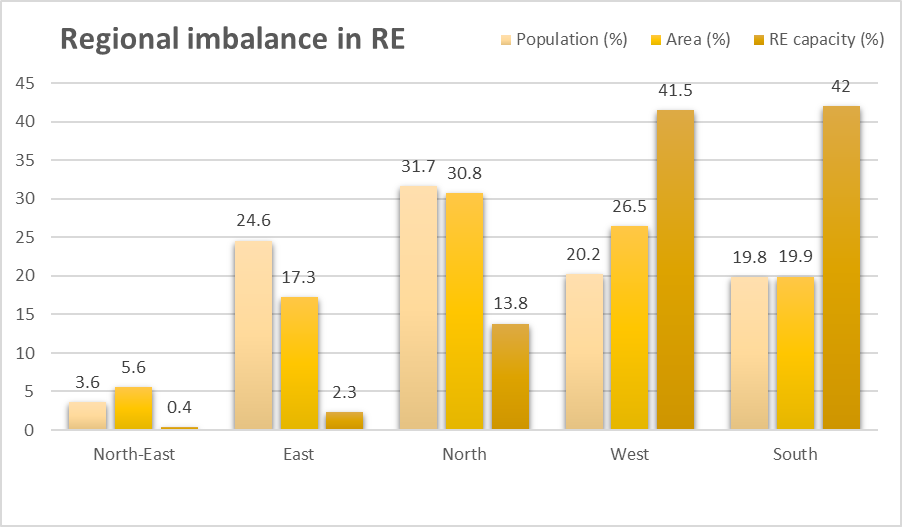
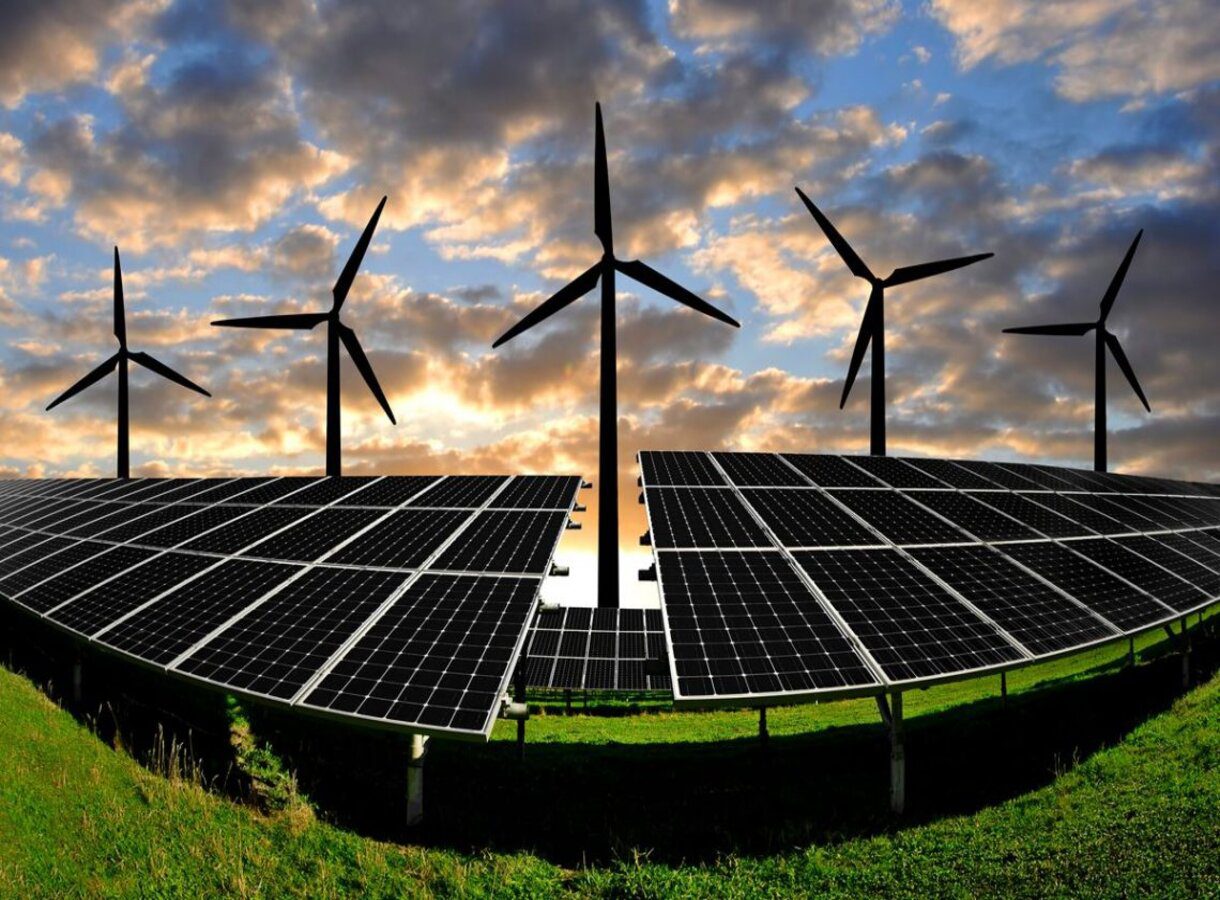
Odisha is known for coal. It is the second biggest coal-producing state, and by 2030, it will be the country’s top coal-producing state. So naturally, Odisha’s electricity production is heavily reliant on coal. Presently, more than 90% of electricity comes from coal-based power plants; renewable energy (RE) sources like solar, wind, and biomass play a minimal role.

Low Renewable Energy Potential in Odisha is a Myth That Needs to Be Discarded.

In 2016, Odisha announced a policy to promote RE in the state. The policy had a modest target of installing 2,750 megawatts (MW) of RE capacity by 2022. But, as of March, 2022, only 617 MW has been installed, which is less than 25% of the target. In comparison, during 2016-2022, the country’s RE capacity more than doubled from 46,580 MW to 109,885 MW. Today, Odisha’s share in the country’s RE capacity is just 0.55%.

But due to low RE installation, Odisha has to buy renewable power from other states to meet its mandatory renewable purchase obligations (RPOs). RPOs are an essential policy tool introduced by the central government to increase the installation of RE in the country. Under this, all states are required to meet a minimum amount of their electricity requirement through RE. Odisha’s RPO target for 2022-23 stands at 14.5%, which is set to increase to 43.33% by 2029-30. So, in 2029-30, close to 45% of electricity demand in Odisha has to be met from renewable sources. Now Odisha has a choice: buy RE from states like Rajasthan, Gujarat, and Tamil Nadu or install 30,000 MW of RE in the state to meet its 2029-30 RPO targets and simultaneously build a vibrant clean energy industry. I believe the choice is obvious: Odisha will gain immensely by installing RE within the state.

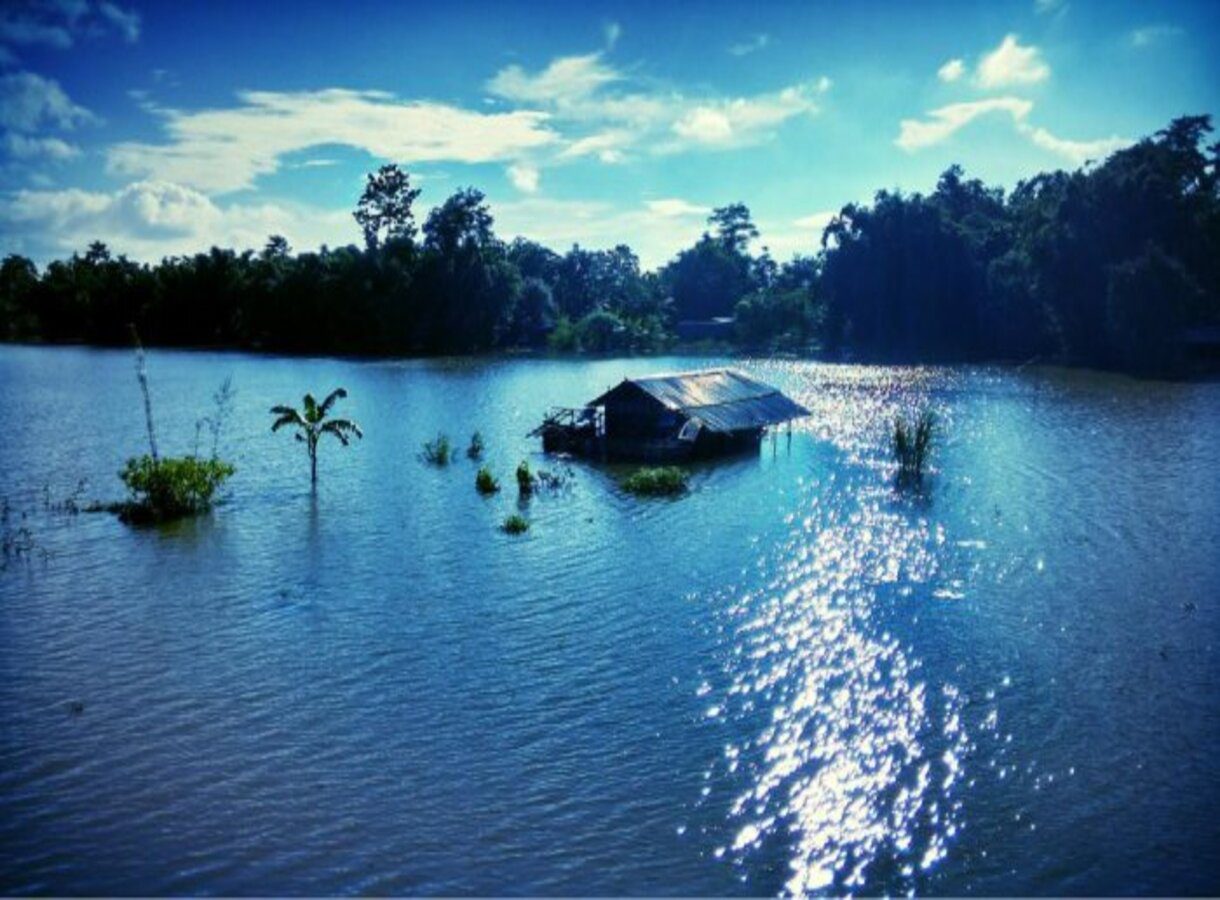
I say this because Odisha has the opportunity and obligation to promote RE. The opportunity is that the RE sector can support the next phase of green industrialisation in the state, creating new employment opportunities, as well as boosting economic activity and income in rural communities. The obligation is because Odisha has one of the highest carbon dioxide (CO2) emissions per capita. It is also one of the most climate vulnerable states, with extreme weather events like cyclones, heatwaves, floods and droughts taking a significant toll on the lives, livelihoods and the economy every year. The energy transition is, therefore, crucial for the state.

So far, investments in the state’s RE sector have remained tepid due to many institutional and commercial challenges. This needs to be addressed by the government through innovative policy measures and stronger incentives under the new RE policy, which is set to be released this year.

But before we address the policy challenges, removing a misconception that has pulled down RE development in the state is important. The misconception is that the state doesn’t have RE potential. This misconception has been created because of the poor estimation of RE potential by different agencies. For example, till today, a detailed study on the wind energy potential in Odisha, a coastal state, has not been undertaken. The solar potential has also not been estimated based on thumb rules. Our initial estimation is that Odisha’s RE potential is at least five times what is being projected by the Ministry of New and Renewable Energy (MNRE).

Take the example of solar power. According to MNRE, Odisha only has 26,000 MW of solar potential. But this estimate has ignored the significant potential of manmade water bodies (where floating solar power can be installed) and large mining wasteland. We estimate that just on water bodies and mining wasteland, 20,000 MW solar plants can be installed. Large RE capacities can also be installed in urban and rural areas through distributed renewable energy plants like rooftop solar plants. Odisha can also prioritise agro-solar farming, given the significant share of mono-cropped agriculture land and fallow land in the state. This will not only increase the state’s RE capacity, it will also enhance income levels for the rural poor. So, low RE potential in Odisha is a myth that needs to be discarded.

As far as policy challenges are concerned, there are many. The foremost is streamlining and building the state’s institutional capacity for RE promotion and adoption. Presently, Orissa Renewable Energy Development Agency, Engineer-in-Chief and Green Energy Development Corporation of Odisha Ltd. have been made nodal agencies for different RE technologies, which often leads to confusion and delays at the implementation stage. A single empowered nodal agency at the forefront of RE promotion in Odisha can help fast-track deployment through proactive measures.

The other aspect is to avoid copying the model being implemented in states like Rajasthan and Gujarat, which are installing ultra-mega solar plants on large tracts of land. Instead, Odisha’s new RE policy should focus on developing smaller plants by making farmers and landowners true partners in RE development. Technologies like agri-solar, rooftop solar, floating solar, pumped hydro stations, and green hydrogen should be prioritised. The policy should also focus on supporting and ensuring RE installations by industries with captive power plants, which also have to meet RPO targets.

At a time when the country is steadily cruising along a green technology pathway with clear targets and roadmaps for renewable energy, storage, hydrogen, electric vehicles, Odisha cannot miss the opportunity to build a new clean energy economy. Overall, Odisha should develop the new RE policy for 2022-30 in such a way that it is recognised as a serious destination for RE investments.


A coal economy to a green economy

Just energy transition’ must Shape net-zero pathways for fossil-fuel-dependent districts.

In the last 18 months, several modelling studies have been published on the costs and benefits of net zero emissions in India. A few days back, another modelling study was published, which projected that India will require an economy-wide investment of $10.1 trillion to achieve its net zero targets by 2070. But this will have significant gains, as it would boost annual GDP by 4.7% by 2036 and create 15 million new jobs by 2047. The benefits are even greater if India reaches net zero by 2050, says the study. In the words of Jayant Sinha, Member of Parliament, like previous modelling studies, this too predicts that “Net Zero is Net Positive” for India.

These reports are important at one level because they give us a macro picture of what it would entail to achieve the net zero target. They also give us the hope that we can address the climate crisis while growing our economy and creating millions of new green jobs. However, these macro-assessments do not tell us about the regional implications or the political economy of this transition. In other words, these reports have minimal relevance for planning a net zero pathway at the district or state levels.

For instance, the costs that these studies account for mainly include the investments required to build the new green industries and infrastructure—renewable energy, hydrogen, green steel, etc. They do not have the costs of closing the existing fossil-fuel based industries and infrastructure—coal mines, power plants, freight corridors, etc. However, at the district level, closing mines and plants are far more important than building the new industries, especially when there is no guarantee that these will come at the same place. In a nutshell, while macro-economic modelling has its value, today, we need studies to understand the costs, benefits and regional implications of achieving the net zero target so that we can plan and achieve a just energy transition. Let me illustrate this with the case of Angul, Odisha.

Over the last two years, my colleagues and I have been studying the coal districts of India to understand what a Just Energy Transition (JET) means and entails for these districts. We studied Ramgarh in Jharkhand, Korba in Chhattisgarh and, last week, we published our report on Angul.

The study of Ramgarh showed that the district has mostly unprofitable old mines, which will close soon. Ramgarh, therefore, needs to quickly start implementing an economic diversification plan to deal with the repercussions of the economic downturn due to the closure of mines. In Korba, India’s top coal-producing district, the reserves are getting exhausted, and most existing

mines and power plants will close between 2040-2050. So, Korba has a little more time than Ramgarh to implement a JET.

Angul, however, tells a very different story. The district produces about 100 million tonnes (MMT) of coal—about 12% of the country’s production. About 168,000 people are employed by coal mining and coal-dependent industries, and over 61% of the district’s GDP is dependent on coal. But coal production will grow three-fold in the next 10 years and peak at 300 MMT by 2033. Other coal-dependent industries, such as steel and aluminium, are also expanding. This growth is possible because Angul produces some of the cheapest coal in the country.

As per the current plans, there is no way that coal production in Angul can be phased out by 2050. If we try to reach net zero in Angul by 2050, then almost all mines will have to forego 30-60% of their reserves, and industrial assets would have to be shuttered at the peak of their economic life. So, how do we plan a net zero pathway for a district where the coal economy is growing exponentially? How do we close the mines and industries, and who will pay for this? How do we create alternative jobs for coal workers? Who will invest in the green economy? These are the questions that matter, and we need answers to these to develop a realistic just transition plan for real people.

Our study shows that it is possible to achieve net zero by 2050 in Angul, but it would require a JET plan spanning over the next three decades and billions of dollars of compensation and investments. It would require what we call the 5 Rs of Just Transition.

* Restructuring of the economy: Angul’s economy will have to diversify through investments in agriculture, forestry and service sectors. Its industries will have to move from a brown economy to a green economy through investments in renewables, hydrogen-based steel and urea, green aluminium, and a circular economy.

* Repurposing of the existing infrastructure: Repurposing mining land and industrial plants will be crucial for economic diversification. For instance, about 33,000 hectares of land in Angul are under coal mines and power plants. These can be used for solar PV, food parks, the development of fisheries and tourism sectors, etc.

Reskilling and skilling of the workforce: Large-scale skilling and reskilling programmes will have to be implemented to develop a skilled workforce for economic diversification.

* Revenue substitution: Currently, coal mines in Angul contribute over Rs 6,000 crore as royalty and cess to the state and the central government. This is projected to increase to Rs 18,000 crore by 2030. Angul’s economic diversification plan must at least substitute the revenues foregone from the coal economy.

* Responsible environmental and social investments: Angul is an economically-backward district and also a critically polluted area. Massive investments would be required for the closure and remediation of mines. Likewise, the district needs investments in social infrastructure—health, education, water, livelihoods etc., to build a sustainable economy.

Overall, Angul’s study shows that if we want to achieve the net zero target, then we must understand its implications at the district and state levels. Without this, big macro-assessments make no sense.

पर्यावरण पर कैसा है हमारा रिपोर्ट कार्ड !

पर्यावरण पर कैसा है हमारा रिपोर्ट कार्ड, जानें मौजूदा कानूनों और संस्थानों में सुधार क्यों है जरूरी |

साल 2022 पर्यावरण के लिए एक महत्वपूर्ण वर्ष है। संयोग से, आजादी के 25 साल पूरे होने के हफ्तेभर बाद, लोकसभा ने वन्यजीव (संरक्षण) विधेयक, 1972 पारित किया, जो स्वतंत्र भारत का पहला पर्यावरण कानून था। इसके अलावा, 1972 में National Committee for Environmental Planning and Coordination (NCEPC) की भी स्थापना की गई, जिसने बाद में पर्यावरण मंत्रालय की शक्ल ली। 1972 में ही स्टॉकहोम में मानव पर्यावरण पर संयुक्त राष्ट्र सम्मेलन में इंदिरा गांधी ने अपना प्रसिद्ध भाषण दिया था। उनके संबोधन में एक पंक्ति – गरीबी सबसे बड़ा प्रदूषक है – पर्यावरणविदों की एक पीढ़ी का मूलमंत्र बन गई और आज भी देश-विदेश में पर्यावरणीय मुद्दों पर इसकी चर्चा की जाती है। इस समय, जब हमें आजादी के अमृत महोत्सव के साथ-साथ संस्थागत पर्यावरणवाद की स्वर्ण जयंती मनानी चाहिए, तो यह देखना महत्वपूर्ण है कि हम कहां हैं और किस दिशा में आगे बढ़ रहे हैं।

हमने पर्यावरण के मोर्चे पर महत्वपूर्ण प्रगति की है, लेकिन हम काफी मुद्दों पर असफल भी रहे हैं। मैं तीन उल्लेखनीय सफलताओं और संबंधित बाधाओं का यहां जिक्र करूंगा, जो पिछले 50 वर्षों की पर्यावरणीय यात्रा को दिखाती हैं।

  • पहली सफलता यह है कि पर्यावरण संरक्षण की भावना आज ‘मुख्यधारा’ की भावना है। आज हर कोई पर्यावरण की रक्षा और जलवायु संकट को हल करने की आवश्यकता पर सहमत है। हाल ही में ऊर्जा मंत्री आर के सिंह ने संसद को बताया कि जलवायु परिवर्तन और उत्सर्जन कम करने के मुद्दे पर देश में एकमत है, जो विकसित देशों में भी नहीं है। आज राष्ट्रपति, प्रधानमंत्री, विपक्ष के नेता, सभी पर्यावरण और जलवायु परिवर्तन के समाधान के मुद्दे पर जोर देते हैं। इसका श्रेय सभी सरकारी और गैर-सरकारी संगठनों को जाना चाहिए, जिन्होंने पर्यावरण के प्रति जागरूकता बढ़ाने के लिए कड़ी मेहनत की है।
  • दिक्कत यह है कि भावना और अभ्यास में बहुत बड़ा अंतर है। अभ्यास बदल रहे हैं, लेकिन काफी धीरे। इसके मुख्य कारण हैं संस्थागत बाधाएं और सामाजिक जड़ता।
  • दूसरी सफलता यह है कि हमने पर्यावरण के हर पहलू से निपटने के लिए एक व्यापक कानूनी और संस्थागत ढांचा विकसित किया है, चाहे वह वन हो, वन्य जीवन हो, प्रदूषण हो या पानी और जमीन का संरक्षण हो।
  •  यहां समस्या यह है कि हमारे कानूनों और उनके कार्यान्वयन में व्यापक अंतर है। आज देश में कानून को आसानी से तोड़ा जाता है। फैक्ट्रियां प्रदूषित पानी और गैस बिना डर के पर्यावरण में उत्सर्जित करती हैं। म्यूनिसिपैलिटी कचरे का समाधान कानून के तहत नहीं कर रही है और लोग भी अपना कानूनी दायित्व नहीं निभा रहे। इसका मुख्य कारण खराब तरीके से बनाए गए कानून और कमजोर संस्थान हैं।
  • तीसरी सफलता सबसे महत्वपूर्ण है और इस तथ्य पर गर्व भी किया जा सकता है कि हम अपने वन क्षेत्र को बढ़ाने और वन्य जीवों की रक्षा करने में काफी हद तक सफल रहे हैं। आज हमारे देश में जंगलों का क्षेत्रफल 50 साल में सबसे अधिक है। इसी तरह बाघों की संख्या भी आजादी के बाद सबसे अधिक है। असल में, आज भारत इकलौता ऐसा देश है जो बाघों को बचाने में सफल रहा है।
  • लेकिन यही चीज हम अपने शहर, गांव, कृषि क्षेत्र, नदियों और समंदर के बारे में नहीं कह सकते। वायु प्रदूषण में तो हमें विश्व का सबसे प्रदूषित देश माना जाता है। इसी तरह नदियों की भी हालत काफी खराब है। इनके तीन कारण हैं- बढ़ती आबादी, लगातार बढ़ती खपत और सिकुड़ते प्राकृतिक संसाधन। पिछले 50 वर्षों में, हमारी जनसंख्या में डेढ़ गुना (80 करोड़) और जीडीपी में 13.5 गुना वृद्धि हुई है। दूसरी ओर, हमारी प्रति व्यक्ति कृषि योग्य भूमि और मीठे पानी के संसाधन 60% तक सिकुड़ गए। हमारे उत्पादन और उपभोग प्रणालियों में मूलभूत परिवर्तन के बिना, भूमि, वायु और जल की क्षति जारी रहेगी, जिसके स्वास्थ्य और अर्थव्यवस्था के लिए गंभीर परिणाम होंगे।

संक्षेप में कहें तो पिछले 50 वर्षों का अनुभव हमें आधे-अधूरे प्रयासों और टुकड़ों-टुकड़ों के समाधान से बचना सिखाता है। यह आज और भी महत्वपूर्ण है क्योंकि हमारी चुनौतियां कहीं अधिक जटिल और अस्तित्वपरक हैं। हमें न केवल पारंपरिक मुद्दों (भूमि, जल और वायु) से निपटना है, बल्कि जलवायु संकट की चुनौती का भी सामना करना है। इस दोहरी चुनौती को हल करने के लिए पर्यावरण शासन के एक नए प्रतिमान की आवश्यकता है तो मैं इसके लिए अजेंडा प्रस्तावित करता हूं।

  • सबसे पहले हमें मौजूदा कानूनों और संस्थानों में सुधार करना चाहिए और उन्हें भविष्य के लिए तैयार करना चाहिए। सभी प्रमुख पर्यावरण कानून 70 और 80 के दशक में बनाए गए थे। जलवायु संकट के आलोक में उनकी समीक्षा की जरूरत है।
  •  दूसरा, हमें जंगलों और वन्यजीवों की सुरक्षा को और भी मजबूत करने की जरूरत है। वर्तमान में, भारत का केवल 5% ही संरक्षित है। हमें सभी इकोसिस्टम को बचाने की जरूरत है – जंगलों, घास के मैदानों, महासागरों, नदियों और रेगिस्तानों की रक्षा करके संरक्षित क्षेत्र को बढ़ाने की जरूरत है।
  •  तीसरा, हमें स्थानीय प्रशासन को मजबूत करना चाहिए और जमीनी स्तर के समाधानों को बढ़ावा देना चाहिए।
  •  चौथा, हमारे पास अक्षय ऊर्जा, सर्कुलर अर्थव्यवस्था और प्रकृति-आधारित समाधानों के आधार पर सबसे उन्नत अर्थव्यवस्था बनाने का अवसर है। इससे रोजगार सृजित होंगे, पर्यावरण की रक्षा होगी और जलवायु संकट को कम करने में मदद मिलेगी।

अंत में, हमें जमीनी स्तर पर कार्रवाई के लिए सामाजिक आंदोलनों की आवश्यकता है। इतिहास बताता है कि बड़े सामाजिक लक्ष्यों को प्राप्त करने के लिए एक जन आंदोलन आवश्यक होता है। हम व्यक्तिगत जिम्मेदारी और सामूहिक जिम्मेदारी के बिना 21वीं सदी की पर्यावरणीय चुनौतियों का सामना नहीं कर सकते।

No piecemeal solutions, please!

The year 2022 is important. It not only marks the 75th anniversary of India’s independence, but it also marks the 50 years of institutional environmentalism in India. Coincidently, a week after we celebrated 25 years of Independence, the Lok Sabha Sabhapassed the Wildlife (Protection) Bill, 1972, making it the fi rst environmentallegislation in Independent India.

The sentiment for environmental protection is now ‘mainstreamed’

Moreover, in 1972, the National Committee for Environmental Planning and Coordination(NCEPC), the predecessor of the environment ministry, was also established. And it was in1972 that Indira Gandhi gave her famous speech at the United Nations Conference on theHuman Environment in Stockholm. A line in her address – poverty is the greatest polluter –became the leitmotif of a generation of environmentalists and continues to dominate theenvironmental discourse in the country. At this juncture, when we should be celebrating thegolden jubilee of institutional environmentalism alongside the Azadi Ka Amrit Mahotsav, itis important to look back and see where we are and in which direction we are moving.

To start with, we have made signifi cant progress on the environmental front, but we havealso had serious setbacks. I will list three notable successes and corresponding roadblocksthat typify the journey of the last 50 years.

First, the sentiment for environmental protection is now ‘mainstreamed’. Today everyoneagrees about the need to protect the environment and solve the climate crisis. But the intentis not translating into sustainable practices due to the lack of capacity, institutionalroadblocks and social inertia.

Second, we have developed a comprehensive legal and institutional framework to deal withevery aspect of the environment – forest, wildlife, pollution, waste management, andresource conservation. But there is a wide gap between the laws and their implementationdue to the top-down approach and weak institutions.

Third, we can take pride in the fact that we have been able to increase our forest cover andprotect wildlife to a large extent. However, the same cannot be said about the humanenvironment. Our cities, villages, farmlands, waterbodies, and airshed are all undertremendous stress due to growing population, ever-increasing consumption, and ashrinking natural resource endowment.

In the last 50 years, our population has increased by 2.5 times (by 80 crores) and GDP by 13.5times. On the other hand, our per capita arable land and freshwater resources have shrunkby 60%. Without fundamental changes in our production and consumption systems, thedegradation of land, air and water would continue, with severe consequences on health andthe economy.

In a nutshell, the experience of the past fi ve decades teaches us to avoid half-hearted effortsand piecemeal solutions. This is even more important today because our challenges are farmore complex and existential. We not only have to deal with traditional issues (land, waterand air) but also the climate crisis. Solving this dual challenge requires a new paradigm ofenvironmental governance. So let me propose a fi ve-point agenda for the same.

First, we must revamp existing laws and institutions and make them future-ready. All themajor environmental legislations were enacted in the 1970s and 1980s, and they need aserious relook in the light of the climate crisis.

Second, we need to build on our success in protecting the wilderness by increasingprotected areas by giving greater stake to the local communities. Currently, only about 5%of India is protected. This number needs to increase by protecting all ecosystems— forests,grasslands, oceans, rivers, and deserts.

Third, we should strengthen local government and promote bottom-up solutions.
Fourth, we have the opportunity to build the most advanced economy based on renewables, circular economy and nature-based solutions. This will create job, protect the environment and help mitigate the climate crisis.

Lastly, we need social movements for grassroots action. History shows that a massmovement is essential to achieve larger societal goals. We cannot meet the environmentalchallenges of the 21st century without individual responsibility and collective efforts.

Plastic ban: The problem is not plastic, it’s single-use

Multi-use products, not the material they are made of, are the key

The nationwide ban on single-use plastic products (SUPs) that started yesterday comes on the heels of a two-decade-long effort. The first attempt was made in 1999 with the ban on thin polythene bags. Since then, three national and numerous state laws have been enacted to phase out SUPs. While every ban has been more stringent than the previous one, the result is that in the last 23 years, we have been unable to eliminate even one SUP product, including the thin polythene bag.

So, why haven’t bans worked? The reason is not poor enforcement. There are fundamental technical and socio-economic reasons.

  • First, the lack of alternatives in the market. SUPs are widely used because they are cheap and convenient. The market will shift completely if similar affordable and convenient options are available.
  • Second, this shift is not easy. Currently, SUPs account for about one-third of the plastic consumed in the country. In other words, 6-7 million tonnes of SUPs are consumed annually, placing it among the top industrial materials consumed in terms of volume. The market, therefore, requires alternatives to replace 6-7 million tonnes of materials. Unfortunately, SUP substitutes in such volumes are unavailable, mainly because the government has failed to promote the alternative industry.
  • Third, there’s the issue of providing alternative opportunities to millions of workers involved in producing SUPs in thousands of factories. In the past, no attempts were made to rehabilitate them; we simply made their business illegal. The result was that the industry bribed officials and continued producing and selling SUPs.
  • Fourth, as a result of all these, the market is unprepared for the ban, and consumers are not ready to sacrifice convenience. Most market surveys show that SUPs are widely sold, and alternatives are expensive or unavailable.

Therefore, the same fate awaits this nationwide ban as well. No plan has been put in place to support the industry, especially the MSME sector, to move to alternatives.

So, what kind of alternatives are we looking at? There are the fundamental questions we have not thought through.

  • Is kulhad (clay cups) a substitute for single-use plastic cups?
  • Should we encourage industries to produce single-use paper bags to replace thin polythene bags, or should we promote multi-use textile bags?
  • Are biodegradable plastics better than plastics currently available in the market?

The fact is that simply banning SUPs and switching to single-use products made of other materials is not the solution. Most life cycle analysis (LCA) of SUPs and their substitutes shows that the most significant environmental problems are due to the single-use nature of the products, not the material.

Here are some illustrations of this point.

  • LCA shows that a paper shopping bag must be used four to eight times to have a lower environmental impact than one single-use plastic bag.
  • Single-use kulhad cannot be a substitute for billions of plastic cups used every day for serving tea, simply because it would strip our soil bare.
  • Replacing SUPs with biodegradable SUPs will not eliminate the problem of microplastics that are now poisoning our food chain and are even being found in our bloodstream.

Therefore, the solution to SUPs is to create an industry that turns ‘single-use’ products into ‘multi-use’ and creates a circular economy. How do we get there?

  • Both manufacturing and service industries must promote and supply ‘multi-use’ products to all kinds of consumers – from street vendors to airline industry.
  • That means investments, R&D and policy support from governments.

None of this has happened because there’s a basic policy failure: All environmental policies are an intervention in the economy. The ultimate goal of all environmental policies is to create a new economy that is clean and green.
Therefore, a policy of the environment ministry must be complemented by an economic and industrial policy from the finance and industry-related ministries. Without this, the environmental policy is bound to fail, as has been the case with all past SUPs bans and will be with this one, too.

‘Made in India’ green rankings: India needs its own benchmark to track progress made on the environmental front

This article originally appeared in Financial Express

GoI must support an independent benchmarking scheme to evaluate our environmental performance and track progress.

Much debate has happened on the recently released Environmental Performance Index (EPI), in which India was ranked the worst country in the world. The Government of India (GoI) has rejected the ranking and called it “unscientific”. Many environmental researchers, including myself, have also questioned the methodology. In response, the report’s principal investigator has reportedly made the specious statement that “EPI does not aim to blame countries; rather, we seek to help them improve their environmental performance”. However, in the report, the EPI team has called low-ranking countries “laggards” and high-ranking countries “leaders”. Moreover, the EPI team has not responded to the questions raised on their methodology.

The EPI assessment, done by Yale and Columbia University, ranked 180 countries on 40 indicators related to climate change, air and water quality, ecosystem and biodiversity. The best countries on EPI are Denmark, the United Kingdom, Finland, Malta and Sweden. The worst countries are in Asia and Africa. China was ranked 160th, Nigeria 162nd, Indonesia 164th, and India 180th.

The first thing to note is that this ranking has gone unnoticed in large parts of the world. China has not even murmured a word, and the media in other Asian countries and Africa has largely ignored it. Only in India has this ranking featured in prime-time shows and on the front page of newspapers. This is because we have an obsession with global recognition, especially recognition from the western world.

We rejoice when anyone remotely connected with us attains some social stature or recognition in the US or Europe. We celebrate when an institution from the developed world ranks us higher on some indices. And, we cry foul if we are rated poorly. This fixation reflects the deep-rooted insecurity we have about our place in the world. We want a ‘selective’ part of the world, especially those who colonized and dominated us, to recognize us as a global leader. But we forget that these countries will not yield an inch if it affects their interests and relative power position. They will impose their ideas and worldview to keep their dominance. Unfortunately, many of the academic institutions and research organizations also exhibit such attitude. The EPI ranking is a classic example of this.

There are two major problems with the EPI. First, it is pushing a worldview that suits the developed world, and second, its methodology is highly flawed.

Let’s start with the methodology. It is important to understand that a ranking is an inherently subjective exercise. But a good ranking first tries to reduce subjectivity and then achieve a wider consensus on the remaining subjective aspects. The EPI ranking has not done this. Their choice of indicators, weightages and even the ranking method have problems.

Take the case of climate change. EPI has ranked climate change performance on nine indicators and assigned 38% weightage to them. Seven of the nine indicators measure the growth rate of various greenhouse gas (GHG) emissions, one is on projected GHG emissions in 2050, and the last is on per capita emissions.

First of all, the choice of indicators is questionable. By selecting seven growth-rate-related indicators, EPI has pushed developing countries to the bottom of the table. This is because developing countries are starting from a low base and will have higher growth rates. Similarly, the weightages are also lop-sided. Of the 38% weightage, EPI has just given 1% to per capita emissions. This is advantageous to the developed world, as they have very high per capita emissions.

The scoring methodology is even more problematic because it has not normalized indicators while comparing countries. Take the case of tree cover loss (TCL). The EPI has ranked Eritrea as the best country on TCL because it has not lost any forest in the last 5 years. This seems fair. But the total dense forest area in Eritrea is just 43 hectares — 0.00036% of its land area. Even Lutyens’ Delhi has more green cover than this country. But EPI has compared India with millions of hectares of dense forest with Eritrea, without normalization. It is like comparing apples with oranges.

But this flawed methodology is not because Yale and Columbia’s researchers do not know how to normalize indicators or assign balanced weightage. It is because they are pushing a worldview in which the western economic standing and lifestyle are not compromised. They, therefore, have downplayed all consumption and waste-related indicators. As the table below shows, the top countries in EPI are huge consumers of resources and generators of waste and emissions compared to countries like India.

Therefore, instead of being fixated by selective recognitions, we should critically evaluate these ratings and not consider them as gospel of truth. However, that does not mean that we ignore our environmental problems, or discount the merit of scientific assessments.

India has huge environmental problems, from water and air pollution to land degradation, biodiversity loss and climate change. These problems will exacerbate if we do not take timely action. But we also need our own benchmarks to track progress made on environmental front. Therefore, the GoI must support an independent benchmarking scheme to evaluate our environmental performance and track progress. We have enough institutions and researchers to develop and execute such a ranking.


The risk of playing god in fighting climate change

New disasters can happen if countries decide to unilaterally try technological fixes to global Warming.

With record-breaking heatwaves hitting many parts of the world over the last few months, scientific circles have been hotly debating whether countries should prepare to deploy geoengineering technologies to deal with such climate emergencies. Should these technologies be deployed by an international body or by individual countries?

Geoengineering is an umbrella term for various experimental technologies designed to deliberately alter the climate system to reduce the impacts of global warming. They are slowly but steadily gaining salience and broadly fall under two categories: Solar Radiation modification (SRM) and Carbon Dioxide Removal (CDR) technologies.

How would these technologies cool the planet?

As the name suggests, CDR is about removing carbon from the atmosphere, either by massive deployment of machines to extract CO 2 from the air or by more natural methods like planting trees. On the other hand, SRM technologies, which are attracting the most attention, aim to reduce the amount of solar radiation reaching Earth by reflecting sunlight back into space, thereby reducing surface temperatures. Scientists are proposing to do this by a variety of techniques such as making clouds brighter, thereby reflecting sunlight like a mirror. Or by thinning/ removing the ‘cirrus clouds’ that absorb solar radiations and warm the earth.

Cloud engineering is not new. Countries have been seeding clouds to force more rainfall for years. China has been implementing an extensive cloud seeding programme, with plans to cover more than half of the country by 2025. In India, cloud seeding has been tried in states such as Tamil Nadu, Karnataka and Maharashtra during droughts.

These practices have encouraged scientists to propose cloud engineering of the planet to reduce warming. But these geoengineering technologies are at an ideation stage; the one that has reached the experimentation stage is Stratospheric Aerosol Injection (SAI).

SAI aims to mimic large volcanic eruptions that have a cooling effect on the globe. During large eruptions, millions of tonnes of sulphur particles (called aerosols) are injected into the upper atmosphere, where they reflect back the incoming solar radiations, thereby cooling the planet. For example, the eruption of Mount Pinatubo in the Philippines in 1991 caused global cooling of 0.6.C for the following two years. Scientists are now proposing to send aeroplanes and balloons to the stratosphere to release millions of tonnes of
aerosols to mimic a smaller version of Mount Pinatubo.

Several modelling studies indicate that SAI might reduce some of the worst effects of climate change, such as lowering warming and reducing the frequency of heatwaves and high- intensity storms. Also, the price is so affordable that a few dozen countries can easily deploy this technology unilaterally. But there are risks.

What are the dangers of their use?

SAI’s unintended consequences could include an adverse impact on rainfall, crop production and ocean acidification. Large-scale spraying of aerosols into the atmosphere could also deplete the ozone layer, enlarging the ozone hole. Another big risk is that when the aerosol injection is terminated abruptly this will cause rapid warming, disrupting the water cycle and leading to massive biodiversity loss. Lastly, the impacts will not be limited to national borders. Unilateral use of SAI could lead to significant adverse effects in other
countries, leading to conflicts.

Because of these risks, there is massive opposition to advancing research on SAI. It is also feared that such research would move the focus away from cutting emissions, which is the best way to solve the climate crisis. None of this has deterred countries from investing in the research. Premier universities such as Cambridge and Harvard have set up specialised geoengineering research centres. Research is also picking up in the global South. There are a few geoengineering modelling programmes in India as well.

But a lot more research is required to understand the regional impacts of SAI in our part of the world. In fact, India should take the lead from the global South in developing scientific knowledge on the subject. Similarly, India will have a major role in framing global governance around the use of geoengineering technologies. These technologies have global ramifications and must be governed by an international rules-based system.

While geoengineering is highly risky, countries will deploy it if they fear largescale casualties or economic disruptions due to extreme climatic events. In fact, considering the current trajectory of Earth’s warming, countries will have to make these choices within a decade or two. Therefore, enough research must be done about the safety and effectiveness of these technologies. Likewise, a global governance mechanism must be established to deter the unilateral deployment of these technologies. In the end, it is better to be prepared for the consequences than to be blindsided by a lack of knowledge.

क्या चारधाम यात्रा में भीड़ घटाई जानी चाहिए

पिछले कुछ दिनों में सोशल मीडिया पर और खबरों में केदारनाथ में फैले प्लास्टिक प्रदूषण की काफी चर्चा हुई। जो तस्वीरें आईं, उनसे लगता है कि केदारनाथ जाने वाले श्रद्धालुओं ने काफी मात्रा में प्लास्टिक की बोतलें और चीजें वहां फेंकीं। सोनप्रयाग में कार पार्किंग की एक फोटो वायरल हुई, जहां केदारनाथ और बद्रीनाथ जाने वाले श्रद्धालुओं की हजारों गाड़ियां लगी थीं। ऐसी पार्किंग आपको दिल्ली-मुंबई में भी जल्दी देखने को नहीं मिलेगी। खबरों में सोनप्रयाग का ट्रैफिक जाम भी है, महज एक किलोमीटर चलने में लोगों को घंटों लग रहे हैं। इसके चलते केदारनाथ-बद्रीनाथ के सबसे नजदीक के शहर में वायु प्रदूषण भी बढ़ा हुआ है।

नुकसान पहुंचाती भीड़
चारधाम यात्रा की यह स्थिति बहुत चिंताजनक है। पर्यावरणविदों और वैज्ञानिकों का मानना है कि धार्मिक स्थलों पर जितनी तेजी से श्रद्धालुओं की भीड़ बढ़ रही है, वह अनसस्टेनेबल है। तो आज यह चर्चा जरूरी है कि ऐसी जगहों पर बने धार्मिक स्थलों पर कितने लोग जा सकते हैं। कैसे लोगों के जाने को कंट्रोल किया जाए, और वह संख्या क्या होगी? आज केदारनाथ में रोजाना कोई 12 से 13 हजार श्रद्धालु जाते हैं। इस संख्या को हम कितना कम कर सकते हैं?

चर्चा को आगे बढ़ाने से पहले इसके बैकग्राउंड पर एक नजर डाल लेना बेहतर होगा। जो बहुत ही सेंसिटिव जगहें हैं, जैसे कि अमरनाथ, केदारनाथ या फिर गंगोत्री-यमुनोत्री, उनका पर्यावरण बदल रहा है। सिर्फ अमरनाथ को लें तो पिछले कुछ सालों में हमने देखा है कि ग्लोबल वॉर्मिंग और श्रद्धालुओं की भीड़ के कारण मंदिर के आसपास के ग्लेशियर काफी प्रभावित हो रहे हैं। इसके चलते अमरनाथ गुफा में मौजूद प्रतिष्ठित शिवलिंग का आकार लगातार कम होता जा रहा है। कई बार तो यात्रा समाप्त होने के पहले ही वह पूरी तरह से पिघल जाता है। ऐसा पिछले दस सालों से देखा जा रहा है। हालात ऐसे ही बने रहते हैं तो कुछ दशकों में ऐसा होगा कि श्रद्धालु वहां जाएंगे तो जरूर, लेकिन प्रार्थना करने के लिए वहां शिवलिंग नहीं होगा।

यह बहुत ही अच्छा उदाहरण है यह बताने के लिए कि हमारे धार्मिक स्थलों पर श्रद्धालुओं की संख्या और ग्लोबल वॉर्मिंग का कैसा प्रभाव पड़ रहा है। ग्लोबल वॉर्मिंग तो ग्लोबल इश्यू है, पूरी दुनिया को इस पर काम करने की जरूरत है। लेकिन हम अपने धार्मिक स्थलों पर पर्यावरण और श्रद्धालुओं की संख्या नियंत्रित करके उन्हें बचा सकते हैं। वहां जिस तरह से कंक्रीट की इमारतें बना रहे हैं, यह एक बहुत ही सेंसिटिव इको सिस्टम से खिलवाड़ करने वाली बात है। सोनप्रयाग वाली पार्किंग मंदाकिनी नदी के तट पर बनी है। आपको याद होगा कि केदारनाथ में 2013 में किस तरह से भीषण बाढ़ आई थी, जिसमें हजारों लोगों की मौत हुई थी। कल को अगर मंदाकिनी में बाढ़ आती है तो वहां जितनी कार पार्किंग है, सब ध्वस्त हो जाएंगी, यह निश्चित है।

श्रद्धालुओं की संख्या की सीमा जानने के लिए कैरींग कपैसिटी स्टडी होती है। जैसे हर इंसान की एक कैरींग कपैसिटी होती है, वैसे ही हर जगह की भी होती है।

यह क्षमता निर्भर करती है इस बात पर कि उस जगह में पानी कितना है, हवा कैसी है, तापमान कैसा है, उस चैनल में जंगल कैसे हैं, जमीन कैसी है। कश्मीर यूनिवर्सिटी के भूगोल विभाग ने अमरनाथ की पूरी लेंटर घाटी की कैरींग कपैसिटी की स्टडी की। उसमें उन्होंने देखा था कि पानी कितना है, जो इंसान जाएगा, उसके मल-मूत्र का डिस्पोजल कैसे हो सकता है। कितने प्लास्टिक और कूड़े का मैनेजमेंट हो सकता है। उन्होंने पाया कि रोजाना चार से साढ़े चार हजार यात्री अमरनाथ जा सकते हैं। इस साल की अमरनाथ यात्रा के लिए बीस हजार से अधिक लोगों ने रजिस्ट्रेशन करा लिया है। अक्सर यह संख्या लाखों में पहुंचती है। अब अगर हमें चारधाम बचाने हैं तो वहां पर यात्रियों की संख्या तुरंत एक तिहाई से भी कम करनी होगी।

कोई सवाल कर सकता है कि ऐसे तो आप लोगों के धार्मिक स्वतंत्रता के अधिकारों का उल्लंघन कर रहे हैं। दूसरा सवाल यह होगा कि अगर संख्या कम करेंगे तो अमीर जाएंगे और गरीब नहीं जा पाएगा। लेकिन इसके लिए उपाय हैं। पहली बात यह है कि चार धाम में आज भी संख्या नियंत्रित की जाती है। वहां के लिए आपको रजिस्ट्रेशन कराना होता है। अमरनाथ में दस से बारह हजार, केदारनाथ-बद्रीनाथ में कोई सोलह हजार तो यमुनोत्री और हेमकुंड साहिब में कुल पांच हजार लोग रोजाना जा सकते हैं। सरकार आज भी नंबर कंट्रोल करती है। पर बात यह है कि जितने लोगों की आज अनुमति है, वह संख्या अनसस्टेनेबल है। इस संख्या से भी यहां का पर्यावरण बहुत तेजी से खराब होगा।

दूसरा सवाल अमीर-गरीब का है तो गरीबों के लिए हम यह कर सकते हैं कि वहां का आधा कोटा आर्थिक रूप से कमजोर वर्ग के लिए हो, और बाकी का आधा पैसे वालों के लिए हो। अमीर लोग अगर अमरनाथ, केदारनाथ, यमुनोत्री या गंगोत्री के दर्शन करना चाहते हैं, तो ज्यादा पैसा दें। उस पैसे से आर्थिक रूप से कमजोर वर्ग को वहां पर सब्सिडी दी जा सकती है। यह कोई नई पॉलिसी नहीं है। यह हमारी इकॉनमिक पॉलिसी है। आज भी अमीर ज्यादा टैक्स देता है, गरीब कम देता है। आज के दिन भी गरीब को पैसे बैंक में ट्रांसफर किए जाते हैं चाहे वह किसी तरह की सब्सिडी का पैसा हो या किसी अन्य कल्याणकारी योजना का।

भूटान से सीखें
दुनिया भर के देशों की पर्यटन पॉलिसी में इस तरह की चीजें आ रही हैं। हमारा पड़ोसी देश भूटान इसका अच्छा उदाहरण है। भूटान में अंदर जाने के लिए पंद्रह से बीस हजार रुपये सस्टेनेबल डिवेलपमेंट के लिए देने होते हैं। भूटान ऐसे अपना पर्यावरण बचा रहा है। हमें भूटान से सीखने की जरूरत है, हम उससे बेहतर कर सकते हैं। हम भी संख्या कंट्रोल करें, सस्टेनेबल डिवेलपमेंट के लिए फीस लें, और वहां का पर्यावरण बचाएं, तभी चारधाम सही मायने में चारधाम रहेगा। नहीं तो बस कुछ ही सालों की बात है, सब खराब हो जाएगा।

Question of faith : Leverage power of religion to drive a unity of purpose to protect the planet

Faith-based organisations can be strategic actors in supporting environmental action. The climate crisis demands collaboration between countries and communities

We Indians love to speak about our religious and cultural heritage of protecting the environment. And, we do have a vast heritage to boast about. Our sacred texts are full of messages for protecting and conserving the environment.

But are contemporary religious leaders and faith-based organisations (FBOs) promoting environmental protection? How are religious leaders and FBOs responding to crises like global warming and species extinction? How are they informing and engaging their followers on these issues? Last year, my colleagues and I started investigating these questions along the Ganga basin. We wanted to know about the involvement of FBOs on issues such as pollution of the Ganga, waste management, and climate crisis.

We interviewed leaders from all faiths and surveyed about 150 temples, mosques, churches, gurudwaras, and ashrams. We also interacted with close to 40 NGOs, trusts, and associations with religious affiliations. The survey was done in seven cities of the Ganga basin in Uttar Pradesh and Uttarakhand—Rudraprayag, Rishikesh, Haridwar, Kanpur, Lucknow Prayagraj, and Varanasi. But before I discuss the findings, a disclaimer is warranted: This is not an all-India survey, and the findings should not be interpreted as such. A similar study might throw significantly different results in other parts of the country. But, considering that the Ganga is regarded as one of the most sacred rivers, the perception of religious leaders of the Ganga basin provides insights into engaging religious organisations on environmental issues.

So, what did we find? Firstly (and surprisingly), there is near unanimity in how religious leaders view the environment. Leaders of all faiths viewed it mainly in terms of cleanliness and greenery. For them, protecting the environment essentially meant keeping the surroundings clean and planting trees. They could not relate to issues such as air pollution, biodiversity loss, or even river pollution. In fact, we found a glaring lack of awareness on most environmental issues. For example, many religious leaders did not view the throwing of religious offerings into Ganga as a polluting activity.

Second, there is minimal involvement of FBOs in environmental protection. Less than 10% of the respondents reported some level of engagement. These are typically the big religious organisations with a strong institutional base and funding support. However, their focus is limited to tree plantation, organic farming and composting, and, in some cases, water management and minimisation of waste. Only 6% of FBOs were doing some work to protect the Ganga, with most of them being engaged in cleaning the ghats.

One of the key reasons these actors are not engaging in environmental issues is that they do not view it as part of their mission. Instead, they think it is the government’s job. They, therefore, couldn’t visualise any significant role for themselves in environmental protection.

Third, and most worryingly, very few were aware of the climate crisis and its causes. And the few who understood global warming defined it as “an act of God”, “end of the world”, and “human sin”. They were pessimistic about the ability of people to solve this crisis.

However, what is encouraging is that when explained, they were not dismissive of the need of the religious leaders to engage in environmental issues. They also agreed that a mass engagement is necessary, and they can play a role in such mobilisation. But they demanded capacity-building support and resources.

So, should we rope in religious actors and leverage their influence to build engagement of the masses on environmental issues? If yes, then how? It is undeniable that we live in a religious world, and faith is a powerful driver in shaping the behaviour of a large majority of the world’s population. As the world becomes more uncertain due to climate crisis, pandemics, and resource conflict, people will lean more on faith for succour. Therefore, the influence of religious leaders and FBOs will further increase in the future.

For this reason, FBOs should be viewed as strategic actors to propagate the value of environmental protection and conservation. They can influence vast numbers of people, which is amply demonstrated by the likes of Jaggi Vasudev. In the last few years, he reached out to a far greater number of people on environmental issues such as river rejuvenation, tree plantation and soil health than all environmental organisations put together. While one can question Sadhguru’s approach and solutions (and some of his antics), one should not ignore his reach and appeal.

We must, therefore, deliberately engage with religious and spiritual leaders and organisations by devising a comprehensive programme to increase their capacity on environmental issues. This could include inter-faith interactions, demonstration of eco-friendly technologies at religious sites, and knowledge workshops. But most importantly, they must be supported and encouraged to mainstream environmentally-responsible values and behaviour in the devotees.

While religion has shaped human history primarily by dividing people, the climate crisis now demands unprecedented collaboration between countries and communities. For this, we will have to leverage the power of religion to drive a unity of purpose to protect the planet.

Coal consumption in India : We are already late on fair green transition

There is no contradiction between increasing coal consumption in India and implementing a just transition in the coal districts and states.

On March 28, 2022, an extremely important and unstarred question was asked by Priyanka Chaturvedi, member, Rajya Sabha, which was replied to by Pralhad Joshi, Union minister of coal. It is at the heart of the energy transition debate in India. The question is whether India should start planning and implementing a just energy transition now or wait until coal consumption starts declining? It is a fundamental question, and I will quote it verbatim:

Priyanka Chaturvedi: Will the Minister of Coal be pleased to state:

(a) whether Government has prepared any roadmap for districts having a coal-centric economy such as Korba, etc. in light of country’s commitment towards energy transition?

(b) whether in such districts (coal-centric economy) closure of mines and industries will have severe socio-economic consequences, major being unemployment for the unskilled workers?

(c) whether Government has initiated any scalable steps to reduce the dependency of other economic sectors such as agriculture, forestry, manufacturing and service for their growth in these districts? and (d) if so, the details thereof?

Pralhad Joshi: (a) & (b): In India, energy transition away from coal is not happening in foreseeable future. Although there will be push for renewable/non-fossil-based energy, but share of coal in the energy basket is going to remain significant in years ahead. Coal demand in the country is yet to peak. The draft Economic Survey 2021-22 projects coal demand in the range of 1.3-1.5 billion tonnes by 2030, an increase of 63 per cent from the current demand. Thus, as of now there is no scenario of energy transition away from coal affecting any stakeholders involved in coal mining. (c) & (d): Does not arise in view of above. 

The minister’s reply was correct that India’s coal demand is growing, and will continue to grow, at least in this decade. But his response that the energy transition in the country is not affecting any stakeholders involved in coal mining needs further examination.

There should be no doubt that an energy transition, propelled mainly by the Centre’s ambitious renewable energy targets, is underway in the country. These targets have real implications for coal consumption. For example, if the latest targets—installing 500 GW of non-fossil energy capacity and meeting 50% of the country’s electricity requirement from renewables—materialises, then coal consumption in the power sector will peak by 2030 and significantly decline over the next two decades. Modelling studies show that India’s electricity sector can be coal-free by 2050, with little impact on growth or jobs.

But it is important to understand that the need to develop a just transition roadmap for coal-dependent districts and states is tied not just to the national coal demand scenario. It is, in fact, more related to the sub-national situation, as the reality of coal mining in states and districts differs from the national picture. In other words, while coal will continue to meet a significant, but declining, proportion of India’s energy demand in the next two-three decades, in many districts of the country, most coal mines will close much earlier, leading to socio-economic disruptions. This will happen due to two reasons. First, a majority of coal mines in the country are loss-making and on the verge of closure. While these loss-making mines are spread across India, most of them are concentrated in Jharkhand, Chhattisgarh and West Bengal. In Jharkhand, for example, of the 146 mines run by the Central Coalfields Limited (CCL) and Bharat Coking Coal Limited (BCCL), 103 mines are loss-making.

Overall, 75% of Coal India Limited’s (CIL) production and almost all profits come from just 35 large mines; the remaining mines are low-producing and largely unprofitable. These loss-making mines collectively produce less than 10% coal, employ 40-45% of the workforce, and incurred an aggregated loss of Rs 16,000 crores in 2018-19—about the same as the company’s annual net profit. Going ahead, CIL plans to reach 1 billion tonnes of coal production primarily from “50-odd high-yielding mining projects” and close unprofitable mines. This potentially means shutting down 300-odd mines. But all these mines need to be closed with proper closure and socio-economic transition plans. In other words, just transition plans need to be developed urgently for all these loss-making mines and regions to ensure that hundreds of thousands of formal and informal workers and millions of people dependent on these mines are provided timely alternatives.

Second, coal reserves are also getting exhausted in big coal-producing districts. Take the case of Korba, India’s largest coal-producing district. Nearly 95% of Korba’s coal comes from just three large open cast mines, which will exhaust its resources by 2040-45. The rest of the mines are already on the verge of closure. So, in the next 20 years, Korba, which is entirely dependent on coal for jobs and growth, will have to look for alternatives. But Korba is not unique; similar situations exist in many other coal districts. These mining districts will need a just transition plan to avoid sudden economic disruption and social upheaval.

So, there is no contradiction between increasing coal consumption till 2030 and implementing a just transition plan in the coal districts and states. In fact, we are already late in the process. Experiences around the world show that a planned energy transition takes time. For example, Germany’s Ruhr valley started implementing transition in the 1960s and closed its last coal mine in 2018. So, it took six decades for Ruhr to implement a just transition, but the result is for everyone to see. Today, Ruhr is a hub of green industries and service sector jobs.

We must also start planning and implementing a just transition in many Ruhrs in India and not wait for coal consumption to decline. Early planning will help these districts and states to invest in infrastructure and attract businesses, create alternative jobs, prepare the future workforce, and simultaneously substitute and diversify their source of revenue. The choice is in our hands – either we can start planning for this transition and secure a just outcome for everyone, or we can wait and watch till disruptions and chaos start.

Social media & sharing icons powered by UltimatelySocial