
US polls: Who is pro-climate?

These are anxious times for the climate community, watching with bated breath to see who will become the next US president. The last time Donald Trump held office, he withdrew from the Paris Agreement and stalled efforts to curb domestic emissions. But would Kamala Harris take a radically different approach from Trump on climate issues?

Since 1992, when the first global climate agreement was signed by George HW Bush, a Republican president, Democrats — often considered pro-climate — have held the White House for 20 years, compared to 13 years for Republicans. Yet, US emissions are currently only 3% below 1990 levels, meaning they have remained virtually unchanged. In contrast, the European Union, which had similar international commitments, has reduced its emissions by more than 30%.

So why has the US historically struggled to address the climate crisis, both domestically and internationally? And what does the future hold? To answer this, it’s crucial to grasp a few key facts.

Historically, the US has been the largest consumer of fossil fuels. For the past six years, it has also been the world’s largest producer of oil and gas. In 2023, it outproduced Saudi Arabia and Russia — ranked second and third respectively — in oil. Similarly, it produced more gas than Russia and Iran combined, the next two largest producers.

Now, the Republican Party, under Trump, has positioned itself as a party of climate denial. Trump’s vice-presidential nominee, JD Vance, did not even acknowledge during the debate that carbon emissions drive climate change. Trump has repeatedly claimed that wind farms cause cancer and that solar panels are wasteful, while promoting the idea that increased oil and gas production is crucial for creating jobs, reducing inflation, and “Making America Great Again”

The political calculus behind this is straightforward: most oil- and gas-producing states are either Republican or key battlegrounds. Texas, the largest oil and gas producer, has voted Republican since 1980, and Trump won the state in both 2016 and 2020. Similarly, Louisiana, West Virginia, Oklahoma, North Dakota, and Colorado are all large oil and gas producers and lean Republican. No Republican candidate can afford to alienate these states by opposing fossil fuel interests.

On the other hand, Democrats attempt to walk a fine line with an “all-of-the-above” energy policy. They advocate renewable energy (RE) and electric vehicles (EVs) but remain committed to oil and gas production. Joe Biden and Kamala Harris have boasted that their administration has overseen record oil and gas production. Harris has even reversed her previous stance on fracking, now supporting large-scale shale gas extraction in Pennsylvania, a key swing state. Winning Pennsylvania is often pivotal in securing the White House, which pressures both parties to support fracking.

In essence, the influence of the oil and gas industry on US elections is so strong that neither party can afford to oppose it outright. As a result, under both Republicans and Democrats, the US will continue to produce and consume large quantities of oil and gas, making it difficult to reduce emissions.

Additionally, Republicans have framed climate change in terms of economic nationalism. During the debate, Vance argued that because the US economy is “clean” in terms of emissions per unit of GDP, ramping up domestic energy production and manufacturing would help combat the climate crisis by reducing reliance on imports from “dirtier” countries like China. Interestingly, Democrats have subtly supported this position, reflecting a broader bipartisan shift toward protectionist economic policies.

Overall, the trajectory of US climate politics in the coming years — whether under Harris or Trump — will likely emphasise domestic oil and gas production alongside protectionist economic policies. Kamala Harris may promote a pro-climate agenda, incentivise RE and EVs, and engage internationally, but these efforts are unlikely to decarbonise the US economy at the required speed and scale. Trump, conversely, will likely continue an anti-climate stance, focusing on fossil fuel expansion. While the US may struggle more under his leadership on climate mitigation, the difference may ultimately be marginal. But this political economy of fossil fuels is not unique to the US; it is playing out, or will play out, in all fossil fuel-dependent countries.

Every nation will eventually need to eliminate or drastically reduce its production of fossil fuels to address the climate crisis. The Intergovernmental Panel on Climate Change has stated that this must be done by 2050. To meet this target, developed nations must phase down fossil fuels early, while developing countries have a slightly longer timeline. While there is now international consensus on this, as reflected in last year’s agreement in Dubai, the economic and political challenges remain daunting.

Just as the US struggles with the political and economic influence of fossil fuel-dependent states, democracies like India will face similar challenges once the discussion on phase-down begins. States like Assam, Odisha, Jharkhand, Chhattisgarh, Madhya Pradesh, Telangana, Maharashtra, and West Bengal rely heavily on fossil fuels for jobs and revenue. These states collectively hold nearly 200 parliamentary seats, and US-style politics around fossil fuels could potentially play out in India as well. Meanwhile, countries like Saudi Arabia and Russia face different challenges, as they depend on oil and gas revenue for their very survival.

This is where the concept of a “just transition” becomes critical. A just transition means that countries must diversify their economies away from fossil fuels in a way that doesn’t unduly harm jobs, revenues, or businesses. It ensures that workers, communities, and industries affected by the fossil fuel phase-down are provided support to make the transition. This is the only concept that can bring Republicans and Democrats together in the US and unite political parties in other democracies to solve the climate crisis. The US will need to ensure a just transition for Texas, just as India must do the same for Jharkhand. Achieving this will require more than technology; it demands a socioeconomic transformation involving careful planning, massive investments, and global cooperation. Without this, the world will continue to falter in its fight against the climate crisis, just as the most powerful economy has done over the past three decades.
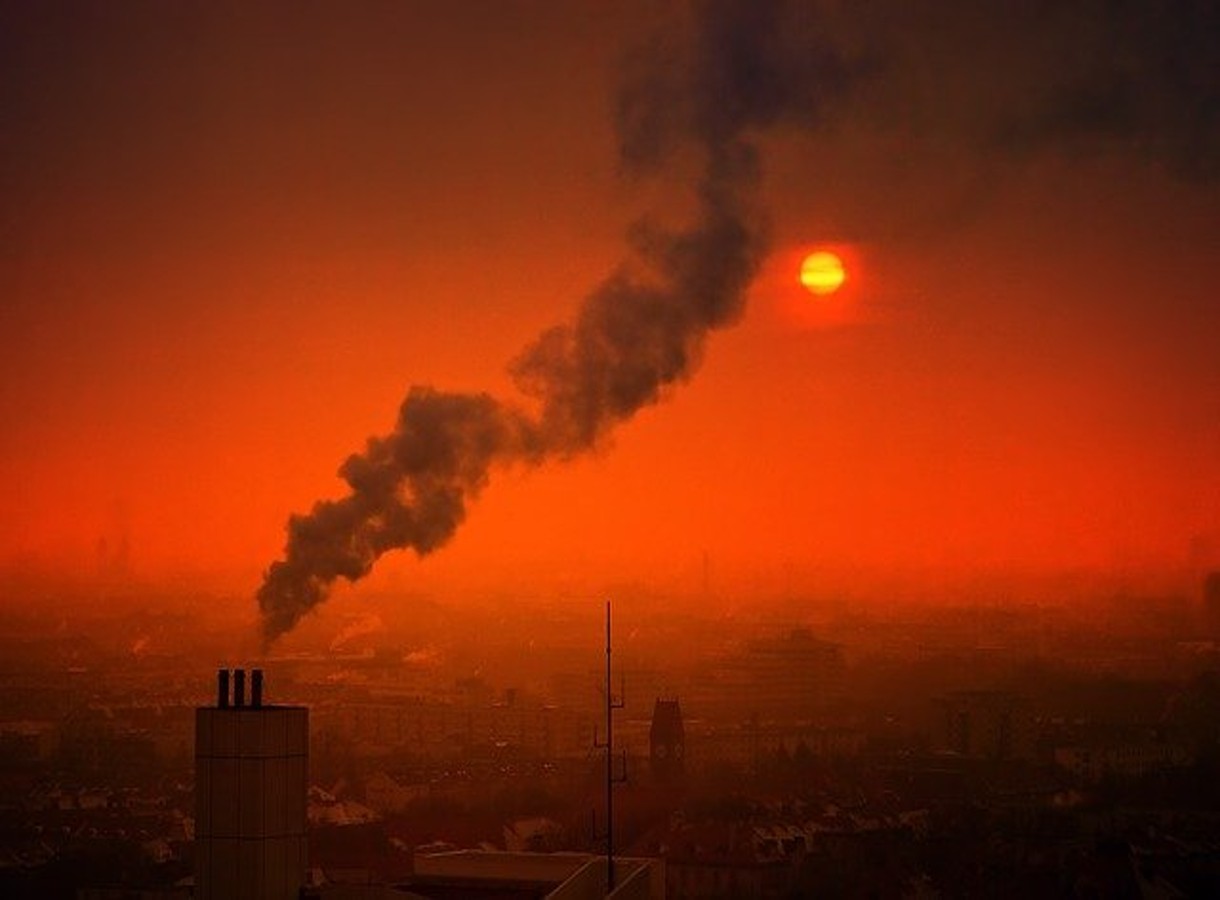
हवा साफ रखने के ये हैं 8 महामंत्र, एक आपके के लिए भी; वायु प्रदूषण का इलाज समझ लीजिए

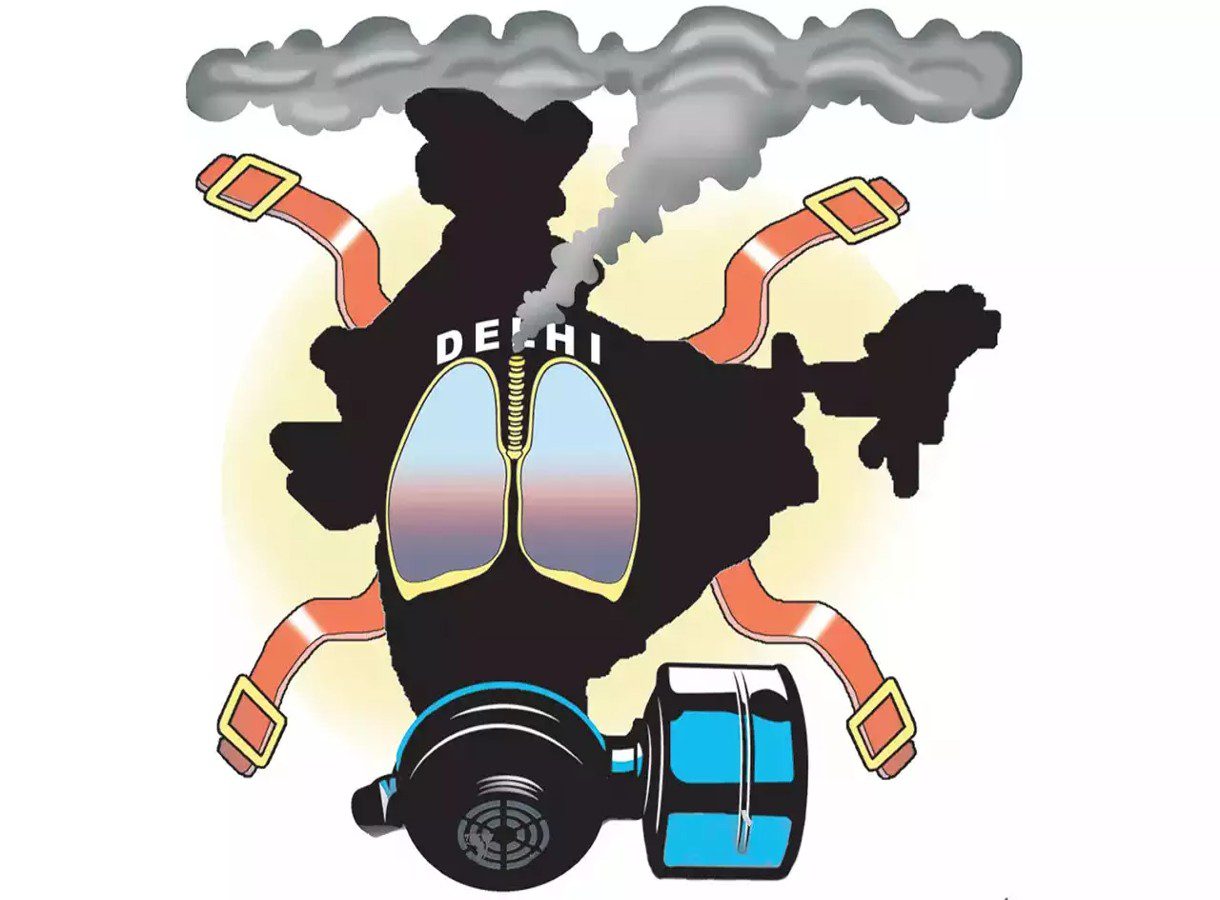
Steps for Good AQI: दिल्ली-एनसीआर की वायु गुणवत्ता सुधारी जा सकती है, बशर्ते कुछ कदम उठाए जाएं। इनमें स्वच्छ खाना पकाने के ईंधन, सर्दियों में हीटिंग के लिए स्वच्छ ईंधन, पराली जलाने को रोकने, उद्योग ऊर्जा संक्रमण, इलेक्ट्रिक वाहनों का उपयोग, हरा पट्टी विकास और नगरपालिका को सशक्त बनाना शामिल हैं।

जाने-माने पर्यावरणविद् चंद्र भूषण ने दिल्ली-एनसीआर में वायु प्रदूषण के गंभीर मुद्दे पर चिंता तो जाहिर की, लेकिन अगले पांच वर्षों में वायु गुणवत्ता में उल्लेखनीय सुधार के लिए आठ सूत्रीय रोडमैप भी दिया है। हमारे सहयोगी अखबार द टाइम्स ऑफ इंडिया (TOI) के लिए लिखे लेख में उन्होंने ग्रेडेड रिस्पांस एक्शन प्लान (ग्रैप) जैसे उपायों के पीछे की सोच पर सवाल उठाया है। उन्होंने कहा है कि प्रदूषण के खतरनाक स्तर तक पहुंच जाने पर ऐसे उपाय करके लीपापोती होती है, कोई खास प्रभाव नहीं पड़ता।

उन्होंने कहा कि अपशिष्ट प्रबंधन, खुले में जलाने पर रोक, प्रदूषण कानूनों को लागू करना, यातायात का प्रबंधन और सड़कों और निर्माण स्थलों पर धूल को दबाने जैसी क्रियाएं नियमित अभ्यास होनी चाहिए। वे वायु प्रदूषण के मूल कारणों बायोमास और कोयले का व्यापक उपयोग, भूमि क्षरण से उड़ती धूल आदि पर प्रकाश डालते हुए इनसे निपटने के लिए एक क्षेत्रीय कार्य योजना की आवश्यकता पर जोर देते हैं। उन्होंने ये आठ बेहद प्रभावी रणनीतियां बताई हैं जिन्हें अपनाकर वायु प्रदूषण के खतरे से बचा सकता है…

1. पीएम उज्ज्वला 3.0 लाए मोदी सरकार

लेखक अपनी पिछली स्टडी का हवाला देते हुए कहते हैं कि पिछले एक दशक में प्रधानमंत्री उज्ज्वला योजना के कारण वायु प्रदूषण में जितनी कमी आई, उससे ज्यादा किसी और उपाय से नहीं आई। दिल्ली-एनसीआर में खाना पकाने के स्वच्छ ईंधन तक पहुंच का विस्तार करने से पीएम2.5 के स्तर को 25% तक कम किया जा सकता है। यह उद्देश्य हासिल करने के लिए पीएम उज्ज्वला योजना का 3.0 की जरूरत है जिसमें घर-घर एलपीजी या बिजली की पहुंच सुनिश्चित की जाए।

रिसर्च से पता चलता है कि विशेष रूप से कम आय वाले परिवारों में एलपीजी का उपयोग सुनिश्चित करने के लिए 75% सब्सिडी की जरूरत है। इस पर सरकार को सालाना लगभग 5 से 6 हजार रुपये प्रति परिवार खर्च की आवश्यकता होती है। दिल्ली-एनसीआर में इस पहल पर प्रति वर्ष लगभग 6 से 7 हजार करोड़ खर्च होंगे। इससे कई गुना तो जहरीली हवा से हुईं गंभीर बीमारियों के इलाज पर खर्च हो जाता है। सरकार ने ऐसा किया तो यह बहुत ही गरीब और महिला समर्थक पहल होगी, खासकर यह देखते हुए कि लगभग 6 लाख भारतीय हर साल घर के अंदर के वायु प्रदूषण के कारण बेवक्त मर जाते हैं जिनमें महिलाओं की संख्या बहुत ज्यादा होती है।

2. स्वच्छ ताप ईंधन की जरूरत

पूरे भारत के 90% से अधिक घरों में सर्दियों के दौरान गर्मी प्राप्त करने के लिए बायोमास और ठोस ईंधन का उपयोग होता, जो दिसंबर और जनवरी में प्रदूषण की स्थिति में योगदान करते हैं। चीन की महत्वपूर्ण वायु गुणवत्ता पहलों में से एक राष्ट्रीय स्वच्छ ताप ईंधन नीति थी। इसी तरह की दीर्घकालिक योजना विकसित करना आवश्यक है। इसे देखते हुए फिलहाल दिल्ली सरकार यह सुनिश्चित कर सकती है कि सर्दियों में हीटिंग के लिए केवल बिजली का उपयोग किया जाए और खुले में जलाने पर सख्त प्रतिबंध लागू किया जाए। इससे दिल्ली की वायु गुणवत्ता में तेजी से सुधार होगा।

3. पराली जलाने की रोक के लिए प्रोत्साहन पैकेज और दंड की व्यवस्था

पराली जलाने पर अंकुश लगाने से सर्दियों के महीनों में गंभीर और खतरनाक वायु प्रदूषण के दिनों की घटनाओं में कमी आएगी। इसके लिए छोटी और लंबी दोनों तरह की रणनीतियों की जरूरत है। दीर्घावधि में, पंजाब, हरियाणा और यूपी के कुछ हिस्सों में कृषि को गहन चावल-गेहूं की खेती से विविध फसल प्रणाली में बदलना चाहिए। अल्पावधि में, प्रौद्योगिकी और प्रोत्साहन महत्वपूर्ण भूमिका निभा सकते हैं।

सबसे सरल तकनीकी समाधान कंबाइन हार्वेस्टर को संशोधित करना या अनिवार्य करना है जो मैन्युअल कटाई की तरह जमीन के करीब कटते हैं, जिससे न्यूनतम पराली निकलती है। हरियाणा सरकार पराली जलाने से रोकने को लिए किसानों को प्रति एकड़ ₹1,000 की प्रोत्साहन राशि देती है। फिर भी किसान पराली जलाए तो उस पर जुर्माना लगाने के साथ-साथ सरकारी योजनाओं से वंचित करने का दंड दिया जाए। इस योजना पर सालाना लगभग ₹2,500 करोड़ खर्च होंगे।

4. उद्योगों में ऊर्जा संक्रमण की जरूरत

उद्योग और बिजली संयंत्र दिल्ली-एनसीआर में वार्षिक PM2.5 उत्सर्जन का लगभग एक-तिहाई हिस्सा हैं। इन्हें कम करने के लिए टेक्नॉलजी में अपग्रेडेशन और कानूनों का कड़ाई से प्रवर्तन की आवश्यकता होगी। एमएसएमई को स्वच्छ ईंधन स्रोतों, विशेष रूप से इलेक्ट्रिक बॉयलर और भट्टियों को अपनाने के लिए प्रोत्साहित करने वाली योजना उत्सर्जन को काफी हद तक कम कर सकती है। बड़े उद्योगों के लिए कड़े प्रदूषण मानदंड और नियमों को कड़ाई से लागू करना आवश्यक हैं। पुराने ताप विद्युत संयंत्रों (थर्मल पावर प्लांट) को बंद करना और 2015 के मानकों को लागू करना भी महत्वपूर्ण होगा जो अब तक नहीं हो सका है।

5. इलेक्ट्रिक वाहनों पर बढ़े फोकस

इलेक्ट्रॉनिक वीइकल्स के उपयोग को बढ़ाना महत्वपूर्ण है। प्रारंभ में दोपहिया और तिपहिया वाहनों के साथ-साथ बसों के संक्रमण पर ध्यान केंद्रित किया जाना चाहिए क्योंकि वे पहले से ही आर्थिक रूप से व्यवहार्य हैं। 2030 तक नए दोपहिया और तिपहिया वाहनों की बिक्री के 100% विद्युतीकरण और 2025 तक दिल्ली-एनसीआर में सभी नई बसों को इलेक्ट्रिक में बदलने का लक्ष्य, उत्सर्जन को काफी हद तक कम करेगा। इसके अतिरिक्त, कारों और अन्य वाहनों के लिए 30-50% विद्युतीकरण लक्ष्य निर्धारित करने से स्वच्छ परिवहन में परिवर्तन में तेजी लाने में मदद मिलेगी।

6. ग्रीन बेल्ट का विकास जरूरी

दिल्ली और आसपास के इलाकों से धूल प्रदूषण, थार रेगिस्तान से मौसमी धूल के साथ वायु गुणवत्ता पर महत्वपूर्ण प्रभाव डालता है। दिल्ली के चारों ओर एक ग्रीन बेल्ट बाहर से आने वाली धूल के खिलाफ एक प्राकृतिक अवरोध के रूप में काम करेगा। इसके अतिरिक्त, स्थानीय धूल प्रदूषण को नियंत्रित करने के लिए शहर के भीतर हरित आवरण बढ़ाना जरूरी है। इस लिहाज से सड़क किनारे और खुले स्थान पर हरियाली की व्यवस्था करने का उपाय बहुत प्रभावी होगा।

7. नगर पालिकाओं का तय हो दायित्व

सड़कों और निर्माण से धूल, खुले में जलाना, यातायात की भीड़, और अपर्याप्त अपशिष्ट प्रबंधन आदि प्रदूषण के स्थानीय स्रोतों को निपटाने की प्राथमिक जिम्मेदारी नगर पालिकाओं की होती है। लेकिन पूरे साल इनसे निपटने को लेकर प्रभावी कदम नहीं उठाने के लिए नगर पालिकाओं को जवाबदेह ठहराया जाना चाहिए। साफ हवा सुनिश्चित करने के ठोस उपाय करने की दिशा में नगरपालिका के प्रयासों को बल देने के लिए राष्ट्रीय स्वच्छ वायु कार्यक्रम को मजबूत करना महत्वपूर्ण होगा।

8. नागरिकों की भागीदारी के बिना असंभव

अंत में, लेखक इस बात पर जोर देते हैं कि वायु प्रदूषण से निपटने के लिए केवल सरकारी कार्रवाई ही काफी नहीं है। नागरिकों को भी इस लड़ाई में सक्रिय रूप से भाग लेने की आवश्यकता है। वे कार पूलिंग, सार्वजनिक परिवहन का उपयोग करने, ऊर्जा बचाने और अपने आसपास के लोगों के बीच जागरूकता फैलाने जैसे कदम उठाकर ऐसा कर सकते हैं।

ये उपाय लागू किए जाएं तो अगले पांच वर्षों में वायु प्रदूषण को 50-60% तक कम किया जा सकता है। हालांकि, यह आसान नहीं होगा। ऐसा करने के लिए हमें लाखों घरों, किसानों और वाहन मालिकों और सैकड़ों हजारों उद्योगों के साथ मिलकर काम करने की आवश्यकता है। ऐसी कोई जादूई छड़ी नहीं है जो चुटकी बजाते ही हवा साफ कर दे। सभी हितधारकों को शामिल करते हुए केवल सिस्टमैटिक चेंज ही दिल्ली के निवासियों को आसानी से सांस लेने देंगे।

AQI: Adaptable, quick-acting ideas

We know we’re losing the battle against air pollution, yet we persist with the same corrective measures, hoping for different results. The Graded Response Action Plan (GRAP) serves as a good example. GRAP protocols are triggered when the Air Quality Index (AQI) reaches “poor” category. However, most measures within GRAP involve actions that should be standard practice year-round, regardless of air quality.

Effective Waste Management Prohibiting Open Burning enforcing pollution laws managing traffic and suppressing dust on roads and construction sites should all be routine unfortunately we only start implementing these measures when pollution reaches toxic levels

Besides these interventions barely make a dent in AQI data shows that reduction in pollution during the winter month are more due to rainfall and wind speed changes than the effectiveness of GRAP measures so what are we missing? What big action could genuinely reduce pollution levels

This writer has discussed in the past the need for a regional action plan and addressing the root causes of air pollution-such as widespread use of biomass and coal as well as dust from land degradation. But there are also several high-impact strategies that must be implemented to improve air quality within the next five years.

PM Ujjwala 3.0 | Our study shows that Pradhan Mantri Ujjwala Yojana has been the most impactful air pollution intervention in the last decade. Expanding access to clean cooking fuel across Delhi-NCR could reduce PM2.5 levels by 25%. Achieving this will require a new PM Ujjwala Yojana to transition households to LPG or electricity for cooking.

Research indicates a 75% subsidy is decreased to enable exclusive LPG use in low-income households, requiring around Rs 5000-6000 per household annually. In Delhi-NCR this initiative would cost around Rs. 6000-7000cr per year, a fraction of the healthcare costs associated with air pollution-related diseases.

This will be profoundly pro-poor and pro-women initiative, especially considering that nearly 6L Indians, primarily women die prematurely due to indoor air pollution each year.

Clean Heating Fuel | Across India, over 90% of house holds rely on biomass and solid fuels to heat their homes during winter, contributing to pollution spikes in Dec and Jan. one of China’s pivotal air quality initiatives was a national clean heating fuel policy. While developing a similar long-term plan is essential in the short-term. Delhi govt could ensure that only electricity is used for winter heating and enforce a strict ban on open burning. This will yield swift improvements in Delhi’s air quality.

Package to end stubble burning | Curbing stubble burning would reduce the occurrence of severe and hazardous air pollution days in winter months. For this both short and long-term strategies are needed in the long term, agriculture in Punjab, Haryana, and parts of UP must transition from intensive rice-wheat farming to a diversified crop-system.

In the short-term, tech and incentives can play a key role. The simplest tech solution is to modify, or mandate combine harvesters that cut closer to the ground like manual harvesting, leaving minimal stubble.

Additionally, an incentive of Rs. 1000 per acre-similar to what Haryana Govt. provides – could encourage farmers to manage stubble sustainably, coupled with penalties, such as fine and exclusion from govt schemes for those who continue to burn it. This scheme would cost approx. Rs. 2,500cr annually.

Energy transition in industry | Industry and power plants account for roughly one-third of annual PM2.5 emissions in Delhi-NCR, reducing these will require tech upgrades and stricter enforcement. A scheme encouraging MSMEs to adopt cleaner fuel sources, especially electric boiler and fernanes, could significantly carb emissions.

For larger industries, stringent pollution norms and enforcement are essential. Shutting down older thermal power plants and enforcing the 2045 standards, which have yet to be fully implemented, will also be critical.

Transition to EVs | sealing up use of EVs is crucial Initially the focus should be on transitioning two and three wheelers as well as buses, since they are already economically viable.

Aiming for 100% electrification of new two and three-wheeler sales by 2025 in Delhi-NCR, would significantly lower emissions. Additionally setting a 30-35% electrification target for cars and other vehicles will help accelerate the transition to cleaner transport.

Green belt development | Dust pollution from within Delhi and neighbouring areas, coupled with seasonal dust from Thar Desert, has a substantial impact on air quality Creating a green belt around Delhi would serve as a natural barrier against incoming dust. Additionally, increasing green cover within the city including roadside and open space greening is essential to control local dust pollution.

Strengthen Municipalities | Local sources of pollution such as dust from roads and construction, open burning traffic congestion, and inadequate waste management are best controlled by municipalities, Municipalities must be held accountable for addressing these issues year round. Strengthening National Clean Air Programme to support municipal efforts will be key to achieving sustainable air quality improvements.

We can reduce air pollution by as much as 50-60% in the next five years if we implement these measures. However, this will not be easy. We need to work with millions of households, farmers, and vehicle owners and hundreds of thousands of industries to make it happen.

There are no quick fixes to improving air quality Only systemic changes involving all stakeholders will allow Delhi’s residents to breathe easy

Renewable Energy waiver no longer a boon

Investments in ISTS grid infrastructure dedicated to RE projects have surged over the past decade, as new transmission lines and substation capacities have been developed to transfer power from RE-rich states to low-RE states.

The inter-state transmission system (ISTS) charge and loss waivers for renewable energy (RE) between Indian states are set to be phased out by 2028. Initially introduced to support the RE sector, the waiver has been extended several times due to demands from developers and the industry. However, as the solar and wind energy markets have matured, it’s crucial to reassess the merits and drawbacks of the policy, especially given renewed calls to continue the waiver beyond 2028.

The ISTS waiver, introduced in 2016 by the ministry of power, was designed to help states with relatively low solar insolation and wind potential (low-RE states) meet their renewable purchase obligations (RPO) in a cost-effective manner. By allowing these states to import from RE-rich states without incurring ISTS charges, the policy aimed to prevent them from paying high RE tariffs. The ultimate goal was to create a “level playing field” across all states, promoting the use of RE nationwide.

In its early years, the ISTS waiver played a key role in accelerating RE adoption. States with abundant solar and wind resources, such as Rajasthan, Gujarat, and Karnataka, saw a surge in RE projects. These states could export RE to other states, helping them meet their RPOs without the burden of transmission costs. However, in recent years, several unintended consequences have emerged.

One of the major impacts of the ISTS waiver has been a significant imbalance in RE growth across states. Despite the availability of good solar resources in nearly all states, 83% of RE capacity is concentrated in just seven — Rajasthan, Gujarat, Tamil Nadu, Karnataka, Maharashtra, Andhra Pradesh, and Telangana. This concentration is largely due to market distortions caused by the ISTS waiver in a highly price-sensitive sector. Here’s why.

The cost of procuring power from solar projects located in states like Rajasthan or Gujarat by utilities in low-RE states like Odisha or Chhattisgarh includes generation costs, ISTS charges, and minor additional costs. An analysis comparing two RE-rich states (Rajasthan and Karnataka) with six low-RE states (Assam, Bihar, Chhattisgarh, Jharkhand, Odisha, and West Bengal) shows that the difference in generation costs ranges from Rs 0.02/kilowatt-hour (kWh) to Rs 0.40/kWh. However, the ISTS charge waiver for transactions between RE-rich and low-RE states is estimated to range from Rs 0.40/kWh to Rs 0.90/kWh. In other words, the ISTS waiver is now larger than the cost differential in generating RE across different parts of India.

If the ISTS waiver is eliminated, it will be cheaper for states to install and use RE locally, rather than importing power from thousands of kilometres away. For example, without the waiver, the cost of procuring solar power for a utility in Chhattisgarh from a local project is approximately Rs 2.78/kWh, compared to Rs 3.24/kWh from a project in Rajasthan and Rs 3.36/kWh from a project in Karnataka.

Due to the ISTS waiver, a few states have become RE hubs, while the rest have lagged in RE growth. This imbalance undermines the policy’s initial goal of fostering equitable RE development across states. Rather than developing their own resources, low-RE states have become overly reliant on energy imports, which has hindered their progress in building local renewable infrastructure.

Investments in ISTS grid infrastructure dedicated to RE projects have surged over the past decade, as new transmission lines and substation capacities have been developed to transfer power from RE-rich states to low-RE states. iFOREST estimates that these investments account for 30-45% of total grid infrastructure investments in recent years. If the ISTS waiver continues, massive investments will be required to build grid infrastructure solely to transfer power between states. It would be more prudent to first promote local RE generation and consumption than prioritise inter-state transmission projects.

There are additional impacts of the ISTS waiver, such as an unequal burden of transmission costs on certain states, particularly northeastern, that use less RE from the ISTS grid. Also, inter-state transmission is itself becoming a bottleneck for the RE industry’s growth as ISTS projects are being installed at a much faster pace than the expansion in transmission grid.

It is clear that the ISTS waiver impedes the goal of equitable RE growth. Although some low-RE states have tried to mitigate the waiver’s impact by offering higher subsidies, these measures are insufficient. For balanced growth and healthy market competition, the ISTS waiver should be phased out as scheduled.

India has experimented with “price equalisation” policies in the past, often with negative consequences. The freight equalisation scheme for coal, for instance, was meant to promote balanced industrial development across India but ended up impeding the industrialisation of mineral-rich eastern states. We should not repeat the mistake.

Social media & sharing icons powered by UltimatelySocial