
Decoding Modi’s environmentalism

From Swachh Bharat to LiFE, the PM has given environmental agenda a distinctly Indian vocabulary rooted in Deendayal Upadhyaya’s integral humanism.

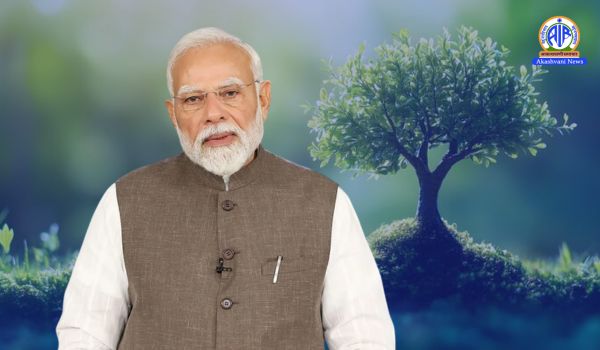
As Narendra Modi becomes India’s longest continuously serving elected Prime Minister, it is worth asking: What is his environmental philosophy, and what drives his environmentalism?

This question has often engaged me when I have heard him speak on cleanliness, water conservation, green energy, climate change, and ecological protection. He is perhaps the only PM who has spoken so consistently from the Red Fort about changing behaviour, practices, and policies to improve India’s environment.

In his first Independence Day speech in 2014, he spoke about cleanliness and the need to eliminate open defecation. He returned to the theme year after year, launched the Swachh Bharat Mission (SBM), and converted a subject of revulsion into a national movement.

In the early years, his focus was on local and traditional environmental problems — sanitation, indoor air pollution, water stress, waste, and soil health. More recently, he has engaged increasingly with globally relevant issues such as climate change, renewable energy (RE), and sustainable consumption.

Consider the local agenda first. In 2015, he highlighted indoor air pollution and the need for clean cooking fuel, which became the Pradhan Mantri Ujjwala Yojana (PMUY) in 2016. He also launched the Pradhan Mantri Krishi Sinchai Yojana with the slogan “save water, save energy, save fertilisers”. He has urged farmers to reduce fertiliser and pesticide use to protect soil, health, and nature, calling in 2021 for agriculture to be taken “out of the lab of chemistry” and connected to the lab of nature. On waste, after the SBM, he launched a campaign against single-use plastic, which was later backed by a ban on several such items.

Transitioning Local Activism

Energy and climate change have featured more prominently in his speeches since 2020, though the origins go back earlier. In 2009, as Gujarat’s chief minister, he set up India’s first climate change department. A votary of solar power since his Gujarat days, he expanded India’s solar and RE targets substantially and, in 2021, spoke of energy independence based on clean energy by 2047, including electric mobility, hydrogen, and a clean energy transition road map So, what philosophy explains these environmental actions? Four threads stand out.

The first is people-led change. People-centricity and mass mobilisation are central themes in his environmental policies and programmes. The pattern is clear: first build public consciousness, then follow it with policy.

The “Give It Up” campaign preceded the PMUY. His natural farming push is farmer-led. The Jal Jeevan Mission is framed as a Jan Andolan. The campaign against plastic began as a people’s movement before it became a legal ban. Swachh Bharat’s success has been credited by him to “Team India” and mass participation. Thus, PM Modi’s idea of the environment is linked to change at the level of individuals, households, and communities.

Socioeconomic Co-Benefits

The second thread is co-benefits. Actions that simultaneously improve the economy, environment, and public health seem to be a core motivation in his environmentalism. Flagship schemes delivering water, sanitation, cooking fuel, and electricity carry large environmental and health gains. For instance, one of India’s biggest air pollution gains in the last decade has come not from reducing vehicular emissions, but from the shift from biomass to LPG for cooking. His green energy ambition is also driven by energy security and the belief that future growth and jobs will come from the green economy.

The third thread is women-centricity. Improving the lives, health, and dignity of women runs through most of his programmes. He has described Jal Jeevan as a women-driven movement, framed the PMUY around women’s health and dignity, and said that women’s safety and dignity were central inspirations for the SBM. In this sense, his environmentalism is also the politics of everyday relief — less drudgery, cleaner homes, safer sanitation, and better health.

The fourth thread is a fusion of tradition and modern science. He invokes the panch tatva and green hydrogen in the same breath. His signature intervention at the UN climate negotiations — Lifestyle for Environment, or LiFE — draws from India’s tradition of restrained consumption.

But this belief in traditional wisdom has not stopped him from embracing modern science and technology. From building a digital economy to investing in electric vehicles and RE, his government has pursued technological modernisation with equal zeal.

Ultimately, to understand PM Modi’s environmentalism, one must understand Pandit Deendayal Upadhyaya’s integral humanism. In integral humanism, human beings are at the centre of development; culture moulds nature without destroying it; and unbridled consumerism is seen as alien to Indian civilisation. In lectures delivered in Bombay in 1965, Upadhyaya spoke about nature protection, sustainable agriculture, and the need to embrace modern science while improving upon India’s traditional knowledge and culture. In one of his lectures, he warned that chemical fertilisers could render land infertile. “How long can this dance of destruction go on?” he had asked. Modi’s passion for natural farming derives directly from that worldview.

PM Modi’s environmentalism, therefore, is best understood as integral humanism in practice. He has updated and expanded the ideas propounded by Upadhyaya. But his major achievement is that he has converted these ideas into policy, programmes, and mass mobilisation. In doing so, he has given India’s environmental agenda a distinctly Indian vocabulary — rooted in people, tradition, women’s dignity, public health, energy security, and modern technology.
 

Heat pumps can bail out small industries

India has not focused on replacing gas use with more efficient & environment-friendly technology, leading to dependence on a fuel whose supply isn’t always reliable

A WAR IN West Asia has bared a problem ignored for years in India’s energy policy. Small industries in India are close to shutting down if there is any gas (LPG/PNG) supply problem. A heat pump may be a solution that was not planned earlier.

The disruption began when the Strait of Hormuz was effectively shut after attacks on Iran on February 28. This led to one of the biggest supply disruptions in energy markets. India has no significant strategic buffer for natural gas, with supply dependent on continuous imports, while strategic reserves cover only nine-10 days (ministry of petroleum and natural gas), limiting resilience during disruptions.

This situation was not created by small businesses. It developed due to increased dependence on imported gas (LPG/PNG) without building enough alternatives.

Responding to the crisis, the government prioritised the supply of cooking gas for households. This was necessary, but it left commercial and industrial users on their own. Restaurants, bakeries, textile units, and small factories, which together employ more than 100 million people, were left to fend for themselves. Some states responded quickly. Tamil Nadu, for example, supported electric cooking solutions for restaurants, but these are short-term responses and not resilience-building measures. Direct import disruptions and supply prioritisation exposed the Indian MSME sector.

To understand the problem, it is important to see how gas is used in India’s 63 million MSMEs. It is not used primarily for lighting or cooking. It is used to produce heat for industrial processes. This includes bakery ovens, dairy pasteurisers, textile boilers, and rubber curing machines. This type of heat is called process heat, and is the backbone of manufacturing.

According to the Bureau of Energy Efficiency, MSMEs use about 25% of industrial energy in India. A large share of this thermal energy is generated from LPG and natural gas. Most of this demand is for temperatures below 200 degrees Celsius. Sectors like food processing, dairy, textile, dye and pigments, and consumer goods manufacturing operate within this temperature range. This is important because an alternative technology already exists to provide process heat for these temperature needs.

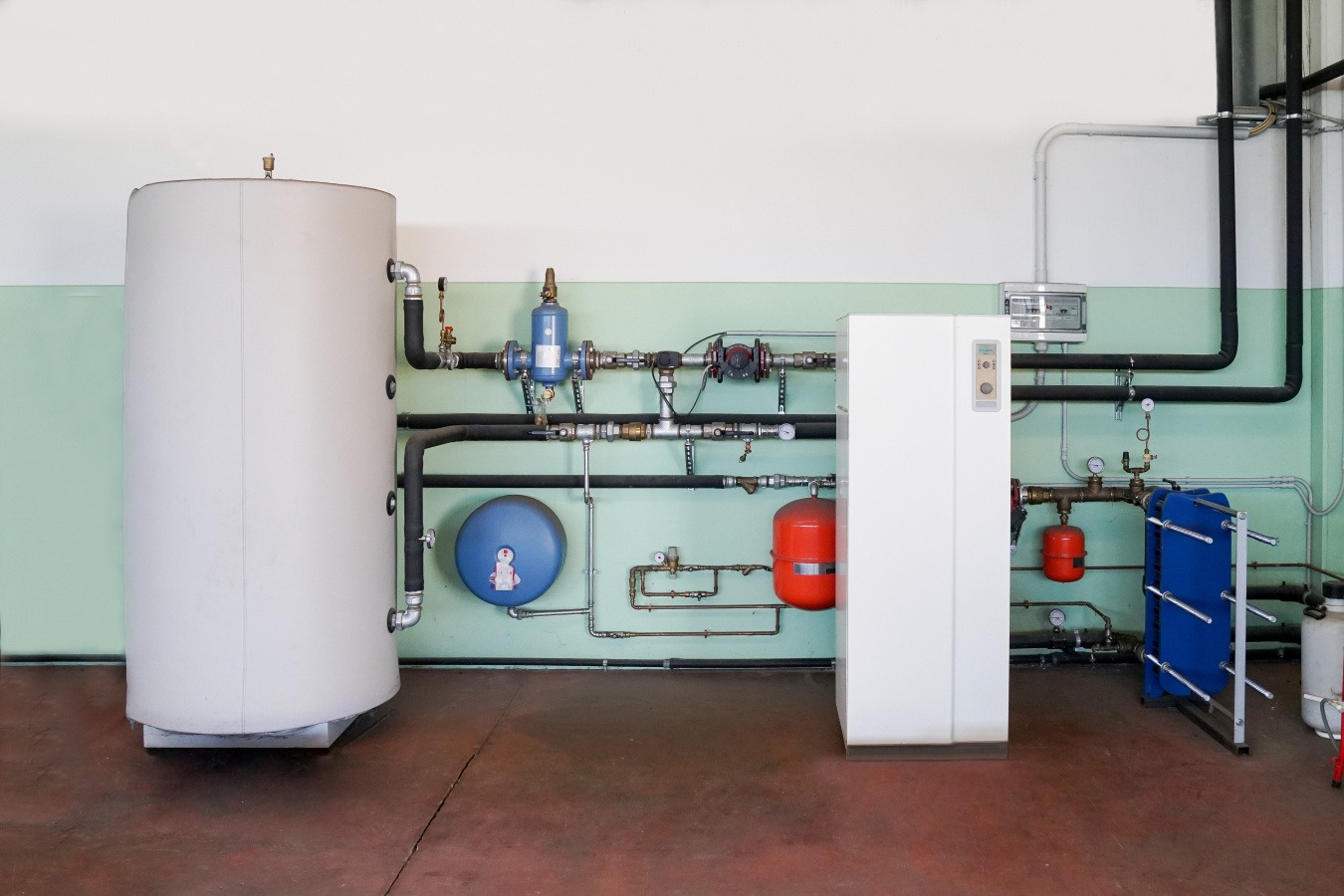
That technology is the industrial heat pump.

Heat pumps do not burn fuel. They transfer heat from air, ground, or waste sources and provide usable heat using electricity. For every unit of electricity used, they can produce two or more units of heat. This means no combustion, no dependence on imported gas, and less exposure to global supply risks.

This is not a new or experimental technology. Heat pumps are widely used in Europe, Japan, and South Korea in sectors like food processing, textiles, and chemicals. Their adoption increased in Europe after the 2022 gas crisis during the Russia-Ukraine conflict. Countries that had already invested in this technology were able to manage the shocks better.

India has made strong progress in electrification in recent years. There has been major growth in solar and wind capacity, expansion of electric mobility, and plans for green hydrogen. However, industrial process heat, especially for small industries, has not received enough attention. Existing programmes have focused more on improving efficiencies in gas use rather than replacing it with more efficient and environment-friendly technology. As a result, many industries have become dependent on a fuel whose supply is not always reliable. India also plans to increase the share of natural gas in its energy mix from 6.5% to 15% by 2030, but without enough preparations for import-led supply disruptions.

A recent assessment by the International Forum for Environment, Sustainability & Technology (iFOREST) shows that heat pumps are both technologically and economically suitable for many MSME sectors. In sectors like food processing and textiles, the investments can be recovered in a reasonable time, especially when combined with rooftop solar. The major gap in enhanced adoption is not technology or cost. It is a lack of a clear and focused policy framework.

The present situation has shown India’s ignorance of geopolitical supply-chain vulnerabilities in its industrial energy planning

Four steps can help address this. First, there is a need to map gas use at the cluster and process level. This data is currently missing and limits effective planning. Second, a focused Heat Pump Mission for MSMEs should be launched with financial support, access to credit, and technical assistance at the cluster level. Third, while expanding gas connections, industries should also be supported in shifting towards electric alternatives. Every new gas connection should be accompanied by an assessment of electric options. And, fourth, necessary policies should be in place to strengthen domestic heat pump manufacturing.

The Strait of Hormuz will reopen, and gas supply will stabilise. But this moment should be seen as a warning. The present situation has shown India’s ignorance of geopolitical supply-chain vulnerabilities in its industrial energy planning. A bakery owner in Nagpur, a cloud-kitchen owner in Chennai, or a ceramic manufacturer in Morbi should not have to face the impact of a distant conflict. Providing access to local, reliable, profitable, and efficient solutions like heat pumps is not just an ideal policy proposal. It is a practical and necessary step.

One Step Forward, Two Steps Backward

The world needs a new multilateral architecture for a new phase of climate action

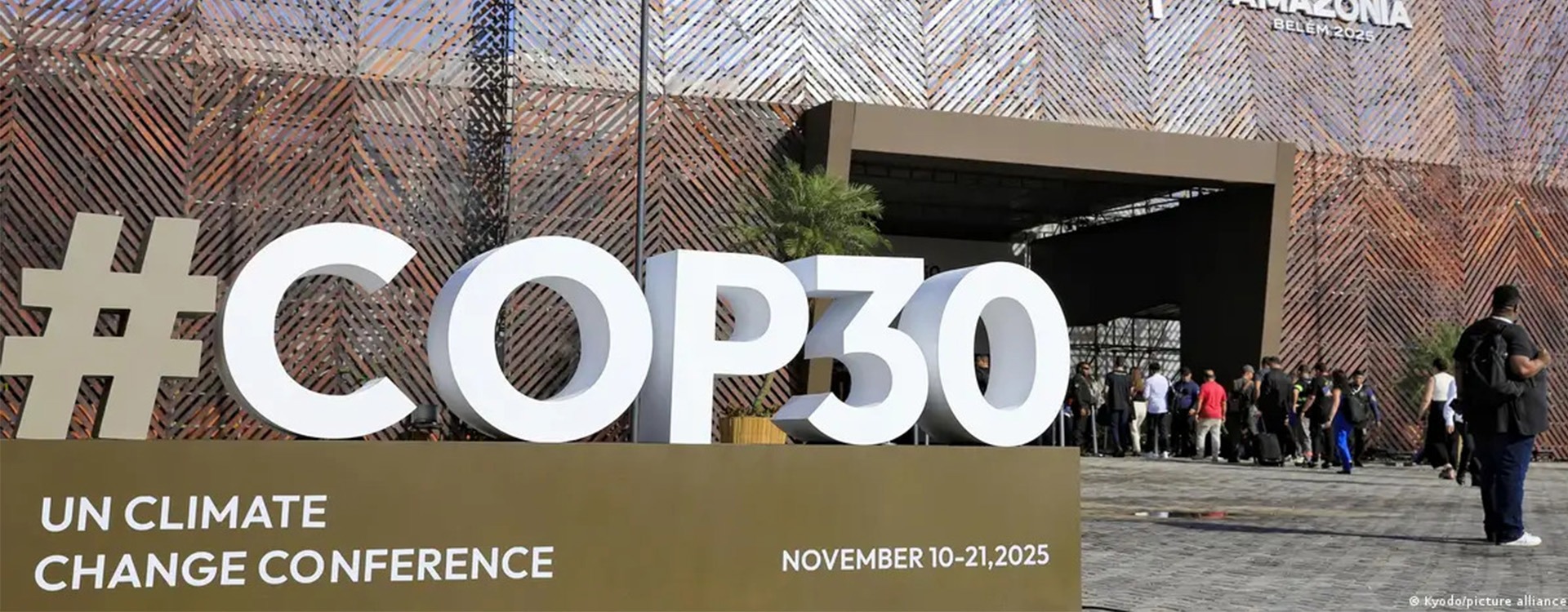
Brazilian President Luiz Inácio Lula da Silva had declared the 30th Conference of Parties (COP30) to the UN Framework Convention on Climate Change (UNFCCC) as the “COP of truth”. And truth, indeed, was unmistakable in Belém. The meeting made it clear, how fragmented and fragile the global consensus on climate action has become. Decisions that countries had once celebrated as historic achievements were rejected outright. Commitments that were hailed as breakthroughs only a few years ago suddenly appeared to have evaporated.

The most prominent example was the decision to “transition away from fossil fuels”, which had been agreed at the Dubai COP in 2023. That phrase — hailed then as a diplomatic triumph — did not even appear in the final text at Belém. Countries that had supported it earlier refused to accept it now. A similar retreat occurred on deforestation. At COP26 in Glasgow, over 130 nations pledged to halt and reverse deforestation by 2030. At COP30, a roadmap to achieve this was quietly dropped. The symbolism was striking: a climate summit held at the edge of the Amazon was unwilling to reaffirm the world’s most widely supported forest pledge.

The question, then, is what COP30 actually achieved. The honest answer is: very little. Ten years after the Paris Agreement, instead of accelerating climate action, the world found itself postponing decisions and shifting difficult conversations away from the UN climate process. The most contentious issues were not resolved; they were simply moved elsewhere.

Future indecision

Confronted with the deadlock, the Brazilian COP presidency took a significant step. It removed the two most sensitive matters — the phase-out of fossil fuels and the roadmap to halt deforestation — from the formal negotiation track. Brazil now intends to craft roadmaps for both issues outside the COP process and present them at the next summit. This marks a profound acknowledgement: the world’s central climate negotiation forum no longer has the capacity to broker consensus on the most important questions. The UNFCCC is signalling that some of the hardest decisions must be made elsewhere.

This pattern extended to other unresolved issues. Climate-related unilateral trade measures, such as the European Union’s Carbon Border Adjustment Mechanism (CBAM), were among the most divisive. CBAM will apply a carbon price on imports of carbon-intensive goods like steel, cement and aluminium starting January 2026. Many developing countries see it as protectionist, inequitable and imposed without genuine consultation. But at Belém, countries could not agree on a collective position or a negotiating route. Instead, the final decision merely launched three dialogues involving governments and institutions such as the WTO, stretching until mid-2028 — long after CBAM has begun affecting global trade flows.

Adaptation — the issue of greatest urgency for the developing world — was no exception. Developing countries had demanded a tripling of adaptation finance from rich nations. The

headline outcome seemed to meet this demand, but the substance fell far short. The additional funds are not new; they will be drawn from the US$300 billion pledge announced last year. Worse, the financing will only be available after 2035, even though developing countries had sought support by 2030. For nations already enduring increasingly destructive floods, cyclones, droughts and sea-level rise, money arriving more than a decade from now will offer little relief.

One of the few bright spots at COP30 was the agreement to create a Just Transition Mechanism. Its purpose is to provide support to regions undergoing transitions away from fossil fuels and other carbon-intensive sectors. If the mechanism becomes operational and well-funded, it could provide substantial benefits to coal regions of India. Yet a mechanism on paper is only the first step. Making it effective — designing its functions, ensuring financing, defining eligibility, and delivering real outcomes — is the true test. COP30 has created a container, but its contents remain undefined.

A New Architecture for a New Phase

The broader truth emerging from COP30 is that the UNFCCC is struggling to adapt to the current phase of climate action. The UNFCCC is fundamentally a treaty negotiation body. For 33 years it has done what it was built to do: deliver international agreements such as the Kyoto Protocol, the Cancun Agreement, the Paris Agreement and hundreds of smaller decisions.

But the global climate challenge has shifted from negotiation to implementation. The world is no longer debating broad goals; it now faces the far harder task of transforming energy systems, restructuring industries, reforming trade rules, mobilising finance and conserving ecosystems at scale. These are deeply political, economic and sector-specific tasks. Yet the COP still operates as though stronger wording in a negotiation text will somehow cut emissions or save forests. It cannot. This is not a failure of ambition or diplomacy; it is a structural reality. The UNFCCC lacks both the authority and the tools to make decisions on critical issues like fossil fuels, trade, finance, forests or industrial transitions. Nor can it enforce or implement the decisions it does take.

To move forward, the world must recognise that the next phase of climate action requires specialised implementation platforms that focus on real-world levers of change. For instance, a fossil fuel phase-out roadmap should be negotiated among the largest producers and consumers who regulate fossil energy. Trade and carbon border measures should be handled by institutions such as the WTO and national trade ministries, which already negotiate tariffs, subsidies and regulatory alignment.

Halting deforestation should be discussed at a platform of major forest- and biodiversity-rich countries, along with indigenous groups and forest alliances. Industrial decarbonisation should similarly be pursued at platforms driven by major producing countries. For example, 15 countries produce more than 90% of the world’s steel and cement; a roadmap developed and agreed at this platform will yield quicker and more substantive results than negotiations among nearly 200 countries at a COP. This doesn’t mean we are jettisoning multilateralism; we will instead strengthen it.

In this new architecture, the COP should evolve into a high-level political stocktake held once every two to three years to assess progress, identify gaps and provide direction. It should remain the moral anchor for global climate action.

The truth revealed at COP30 is uncomfortable but unavoidable: the climate crisis has outgrown the UNFCCC system. It now demands rapid implementation and hard political choices. For this, multiple specialised and implementation-driven platforms are essential. The sooner we build and activate them, the faster we can move from words to action.

Breaking a vicious cycle

Scientific modelling, innovative planning, & forward-looking policy can help cities beat heat stress.

Bhubaneswar has become the first Indian city to launch an Integrated Heat and Cooling Action Plan (IHCAP).

On September 2, Bhubaneswar became the first Indian city to release an Integrated Heat and Cooling Action Plan (IHCAP) to comprehensively tackle two growing crises—rising heat stress and the explosion in air conditioning demand.

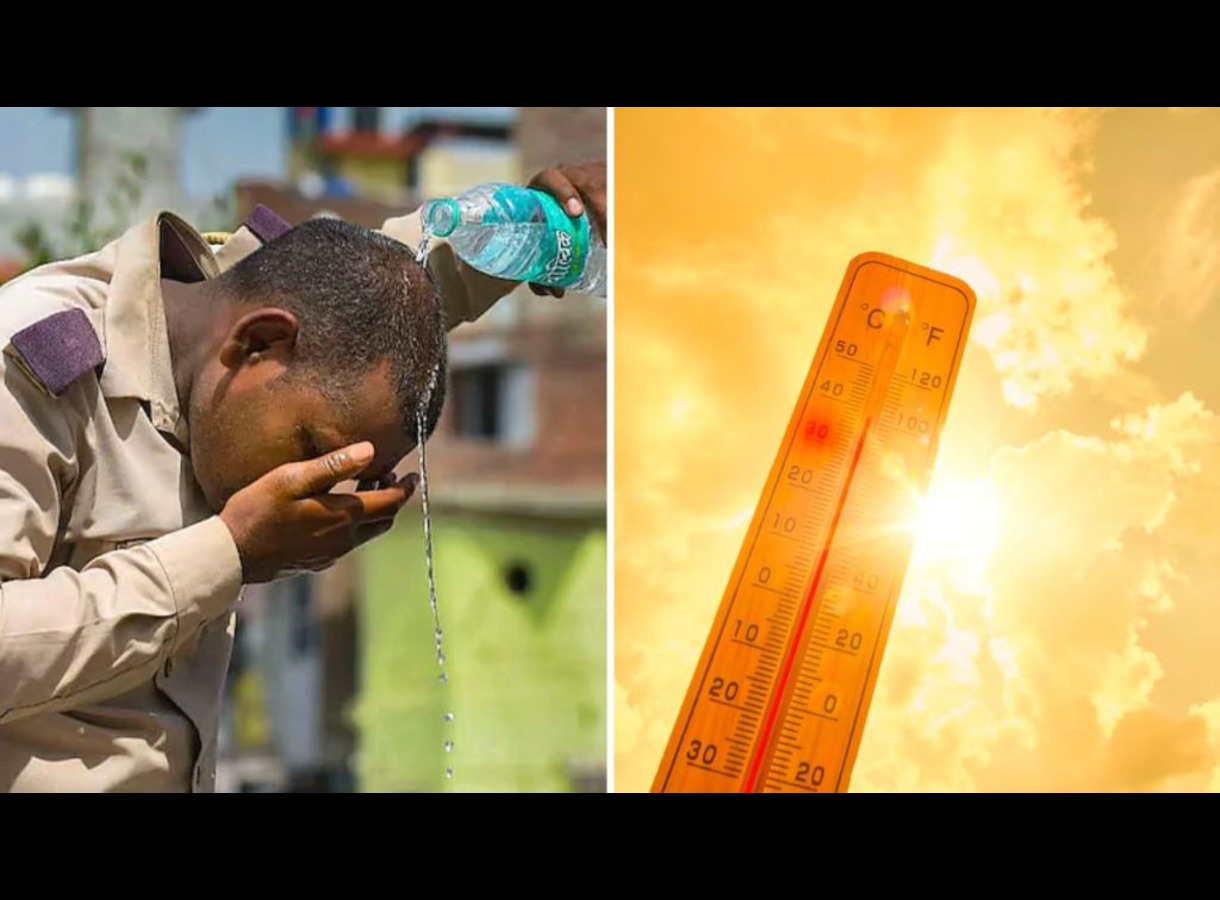
Heat stress is not new to India. Over the past two decades, the country has experienced increasingly frequent and intense heatwaves that have claimed thousands of lives, reduced worker productivity, and strained health systems. But the crisis has changed. Cities are now caught in a vicious cycle of heat and cooling—higher temperatures and humidity drive up air-conditioning use, which worsens the urban heat island (UHI) effect and greenhouse gas emissions. This, in turn, makes cities even hotter—and more dependent on cooling.

It is precisely this cycle that Bhubaneswar’s IHCAP seeks to break. It is India’s first city-level plan that integrates urban planning, green buildings, sustainable cooling, and heat adaptation measures under one umbrella.

A city on the frontline of heat

Bhubaneswar has long been one of India’s most heat-affected cities. Over the last four decades, average temperatures and humidity levels have risen steadily across the year. Even more worrying is the rise in night-time temperatures, which robs people of relief and increases health risks. Today, heat stress stretches from February to October. According to the India Meteorological Department’s (IMD) “feels like” index, which uses temperature and humidity to measure heat stress, the city endured nearly 230 days of yellow or orange heat alerts in 2024.

Rapid urbanisation has further compounded heat stress. Between 2018 and 2024, Bhubaneswar’s built-up area grew by 23%, while vegetation declined by nearly 10% and water bodies by a staggering 75%. The result is a far more pronounced UHI effect, with the city now 2 to 5°C hotter than surrounding rural areas.

The impacts are already evident. Outdoor workers—from construction crews to street vendors—lose 20-30% of productivity and wages to heat stress. Overall, the city lost 8.6% of its annual income due to heat stress. At the same time, AC ownership has more than doubled in just two years, rising from 6% of households in 2021 to 15% in 2023. Cooling now accounts for one-third of the city’s electricity use—and nearly two-thirds in the peak summer months.

Looking ahead, the situation could worsen dramatically. Under an intermediate climate warming scenario, a “normal hot day” in 2050 will feel like today’s extreme heat days. The city, therefore, will have to rely on cooling to survive. Under a business-as-usual (BAU) scenario, therefore, electricity demand from cooling could rise 7.6 times by 2050 compared to current levels.

What the IHCAP offers

Against this backdrop, Bhubaneswar’s IHCAP lays out a comprehensive five-pillar strategy:

Cool the city: Expand greenery, revive water bodies, promote cool roofs, and redesign streets to reduce UHI.

Cool buildings: Implement energy conservation building codes and promote climate-responsive designs to reduce heat absorption and enhance indoor comfort.

Sustainable cooling for all: Ensure access to affordable, efficient, and climate-friendly cooling solutions such as efficient fans and ACs, district cooling systems, and white roofs for low-income homes.

Enhance heat resilience: Strengthen electricity, water, and health systems; build cooling shelters and provide cool bus stops and public water kiosks.

Adapt to heat: Update heat alert thresholds to account for humidity and night-time temperatures, provide insurance to vulnerable workers, and expand awareness campaigns.

If implemented effectively, these interventions could reduce surface temperatures by 0.5-9.4°C, depending on the type of measure, and cut the city’s cooling-related electricity demand by 44-67% compared to the BAU scenario.

Beyond Bhubaneswar

The IHCAP connects two national policies that have so far worked in silos. The India Cooling Action Plan (ICAP) of the environment ministry promotes sustainable cooling and the Heat Action Plan (HAP) of the National Disaster Management Authority (NDMA) (focusses primarily on early warning and heat adaptation. By unifying them, the IHCAP offers a comprehensive framework to address heat stress that other cities can adapt and adopt.

Scaling this framework, however, will require significant policy reforms. The NDMA’s HAP guidelines must be updated to include heat mitigation and sustainable cooling measures. City master plans and building codes will also need revision. For example, the Energy Conservation and Sustainable Building Code, 2024, for commercial and institutional buildings and the Eco-Niwas Samhita 2024 for residential buildings cover only a fraction of upcoming construction. In Bhubaneswar, just 25% of commercial and institutional buildings and a mere 1.5% of residential construction fall under these codes. Likewise, master plans do not consider UHI, heat mitigation strategies, or the need for heat-resilient infrastructure.

By mid-century, India will be home to 600-700 million urban residents, most of them in heat-stressed cities. Without integrated action, we risk a future where outdoor work becomes unsafe for millions, inequality deepens, and cities completely rely on cooling appliances to survive.

Bhubaneswar’s IHCAP, however, shows that cities can avoid this dystopian future and break the vicious cycle of heat and cooling through scientific modelling, innovative planning, and forward-looking policy.

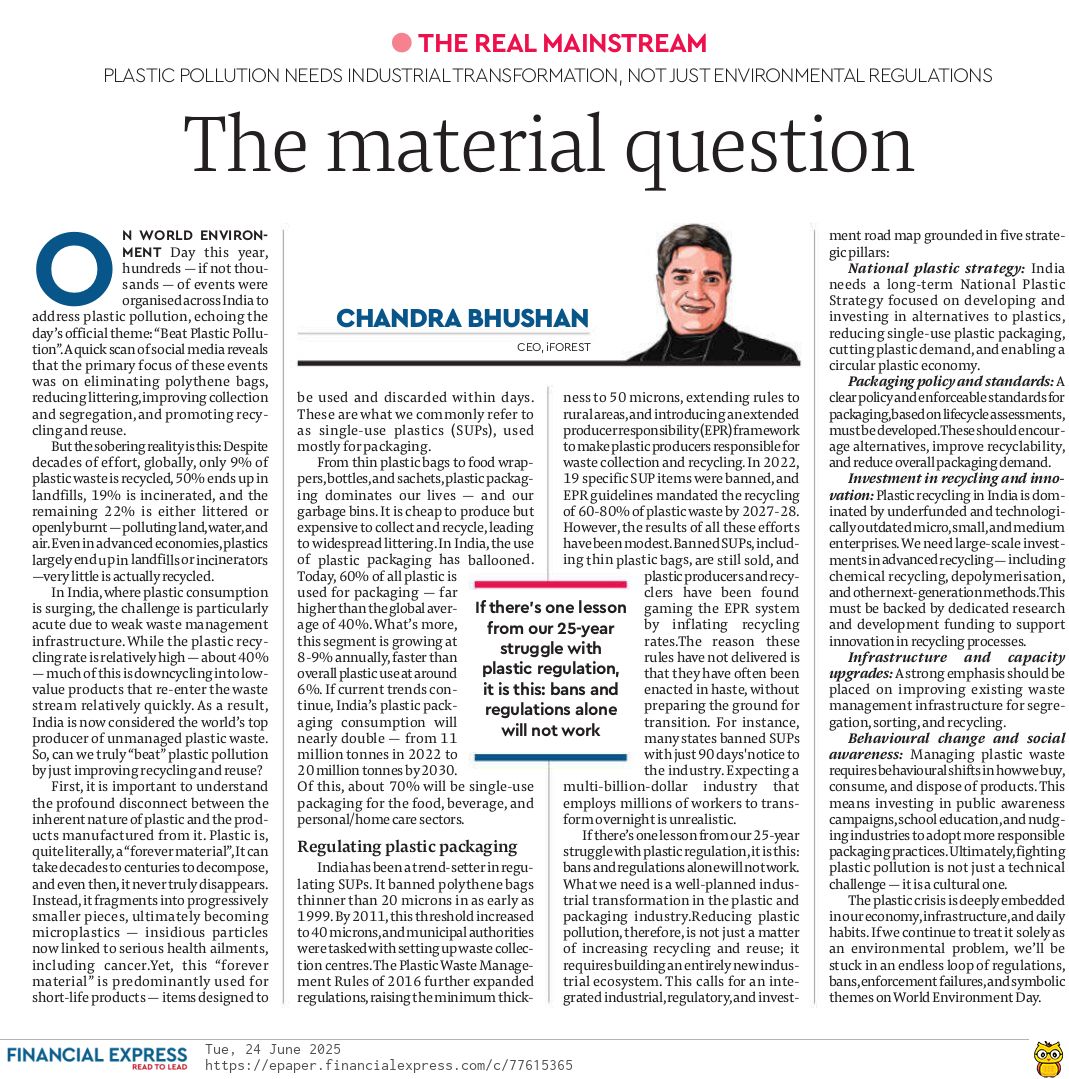
The material question

Plastic pollution needs industrial transformation, not just environmental regulations.

On World Environment Day this year, hundreds — if not thousands — of events were organised across India to address plastic pollution, echoing the day’s official theme: “Beat Plastic Pollution”. A quick scan of social media reveals that the primary focus of these events was on eliminating polythene bags, reducing littering, improving collection and segregation, and promoting recycling and reuse.

But the sobering reality is this: Despite decades of effort, globally, only 9% of plastic waste is recycled, 50% ends up in landfills, 19% is incinerated, and the remaining 22% is either littered or openly burnt — polluting land, water, and air. Even in advanced economies, plastics largely end up in landfills or incinerators —very little is actually recycled.

In India, where plastic consumption is surging, the challenge is particularly acute due to weak waste management infrastructure. While the plastic recycling rate is relatively high — about 40% — much of this is downcycling into low-value products that re-enter the waste stream relatively quickly. As a result, India is now considered the world’s top producer of unmanaged plastic waste. So, can we truly “beat” plastic pollution by just improving recycling and reuse?

First, it is important to understand the profound disconnect between the inherent nature of plastic and the products manufactured from it. Plastic is, quite literally, a “forever material”, It can take decades to centuries to decompose, and even then, it never truly disappears. Instead, it fragments into progressively smaller pieces, ultimately becoming microplastics — insidious particles now linked to serious health ailments, including cancer.Yet, this “forever material” is predominantly used for short-life products — items designed to be used and discarded within days. These are what we commonly refer to as single-use plastics (SUPs), used mostly for packaging.

From thin plastic bags to food wrappers, bottles, and sachets, plastic packaging dominates our lives — and our garbage bins. It is cheap to produce but expensive to collect and recycle, leading to widespread littering. In India, the use of plastic packaging has ballooned. Today, 60% of all plastic is used for packaging — far higher than the global average of 40%. What’s more, this segment is growing at 8-9% annually, faster than overall plastic use at around 6%. If current trends continue, India’s plastic packaging consumption will nearly double — from 11 million tonnes in 2022 to 20 million tonnes by 2030. Of this, about 70% will be single-use packaging for the food, beverage, and personal/home care sectors.

Regulating plastic packaging

India has been a trend-setter in regulating SUPs. It banned polythene bags thinner than 20 microns in as early as 1999. By 2011, this threshold increased to 40 microns, and municipal authorities were tasked with setting up waste collection centres. The Plastic Waste Management Rules of 2016 further expanded regulations, raising the minimum thickness to 50 microns, extending rules to rural areas, and introducing an extended producer responsibility (EPR) framework to make plastic producers responsible for waste collection and recycling. In 2022, 19 specific SUP items were banned, and EPR guidelines mandated the recycling of 60-80% of plastic waste by 2027-28. However, the results of all these efforts have been modest. Banned SUPs, including thin plastic bags, are still sold, and plastic producers and recyclers have been found gaming the EPR system by inflating recycling rates.The reason these rules have not delivered is that they have often been enacted in haste, without preparing the ground for transition. For instance, many states banned SUPs with just 90 days’ notice to the industry. Expecting a multi-billion-dollar industry that employs millions of workers to transform overnight is unrealistic.

If there’s one lesson from our 25-year struggle with plastic regulation, it is this: bans and regulations alone will not work. What we need is a well-planned industrial transformation in the plastic and packaging industry.Reducing plastic pollution, therefore, is not just a matter of increasing recycling and reuse; it requires building an entirely new industrial ecosystem. This calls for an integrated industrial, regulatory, and investment road map grounded in five strategic pillars

National plastic strategy: India needs a long-term National Plastic Strategy focused on developing and investing in alternatives to plastics, reducing single-use plastic packaging, cutting plastic demand, and enabling a circular plastic economy.

Packaging policy and standards: A clear policy and enforceable standards for packaging, based on lifecycle assessments, must be developed. These should encourage alternatives, improve recyclability, and reduce overall packaging demand.

Investment in recycling and innovation: Plastic recycling in India is dominated by underfunded and technologically outdated micro, small, and medium enterprises. We need large-scale investments in advanced recycling — including chemical recycling, depolymerisation, and other next-generation methods. This must be backed by dedicated research and development funding to support innovation in recycling processes.

Infrastructure and capacity upgrades: A strong emphasis should be placed on improving existing waste management infrastructure for segregation, sorting, and recycling.

Behavioural change and social awareness: Managing plastic waste requires behavioural shifts in how we buy, consume, and dispose of products. This means investing in public awareness campaigns, school education, and nudging industries to adopt more responsible packaging practices. Ultimately, fighting plastic pollution is not just a technical challenge — it is a cultural one.

The plastic crisis is deeply embedded in our economy, infrastructure, and daily habits. If we continue to treat it solely as an environmental problem, we’ll be stuck in an endless loop of regulations, bans, enforcement failures, and symbolic themes on World Environment Day.

A missed opportunity for social justice in mining regions

Urgent reforms required to make District Mineral Foundations an instrument for social justice.

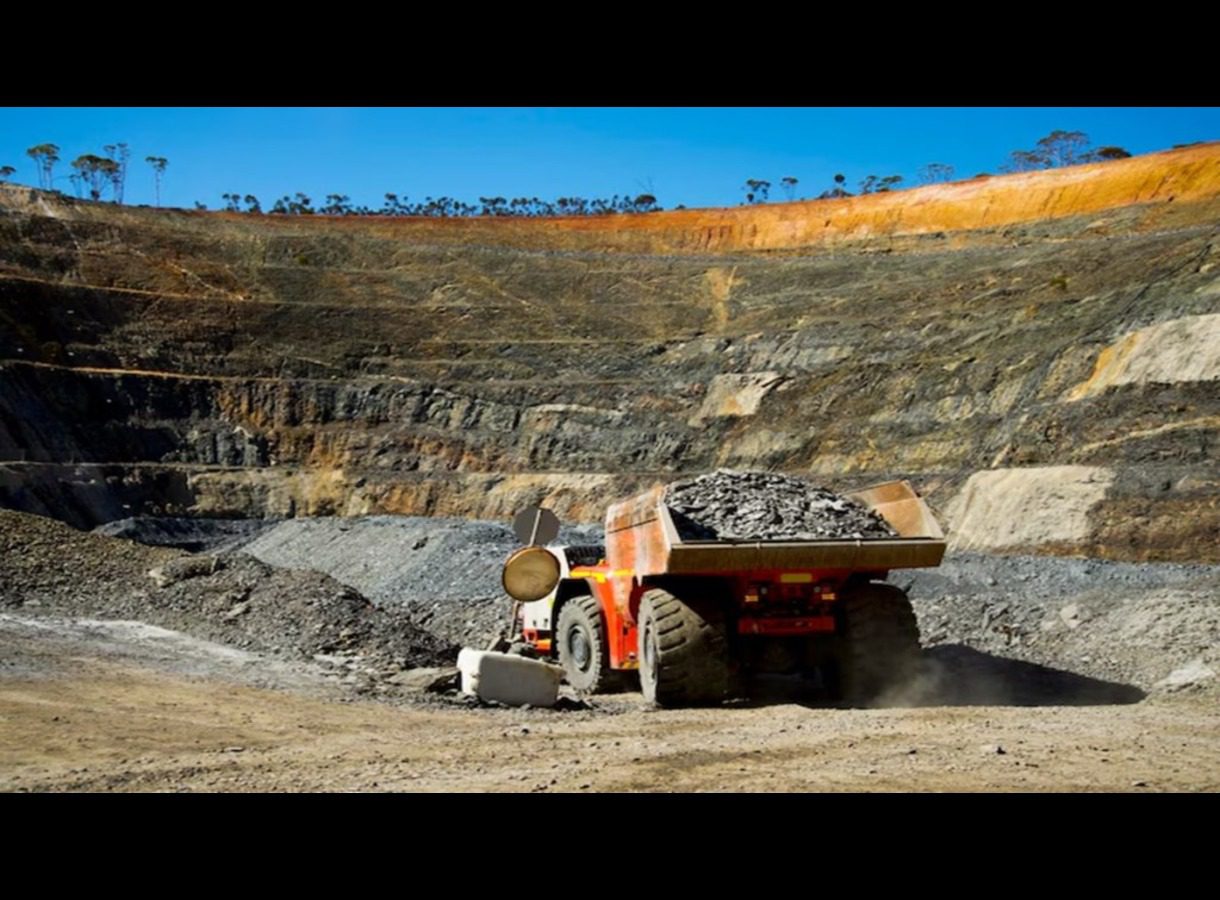
The District Mineral Foundation (DMF) was conceived as a transformative institution to ensure those who bear the brunt of mining activities also share its benefits. Set up in March 2015 under the Mines and Minerals (Development and Regulation) Act, the DMF is designed to channel mining revenues to improve the lives and livelihoods of affected communities. However, a detailed assessment of 23 states and key DMF districts by me and my colleagues paints a concerning picture.

While DMFs have collected over Rs 1.03 lakh crore, only about 40% has been utilised. Worse, much of this spending has been directed towards capital-intensive projects — roads, bridges, buildings, parking lots, and water pipelines — that should ideally be funded by state and central government budgets. The projects that matter most to mining-affected communities — livelihoods, skills, education, health, and support for small businesses — have received minimal investments.

With India’s continued economic growth and increasing mineral demand for the energy transition and net-zero goals, this fund will continue to expand. Our projections indicate Rs 2.5-3 lakh crore could be collected over the next 10 years. If this money is utilised prudently, it can transform the lives of millions of India’s poorest people. We must therefore ask: Will the DMF be yet another noble initiative that failed to deliver, or will it evolve into a truly participatory and people-centric institution?

Intent vs reality

DMFs came into being after decade-long discussions on the issue of “resource curse”. The fact that India’s richest mining districts are inhabited by some of its poorest people prompted the government to set up the DMF as a non-profit trust. Mining firms are required to contribute an amount equal to 10-30% of the royalty to DMFs for investments to improve the lives of affected people. In September 2015, the government launched the Pradhan Mantri Khanij Kshetra Kalyan Yojana (PMKKKY) to guide DMFs on planning, prioritising, and utilising the funds.

DMFs are present in 645 districts, but the funds are largely concentrated in 50. In fact, the top 21 districts, which have each collected at least Rs 1,000 crore, account for nearly two-thirds of the total DMF accruals. These districts are largely tribal-dominated with high multi-dimensional poverty.

Our assessment shows that the biggest challenge with DMF implementation is governance. DMFs in all districts essentially function as extensions of the district collectorate, with district collectors/magistrates chairing both the governing council (GC) and managing committee (MC), undermining the accountability of the institution. The GC and MC are also dominated by officials, MPs, and state legislators, with minimal representation of the affected communities despite legal provisions for their participation. Worse still, none of the districts have identified mining-affected people, making it easier for DMF projects to be dictated by district administrations rather than community needs.

Investment planning is also unstructured in most districts. While annual and perspective planning is mandated under the PMKKKY, no DMF has developed a structured annual plan or published a five-year perspective plan. Most projects are approved in an ad-hoc manner without thorough need assessments involving gram sabhas, another legal infringement.

The failure of the institution has translated into the misallocation of funds. As mentioned above, infrastructure projects have received the largest share of DMF spending, locking the districts into expensive servicing and maintenance.

Consider Jharkhand, where over 40% of the funds have been allocated to large piped drinking water projects. But these projects are plagued by delays and operational inefficiencies, with little investment in decentralised water management solutions that could sustainably serve affected communities. Similarly, in Chhattisgarh, a significant portion of education funds has been spent on building schools and hostels, but without corresponding investments in teachers, learning material, or digital education infrastructure.

The lack of investment in human capital is particularly concerning. Our analysis shows that less than 5% of DMF funds have been spent on employment generation initiatives. In mining districts like Dhanbad and Kendujhar, where thousands of workers have lost livelihoods due to mechanisation and mine closures, DMFs have failed to provide meaningful alternatives.

Need for urgent reform

Despite the shortcomings, the DMF remains the only hope to alleviate poverty and bring development to mining-affected regions. To make it an effective instrument for social justice, the following reforms are critical:

Reform governance: DMFs should be independent, community-led institutions rather than extensions of district administrations. Mining-affected communities must have at least one-third representation in the GC and MC.

Participatory planning: All DMFs should be required to develop five-year perspective plans based on comprehensive community consultations. These should align with district development goals but prioritise the needs of the people.

Fund utilisation in high-priority sectors: The revised PMKKKY guidelines should be strictly enforced to ensure at least 70% of DMF funds are spent on critical needs like healthcare, education, livelihoods, and skill development. State governments must be held accountable for aligning their DMF spending with national guidelines.

Independent oversight: DMFs should be subject to mandatory social audits and financial reviews by independent agencies. The Comptroller and Auditor General should conduct periodic evaluations of DMF spending and impact.

Endowment fund: Many coal-mining districts are facing a future of declining production. DMFs should create endowment funds to support economic diversification and just transition strategies for workers and communities affected by mine closures.

Improve transparency and accountability: Every DMF should maintain an up-to-date website with real-time information on fund allocations, expenditures, and project progress. A grievance redress mechanism should be established to address community concerns about DMF spending.

A decade after its creation, the DMF remains a work in progress. The problem is not a lack of funds but a lack of vision and political will to ensure the DMF serves its intended purpose. For the DMF to truly fulfil its mandate, we need urgent, systemic changes that put communities at the centre of decision-making. Anything less would be a betrayal of the very people the DMF was meant to serve.

The Mahakumbh of environment

Given the powerful sway of faith, it must work together with science and technology to repair humanity’s broken relationship with nature.

Faith must unite with science to heal humanity’s bond with nature.

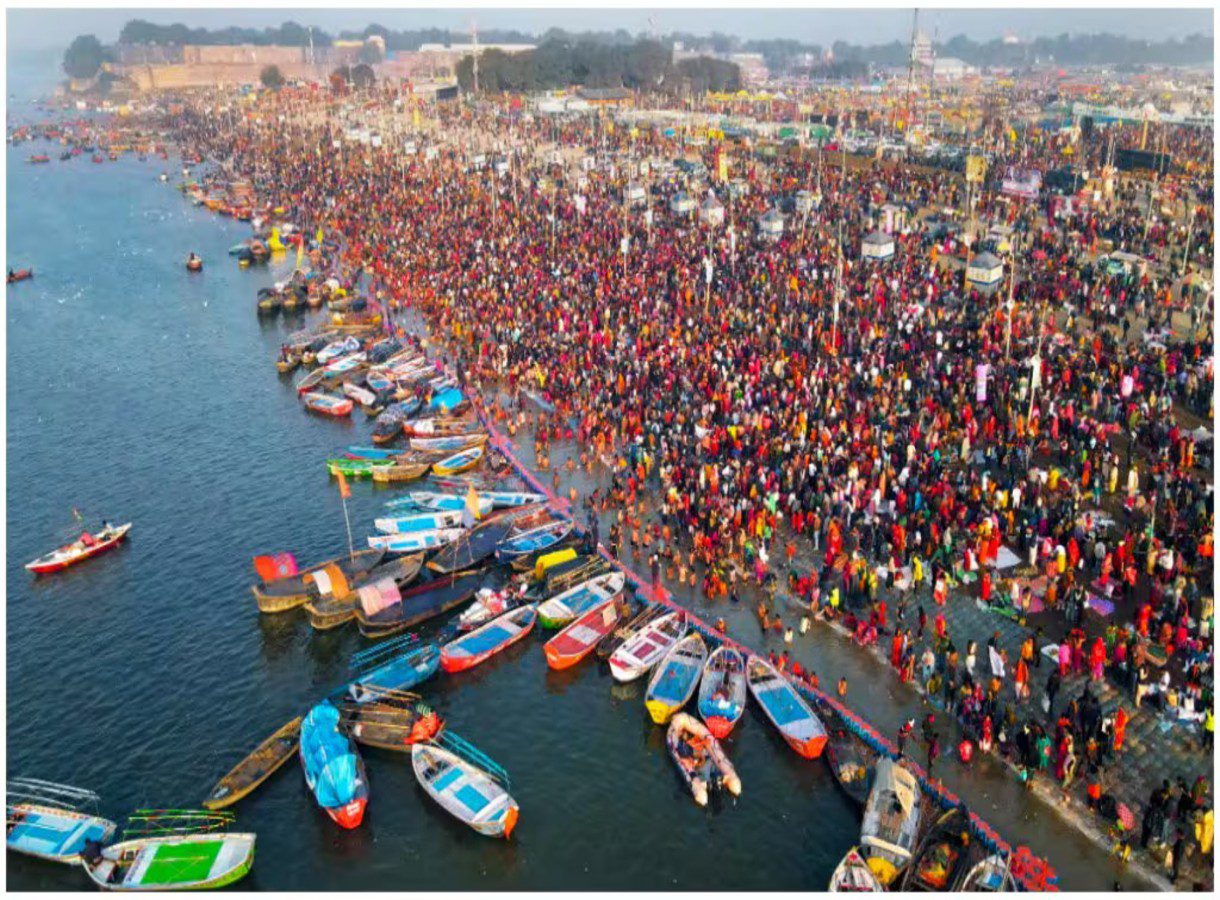
The Mahakumbh Mela 2025 has left an indelible mark on history. According to official data, more than 650 million people participated in this monumental event — equivalent to the combined population of the US and Indonesia, the third- and fourth-most populous countries in the world. This staggering figure cements the Mahakumbh as the largest human gathering ever recorded. Yet, beyond the numbers lies an experience that cannot be explained through statistics — the palpable energy of faith, the profound sense of unity, and a seemingly primal instinct that drew millions across thousands of kilometres for a fleeting moment of spiritual renewal. To witness the Mahakumbh was to feel humanity at its most elemental.

However, the event was not without its challenges. Many devotees died in a tragic stampede, logistical hurdles tested organisers, and concerns about water quality lingered. Still, the Mahakumbh concluded with remarkable order, safety, and a surprising degree of environmental care.

The grounds were strikingly free of plastic litter, open defecation, or festering garbage piles. Thousands of mobile toilets and three temporary sewage treatment plants were installed to ensure proper sanitation. Additionally, the mela was illuminated with solar power and single-use plastics were banned.

Even more astonishingly, there were no disease outbreaks, which might have been expected at a gathering of such magnitude. Charity and compassion were evident everywhere, with numerous organisations providing shelter and food to countless pilgrims. It is difficult to imagine any other nation managing such a colossal convergence with similar care and generosity. But as the last pilgrims depart, a pressing question looms: Can such a gathering of faith endure in a world increasingly battered by climate change and environmental degradation?

The fact is that the Ganga and Yamuna are already under grave threats. Despite four decades of river-cleaning efforts through the Ganga Action Plan (started in 1986), Yamuna Action Plan (1993) and the Namami Gange Programme (2014), a little more than half of the sewage entering the rivers is treated, while chemical-laden agricultural run-off continues to degrade water quality. On top of this, melting glaciers in the Himalayas, coupled with erratic rainfall — accelerated by global warming — is projected to further reduce both the quality and quantity of water in these rivers and their tributaries. These persistent and emerging environmental concerns raise serious doubts about the continuity of a tradition that has thrived for millennia.

This tension between reverence and sustainability took centre stage at a groundbreaking conclave during the Mahakumbh Mela on February 16. Titled “Faith of Kumbh and Climate Change,” the conclave brought together religious leaders, scientists, policymakers, and civil society to discuss the role of faith in addressing climate and environmental crises. Topics such as environmental management during religious congregations and greener places of worship were also explored.

The initiative, organised by the environment department of the Uttar Pradesh government and iFOREST, sought to merge the sacred with the sustainable, recognising that religious leaders and faith-based organisations — armed with moral authority and vast grassroots networks — could be vital allies in combatting climate change and environmental degradation.

The power of faith

India is a deeply religious country, and faith holds an unparalleled sway over the majority of its people. It has shaped, and continues to shape, values and behaviours in ways that science and government policies have struggled to achieve.

The fact is that the teachings of all major religions provide guidance on environmental preservation. Hinduism and other Indic faiths consider nature divine, making its protection a sacred duty. Abrahamic religions, too, emphasise stewardship over God’s creation. But these teachings are rarely reinterpreted for the present or emphasised in sermons and religious gatherings. While some spiritual leaders have championed environmental causes, sustainability remains a low priority for most faith-based institutions. Imagine, however, if every sermon and religious gathering urged followers to shun plastic, conserve water, plant trees, install renewable energy, and embrace sustainable lifestyles. Such shifts, rooted in religious duty, could ignite a grassroots revolution.

At the conclave, this potential of faith-based organisations in raising environmental awareness, educating communities, and driving meaningful action garnered support from all. The need to integrate science with religious teachings to tackle the environmental crisis was also endorsed. Many religious leaders also emphasised the necessity of making the Mahakumbh more sustainable. As one prominent spiritual leader pointed out: “If we do not care for the environment, the Mahakumbh of the future will take place on the sands of Prayagraj, not in the waters of the Triveni.”

The Mahakumbh Declaration

A key outcome of the conclave was the Mahakumbh Declaration on Climate Change. Under this, the UP government has pledged to “green” religious institutions and congregations across the state. The state envisions temples, mosques, and shrines becoming models of sustainability. The state’s pledge includes funding faith-based organisations to promote environmental and climate education, campaigns, and practices.

It is important to recognise that the environmental crisis, including the climate crisis, is not just a technological or economic challenge but also deeply spiritual. It reflects humanity’s broken relationship with nature, a disconnect that faith, science, and technology must work together to repair. And in this, faith may well be our most powerful ally.

US polls: Who is pro-climate?

These are anxious times for the climate community, watching with bated breath to see who will become the next US president. The last time Donald Trump held office, he withdrew from the Paris Agreement and stalled efforts to curb domestic emissions. But would Kamala Harris take a radically different approach from Trump on climate issues?

Since 1992, when the first global climate agreement was signed by George HW Bush, a Republican president, Democrats — often considered pro-climate — have held the White House for 20 years, compared to 13 years for Republicans. Yet, US emissions are currently only 3% below 1990 levels, meaning they have remained virtually unchanged. In contrast, the European Union, which had similar international commitments, has reduced its emissions by more than 30%.

So why has the US historically struggled to address the climate crisis, both domestically and internationally? And what does the future hold? To answer this, it’s crucial to grasp a few key facts.

Historically, the US has been the largest consumer of fossil fuels. For the past six years, it has also been the world’s largest producer of oil and gas. In 2023, it outproduced Saudi Arabia and Russia — ranked second and third respectively — in oil. Similarly, it produced more gas than Russia and Iran combined, the next two largest producers.

Now, the Republican Party, under Trump, has positioned itself as a party of climate denial. Trump’s vice-presidential nominee, JD Vance, did not even acknowledge during the debate that carbon emissions drive climate change. Trump has repeatedly claimed that wind farms cause cancer and that solar panels are wasteful, while promoting the idea that increased oil and gas production is crucial for creating jobs, reducing inflation, and “Making America Great Again”

The political calculus behind this is straightforward: most oil- and gas-producing states are either Republican or key battlegrounds. Texas, the largest oil and gas producer, has voted Republican since 1980, and Trump won the state in both 2016 and 2020. Similarly, Louisiana, West Virginia, Oklahoma, North Dakota, and Colorado are all large oil and gas producers and lean Republican. No Republican candidate can afford to alienate these states by opposing fossil fuel interests.

On the other hand, Democrats attempt to walk a fine line with an “all-of-the-above” energy policy. They advocate renewable energy (RE) and electric vehicles (EVs) but remain committed to oil and gas production. Joe Biden and Kamala Harris have boasted that their administration has overseen record oil and gas production. Harris has even reversed her previous stance on fracking, now supporting large-scale shale gas extraction in Pennsylvania, a key swing state. Winning Pennsylvania is often pivotal in securing the White House, which pressures both parties to support fracking.

In essence, the influence of the oil and gas industry on US elections is so strong that neither party can afford to oppose it outright. As a result, under both Republicans and Democrats, the US will continue to produce and consume large quantities of oil and gas, making it difficult to reduce emissions.

Additionally, Republicans have framed climate change in terms of economic nationalism. During the debate, Vance argued that because the US economy is “clean” in terms of emissions per unit of GDP, ramping up domestic energy production and manufacturing would help combat the climate crisis by reducing reliance on imports from “dirtier” countries like China. Interestingly, Democrats have subtly supported this position, reflecting a broader bipartisan shift toward protectionist economic policies.

Overall, the trajectory of US climate politics in the coming years — whether under Harris or Trump — will likely emphasise domestic oil and gas production alongside protectionist economic policies. Kamala Harris may promote a pro-climate agenda, incentivise RE and EVs, and engage internationally, but these efforts are unlikely to decarbonise the US economy at the required speed and scale. Trump, conversely, will likely continue an anti-climate stance, focusing on fossil fuel expansion. While the US may struggle more under his leadership on climate mitigation, the difference may ultimately be marginal. But this political economy of fossil fuels is not unique to the US; it is playing out, or will play out, in all fossil fuel-dependent countries.

Every nation will eventually need to eliminate or drastically reduce its production of fossil fuels to address the climate crisis. The Intergovernmental Panel on Climate Change has stated that this must be done by 2050. To meet this target, developed nations must phase down fossil fuels early, while developing countries have a slightly longer timeline. While there is now international consensus on this, as reflected in last year’s agreement in Dubai, the economic and political challenges remain daunting.

Just as the US struggles with the political and economic influence of fossil fuel-dependent states, democracies like India will face similar challenges once the discussion on phase-down begins. States like Assam, Odisha, Jharkhand, Chhattisgarh, Madhya Pradesh, Telangana, Maharashtra, and West Bengal rely heavily on fossil fuels for jobs and revenue. These states collectively hold nearly 200 parliamentary seats, and US-style politics around fossil fuels could potentially play out in India as well. Meanwhile, countries like Saudi Arabia and Russia face different challenges, as they depend on oil and gas revenue for their very survival.

This is where the concept of a “just transition” becomes critical. A just transition means that countries must diversify their economies away from fossil fuels in a way that doesn’t unduly harm jobs, revenues, or businesses. It ensures that workers, communities, and industries affected by the fossil fuel phase-down are provided support to make the transition. This is the only concept that can bring Republicans and Democrats together in the US and unite political parties in other democracies to solve the climate crisis. The US will need to ensure a just transition for Texas, just as India must do the same for Jharkhand. Achieving this will require more than technology; it demands a socioeconomic transformation involving careful planning, massive investments, and global cooperation. Without this, the world will continue to falter in its fight against the climate crisis, just as the most powerful economy has done over the past three decades.

Renewable Energy waiver no longer a boon

Investments in ISTS grid infrastructure dedicated to RE projects have surged over the past decade, as new transmission lines and substation capacities have been developed to transfer power from RE-rich states to low-RE states.

The inter-state transmission system (ISTS) charge and loss waivers for renewable energy (RE) between Indian states are set to be phased out by 2028. Initially introduced to support the RE sector, the waiver has been extended several times due to demands from developers and the industry. However, as the solar and wind energy markets have matured, it’s crucial to reassess the merits and drawbacks of the policy, especially given renewed calls to continue the waiver beyond 2028.

The ISTS waiver, introduced in 2016 by the ministry of power, was designed to help states with relatively low solar insolation and wind potential (low-RE states) meet their renewable purchase obligations (RPO) in a cost-effective manner. By allowing these states to import from RE-rich states without incurring ISTS charges, the policy aimed to prevent them from paying high RE tariffs. The ultimate goal was to create a “level playing field” across all states, promoting the use of RE nationwide.

In its early years, the ISTS waiver played a key role in accelerating RE adoption. States with abundant solar and wind resources, such as Rajasthan, Gujarat, and Karnataka, saw a surge in RE projects. These states could export RE to other states, helping them meet their RPOs without the burden of transmission costs. However, in recent years, several unintended consequences have emerged.

One of the major impacts of the ISTS waiver has been a significant imbalance in RE growth across states. Despite the availability of good solar resources in nearly all states, 83% of RE capacity is concentrated in just seven — Rajasthan, Gujarat, Tamil Nadu, Karnataka, Maharashtra, Andhra Pradesh, and Telangana. This concentration is largely due to market distortions caused by the ISTS waiver in a highly price-sensitive sector. Here’s why.

The cost of procuring power from solar projects located in states like Rajasthan or Gujarat by utilities in low-RE states like Odisha or Chhattisgarh includes generation costs, ISTS charges, and minor additional costs. An analysis comparing two RE-rich states (Rajasthan and Karnataka) with six low-RE states (Assam, Bihar, Chhattisgarh, Jharkhand, Odisha, and West Bengal) shows that the difference in generation costs ranges from Rs 0.02/kilowatt-hour (kWh) to Rs 0.40/kWh. However, the ISTS charge waiver for transactions between RE-rich and low-RE states is estimated to range from Rs 0.40/kWh to Rs 0.90/kWh. In other words, the ISTS waiver is now larger than the cost differential in generating RE across different parts of India.

If the ISTS waiver is eliminated, it will be cheaper for states to install and use RE locally, rather than importing power from thousands of kilometres away. For example, without the waiver, the cost of procuring solar power for a utility in Chhattisgarh from a local project is approximately Rs 2.78/kWh, compared to Rs 3.24/kWh from a project in Rajasthan and Rs 3.36/kWh from a project in Karnataka.

Due to the ISTS waiver, a few states have become RE hubs, while the rest have lagged in RE growth. This imbalance undermines the policy’s initial goal of fostering equitable RE development across states. Rather than developing their own resources, low-RE states have become overly reliant on energy imports, which has hindered their progress in building local renewable infrastructure.

Investments in ISTS grid infrastructure dedicated to RE projects have surged over the past decade, as new transmission lines and substation capacities have been developed to transfer power from RE-rich states to low-RE states. iFOREST estimates that these investments account for 30-45% of total grid infrastructure investments in recent years. If the ISTS waiver continues, massive investments will be required to build grid infrastructure solely to transfer power between states. It would be more prudent to first promote local RE generation and consumption than prioritise inter-state transmission projects.

There are additional impacts of the ISTS waiver, such as an unequal burden of transmission costs on certain states, particularly northeastern, that use less RE from the ISTS grid. Also, inter-state transmission is itself becoming a bottleneck for the RE industry’s growth as ISTS projects are being installed at a much faster pace than the expansion in transmission grid.

It is clear that the ISTS waiver impedes the goal of equitable RE growth. Although some low-RE states have tried to mitigate the waiver’s impact by offering higher subsidies, these measures are insufficient. For balanced growth and healthy market competition, the ISTS waiver should be phased out as scheduled.

India has experimented with “price equalisation” policies in the past, often with negative consequences. The freight equalisation scheme for coal, for instance, was meant to promote balanced industrial development across India but ended up impeding the industrialisation of mineral-rich eastern states. We should not repeat the mistake.

A Green Urea Mission has economic, environmental benefit of $1 trillion over 25 years

The most viable path forward is to decontrol the urea sector and allow market competition, similar to other fertilisers.

Urea causes three major environmental problems: nitrogen pollution, ozone layer depletion, and climate change, largely because of its overuse and inefficient use.

One of the core priorities in this year’s Budget is “productivity and resilience in agriculture”. Under this, the government plans to promote natural farming, enhance the production of pulses, oil seeds, and vegetables, transform agricultural research, and prioritise climate-resilient crops. While these are important and much-needed goals, the road to productive and resilient agriculture goes through a reformed fertiliser sector, especially urea. Here’s why.

Since the Green Revolution, the nation has relied on urea to provide the nitrogen necessary for higher crop yields. Today, urea accounts for 56% of all fertilisers, and nearly 80% of all the nitrogenous fertilisers used. However, this over-reliance has a very high cost for the economy and environment. Urea causes three major environmental problems: nitrogen pollution, ozone layer depletion, and climate change, largely because of its overuse and inefficient use.

The overuse of urea in India has reached unsustainable proportions. While the recommended ratio of nitrogen, phosphorus, and potassium (NPK) fertilisers is 4:2:1, in 2022-23 the ratio of actual applications was 11.8:4.6:1. On top of this, the nitrogen use efficiency (NUE) is only 35%, compared to more than 50% in North America, and close to 80% in a few European countries. This means that only about 35% of the nitrogen in urea is used by crops; the rest is lost to the environment, leading to water and air pollution, and soil degradation.

Today, nitrate pollution of surface water and groundwater has reached alarming levels in many states of India, especially in Punjab, Haryana, and Uttar Pradesh. It is estimated that the cost of water pollution due to urea in India is about $30 billion yearly, more than the turnover of the urea industry. There is also widespread soil sickness due to imbalanced application of urea, which has been highlighted by the prime minister numerous times.

Today, nitrate pollution of surface water and groundwater has reached alarming levels in many states of India, especially in Punjab, Haryana, and Uttar Pradesh. It is estimated that the cost of water pollution due to urea in India is about $30 billion yearly, more than the turnover of the urea industry. There is also widespread soil sickness due to imbalanced application of urea, which has been highlighted by the prime minister numerous times.

The burden of urea on the economy is equally staggering. Urea subsidy has skyrocketed from less than 500 crore in 1980-81 to168,692 crore in 2022-23. Today, urea subsidy is about 85-90% of the cost of production; it used to be 20-40% of the production cost in the 1980s. The problem is compounded by the fact that this production is based on imported natural gas. In 2022-23, 84% of urea was produced from imported natural gas, and about 21% of total consumption was imported urea. So, nearly 90% of urea consumed in the country was either imported or produced using imported natural gas.

Urea, therefore, sits at the intersection of food, energy, and environmental security. Thus, decarbonising urea production to reduce reliance on imported natural gas and optimising consumption is critical to a resilient agricultural sector. The good news is that technological advancements in the manufacturing and application of urea can solve many of the above-mentioned problems.

Green Urea Mission

A detailed study by me and my colleagues found that it is possible to halve urea consumption in the next two decades from the current levels without compromising food production by strengthening existing policies such as promoting natural farming, enhancing NUE, and reducing the proportion of urea in nitrogenous fertilisers. Most importantly, it is economically viable to transition the existing urea manufacturing plants based on natural gas to green hydrogen and renewable energy by 2050. Our plant-by-plant modelling results show that green urea, produced from green hydrogen, is the cheapest route for India to produce urea from 2027 onwards. The average levelised cost of green urea between 2025 and 2050 is about $475/tonne compared to $540/tonne for grey urea produced from natural gas.

To achieve the desired results, the government will need to launch a Green Urea Mission, integrated with the National Green Hydrogen Mission, to transition the urea manufacturing sector to green urea. The mission should also have a 30:30:30 target for 2050: increasing the area under non-chemical farming to 30%, improving NUE by 30%, and reducing the proportion of urea in nitrogenous fertilisers by 30%.

If the Green Urea Mission is adopted, imports will be eliminated, subsidies will be reduced by 65%, and GHG emissions will decline by over 60%. Water and air pollution will also be significantly mitigated, and land degradation will be reversed. Most importantly, it will drive the growth in the two emerging industrial sectors — green hydrogen, and carbon capture and utilisation. The monetary value of these benefits is about $1 trillion in the next 25 years.

However, the mission’s success will depend on the extent of government control over the urea sector. Currently, the industry is highly regulated, has low profitability, and lacks incentives to innovate and modernise. The average age of urea plants is 30 years, with 45% of units over 40 years old, operating through renovation and modernisation (R&M). Our modelling results show that R&M is the most expensive way to produce urea.

The most viable path forward is to decontrol the urea sector and allow market competition, similar to other fertilisers. This would drive technological advancements, improve efficiency, and reduce prices. Such measures are necessary for building a future-ready agricultural sector.

Social media & sharing icons powered by UltimatelySocial