
 Apr 27, 2026
  5 min read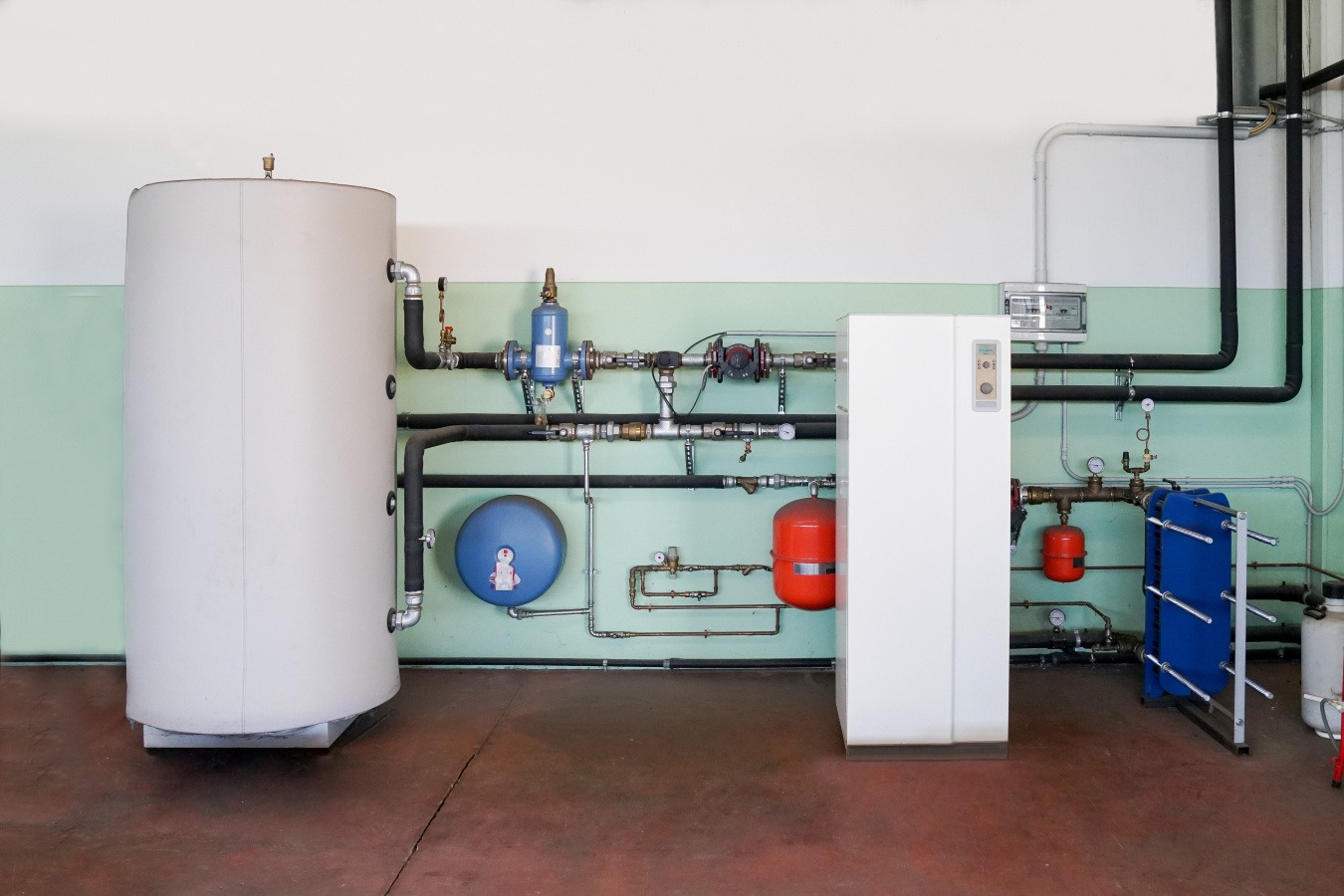
India has not focused on replacing gas use with more efficient & environment-friendly technology, leading to dependence on a fuel whose supply isn’t always reliable
A WAR IN West Asia has bared a problem ignored for years in India’s energy policy. Small industries in India are close to shutting down if there is any gas (LPG/PNG) supply problem. A heat pump may be a solution that was not planned earlier.
The disruption began when the Strait of Hormuz was effectively shut after attacks on Iran on February 28. This led to one of the biggest supply disruptions in energy markets. India has no significant strategic buffer for natural gas, with supply dependent on continuous imports, while strategic reserves cover only nine-10 days (ministry of petroleum and natural gas), limiting resilience during disruptions.
This situation was not created by small businesses. It developed due to increased dependence on imported gas (LPG/PNG) without building enough alternatives.
Responding to the crisis, the government prioritised the supply of cooking gas for households. This was necessary, but it left commercial and industrial users on their own. Restaurants, bakeries, textile units, and small factories, which together employ more than 100 million people, were left to fend for themselves. Some states responded quickly. Tamil Nadu, for example, supported electric cooking solutions for restaurants, but these are short-term responses and not resilience-building measures. Direct import disruptions and supply prioritisation exposed the Indian MSME sector.
To understand the problem, it is important to see how gas is used in India’s 63 million MSMEs. It is not used primarily for lighting or cooking. It is used to produce heat for industrial processes. This includes bakery ovens, dairy pasteurisers, textile boilers, and rubber curing machines. This type of heat is called process heat, and is the backbone of manufacturing.
According to the Bureau of Energy Efficiency, MSMEs use about 25% of industrial energy in India. A large share of this thermal energy is generated from LPG and natural gas. Most of this demand is for temperatures below 200 degrees Celsius. Sectors like food processing, dairy, textile, dye and pigments, and consumer goods manufacturing operate within this temperature range. This is important because an alternative technology already exists to provide process heat for these temperature needs.
That technology is the industrial heat pump.
Heat pumps do not burn fuel. They transfer heat from air, ground, or waste sources and provide usable heat using electricity. For every unit of electricity used, they can produce two or more units of heat. This means no combustion, no dependence on imported gas, and less exposure to global supply risks.
This is not a new or experimental technology. Heat pumps are widely used in Europe, Japan, and South Korea in sectors like food processing, textiles, and chemicals. Their adoption increased in Europe after the 2022 gas crisis during the Russia-Ukraine conflict. Countries that had already invested in this technology were able to manage the shocks better.
India has made strong progress in electrification in recent years. There has been major growth in solar and wind capacity, expansion of electric mobility, and plans for green hydrogen. However, industrial process heat, especially for small industries, has not received enough attention. Existing programmes have focused more on improving efficiencies in gas use rather than replacing it with more efficient and environment-friendly technology. As a result, many industries have become dependent on a fuel whose supply is not always reliable. India also plans to increase the share of natural gas in its energy mix from 6.5% to 15% by 2030, but without enough preparations for import-led supply disruptions.
A recent assessment by the International Forum for Environment, Sustainability & Technology (iFOREST) shows that heat pumps are both technologically and economically suitable for many MSME sectors. In sectors like food processing and textiles, the investments can be recovered in a reasonable time, especially when combined with rooftop solar. The major gap in enhanced adoption is not technology or cost. It is a lack of a clear and focused policy framework.
The present situation has shown India’s ignorance of geopolitical supply-chain vulnerabilities in its industrial energy planning
Four steps can help address this. First, there is a need to map gas use at the cluster and process level. This data is currently missing and limits effective planning. Second, a focused Heat Pump Mission for MSMEs should be launched with financial support, access to credit, and technical assistance at the cluster level. Third, while expanding gas connections, industries should also be supported in shifting towards electric alternatives. Every new gas connection should be accompanied by an assessment of electric options. And, fourth, necessary policies should be in place to strengthen domestic heat pump manufacturing.
The Strait of Hormuz will reopen, and gas supply will stabilise. But this moment should be seen as a warning. The present situation has shown India’s ignorance of geopolitical supply-chain vulnerabilities in its industrial energy planning. A bakery owner in Nagpur, a cloud-kitchen owner in Chennai, or a ceramic manufacturer in Morbi should not have to face the impact of a distant conflict. Providing access to local, reliable, profitable, and efficient solutions like heat pumps is not just an ideal policy proposal. It is a practical and necessary step.