
 Published in
  Jun 12, 2026
  5 min read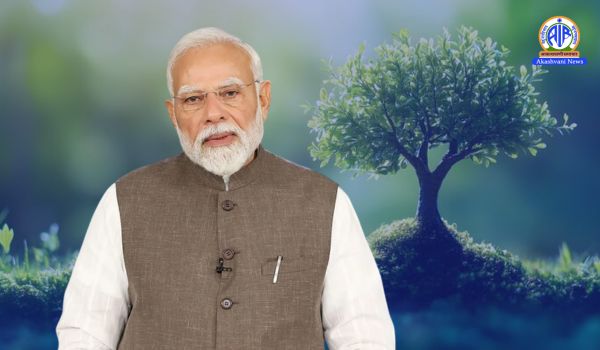
From Swachh Bharat to LiFE, the PM has given environmental agenda a distinctly Indian vocabulary rooted in Deendayal Upadhyaya’s integral humanism.
As Narendra Modi becomes India’s longest continuously serving elected Prime Minister, it is worth asking: What is his environmental philosophy, and what drives his environmentalism?
This question has often engaged me when I have heard him speak on cleanliness, water conservation, green energy, climate change, and ecological protection. He is perhaps the only PM who has spoken so consistently from the Red Fort about changing behaviour, practices, and policies to improve India’s environment.
In his first Independence Day speech in 2014, he spoke about cleanliness and the need to eliminate open defecation. He returned to the theme year after year, launched the Swachh Bharat Mission (SBM), and converted a subject of revulsion into a national movement.
In the early years, his focus was on local and traditional environmental problems — sanitation, indoor air pollution, water stress, waste, and soil health. More recently, he has engaged increasingly with globally relevant issues such as climate change, renewable energy (RE), and sustainable consumption.
Consider the local agenda first. In 2015, he highlighted indoor air pollution and the need for clean cooking fuel, which became the Pradhan Mantri Ujjwala Yojana (PMUY) in 2016. He also launched the Pradhan Mantri Krishi Sinchai Yojana with the slogan “save water, save energy, save fertilisers”. He has urged farmers to reduce fertiliser and pesticide use to protect soil, health, and nature, calling in 2021 for agriculture to be taken “out of the lab of chemistry” and connected to the lab of nature. On waste, after the SBM, he launched a campaign against single-use plastic, which was later backed by a ban on several such items.
Transitioning Local Activism
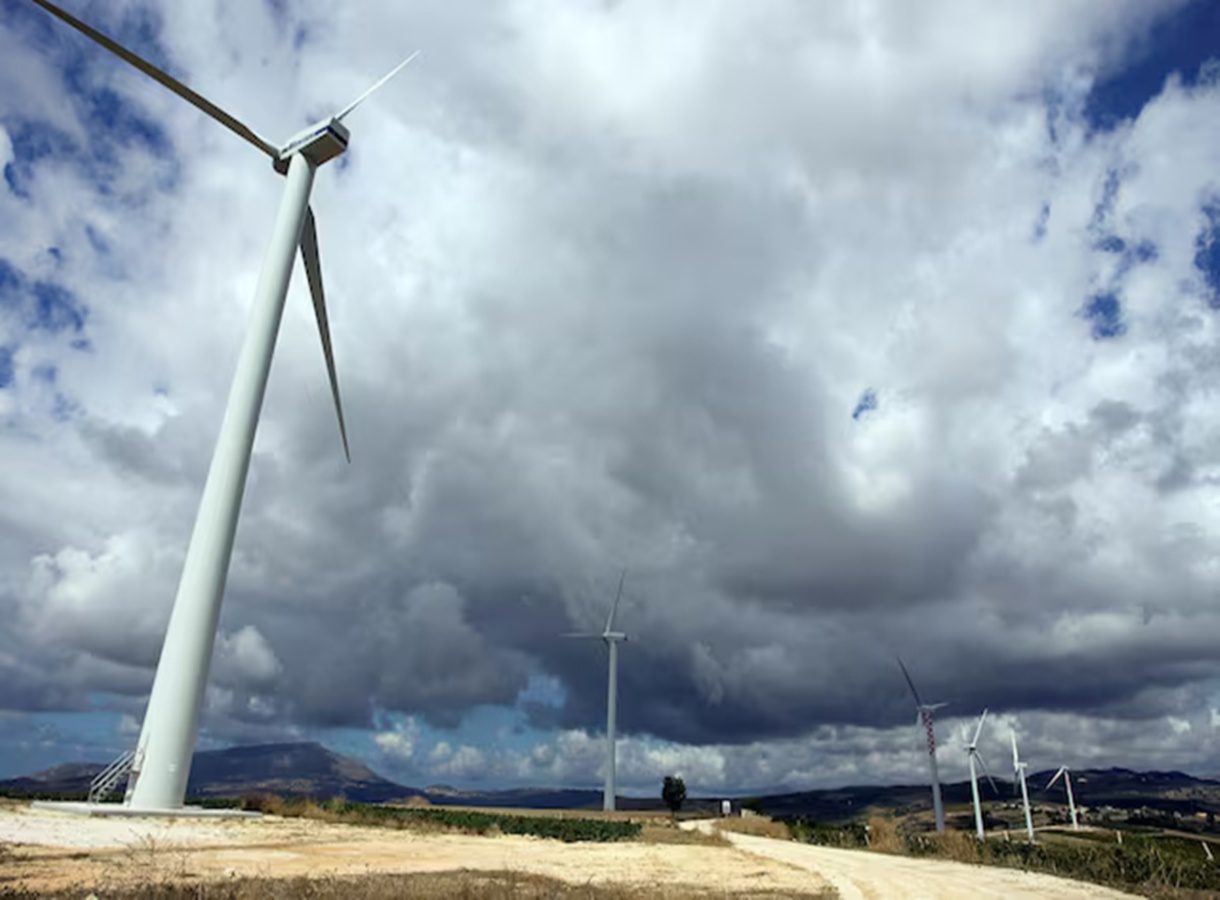
Energy and climate change have featured more prominently in his speeches since 2020, though the origins go back earlier. In 2009, as Gujarat’s chief minister, he set up India’s first climate change department. A votary of solar power since his Gujarat days, he expanded India’s solar and RE targets substantially and, in 2021, spoke of energy independence based on clean energy by 2047, including electric mobility, hydrogen, and a clean energy transition road map So, what philosophy explains these environmental actions? Four threads stand out.
The first is people-led change. People-centricity and mass mobilisation are central themes in his environmental policies and programmes. The pattern is clear: first build public consciousness, then follow it with policy.
The “Give It Up” campaign preceded the PMUY. His natural farming push is farmer-led. The Jal Jeevan Mission is framed as a Jan Andolan. The campaign against plastic began as a people’s movement before it became a legal ban. Swachh Bharat’s success has been credited by him to “Team India” and mass participation. Thus, PM Modi’s idea of the environment is linked to change at the level of individuals, households, and communities.
Socioeconomic Co-Benefits
The second thread is co-benefits. Actions that simultaneously improve the economy, environment, and public health seem to be a core motivation in his environmentalism. Flagship schemes delivering water, sanitation, cooking fuel, and electricity carry large environmental and health gains. For instance, one of India’s biggest air pollution gains in the last decade has come not from reducing vehicular emissions, but from the shift from biomass to LPG for cooking. His green energy ambition is also driven by energy security and the belief that future growth and jobs will come from the green economy.
The third thread is women-centricity. Improving the lives, health, and dignity of women runs through most of his programmes. He has described Jal Jeevan as a women-driven movement, framed the PMUY around women’s health and dignity, and said that women’s safety and dignity were central inspirations for the SBM. In this sense, his environmentalism is also the politics of everyday relief — less drudgery, cleaner homes, safer sanitation, and better health.
The fourth thread is a fusion of tradition and modern science. He invokes the panch tatva and green hydrogen in the same breath. His signature intervention at the UN climate negotiations — Lifestyle for Environment, or LiFE — draws from India’s tradition of restrained consumption.
But this belief in traditional wisdom has not stopped him from embracing modern science and technology. From building a digital economy to investing in electric vehicles and RE, his government has pursued technological modernisation with equal zeal.
Ultimately, to understand PM Modi’s environmentalism, one must understand Pandit Deendayal Upadhyaya’s integral humanism. In integral humanism, human beings are at the centre of development; culture moulds nature without destroying it; and unbridled consumerism is seen as alien to Indian civilisation. In lectures delivered in Bombay in 1965, Upadhyaya spoke about nature protection, sustainable agriculture, and the need to embrace modern science while improving upon India’s traditional knowledge and culture. In one of his lectures, he warned that chemical fertilisers could render land infertile. “How long can this dance of destruction go on?” he had asked. Modi’s passion for natural farming derives directly from that worldview.
PM Modi’s environmentalism, therefore, is best understood as integral humanism in practice. He has updated and expanded the ideas propounded by Upadhyaya. But his major achievement is that he has converted these ideas into policy, programmes, and mass mobilisation. In doing so, he has given India’s environmental agenda a distinctly Indian vocabulary — rooted in people, tradition, women’s dignity, public health, energy security, and modern technology.