
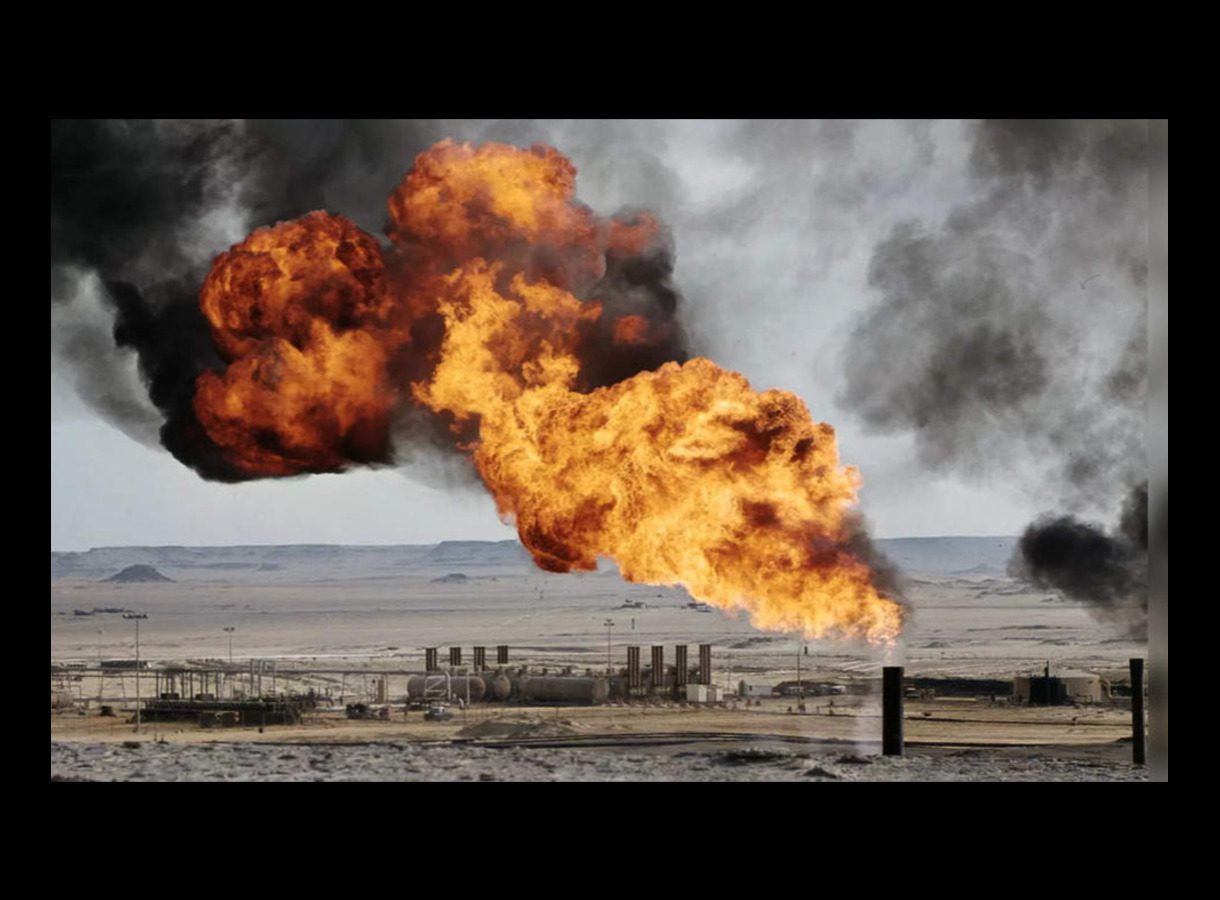
So, what can Dubai do?

COP28 will really test rich nations’ commitment to climate finance. Big Oil & Big Gas will be under severe scrutiny.

There is always a hype build around the annual United Nations Climate Change Conference. Every Conference of the Parties (COP) is projected as a do-or-die meeting. Success is typically measured by the grandeur of new pledges, with the n=host country basking in the glow of any significant commitments. However, the 28th COP, which begins on November 30 in Dubai, is unique because it is not so much about new promises (though there will undoubtedly be some) but what happened to the old ones. The question to be answered in Dubai this December is; have the countries kept their promise, and if not, what’s next? Dubai COP, therefore, is the first “official” reality check of the climate crisis. It is also a reality check for the oil and gas industry and for the commitment of the rich world to support poor countries in dealing with climate disasters.

The Paris Climate Accord, adopted in 2015 and signed by 195 countries is a unique treaty. While it has set an international goal to keep temperature increases within 1.5-2°C, it cannot force countries to cut emissions. Countries pledge voluntary commitments to reduce emissions, called Nationally Determined Contributions (NDCs), but these are not legally binding, and there is no penalty for non-compliance. What the Paris Agreement has is a process to review pledges every five years, called Global Stocktake (GST), to check where the world stands on climate action. The assumption is that disclosing information will put moral pressure on countries to enhance their commitments. The Dubai COP, therefore, is crucial because the results from the first-ever GST will be discussed here.

While all assessments clearly show that the current emissions trajectory will lead to a 3°C warning by the end of the century, the big question is what kind of message from GST will be delivered in Dubai. Would it be greenwashing, or would it call out countries for vapid and unmet commitments? This is important because the outcome of GST will inform the next round of NDCs that countries need to declare by 2025. These commitments will be implemented through 2025 and thus would decide climate action for the next 10 years. So, the right messaging from COP28 is crucial to unequivocally indicate what countries, developed and developing, are required to do to put the world on track to meet the Paris Agreements goals in the next decade, a decade which will decide whether we will win or lose the climate battle.

Then there’s the elephant in the room. Often touted as a cleaner fuel than coal, oil and natural gas (O&G) in 2022 accounted for 54% of global greenhouse gas emissions; coal accounted for 40%. O&G is the developed world’s fuel of choice. In the EU, for instance, they contribute about 60% of the total energy; coal’s contribution is 10%. The reliance on O&G is even greater at 70% in the US. In contrast, the dependence on coal is higher in emerging economies like India, China, South Africa and Indonesia.

Two years ago, at COP26 in Glasgow, an agreement was reached to phase down coal use. This concession was wrung from countries like India that depend heavily on coal to meet their energy demand. Despite repeated attempts, no such commitments have been made for O&G, although it is abundantly clear that prolonged reliance upon such fuels is entirely incompatible with the 1.5°C goal. Dubai, however, is the perfect venue to make such a commitment.

The UAE is the world’s eighth largest petroleum producer and very mush a petrostates. A recent Guardian expose found that the Abu Dhabi National Oil Company (ADNOC) has the most investment in new petroleum production projects. The CEO of ADNOC is Sultan Al Jabar, the man that the UAE has selected to preside over COP28. So, the stage is set for what the executive director of the International Energy Agency has called a “moment of truth for the (global) oil and gas industry’s efforts on climate”. Would the developed world and the petrostates agree to the O&G phase-down, or would this be another lost opportunity?

Perhaps the most critical issue for developing countries at COP28 is action on the Loss and Demage Fund (LDF), whose creation was agreed to last year at COP27 in Egypt. Recent years have seen a rapid acceleration of climate-related disasters. These impacts are being borne disproportionately by smaller, poorer, and inevitably less developed countries, which are least responsible for the climate crisis. LDF was envisioned to channel funds from rich economies into those most vulnerable to climate disasters.

While the agreement to create the LDF last year was undoubtedly momentous, we will see whether this vehicles will be given any teeth in Dubai. If it is left toothless and penniless, the Global South should accept that the North has no intention of taking any responsibility for its historic emissions and has no serious plans to help those in need.

The commitments made in Dubai on LDF and action on O&G will determine whether the goals of UNFCCC can be met. Will developing countries be made to bear alone the costs of adaption to a rapidly warming planet while the rich burn petrol and utter empty platitudes? Or will the developed world finally take responsibility for its historical emissions?

In essence, COP28 isn’t just another gathering; it’s a milestone event where the international community must confront the harsh truths about our collective (and differentiated) efforts to combat climate emergency
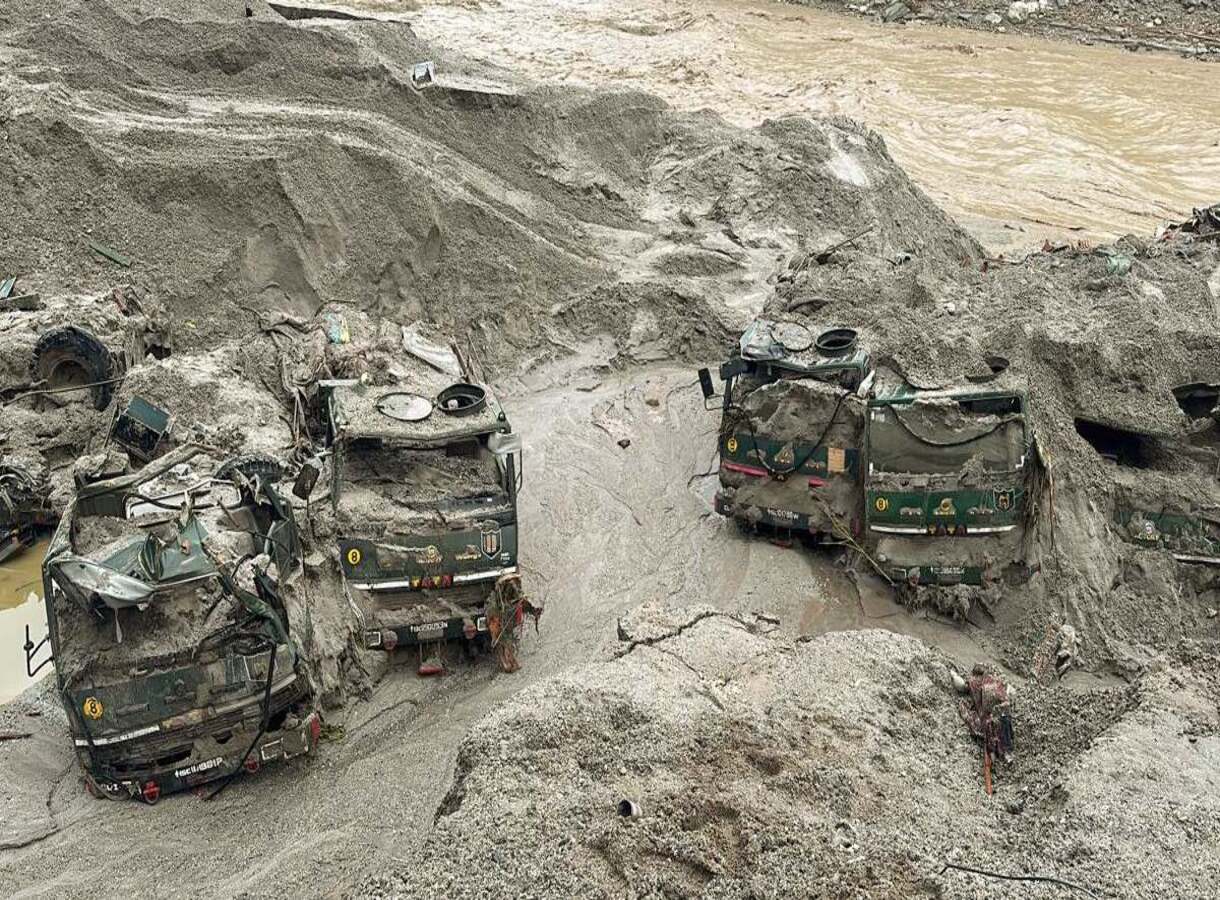
GLOF’s Sikkim shocker: Much before the flooding, local & green groups had flagged risks

The year 2023 has witnessed significant upheavals in the Himalayas. The Glacial Lake Outburst Flood (GLOF) in Sikkim that swept away humans, houses, bridges and a dam was the latest in a series of unsettling reports throughout the year. First came the sinking of Joshimath but it was soon overshadowed by devastating losses in Uttarakhand and Himachal Pradesh during the monsoon season; unprecedented rainfall and widespread landslides caused significant loss of life and property, particularly in Himachal.

But these are only the first days of climate change. As global warming accelerates, we will see an increase in the frequency and intensity of extreme weather events. In the Himalayas, this will translate to cloudbursts and accelerated glacial melt. These will lead to more landslides and avalanches, while glacial lakes will grow in both size and number.

Paired with the region’s elevated seismic risk, we see a perfect storm brewing in the Himalayas. The failure to consider this interplay of geological, hydrological, and meteorological hazards in the scramble to construct hydropower projects resulted in the tragedy in Sikkim.

As the complete picture of how this tragedy unfolded emerges, we know the following:

● Around midnight of October 3-4, the South Lhonak Lake’s embankment broke, creating a GLOF. This lake has tripled in size in the last three decades due to rapid melting of Lhonak glaciers, in turn due to global warming.

● An earthquake of 6.2 magnitude occurred in western Nepal at 14:51 hrs on October 3, which was felt even in Delhi. Scientists are investigating whether this earthquake could have led to a landslide/avalanche or weakened the lake’s embankment, starting a GLOF.

● Sikkim also received high rainfall from October 2 through to October 5. As per ICIMOD, on the night of October 3, there was heavy rainfall near the lake. This, too, could have caused the GLOF.

 About 50km downstream of South Lhonak Lake is the Teesta III dam at Chungthang. This massive rock-filled dam is Sikkim’s biggest hydel project. According to Teesta III chairman, on October 3, at 23:58 hrs, operators were informed by Indo-Tibetan Border Police about the GLOF. By 00:10 hours on October 4, a swell of water flooded the dam’s reservoir lake and washed away most of the dam before they could open the sluice gates.

● The dam’s spillway was not designed to accommodate high flow due to GLOF, and there was no functional early warning system for GLOF at South Lhonak Lake.

● The dam break led to massive flooding downstream, destroying roads, bridges, water and power lines, inundating towns and districts. Around 50 have died, and scores are missing. The economic losses will be thousands of crores. The destroyed dam itself cost about ₹14,000 crore. This dam was also hit by the 2011 earthquake, which destroyed a large part of the construction and claimed the lives of 40 workers.

● Wenow know that none of the early warning sensors installed for the critical glacial lakes in Sikkim in 2013, 2016 and even last month survived long enough to forewarn residents downstream.

● This, even though GLOF was identified as a significant risk to Teesta III. Back in 2005, the carrying capacity study of Teesta basin – based on which the environment ministry cleared Teesta III – had noted that the region was “quite susceptible to disastrous hazards due to Glacial Lake Outburst Floods”.

Multiple hazards thus were recognised for Teesta III, but risks were neither adequately assessed nor a mitigation strategy designed. This is how this highrisk project received clearance from multiple regulating agencies despite opposition from the local community and environmental groups. At the time, even clearance conditions did not mandate an early warning system or modifications in the dam’s design, to account for the possibility of a GLOF.

This problem is not unique to Teesta III. Big infrastructure projects in the Himalayas are neither vetted through a stringent risk assessment process nor designed to mitigate multiple risks and eventualities. As climate change continues, extreme events will become ever more common. The only way to prepare for these is by factoring in all risks at the project design stage and creating institutions that can make independent decisions based on risk assessments.

In this context, we must urgently re-evaluate the Environmental Impact Assessment and the Environment Clearance procedures. The existing EIA/EC framework has repeatedly shown inadequacies in handling high-risk projects. EIA reports often overlook comprehensive risk evaluations, and impacts of climate change are rarely factored in. Moreover, impact assessments are absent of advanced methodologies and technologies.

The existing EC approach must be equipped to address the challenges and unpredictability of the climate crisis, especially in the Himalayas. Additionally, for objectivity in the decision-making process, it is equally essential to establish independent bodies to conduct such assessments to inform decisions. For the Himalayas, we need a Trans-Himalayan Environmental Assessment and ManagementAgency staffed with experts from Himalayan states and UTs.

In the Himalayas 87 hydroelectric projects are operational, 30 are under construction with more on the horizon. The task is twofold: ensure these mega projects don’t exacerbate environmental problems, and then, safeguard valuable assets against multiple threats. This is the challenge that demands balance.

Sarkari Brains & Urban Drains

Extreme rainfall contributes to severe flooding, but the bigger problem is the mismanagement of the stormwater system.

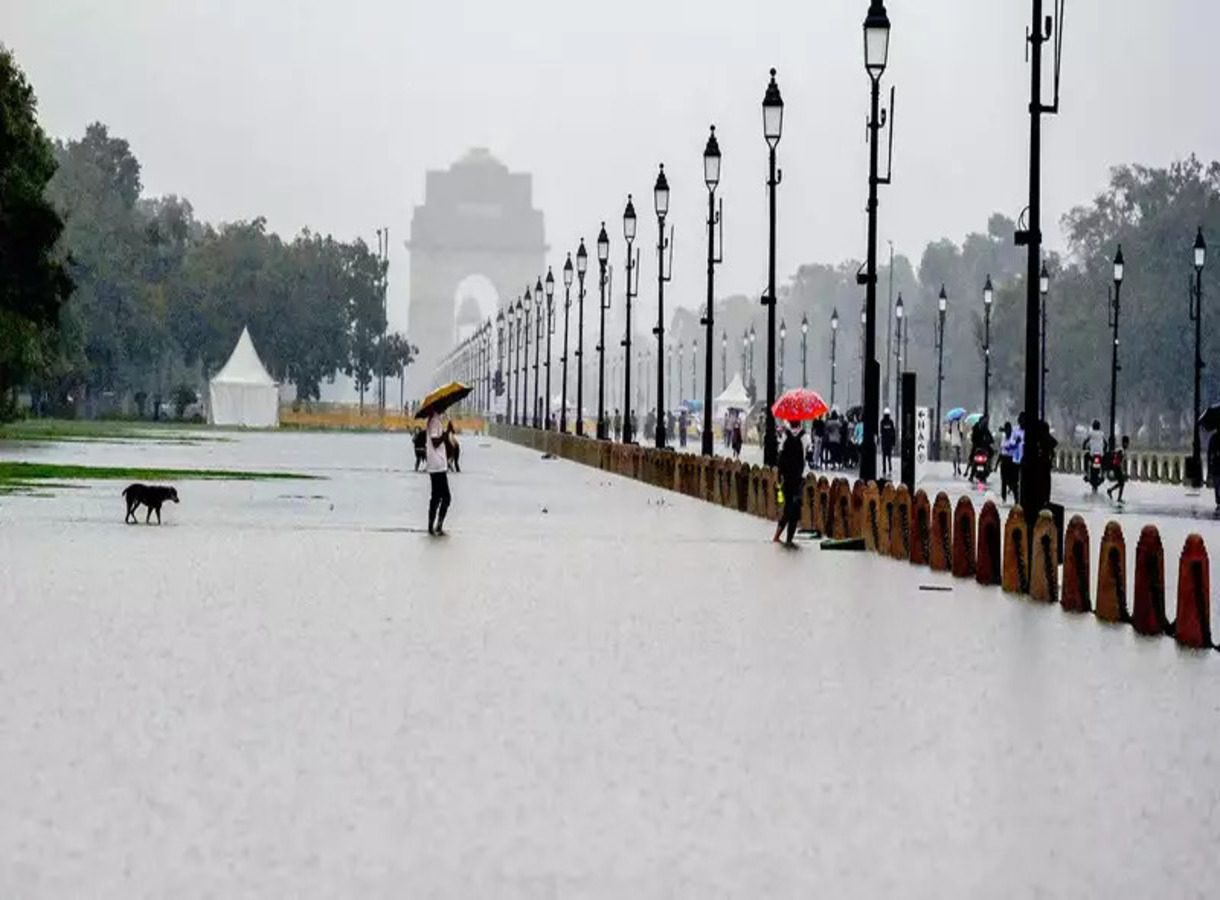
As the deluge subsides and the city dusts itself off, we find ourselves once more asking how we got here. Last weekend, Delhi witnessed over 100 mm of rainfall each day, leading to extensive waterlogging, road cave-ins, collapsed homes, and gridlocked traffic. As citizens struggled, Chief Minister Arvind Kejriwal quickly attributed the crisis to extreme rainfall, contending that the city’s drainage system wasn’t designed to handle such an “unprecedented” downpour. The Public Works Department (PWD) concurred, pointing out that Delhi’s drainage network can carry a maximum of 50 mm of rainfall in 24 hours and is in dire need of major reconstruction. But are these assertions accurate? Is the issue of waterlogging solely a consequence of extreme rain and inadequate infrastructure, or are there other factors contributing to this annual predicament? It is vital to scrutinize these assertions lest they be accepted as unquestionable truth.

Let’s consider the rainfall. Was the downpour on the 8th and 9th of July truly “unprecedented”? Rainfall data from the past 30 years reveals an increase in the frequency of heavy (64.5-115.5 mm of rain in 24 hours) and very heavy (115.6-204.4 mm) rainfall events in the city. In fact, in the last few years, there has been an upsurge in incidences of heavy rain. As we all have short memories, it is worth remembering that in 2021 Delhi had seven episodes of heavy and very heavy rains that caused similar levels of flooding. Moreover, the total rainfall in 2021 was 1512 mm — more than double the usual amount and the second highest on record. Hence, the most recent rains cannot truly be considered “unprecedented” for the city. Delhi has been experiencing them increasingly over the last decade, and these extreme rain events will continue due to global warming. The problem is despite this knowledge, the Delhi government has taken little action. Instead, it tells us now that the problem is the city’s old, creaking drainage network. But is Delhi’s drainage system so inadequate that it can handle only 50 mm of rainfall? Consequently, does Delhi need to rebuild its entire drainage network, given the increasing frequency of heavy rain?

To answer this question, I will refer to the most recent Drainage Master Plan (DMP) for the National Capital Territory of Delhi, prepared and submitted by IIT-Delhi in 2018. Despite being rejected by the Delhi government in 2021 as “non-actionable” and “too theoretical,” this report is our most reliable source of recent information and modelling results. So, what does this report contain that led the state government to dismiss it?

First of all, contrary to the Delhi government’s perspective, the DMP does not advocate for multi-crore mega-projects to construct a new drainage system for the city. Instead, it highlights mismanagement as the core issue and firmly recommends improvements in the existing drainage network to alleviate flooding. The main findings and recommendations of the DMP, which the Delhi government termed as theoretical, are as follows:

  • The rampant encroachment of stormwater drains has reduced the carrying capacity, and hence special drives should be initiated to remove them.
  • Authorities routinely dump sewage into storm drains, which heightens siltation. Additionally, residents often connect their rooftop drains to the sewage network due to a lack of local-level stormwater drains in the city. Prioritizing the construction of colony-level storm drains should help address this problem.
  • Serious efforts should be made to stop the rampant disposal of garbage, road dust and construction waste into storm drains.
  • A considerable amount is spent on pre-monsoon drain cleaning each year, yet no transparent verification system exists. A certification system should be implemented for the desilting exercise.
  • Utilities are often laid inside storm drains, and pillars for elevated roads/metros are built within them, severely reducing the drains’ capacity. These constructions should be prohibited.
  • The city’s drains are poorly designed, poorly aligned and badly constructed. Their efficiency can be significantly enhanced by improving the slope, alignment and cross-sections.
  • Many water bodies have become redundant and need to be rejuvenated to play a key role in flood reduction by acting as detention and recharge basins.
  • Rainwater harvesting in parks and open spaces will act as sponges and reduce flooding.
  • Delhi’s drainage system is owned by 11 departments/agencies. About two-thirds of the drains are under the control of the state government, about 25% are with municipal corporations, and the remaining are with central government agencies such as Delhi Development Authority. Hence, one agency should be made responsible and accountable for the drains.

It’s clear that DMP’s recommended improvement can be made swiftly and inexpensively. While DMP didn’t rule out the construction of new drainage systems to adapt to changing rainfall patterns, it advised that improvements should precede any new construction.

Despite being practical, actionable, and frankly common sense, these recommendations were rejected, ostensibly because they lacked “actionable” large-scale projects. Consequently, five years later, PWD has engaged a new consultant to develop a fresh DMP, which will take another year to compile, and who knows how many more years to implement. Until then, the citizens of Delhi should anticipate more excuses and empty promises while hoping for deliverance from the rain gods.

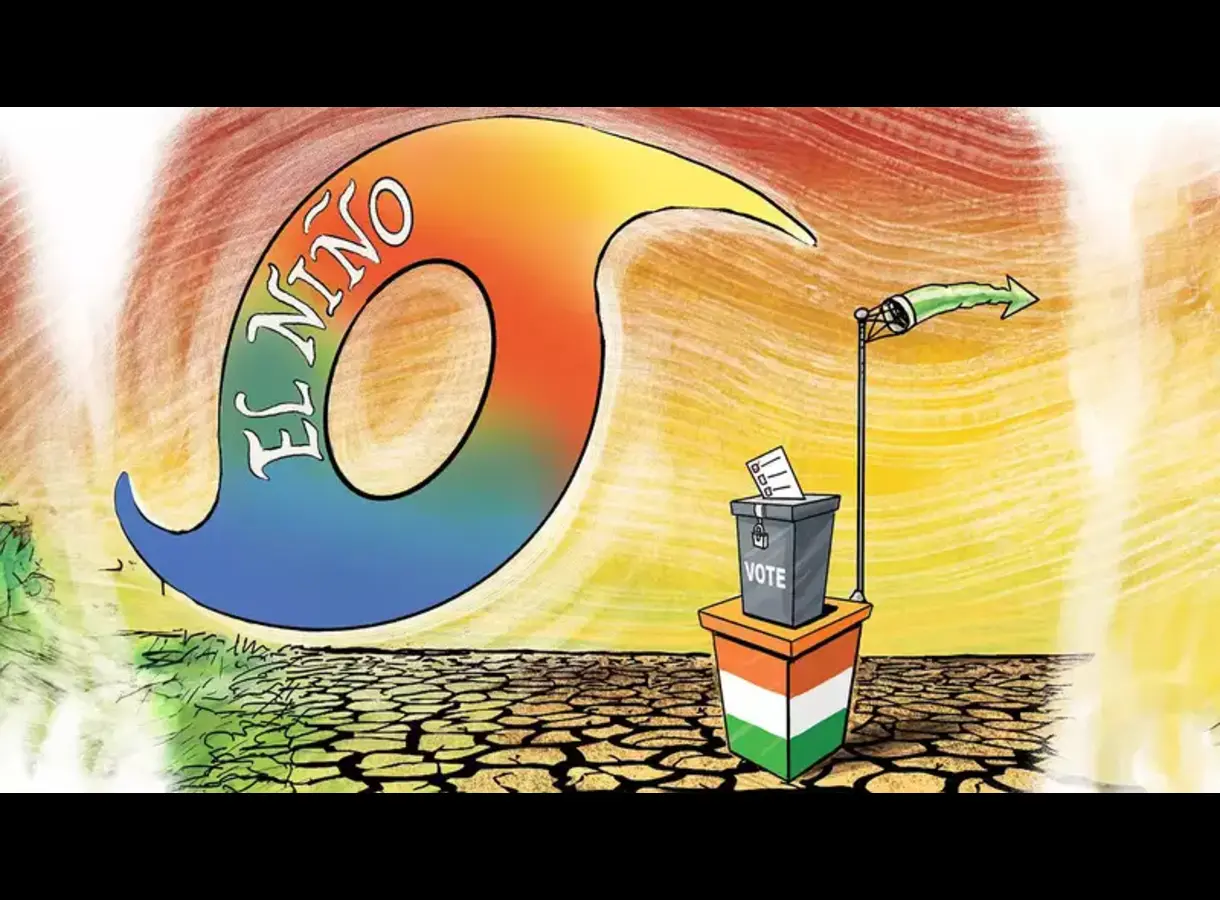
El Chunao: Monsoon & Mandates

El Nino is likely affecting rains. From colonial times, this weather phenomenon has strongly shaped India’s political-economy. How it will impact 2023-24’s many elections will depend on govt response:

As forecasts from the National Oceanic Atmospheric Administration (NOAA) of the US and the World Meteorological Organisation (WMO) signal the arrival of El Niño, it’s clear that India faces more than mere climatic changes. This weather phenomenon, infamous for its ability to warm the climate and disrupt weather patterns, could significantly reshape India’s political landscape.

El Niño has had a significant impact on the economic and political history of India. In fact, the overlap between El Niño years and the social and political development in the country is astounding and uncannily consistent.

Historically, El Niño has correlated with severe dry spells and droughts in the Indian subcontinent, often leading to diminished summer monsoon crop yields. During the British Raj, a combination of El Niño-induced droughts and colonial government mismanagement resulted in devastating famines that killed millions. The Great Famine of 1876–1878 and 1899-1900, which together claimed more than 10 million lives, coincided with strong El Niño years. These events, in turn, significantly influenced the anti-colonial movement in the country. For example, the famine of 1876-77 triggered the first substantial economic critique of the colonial government by Dadabhai Naoroji and Romesh Chunder Dutt. It also prompted William Wedderburn and A. O. Hume to establish the Indian National Congress, providing a platform for Indians to voice their opinions on government policies such as those related to drought management. Similarly, the El Niño-induced drought of 1918 led to the Kheda Satyagraha, which elevated Mahatma Gandhi’s profile and made Sardar Patel a household name in the country. There are numerous such examples, and one can trace many more significant events in the independence movement to El Niño.

El Niño’s influence has continued to shape the political and economic landscape of post-independence India as well. The most notable agricultural development– the Green Revolution – was triggered by the devastating droughts of 1964–65 and 1965–66. Likewise, the tumultuous period of 1976-1980, which saw the downfall of Indira Gandhi, the formation of the Janata Party government, and the fall of Morarji Desai’s and Charan Singh’s governments, all unfolded during the El Niño years. The 1979 El Niño was so devastating that it caused a once-in-a-century drought and contracted the Indian economy by more than 5%. The fallout of this political upheaval was the founding of the BJP in 1980, which successfully challenged Congress and came to power within two decades. In many ways, the India in which we live today was created in 1979. The question is: what kind of impacts will the 2023-24 El Niño have?

Firstly, the monsoon has arrived late and we have so far experienced a 51% deficit in rainfall. As El Niño has already developed in May-June, the second half of the monsoon will likely witness lower rainfall, as has been the trend in the past. Overall, it is becoming clear that we will not have a “normal” monsoon this year, despite the forecast of the Indian Meteorological Department (IMD). In fact, the Laboratory for Experimental Hydroclimate Prediction at the University of Maryland has forecasted a significant shortfall in rains during June-September, especially in North-West and South India.

Second, El Niño in combination with global warming is predicted to hit record-high temperatures. This means that the winter of 2023 could be warmer than usual, which could impact wheat production. India is already bearing the brunt of higher temperatures and heatwaves on wheat. During 2022, the record heatwaves in February and March reduced wheat production by close to 5 million tonnes. If temperatures rise even higher during 2023-24, the impacts on wheat production could be even greater. In addition, higher temperatures will exacerbate heatwave impacts and put immense pressure on electricity grid and health infrastructure.

Lastly, if El Niño persists, as it often does for more than a year, the 2024 Kharif crops could be at risk as well. So, El Niño could potentially impact three consecutive cropping seasons. The important point is that all these seasons coincide with a critical election period in India. Over the next 12 months, India will witness nine state elections, and the general elections slated for April-May, 2024. These elections could well see the effects of El Niño subtly shaping voter sentiments. This wouldn’t be the first time such a thing would have happened as there is a long history of weather and agricultural outcomes swaying political fortunes in India.

However, while the possibility of El Niño influencing election outcomes is real, it is just one of many variables that will shape the political landscape in the coming months. Economic performance, political alliances, leadership, and social issues will also have significant sway.

Note that not all El Niño induced severe droughts have resulted in political upheaval. Effective governmental responses to these challenges have often mitigated their impacts. For instance, despite severe droughts during 1982-83 and 2015-16, governments under the leadership of Indira Gandhi and Narendra Modi, respectively, managed to alleviate the adverse effects. Therefore, the government’s response to the challenges posed by El Niño could be a critical determinant of public perception and voting patterns.

Weather, indeed, has always played an important role in shaping the political fate of India. With the arrival of El Niño, 2023-24 promises to be a pivotal year where climate and politics intertwine, as never in independent India’s history so many elections have coincided with an El Niño year. How effectively politics respond to these challenges and how voters react will shape the climate change actions in the country in the years to come.

Heatwaves & Cool Heads

We shouldn’t panic about summer extremes, because there are well-understood solutions. The trick is to implement them smartly

Dear Sir,
I write to you from Lucknow, hoping you could answer some of my questions.
1.  Are we inevitably headed towards an unlivable India due to heatwaves?
2.  Do you believe Stratospheric Aerosol Injection (SAI) is imminent? Will India be forced to use this technology?
3.  What can we do to adapt to increasing heat?
4.  Are you optimistic about the future?

Wishing for a response.

(Name withheld)

As I was gearing up to write my monthly column, I received the above email from a young man who is clearly worried about the future. Given that his concerns are shared by millions of young people in our country, I have decided to use this platform to address them. I believe it is critical to empower the next generation with the right knowledge and perspective instead of debilitating them with fear.

Since the publication of Kim Stanley Robinson’s fictional novel The Ministry for the Future, some climate scientists have painted a doomsday scenario about deadly heatwaves in the Indian sub-continent. The book features an outlandish storyline in which a small Indian town is hit by an unsurvivable wet-bulb temperature heatwave, resulting in the death of all its inhabitants within a week. The Indian government responds by using SAI, which involves spraying sulphur dioxide into the atmosphere to mimic the cooling effect of a volcanic
eruption. The plot also includes an eco-terrorist network, the “Children of Kali”, which uses drones to crash passenger jets to protest against continuing carbon emissions.

Now think about the absurdity of the plot. It is inconceivable that any government would allow its citizens to die in high heat and humidity for a week without providing assistance or transferring them to a safer location. Similarly, SAI would not immediately cool the area or
save lives. It would take months before the planet starts cooling due to sulphur spray. Thus, there is no logical reason for the Indian government to spray sulphur dioxide into the atmosphere just after the deadly heatwave.

Despite these improbabilities, Robinson’s book has acquired cult status, partly due to endorsement from the likes of Barak Obama and Bill Gates, leading to the distortion in the views of impressionable minds. So my first answer to the young man is that deadly heatwaves will affect us badly, but they will not make India unlivable. We have a range of adaptation technologies and measures to deal with them. And we do not need technologies like SAI, with its enormous uncertainty and unintended consequences, to manage extreme heat. Let me explain.

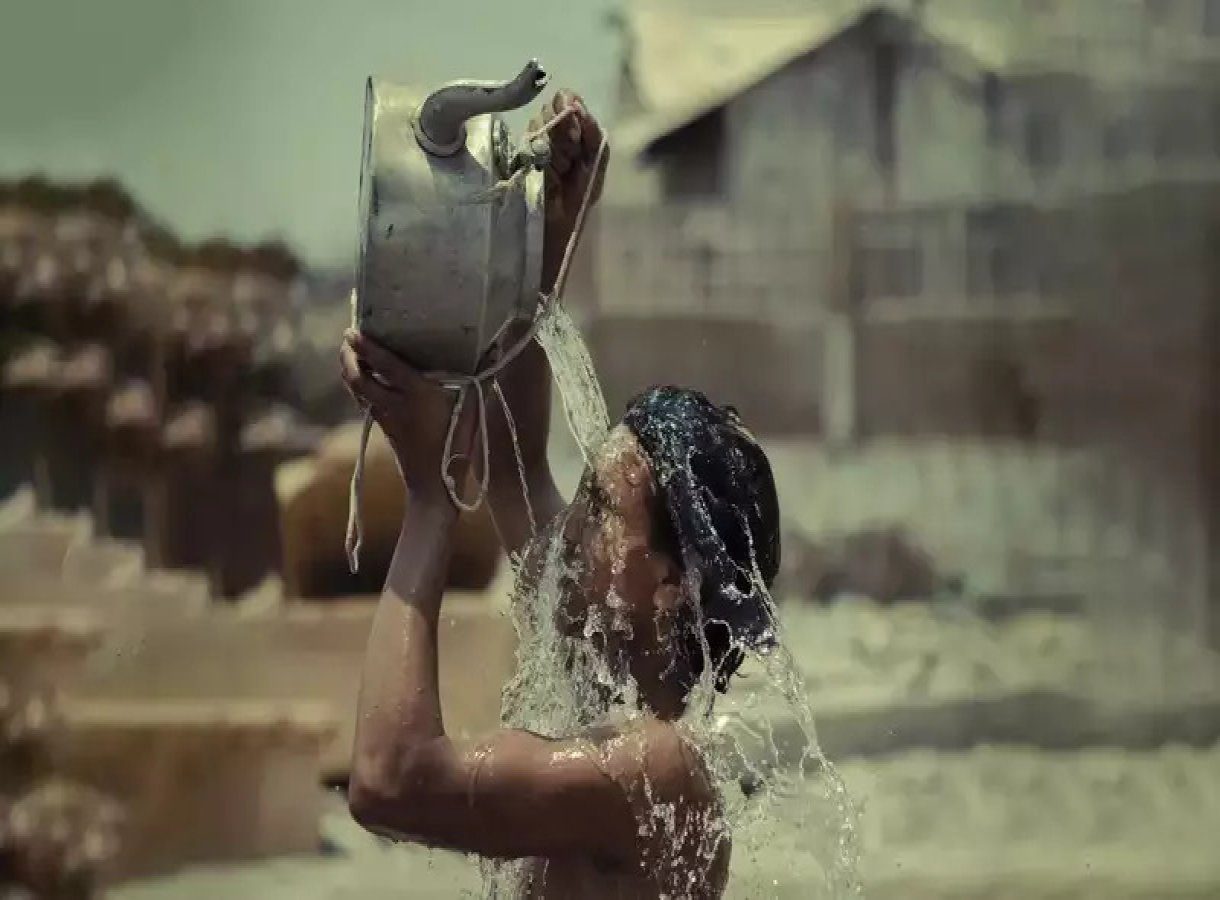
It is a fact that heatwaves have increased every decade since the 1980s, and they now engulf most of the country. The worrying part is that temperature and humidity are rising together, leading to high wet-bulb temperatures. For example, the recent deaths in Kharghar in
Maharashtra were due to a combination of heat and humidity. The temperature was only about 36-37°C, but the humidity was 50-60%, taking the wet-bulb temperature near 30°C, which is dangerous for manual labour and the vulnerable population outside.

Therefore, there is no doubt that we have entered an age of hot extremes when the global temperature has increased by only 1.2°C from the pre-industrial era. At 1.5°C warming, there will be more severe heatwaves. At 2°C, “deadly” heatwaves would frequently cross 35°C
wet-bulb temperatures, which is the limit of human survivability. In addition, the number of days workers will have difficulty working outside will increase to 200-250 per year, which our economy cannot afford. So what do we do about this? Should we allow temperatures to keep increasing and then spray sulphur to cool the planet, or should we try to limit warming and adapt to heatwaves?

The answer is obvious: reducing carbon emissions is the cheapest and the best option to limit warming and deadly heatwaves. This we can do by deploying existing technologies – solar and wind energy, energy-efficient appliances, green buildings, electric vehicles, reducing
wasteful consumption – that will also support green growth and jobs. The good news is that these technologies are picking up. For example, in 2022, 40% of global electricity was produced from non-fossil sources (25% in India). If this trend continues, we can decarbonize
the global electricity supply by 2040-50, limiting warming to below 2°C.

Similarly, we can re-design our cities and buildings to adapt to heatwaves. This entails incorporating more open spaces, green areas, and water bodies into urban landscapes. Additionally, our buildings must be energy-efficient, with well-insulated walls and roofs and effective shading and ventilation systems to maintain a cool interior. But still, we will have to provide some cooling solutions to all buildings considering the high heat intensity. However, the current cooling technology, vapour-compression air conditioners, is part of the problem
due to its high energy consumption, harmful refrigerants, and contribution to heat islands. Therefore, we must replace outdated technologies with a new generation of affordable and green cooling solutions.

Finally, we need a new heat code based on the wet bulb temperature to avoid incidents like Kharghar. Many regions now experience wet-bulb temperatures exceeding 30°C during certain parts of the year, and our guidelines based on dry-bulb temperature do not capture
this.

I am optimistic about the future because every solution I have mentioned here is achievable. Moreover, the decarbonization trajectory globally and in India is moving in the right direction. Furthermore, I see the younger generation being more mindful and proactive about
addressing the climate crisis than my generation ever was. So my advice to the young man is: be more optimistic as yours will be the first generation that will play a heroic role in saving the planet.

It’s them or us, not all of us

Ukraine war showed rich countries can find money for diversifying their own energy supply but not for global climate finance. It also showed how fossil fuel companies exploited governments’ energy security concerns

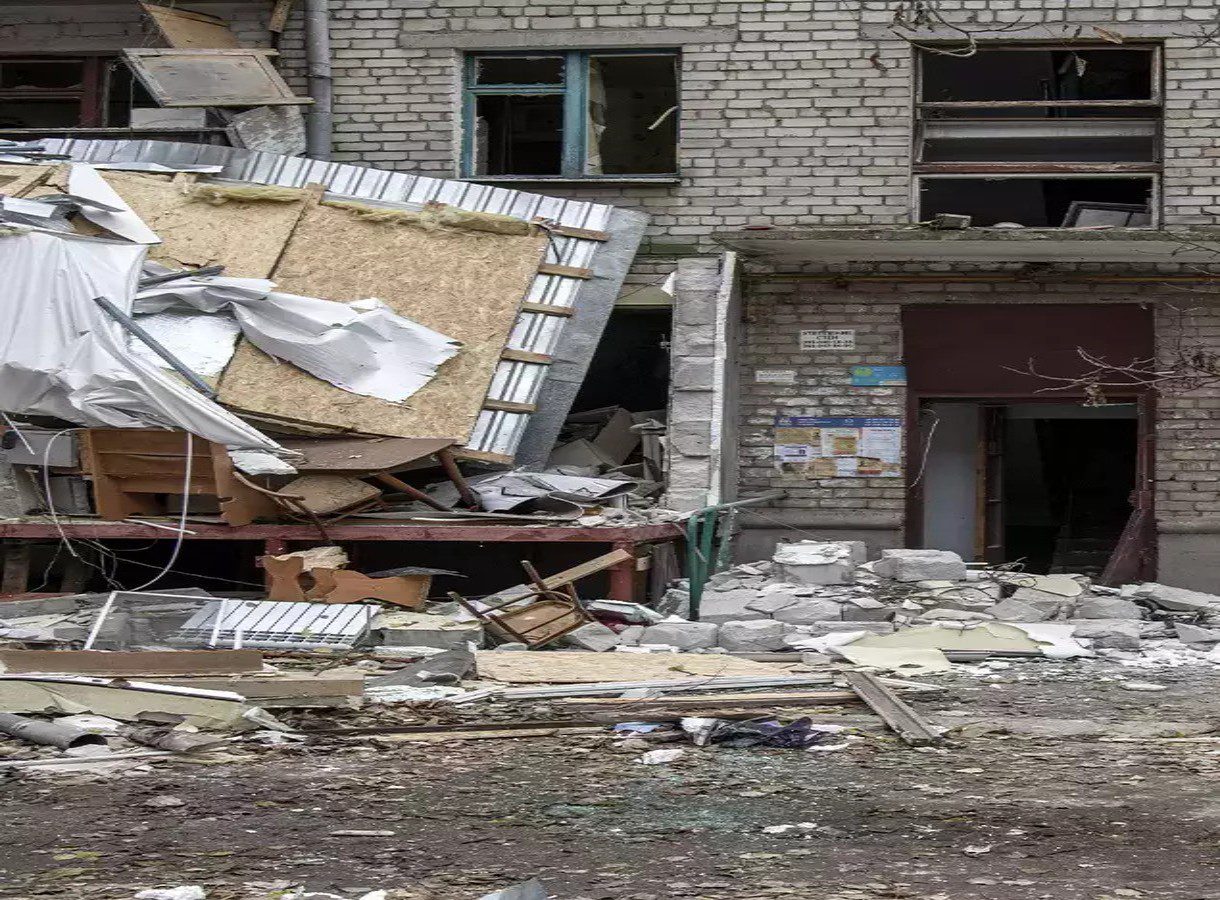
The war in Ukraine has killed thousands, displaced millions and damaged the region’s economy. But the cost of this war is being borne worldwide, especially by the poor.

The war’s most significant consequence has been an extraordinary increase in food and fuel prices. As a result, most of the world’s population has paid through its nose to procure basic food and energy.

According to a recent study, the war has doubled household energy costs globally. In the poorer parts of the world, like Sub-Saharan Africa, household energy costs increased by up to three times the global average, pushing millions back into energy poverty. The prices of fuels were so high that the total energy bill of the world reached $10 trillion for the first time in history in 2022.

Likewise, the global Food Price Index (FPI) of the United Nations Food and Agriculture Organization (FAO) was between 154.7 to 159.7 from March to June 2022, the highest level since the index’s inception in 1990.

The combined impact of higher fuel and food costs has pushed millions of households into absolute poverty. The increase in fuel price alone is estimated to have driven 78-141 million people below the World Bank’s extreme poverty line.

But the misery of the poor has been a bonanza for the rich. The Russian invasion of Ukraine has turned out to be the biggest profiteering opportunity, especially for the fossil fuel industry.

At about $4.0 trillion, the highest ever in history. For comparison, India’s GDP in 2022 was approximately $3.5 trillion. So, a handful of companies and their shareholders made more money than the value of all goods and services produced by a country of 1.35 billion people. Saudi Aramco, the world’s biggest oil company, is projected to have a net profit of $170 billion, and the six largest western oil companies made over $200 billion. The worst part is that these extra profits were paid through fossil fuel subsidies.

In 2022, government subsidies worldwide for fossil fuel consumption skyrocketed to more than $1.5 trillion, again the highest in history. The largest increase in the subsidy was in the developed world, especially Europe, which never gets tired of preaching the virtue of ending fossil fuel subsidies in the developing world to combat the climate crisis.

The most critical piece of this high price-profit-subsidy story is that some of the money made by the fossil fuel companies is currently being invested in exploring, producing and selling more coal, oil and gas in the name of “energy security”. In 2022, an estimated $560 billion was invested by the Exxon Mobile and Chevron of the world to produce enough oil and gas to blow up the 1.5 OC target of the Paris Agreement. These oil and gas projects, termed “climate bombs”, will result in the emissions of at least 125 billion tonnes of carbon dioxide (CO2), equivalent to a third of the remaining carbon budget for the 1.5 OC target. So, the fossil fuel industry has exploited the energy security anxieties unleashed by this war to further its business goals and fast forward the world towards a catastrophic climate crisis. 

But the war has also shown an alternate vision of energy security which can be achieved in a much greener way if the governments of the world decide to do so. Take the case of Europe.

Europe’s most remarkable response to the war has been the unprecedented speed with which it has eliminated its dependence on Russian gas. Just before the war, nearly half of the EU’s natural gas came from Russia; today, it is about 10%. Europe achieved this by importing expensive LNG, burning more coal, and making the highest-ever investments in green energy – solar, wind, battery and electric vehicles. According to a recent estimate, these actions may have advanced the green energy transition in the EU by a few years. However, the EU and the UK had to shell out an additional half a trillion dollars for this transition in 2022.

That suggest rich countries, who dilly-dally on providing tens of billions to the developing countries as climate finance, suddenly found hundreds of billions for diversifying their energy supply. This shows that if the developed countries want, they can mobilize enough resources to accelerate their climate actions and support developing countries in mitigating and adapting to the climate crisis.

The EU was not the only region that has made record investments in green energy. According to BloombergNEF, globally, for the first time, investment in green energy technologies exceeded $1.1 trillion and was equal to the money spent on fossil fuels. The highest investments were made in China and the US; the EU was in third position. While the total investments are still way short of what is required to meet the climate goals, it is an important milestone. And this milestone has been achieved again because of energy security considerations.

So, the war has given us a glimpse of both the worst and the best scenario for the energy transition and climate crisis. It is up to us to choose which one we will pursue, climate bombs or green energy. Similarly, the world has to decide whether it wants death, poverty and profiteering or a peaceful solution to end this war. Again, the choice is ours.

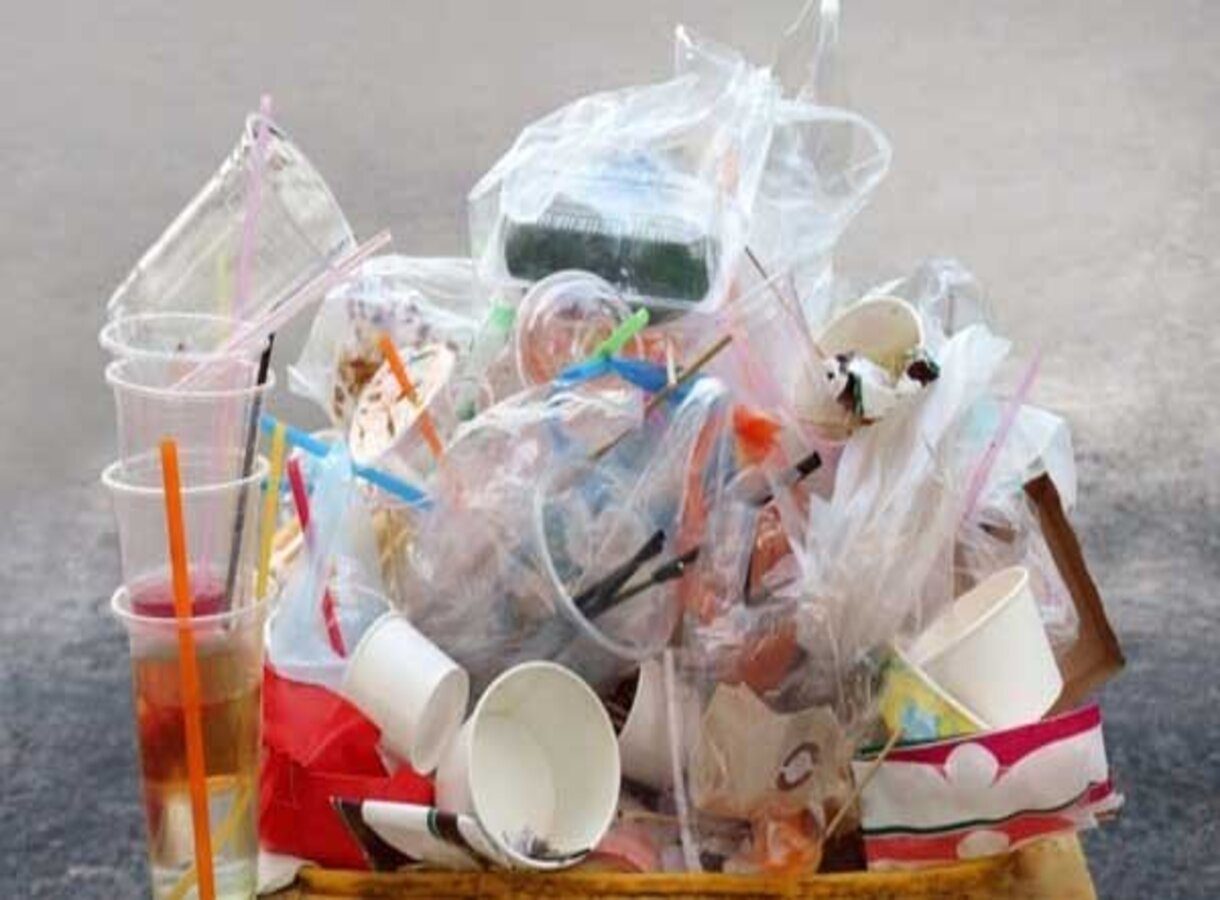
Plastic ban: The problem is not plastic, it’s single-use

Multi-use products, not the material they are made of, are the key

The nationwide ban on single-use plastic products (SUPs) that started yesterday comes on the heels of a two-decade-long effort. The first attempt was made in 1999 with the ban on thin polythene bags. Since then, three national and numerous state laws have been enacted to phase out SUPs. While every ban has been more stringent than the previous one, the result is that in the last 23 years, we have been unable to eliminate even one SUP product, including the thin polythene bag.

So, why haven’t bans worked? The reason is not poor enforcement. There are fundamental technical and socio-economic reasons.

  • First, the lack of alternatives in the market. SUPs are widely used because they are cheap and convenient. The market will shift completely if similar affordable and convenient options are available.
  • Second, this shift is not easy. Currently, SUPs account for about one-third of the plastic consumed in the country. In other words, 6-7 million tonnes of SUPs are consumed annually, placing it among the top industrial materials consumed in terms of volume. The market, therefore, requires alternatives to replace 6-7 million tonnes of materials. Unfortunately, SUP substitutes in such volumes are unavailable, mainly because the government has failed to promote the alternative industry.
  • Third, there’s the issue of providing alternative opportunities to millions of workers involved in producing SUPs in thousands of factories. In the past, no attempts were made to rehabilitate them; we simply made their business illegal. The result was that the industry bribed officials and continued producing and selling SUPs.
  • Fourth, as a result of all these, the market is unprepared for the ban, and consumers are not ready to sacrifice convenience. Most market surveys show that SUPs are widely sold, and alternatives are expensive or unavailable.

Therefore, the same fate awaits this nationwide ban as well. No plan has been put in place to support the industry, especially the MSME sector, to move to alternatives.

So, what kind of alternatives are we looking at? There are the fundamental questions we have not thought through.

  • Is kulhad (clay cups) a substitute for single-use plastic cups?
  • Should we encourage industries to produce single-use paper bags to replace thin polythene bags, or should we promote multi-use textile bags?
  • Are biodegradable plastics better than plastics currently available in the market?

The fact is that simply banning SUPs and switching to single-use products made of other materials is not the solution. Most life cycle analysis (LCA) of SUPs and their substitutes shows that the most significant environmental problems are due to the single-use nature of the products, not the material.

Here are some illustrations of this point.

  • LCA shows that a paper shopping bag must be used four to eight times to have a lower environmental impact than one single-use plastic bag.
  • Single-use kulhad cannot be a substitute for billions of plastic cups used every day for serving tea, simply because it would strip our soil bare.
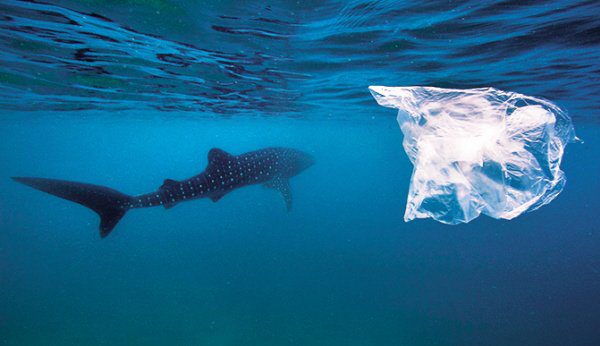
  • Replacing SUPs with biodegradable SUPs will not eliminate the problem of microplastics that are now poisoning our food chain and are even being found in our bloodstream.

Therefore, the solution to SUPs is to create an industry that turns ‘single-use’ products into ‘multi-use’ and creates a circular economy. How do we get there?

  • Both manufacturing and service industries must promote and supply ‘multi-use’ products to all kinds of consumers – from street vendors to airline industry.
  • That means investments, R&D and policy support from governments.

None of this has happened because there’s a basic policy failure: All environmental policies are an intervention in the economy. The ultimate goal of all environmental policies is to create a new economy that is clean and green.
Therefore, a policy of the environment ministry must be complemented by an economic and industrial policy from the finance and industry-related ministries. Without this, the environmental policy is bound to fail, as has been the case with all past SUPs bans and will be with this one, too.

Single-use-plastics bans have failed. Relying on command and control to fix environmental problems is taking us nowhere

Exactly three years back, single-use plastics (SUPs) took centre stage in India when PM Modi, on June 5, 2018, announced that the country would completely phase out these products by 2022. Now, barely a year before the deadline, the Union environment ministry has issued a draft notification to impose a nationwide ban by July 1, 2022.

The Draft Plastic Waste Management (Amendment) Rules, 2021, published just before the second wave of the pandemic hit the country, proposes to ban SUPs in three stages. Plastic carry bags of less than 120 micron thickness will be phased out by September 30, 2021. Plastic earbuds, sticks, flags, and thermocol decorations will be banned from January 1, 2022. Lastly, plastic and thermocol plates, cutlery, wrapping films, and banners will be prohibited from July 1, 2022.

The draft rule is a significant change in strategy, as the Centre, until now, had encouraged states to phase out these products. Consequently, 30 states/ Union territories have enacted laws to ban various SUPs. As the state-level bans have been largely unsuccessful, the Centre has decided to step in. But the question is, if the state bans have failed, will a similar national ban work?

Restrictions on SUPs have been attempted in India from 1999, when the sale of thin polythene bags was prohibited. Since then, three national laws and numerous state laws have been enacted to phase out these products. But in the last 22 years, we have not been able to eliminate even one product. Why? Is this because of poor enforcement (an oft-mentioned reason) or because of some other factors?

A closer look at SUP bans by states shows that the enforcements were carried out in fits and starts, and hence, it did contribute to the failure. But this was not the main factor; the absence of a strategic approach seems to be a bigger problem.

The foremost factor is the lack of alternatives to SUPs and the government’s failure in promoting them. So far, the thinking within the government has been that once the ban is enforced, alternatives would emerge to fill the gap. But this has not happened simply because there is no supportive infrastructure and incentive to produce alternatives in volume. Alternatives have remained a niche business as the government never had a policy to mainstream them.

The unrealistic time frame for phasing out these products is the second important factor for the failure. Bans have been imposed either immediately or within few months, providing little time to the industry and users to adapt. This time as well, most states/ UTs imposed an immediate ban, threatening the livelihoods of millions of people.

Experience worldwide shows that a total ban on widely-used products requires an incremental approach to change the economy and public behaviour. This is precisely the reason why European countries have given themselves at least a decade to eliminate SUPs. We, on the other hand, want to do it in months!

The success of bans is also linked to local waste management practices, the third factor. States like Kerala and Sikkim had more success than others because of their long-running campaign on waste management. Therefore, a sound waste management ecosystem, including segregation, collection, and recycling, is a prerequisite to manage SUPs, which doesn’t exist in most states.

The fourth important factor is an overreliance on bans while ignoring other instruments such as fiscal incentives and disincentives, certification and labelling, and extended producer responsibility. Our propensity to rely only on command and control to fix environmental problems is taking us nowhere. We need to use both carrots and sticks to eliminate SUPs.

Lastly, reducing SUPs requires a long-term vision, strategy and targets for the plastic industry. While on the one hand, the central government is proposing to ban SUPs, on the other, it is also promoting the plastic industry. This contradiction is at the heart of the SUP conundrum. To resolve this, India needs a comprehensive national strategy that embeds the circular economy principles in the plastic industry. The goal is not just to eliminate SUPs but also to reduce plastic production and consumption, improve waste management and reduce plastic pollution.

As India approaches the 2022 deadline, the pressure on the central government is mounting to do something. A note of caution at this point is that hastily enacted legislation has not worked in the last two decades and is not likely to deliver in the future as well. Therefore, the environment ministry must carefully examine past successes and failures before enacting another law to ban SUPs.

Who’s afraid of net zero target?

A storm is brewing on the climate diplomacy front that India needs to navigate carefully to avoid becoming a fall guy. The issue at hand is the pledge by countries to achieve “net zero” emission by the mid-century. Over 120 countries have already announced their intention to achieve carbon neutrality by 2050. China intends carbon neutrality before 2060, and the US is considering a 2050 pledge. Being the third-largest emitter, there is pressure on India to announce its commitment as well.

Net zero or carbon neutrality means that the amount of CO2 produced by a country is balanced by the amount removed from the atmosphere. According to the Intergovernmental Panel on Climate Change (IPCC), to limit the global temperature increase to 1.5°C, global net CO2 emissions should decline by about 45% by 2030, reaching net zero around 2050.

There is considerable scepticism around net zero in India. Many argue that net zero is not equitable and fair as it does not differentiate between developing and developed countries in sharing the burden of mitigation. Another argument is that it will limit India’s development potential. Some also criticise mid-century net zero as allowing uncontrolled emissions today while relying on uncertain technologies to offset emissions in the future. Finally, many net zero pledges are premised upon trading and offsetting emissions, allowing the rich to continue emitting and buying their way out.

There is some merit to the above scepticism. Historically, developed countries have shifted the goalposts on climate action and reneged on financial and technological promises to developing countries. However, we cannot shy away from net zero, as declaring a carbon neutrality target is inevitable for every country to meet the 1.5°C goals; the only question is when and how.

The first step for India to decide the contours of net zero is to stop reacting to terms set by developed countries. In three decades of climate negotiations, we have primarily been a reactive party, not a proactive one shaping the discussion. With net zero as well, we face a choice – either reject the idea citing equity and fairness or embrace and remould it to achieve climate goals and secure our developmental space. I strongly believe we have an opportunity to develop a fair, ambitious and effective consensus on net zero. Let me propose a five-point agenda that India can consider to set the terms for future global action.

First, net zero should be built on self-differentiation, a cornerstone of the Paris Agreement. It is a no-brainer that if the global net zero deadline is mid-century, then the developed countries’ deadline will be 2040. High-emitting emerging economies like China will have to follow soon and reach net zero before 2050. Countries like India with per capita emissions below the global average will get a little more time – until 2060.

Second, the net zero target has to be flexible. Newer disruptive technologies would allow us to decarbonise faster at a much lower cost than what can be envisioned today. Take, for example, India’s solar energy target. From a modest 20GW in 2010 (enhanced to 100GW in 2015), we are now targeting 450GW of renewables by 2030, largely from solar. That is a 15-fold ambition enhancement within a decade. Countries should therefore revisit their net zero targets every ten years to firm up their commitments.

Third, while net zero is the ultimate goal, the Nationally Determined Contributions (NDCs), due every five years, are the means to achieve the goal. IPCC is very clear; an ambitious 2030 target must accompany net zero. So, countries pledging net zero must also announce enhanced NDCs for 2030.

Fourth, net zero has to be legally binding. Less than ten countries have enacted domestic law on net zero; the rest have made pledges or policy statements. While policy pronouncement is important, compliance can only be assured through a law. This is especially necessary for the US, where climate ambition shifts quickly with change in the political landscape. If the Biden administration is serious about net zero, it should get a law through the US Congress.

Finally, and most importantly, setting a net zero target will not by itself guarantee positive and equitable social and economic outcomes. The rapid transition required in the next 2-3 decades will disrupt the economic and social fabric of fossil-fuel dependent regions. Hence, the net zero targets must be paralleled by an international framework on Just Transition.

Achieving net zero over the next 3-4 decades is very much possible for India. We are developing at a time in history when low/ no-carbon technologies will grow exponentially. A well-designed net zero plan will be an opportunity for us to pole vault to a green future. While there will be an extra cost, studies indicate that these will be modest and compensated by lower adaptation costs and reduced loss from extreme weather events. Besides, it will have enormous co-benefits in reducing air and water pollution and improving forest and soil quality, contributing to overall environmental improvement and human well-being. By announcing our net zero commitment, we will also send a clear signal that we are open to global finance and technology support for a green and just transition.

The bottom line is we are one of the most vulnerable countries to climatic disruptions. It is, therefore, in our interest that a serious effort is made globally to meet the 1.5°C goals. In this endeavour, we can either be a bystander or a leader.

Become climate champions: India’s top family conglomerates must play a leadership role in its fight against climate change

The private sector in India has traditionally avoided engagement on climate issues publicly. But this seems to be changing. On November 5, 2020, 24 leading companies signed a ‘declaration of the private sector on climate change’ to tackle the climate crisis. This is an important beginning as the private sector will have to play a crucial role in mobilising resources, knowledge, and innovation. And within the private sector, family-controlled conglomerates are uniquely positioned to lead the low/no-carbon growth trajectory.

Family ownership is the most dominant form of business around the world. Historically, family businesses have dominated the Indian industry. Until the 1990s, a few old business ‘houses’ were dominant, holding diversified business interests across the economy. Their dominance was partly enabled by the planned economy ‘license raj’ model of the time. Since the economic reforms of 1991, these older business houses have been challenged by new families and non-family entrants. But the power of family conglomerates as a business model has not diminished. While some of the older houses did not survive the reforms, many – such as the Tatas, the Bajajs, the Birlas, the Mahindras – did and flourished and are joined by new houses –the Ambanis, the Adanis, the Mittals, and the Jindals.

Presently, India has the third-highest number of publicly-listed, family-controlled companies in the world, after China and the United States. Fifteen of the BSE Sensex – the index of 30 reputed companies listed on the Bombay Stock Exchange – are family-controlled, accounting for more than half of the Sensex combined market capitalisation. Share-price returns of family businesses have also consistently outperformed non-family firms.

One of the key features of prominent family conglomerates in India is that they operate in fossil-fuel intensive sectors and are responsible for a significant share of India’s carbon dioxide emissions.

Today, just seven family conglomerates (Reliance, Adani, Tata, Aditya Birla, Mahindra, Jindal, and Vedanta) are responsible for emitting at least 530 million tonnes of CO2 annually. This is equivalent to 22% of India’s total CO2 emissions. In 2019-20, these seven groups operated 25% of India’s coal-based power plants (50,000 MW); produced 39% of India’s steel (43 million tonnes), 27% of India’s cement (91 million tonnes), and 22% of India’s passenger and commercial vehicles (0.92 million). They also accounted for 30% of oil refining capacity and 25% crude oil production.

If these companies get serious about climate action, India’s emission profile will look fundamentally different. While this ‘seriousness’ primarily comes down to the business argument, there is evidence that family businesses take a more long-term view on investments than non-family firms. Also, studies indicate that they are socially more responsible as they invest in the social and physical infrastructure of the areas they operate in.

The reason why a family conglomerate can take such investment decisions is its unique structure. Unlike other corporates, family businesses are organised around patriarchs/ matriarchs, who bear the ultimate responsibility and hold final decision-making powers. Though the ‘professionalisation’ of family businesses has resulted in hiring competent executives to advise and assist, they still run on the will of the founder or his appointed successor.

To avert a crisis like climate change, forward-thinking and long-term planning is required, for which the value of committed visionary leadership cannot be underestimated. As family conglomerates are organised around visionaries, if they sincerely act on the climate crisis, they can change the trajectory of their own business and that of the sector rapidly. To some extent, they already are doing so.

Mukesh Ambani has recently announced that Reliance Industries would become a net zero-carbon company by 2035. RIL is planning multi-billion dollar investments in hydrogen, wind, solar, fuel cells, and battery to become one of the world’s top “new energy” companies. Tata’s have also strongly signalled that they are moving out of the coal sector and moving into renewable energy, electric vehicles, and hydrogen-based steel making. Similarly, Mahindra has committed to aligning its operations with the science-based targets in the Paris Agreement, and Adani is investing hugely in the solar business to become the “world’s largest” green energy enterprise.

While these announcements and investments are encouraging, it is also a fact that many of these conglomerates continue to invest in fossil fuels. For example, during the recent auction of coal mines, Vedanta, Aditya Birla, Jindal, and Adani made acquisitions of coal assets, despite announcing ambitious renewable energy targets.

This seeming contradiction fits in with another well-known characteristic of Indian family conglomerates – they operate within a broad vision but have mostly grown opportunistically in areas where government incentives to expand are available.  Therefore, even though they are bullish on a low-carbon future, much work needs to be done to move these family conglomerates from merely being followers of government policies to proactive climate champions. This can be a virtuous cycle – these conglomerates have a strong influence on government policy; if they are brought on board, a stronger climate policy is likely to follow.

Given their financial prowess and policy influence, the commitment of these families will be critical for accelerating the transformative changes that climate change requires. Cultivating their next generation to champion climate actions could be an important strategy to move them towards a green future. The business case will be an important part of the engagement, but not the only argument. These industry captains will have to be convinced of the new reality – our children are inheriting a dangerously climate-risked world. Family wealth will not provide infinite protection, but if used wisely, it can certainly contribute to making the world safer for everyone.

Social media & sharing icons powered by UltimatelySocial