
Flawed Seeding

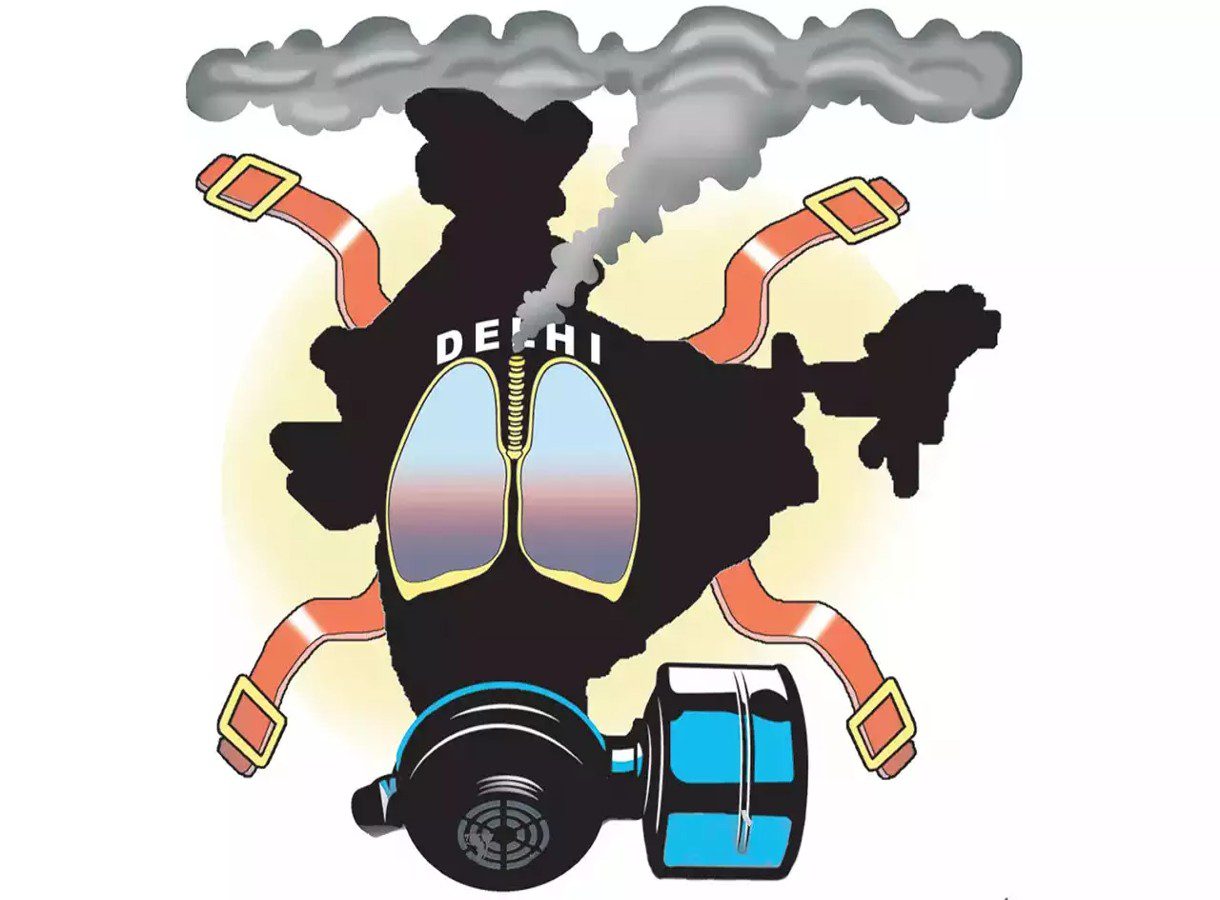
Experiments around the world have already established that cloud seeding can’t defeat air pollution. What Delhi is doing in their wake can’t even be called innovation. It’s just political theatre

Yesterday, to mitigate air pollution, Delhi govt, in collaboration with IIT Kanpur, conducted the first cloud-seeding trial in areas like Burari, north Karol Bagh and Mayur Vihar. This follows the 25-point Air Pollution Mitigation Plan for 2025 it had unveiled in June, as a prelude to the smog season. The very first item in this plan was a “pilot project of cloud seeding through IIT Kanpur to study its effectiveness in dust mitigation”.

I am all for experiments that explore innovative solutions. But I have a problem when experiments are touted and advertised as ready-made solutions, distracting attention from the real ones. This is precisely what is happening with cloud seeding in Delhi.

To understand why projecting cloud seeding as a solution is misleading, it is important to recall what we already know about this technology and its history.

First, cloud seeding-also known as artificial rain-is not new. It is an old technique historically used to induce rain during droughts. India first tested it in the 1950s and has continued researching it, most recently through the ‘Cloud Aerosol Interaction and Precipitation Enhancement Experiment (CAIPEEX)’, conducted over a rain-shadow region of the Western Ghats by Indian Institute of Tropical Meteorology.

Thailand even has a ‘Department of Royal Rainmaking and Agricultural Aviation’ dedicated to inducing artificial rain. China and US today run the largest weather-modifi-cation programmes in the world. Dozens of countries continue to use cloud seeding, but almost exclusively for drought relief during rainy seasons.

Cloud seeding as a way to reduce air pollution, however, is a relatively recent idea-barely a decade old. Over this period, Lahore, Bangkok, Chiang Mai, Kuala Lumpur, Beijing, and several other Chinese cities have all tried it at least once. Almost all have since abandoned the practice, and for good reasons:

  • Cloud seeding works only if clouds are present but insufficient to produce rain on their own. This is why it is used during rainy seasons, not dry winters.
  • Even when conditions look promising, seeding often fails. Most experiments to improve air quality have produced no rainfall.
  • At best, a few localities in a large city receive showers. In Lahore in 2023, pockets of rain briefly improved air quality-but only for a few hours, not even days.

Because of these limitations, most cities worldwide have dropped cloud seeding, even as an emergency measure for air pollution control. Govts are well aware of these realities.

In 2024, Union environment ministry told Parliament that, based on expert opinion, cloud seeding as an emergency measure to improve Delhi’s air quality was not feasible.

Their assessment was categorical:

  • Winter clouds over north India form mostly from Western Disturbances, which are short-lived and already bring natural rain, making seeding unnecessary
  • High-altitude clouds (above 5-6km) cannot be seeded due to aircraft limitations.
  • Effective seeding requires specific cloud conditions, which are absent in Delhi’s cold, dry winters.
  • Even if precipitation formed, dry air beneath the clouds could evaporate it before reaching the ground.
  • Concerns remain about the chemicals used, their efficacy and possible unintended consequences.

In short: it won’t work.

So why is Delhi govt trying something that, according environment ministry, is destined to disappoint, if not fail? The answer lies in Delhi’s political theatre.

AAP first floated the idea of cloud seeding during the 2023 smog season but could not implement it, due to unsuitable weather. Now the new BJP govt wants to prove it can do what AAP could not. This is less about science and more about one-upmanship And IIT Kanpur, unfortunately, has allowed itself to be drawn into this spectacle.

But here is the bottom line: Delhi govt is promising to clean the city’s air or Yamuna with quick fixes that are doomed to fail. There are no shortcuts to solving environmental problems.

Take Yamuna, for instance. It will not be revived by interception and diversion (I&D) drains or by merely adding sewage treatment plant (STP) capacity, as Delhi govt is being advised.

Yamuna can only be restored through a modern wastewater management system-one that separates stormwater drains from sewers, ensures every household and establishment is connected to the sewer network, and treats all sewage in advanced plants that enable recycling and reuse.

Equally critical is coordinated action with neighbouring states, especially Haryana, to release adequate freshwater into the river during lean seasons.

Likewise, Delhi’s air will not improve through gimmicks like cloud seeding or water cannons. It requires a regional airshed approach: coordinated action across all states within a 300km radius of Delhi This means tackling biomass burning in households and industries, stubble burning in fields, Industrial and vehicular pollution, and dust from construction sites and roads-at their sources.

Everywhere in the world, environmental progress has come from systemic, scientific, accountable, and long-term solutions not quick fixes. Delhi must learn this lesson.

Experimentation and innovation have their place, but innovation cannot replace fundamentals. Unless we build robust infra and systems, we will remain trapped in an illusion of progress while our rivers and skies stay poisoned.

Cloud seeding is not rainmaking. It is policymaking by optics. Delhi deserves better.

Virtue Signalling Doesn’t Control Pollution

Public outrage has muted Delhi’s drive to push out old cars. Bigger problem is that clean air policies are fashioned without scientific insight or robust data. Some actually hurt the environment

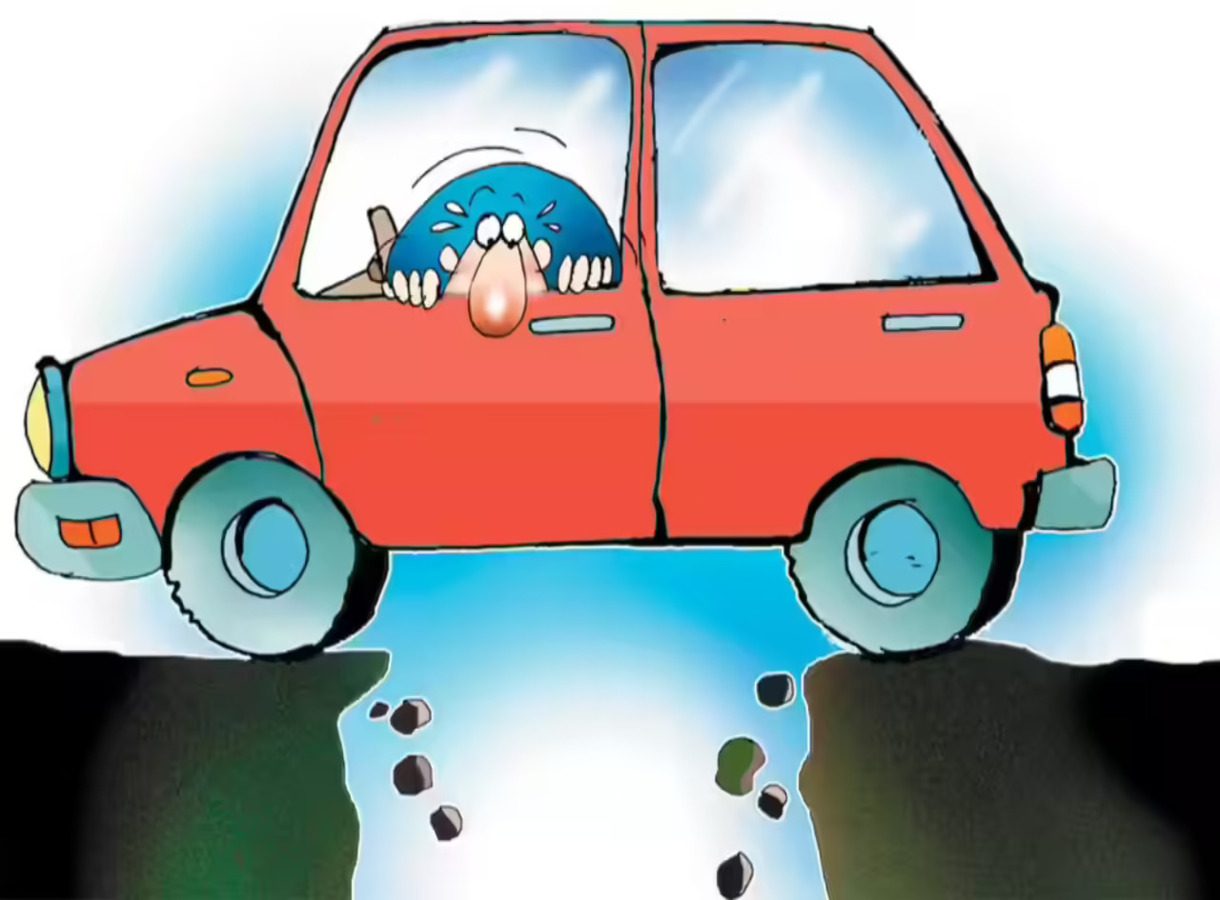
Public backlash has forced Delhi govt to walk back from its initiative to impound ‘end of life’ vehicles. But before this, the sudden outrage over the directive to stop refuelling diesel vehicles older than 10 years and petrol vehicles older than 15 years was somewhat amusing. Many seemed to believe this was a new crackdown.

But these vehicles were banned in Delhi nearly seven years ago, on Oct 30, 2018, when govt began enforcing a Supreme Court backed order that prohibits such vehicles not just from operating, but even from being parked or present in the city. So, the fuel denial directive was merely an attempt to enforce an old order using a new method.

In fact, law-abiding citizens have been selling their older vehicles ever since the 2018 law. I sold my well-maintained 10 years old Bharat Stage IV diesel car (barely run for 100,000 km) in 2022. It went to a tour operator in Punjab at a bargain price so generous that he still sends me Diwali sweets.

Over the past seven years, lakhs of Delhiites have sold their vehicles to comply with the ban. Of course, the majority of these vehicles have not gone to scrap yards as intended; instead, they’ve been relocated to other parts of the country, polluting their environments instead.

So, why did Delhi govt decide to enforce the refuelling restriction seven years after banning these vehicles? Did the Commission for Air Quality Management have data showing that the original ban had been ineffective? No. There entire air quality action plan being enforced by Delhi govt and agencies like CAQM is bereft of data. There is no evidence showing the impact of vehicle ban on air quality, or even tracking the enforcement of the ban itself.

There is no formal vehicle deregistration system in Delhi. In effect, end-of-life vehicles are permanently technically ‘registered’ with the Regional Transport Office. Owners are expected to voluntarily deregister their vehicles – a process so tedious that few attempt it. This bureaucratic blind spot means govt has no reliable data on how many vehicles remain on Delhi’s roads, let alone how much pollution they continue to cause.

CAQM’s decision to block fuel sales, therefore, was not driven by scientific insight or robust data. Delhi has spent years creating the illusion of action without building the capacity to measure impact. Despite the relentless headlines on its air pollution, there is no data showing whether banning vehicles or halting construction during winters has improved air quality. We’re acting blindfolded, hoping that symbolic policies will solve real problems.

That brings us to the real question: does banning 10-year-old diesel and 15-year-old petrol vehicles help? Not much. Vehicles contribute less than 10% of Delhi’s PM2.5 emissions. Of that, the majority comes from two- and three-wheelers. But banning two-wheelers is a political hot potato and therefore difficult to enforce. That means cars (which contribute less than 5% to Delhi’s PM2.5 problem) are the main focus of the ban, even though the impact of banning cars on air quality would be minimal.

This is exactly why the much-hyped odd-even vehicle rationing scheme failed. It ignored the science of air pollution and tried to project political will through traffic gimmicks. Banning cars based on age and denying them fuel is another version of the same performative theatre.

Such policies do more harm than good to the environment. Prematurely disposing of vehicles, pushing people to buy new ones, boosts automobile sales and adds more vehicles to the road. In addition, every new vehicle carries a hidden environmental cost in terms of emissions from raw materials, manufacturing and logistics.

Rather than fixing arbitrary age limits, a sensible vehicle retirement policy would be based on fitness. Around the world, vehicles are allowed to operate as long as they pass periodic fitness checks, including emissions testing. A 15-year-old car that is well-maintained and meets pollution standards is less harmful than a new one, if we consider the environmental impact of a vehicle’s full life cycle.

But the problem is that India lacks the necessary infra to make this happen. There’s no robust inspection and certification system, no reliable pollution testing, and no systematic registration or deregistration process for vehicles. Nor do we have an effective network of end-of-life vehicle collection and recycling centres. If we’re serious about reducing vehicular pollution, we must invest in a credible and modern vehicle lifecycle management system.

To be clear, banning polluting vehicles is a good idea. Old, polluting vehicles must be phased out. But they must be banned through a structured, evidence-based, and environmentally sound policy regime, not ad hoc decisions. In the absence of systems, such bans serve more as virtue signalling than pollution control.

The air will not get cleaner because you make life harder for car owners. It will get cleaner when you treat clean air not as a slogan, but as a system – one that needs long-term, scientific, and institutional investment.


SUMMER: NO HAPPY ENDING

Heat Action Plans across cities will fail because they are not backed by money & they don’t factor in local conditions. Heatwaves must be classified as natural disasters, with legally binding solutions.

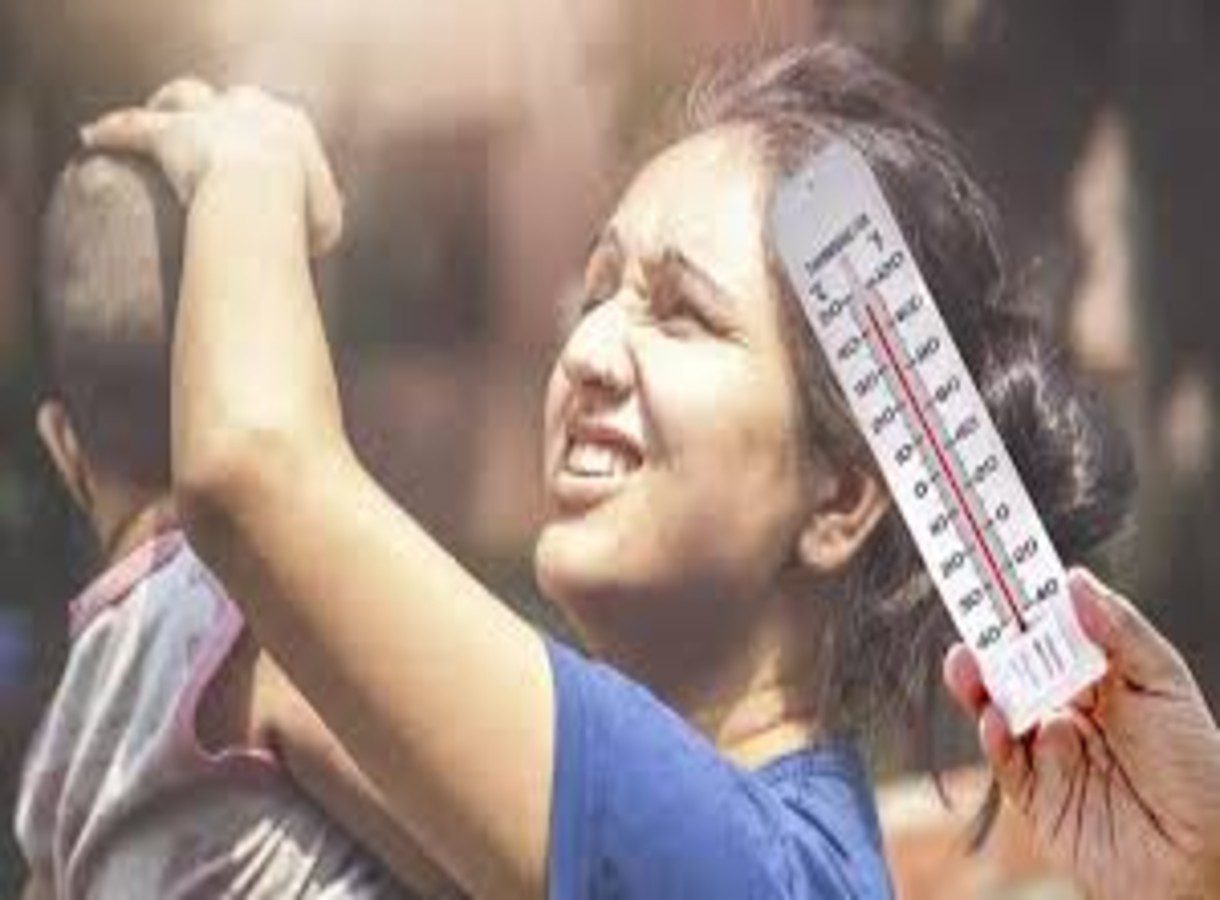
The heatwave of 2024 had a devastating impact in most parts of the country. While we will never know the exact number of fatalities, thanks to factors like underreporting and the narrow criteria for recording heat-related deaths, anecdotal evidence suggests they must be in thousands.

For example, in just three days, between June 18 and 20, Delhi Police recovered more than 50 bodies, mostly homeless individuals, as extreme heat swept across the city.

This year’s heatwave is also predicted to be severe. IMD has forecast higher-than-usual temperatures from April to June, with increased heatwave days across large parts of the country. The question is: How prepared are we to deal with the deadly impact of extreme heat in 2025?

First, awareness of heatwaves has increased significantly in recent years. Consequently, GOI has responded on two fronts to support states and cities in developing action plans. Ministry of health and family welfare has released a National Action Plan on Heat-Related Illnesses to capacitate hospitals to manage heat-affected patients.

Additionally, the National Heat-Related Illness and Death Surveillance system has been put in place to track health impacts. However, its data is generally not made public. For instance, we still do not have official figures for heat-related deaths in 2024.

NDMA, on the other hand, is assisting states, districts and cities in developing Heat Action Plans (HAPs). Recently, NDMA has asked all states, including those in the Himalayas, to develop HAPs and implement preventive measures. Reportedly, NDMA plans to introduce 300 more HAPs at the city level. HAPs are now the primary tool for mitigating the impact of heatwaves in cities and districts. But how effectively are these action plans being implemented, and can they save lives and livelihoods?

To find the answer, my colleagues and I undertook a comprehensive assessment of HAPs in nine cities and five districts, including Delhi, Gorakhpur, Vellore, Bhubaneswar and Surat. Our assessment reveals serious shortcomings in the design and implementation of HAPs. Here are the three key findings:

  • HAPs are generic action plans. They fail to consider local factors such as urban heat islands, critical infra, resource availability, and other built environment factors. Hence, most HAPs cannot accurately assess how heatwaves will affect people, infra and essential services. Without localised impact assessments, authorities cannot correctly map vulnerable populations or prepare for cascading failures in critical infra such as water supply, energy, transportation, and public health services. This is precisely what happened in 2024 in many cities when electricity and water supply failed and hospitals were overburdened.
  • Addressing heatwaves requires upgraded infra — cooling shelters, water access points, emergency medical facilities and 24/7 electricity supply — as well as additional resources and personnel. No Indian city has mapped out its resource requirements. Consequently, cities have not allocated dedicated funds for HAP implementation. For example, Delhi’s HAP does not have a budget, rendering it little more than paperwork.
  • The impact of heatwaves can be mitigated by reducing urban heat islands and promoting cool buildings. But NDMA guidelines lack a clear framework for integrating these strategies into HAPs. No Indian city has developed a comprehensive cooling strategy that includes building code revisions, sustainable urban design, and expanded access to cool public spaces.

From the study, it is clear that our approach to heatwave mitigation requires an urgent overhaul. We, therefore, have recommended three immediate steps for policymakers:

New classification system needed | The current definition of heatwaves is based solely on maximum day-time temperatures, ignoring crucial factors like humidity and night-time temperatures.Last year’s experience suggests that high night-time temperatures may have caused significant harm, as people could not recover from the day-time heat stress.

Similarly, the “Feels Like” temperature, which combines heat and humidity to provide a more accurate measure of heat stress, is not considered when issuing warnings. For instance, from June 20 to 26 last year, Delhi experienced seven consecutive days with a “Feels Like” temperature exceeding 50°C, which is considered hazardous. However, because the maximum day-time temperature remained below 40°C, IMD did not classify these days as official heatwave days. We need a new classification system that incorporates high day-time and night-time temperatures and the “Feels Like” temperature to trigger early warnings effectively.

Heatwaves as natural disasters | Unlike cyclones and floods, heatwaves are not officially classified as natural disasters under the Disaster Management Act, 2005. This prevents states from accessing crucial disaster relief funds. Recognising heatwaves as natural disasters will unlock resources and improve coordination across agencies.

Focused & legally binding solutions | NDMA must revise its guidelines to make HAPs actionable, city-specific and legally binding. This includes defining financial provisions, mandating infra upgrades, and integrating heat mitigation into urban planning. Cities must move beyond vague recommendations and develop real Heat and Cooling Action Plans (HCAPs) that focus on reducing temperatures, providing sustainable cooling solutions, and ensuring rescue and relief from the heat.

As the climate crisis intensifies, half-measures will no longer suffice. Heatwaves are now among the deadliest natural hazards facing the country. Without immediate and comprehensive reforms, the next heatwave will bring not just unbearable temperatures but also another avoidable tragedy.

The COP cop out that should surprise no one

Baku conference has shown up the glaring inadequacy of the international climate framework and the deep mistrust among nations. Bad news for the fight against climate change

Mahatma Gandhi’s famous critique of the Cripps Mission in 1942—describing its proposal as “a post-dated cheque on a crashing bank”—perfectly captures the essence of the climate finance deal adopted at COP29, the recent UN climate conference in Baku, Azerbaijan. However, there is one crucial difference: while Cripp’s figurative cheque was decisively rejected, the Baku finance deal, despite criticism from several nations, including India, was adopted. This highlights the broader failures of the UN Framework Convention on Climate Change (UNFCCC) and global efforts to address the climate crisis.

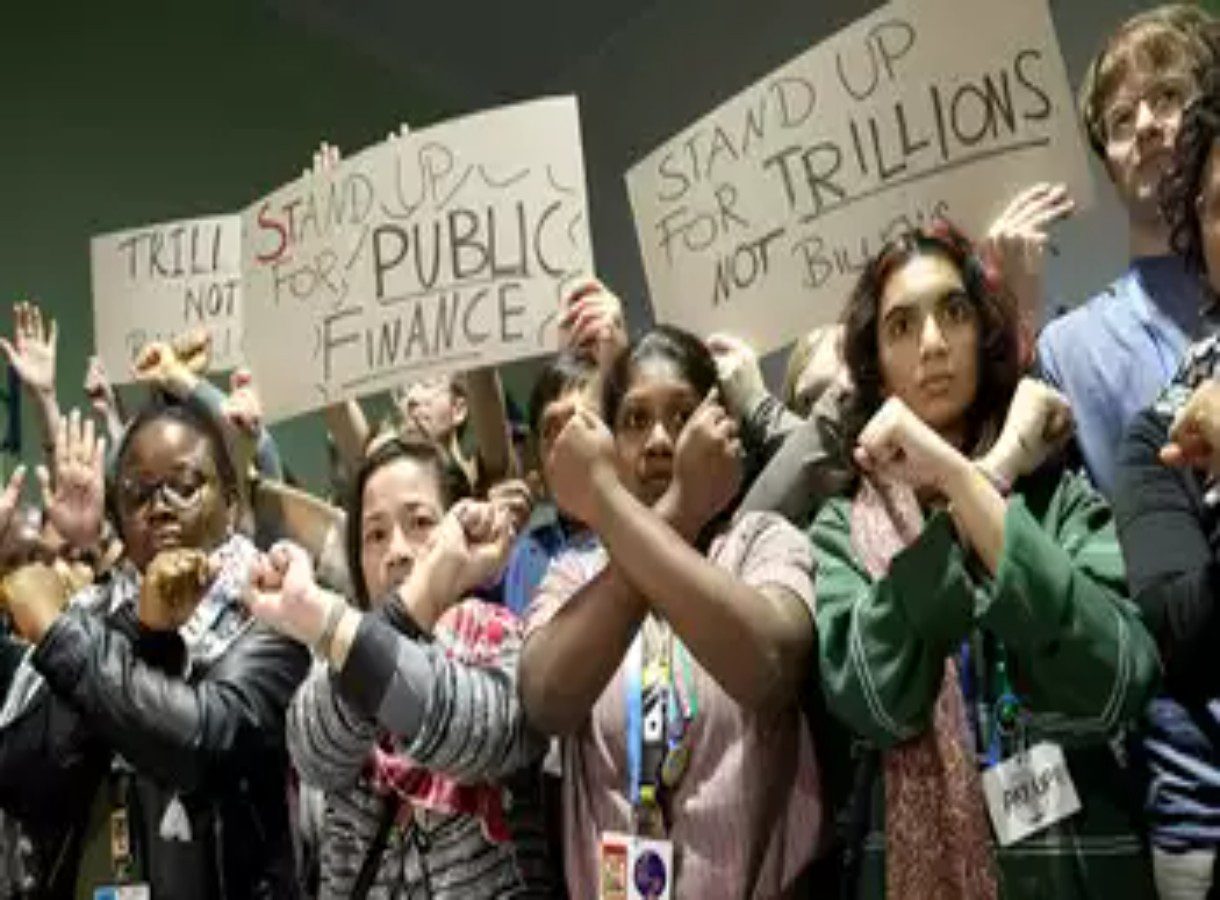
The Baku conference began with developing countries demanding $1.3 trillion in annual funding from developed nations by 2030 to tackle the climate emergency. Their proposal called for at least $500 billion in public funding, with the remainder provided as concessional private finance.

Yet, after two weeks of contentious negotiations, developed countries committed to only $300 billion annually by 2035, with no binding pledge for public funding. Instead, the deal vaguely promises to source funds from “a wide variety of sources, public and private, bilateral and multilateral, including alternative sources.”

Worse still, the agreement permits developed countries to include climate-related loans from multilateral development banks, such as the World Bank, as part of the funding pool. This means developed nations are under no obligation to increase funding beyond the current $100 billion annually until 2035. Moreover, they retain the freedom to count virtually any climate-related financial flow to developing countries as part of their contributions.

The political future of this deal is equally uncertain, as there is little chance that the incoming Trump administration will honour the commitments made by the Biden administration.

In essence, the Baku deal offers little more than a continuation of the status quo, allowing developed nations to sidestep meaningful financial obligations while leaving developing countries to shoulder the escalating costs of the climate crisis.

However, this is not surprising. In 2009, developed countries pledged $100 billion annually in climate finance by 2020. They met this target in 2022, and even then, nearly 70% of the funds were provided as loans at market rates, burdening developing nations with debt. Expecting trillions from nations that struggled to deliver billions was always unrealistic. So, how should developing countries secure meaningful climate finance?

The path forward requires fundamental  reforms in the  global financial system to empower developing countries to deal with the climate crisis and revamping the UNFCCC to enable effective international collaboration.

The current global financial system is stacked against vulnerable nations. Poor African countries, for instance, pay interest rates on loans that are four times higher than those paid by the U.S. and up to eight times higher than those paid by wealthy European countries. This disparity is being exacerbated by the climate crisis.

A report by the UN Environment Programme, Climate Change and the Cost of Capital in Developing Countries, found that climate vulnerability has already increased the average cost of debt in 25 vulnerable developing countries by 117 basis points. This translates to an additional $40 billion in interest payments over 10 years on government debt in these countries alone. This means developing nations are currently paying hundreds of billions of dollars to wealthy countries and their banks due to climate risks. The report predicts that this financial burden will double over the next decade. In effect, the current financial system is profiting from their climate vulnerability.

To address this injustice, several proposals, including those advanced during India’s G20 presidency, have been on the agenda for years. These include measures like debt crisis management, multilateral development bank reforms, risk mitigation programmes, and blended finance strategies. Implementing these reforms would enable developing countries to invest more in mitigation and adaptation using their own resources.   

Reforms within the UNFCCC are equally urgent. At Baku, India accused the COP Presidency and the UNFCCC Secretariat of manipulating the process to secure the adoption of the finance deal, reflecting a deep trust deficit in the institution. Additionally, the growing influence of the fossil fuel industry in UNFCCC proceedings threatens its credibility and relevance.

The reality is that under the Paris Agreement, all countries are now on their own to mitigate, adapt and pay for the costs of climate impacts. The UNFCCC is now simply a platform to collect, synthesize and disseminate information. It doesn’t have the tools to drive global collective action to combat climate change. So, persisting with UNFCCC in the present form is counterproductive.

There are many ideas on the table including making UNFCCC a smaller solution-driven forum where countries report their progress and are held accountable to their pledges. Other suggestions include establishing multiple sectoral and regional platforms, such as on energy, transportation, agriculture, industry etc., rather than relying on a single global framework.

The Baku conference has laid bare the glaring weaknesses of the international climate framework and the deep mistrust among nations. It is now up to Brazil, the host of COP30, to restore trust and drive meaningful progress. Without decisive reforms, the global fight against climate change risks being mired in inadequacy and inaction, with all the attendant hazards for life on earth.


COP: Count US Out, Up Your Climate Game

Trump’s re-election is a stark wake-up call for all nations. They must increase their climate finance and mitigation targets for 2035 and beyond without relying on Washington

The 29th UN Climate Conference (COP29), held in Baku, Azerbaijan, from November 11 to 22, has opened under ominous circumstances. The re-election of Donald Trump as U.S. president looms over the event, reviving memories of his first term, when he withdrew the U.S. from the Paris Agreement, halted climate funding, and significantly slowed international climate progress. During those years, the U.S. largely stood on the sidelines, often obstructing negotiations through proxies. Aside from partial progress at COP24 in Katowice in 2018—where the “rulebook” for implementing the Paris Agreement was advanced—Trump’s presidency was largely a setback for climate action.

Now, as global leaders gather in Baku, they face the possibility of similar inaction and obstruction from the U.S. The pressing question, therefore, is whether the world can afford another four years of inaction. If not, what strategies should countries pursue to advance international climate goals independently of the U.S.?

Falling Short: Recent data from international agencies reveal that, despite record-breaking investments in clean energy, the world remains off track to meet the Paris Agreement targets. In 2023, nearly $2 trillion was invested in clean energy projects—almost twice the amount invested in new oil, gas, and coal infrastructure. Yet, current policies and investments are leading the world toward a dangerous trajectory, with global temperatures likely to increase by more than 3°C.

This shortfall is largely due to the inadequate emission reduction efforts by G20 countries, which collectively account for roughly 80% of global greenhouse gas emissions. A UN Environment Programme assessment shows that several major economies—including the U.S., Canada, Japan, Australia, China, and Saudi Arabia—are not on course to meet their 2030 emission-reduction pledges, known as Nationally Determined Contributions (NDCs). While countries like India are projected to meet their NDCs, their overall emissions are expected to increase as they expand energy use to support basic development needs.

Against this backdrop, COP29 in Baku must tackle three interlinked priorities: scaling up climate finance, establishing effective carbon market rules, and setting the next phase of NDCs for 2035 and beyond.

Climate Finance: Dubbed the “Finance COP,” COP29’s primary focus is on climate finance. The conference is tasked with setting a new climate finance target, known as the New Collective Quantified Goal (NCQG), to support vulnerable and developing countries in combating climate change. This NCQG is intended to replace the previous target established in 2009, when developed nations committed to providing $100 billion annually by 2020. However, independent assessments reveal that this $100 billion goal was only reached in 2022, two years late, and much of the funding was in the form of loans, which has exacerbated debt burdens in many developing countries. The current need for climate finance is now far greater than in 2009.

A recent UN evaluation estimates that developing countries require around $500 billion annually, with some other projections suggesting that over $1 trillion is needed each year. At COP29 in Baku, developed countries must agree on the scope of the NCQG in a way that meets the needs of developing nations. Yet, with Trump’s U.S. unlikely to contribute significantly, the question remains: What will other developed countries offer? Will Baku see only a symbolic financial pledge, or will it result in substantial funding to spur global climate action?

Carbon Trading: Closely tied to climate finance is the contentious issue of carbon markets. In recent years, carbon markets have been a focal point in negotiations due to their mixed impact. On the one hand, they have potential to generate funding for climate mitigation; on the other, issues like fraudulent accounting and greenwashing have undermined their credibility. These concerns stalled agreement on carbon market rules in the past few COPs, but Baku is expected to finalize and operationalize these rules to restore trust and ensure integrity.

Setting New Targets: While many countries are not on track to meet their 2030 NDCs, new targets for 2035 are required by early 2025. COP29 is likely the last major opportunity to clarify expectations for post-2030 climate targets. These goals, however, are intertwined with outcomes on climate finance and carbon markets. An ambitious NCQG would allow developing countries to commit to higher targets, while a robust and transparent carbon market could empower developed countries to set more ambitious targets through emissions offsetting.

While COP29 in Baku is an important milestone, the odds of achieving an ambitious outcome appear slim considering the likely backtracking by the US. In addition, Azerbaijan, a significant oil and gas producer, is not known for climate leadership, so expectations must be tempered.

The key question facing the world now is how to drive global climate action without relying heavily on the US. I believe that over-reliance on U.S. leadership has been the main reason for the shortcomings of global climate progress. The US has never been a climate leader. Since 1992, when the first global climate agreement was signed, the US emissions have only reduced by 3%, meaning they have remained virtually unchanged in the last three decades. Furthermore, the U.S. has not been a major contributor to climate finance, often falling short on its commitments.

Trump’s re-election should, therefore, be a stark wake-up call, highlighting the need for a more diverse, multipolar approach to climate leadership. Just as global power structures are evolving into a multipolar landscape, climate governance must follow suit. Countries like China, India, the EU, Russia, South Africa, Turkey, Saudi Arabia, and Brazil are well-positioned to champion climate action within their respective regions, fostering a more resilient and collective approach.

By distributing climate leadership across multiple nations, the world has a better chance to unify and make substantial progress on this existential crisis, without being stalled by any one country’s political shifts.

AQI: Adaptable, quick-acting ideas

We know we’re losing the battle against air pollution, yet we persist with the same corrective measures, hoping for different results. The Graded Response Action Plan (GRAP) serves as a good example. GRAP protocols are triggered when the Air Quality Index (AQI) reaches “poor” category. However, most measures within GRAP involve actions that should be standard practice year-round, regardless of air quality.

Effective Waste Management Prohibiting Open Burning enforcing pollution laws managing traffic and suppressing dust on roads and construction sites should all be routine unfortunately we only start implementing these measures when pollution reaches toxic levels

Besides these interventions barely make a dent in AQI data shows that reduction in pollution during the winter month are more due to rainfall and wind speed changes than the effectiveness of GRAP measures so what are we missing? What big action could genuinely reduce pollution levels

This writer has discussed in the past the need for a regional action plan and addressing the root causes of air pollution-such as widespread use of biomass and coal as well as dust from land degradation. But there are also several high-impact strategies that must be implemented to improve air quality within the next five years.

PM Ujjwala 3.0 | Our study shows that Pradhan Mantri Ujjwala Yojana has been the most impactful air pollution intervention in the last decade. Expanding access to clean cooking fuel across Delhi-NCR could reduce PM2.5 levels by 25%. Achieving this will require a new PM Ujjwala Yojana to transition households to LPG or electricity for cooking.

Research indicates a 75% subsidy is decreased to enable exclusive LPG use in low-income households, requiring around Rs 5000-6000 per household annually. In Delhi-NCR this initiative would cost around Rs. 6000-7000cr per year, a fraction of the healthcare costs associated with air pollution-related diseases.

This will be profoundly pro-poor and pro-women initiative, especially considering that nearly 6L Indians, primarily women die prematurely due to indoor air pollution each year.

Clean Heating Fuel | Across India, over 90% of house holds rely on biomass and solid fuels to heat their homes during winter, contributing to pollution spikes in Dec and Jan. one of China’s pivotal air quality initiatives was a national clean heating fuel policy. While developing a similar long-term plan is essential in the short-term. Delhi govt could ensure that only electricity is used for winter heating and enforce a strict ban on open burning. This will yield swift improvements in Delhi’s air quality.

Package to end stubble burning | Curbing stubble burning would reduce the occurrence of severe and hazardous air pollution days in winter months. For this both short and long-term strategies are needed in the long term, agriculture in Punjab, Haryana, and parts of UP must transition from intensive rice-wheat farming to a diversified crop-system.

In the short-term, tech and incentives can play a key role. The simplest tech solution is to modify, or mandate combine harvesters that cut closer to the ground like manual harvesting, leaving minimal stubble.

Additionally, an incentive of Rs. 1000 per acre-similar to what Haryana Govt. provides – could encourage farmers to manage stubble sustainably, coupled with penalties, such as fine and exclusion from govt schemes for those who continue to burn it. This scheme would cost approx. Rs. 2,500cr annually.

Energy transition in industry | Industry and power plants account for roughly one-third of annual PM2.5 emissions in Delhi-NCR, reducing these will require tech upgrades and stricter enforcement. A scheme encouraging MSMEs to adopt cleaner fuel sources, especially electric boiler and fernanes, could significantly carb emissions.

For larger industries, stringent pollution norms and enforcement are essential. Shutting down older thermal power plants and enforcing the 2045 standards, which have yet to be fully implemented, will also be critical.

Transition to EVs | sealing up use of EVs is crucial Initially the focus should be on transitioning two and three wheelers as well as buses, since they are already economically viable.

Aiming for 100% electrification of new two and three-wheeler sales by 2025 in Delhi-NCR, would significantly lower emissions. Additionally setting a 30-35% electrification target for cars and other vehicles will help accelerate the transition to cleaner transport.

Green belt development | Dust pollution from within Delhi and neighbouring areas, coupled with seasonal dust from Thar Desert, has a substantial impact on air quality Creating a green belt around Delhi would serve as a natural barrier against incoming dust. Additionally, increasing green cover within the city including roadside and open space greening is essential to control local dust pollution.

Strengthen Municipalities | Local sources of pollution such as dust from roads and construction, open burning traffic congestion, and inadequate waste management are best controlled by municipalities, Municipalities must be held accountable for addressing these issues year round. Strengthening National Clean Air Programme to support municipal efforts will be key to achieving sustainable air quality improvements.

We can reduce air pollution by as much as 50-60% in the next five years if we implement these measures. However, this will not be easy. We need to work with millions of households, farmers, and vehicle owners and hundreds of thousands of industries to make it happen.

There are no quick fixes to improving air quality Only systemic changes involving all stakeholders will allow Delhi’s residents to breathe easy

How to avoid capital error

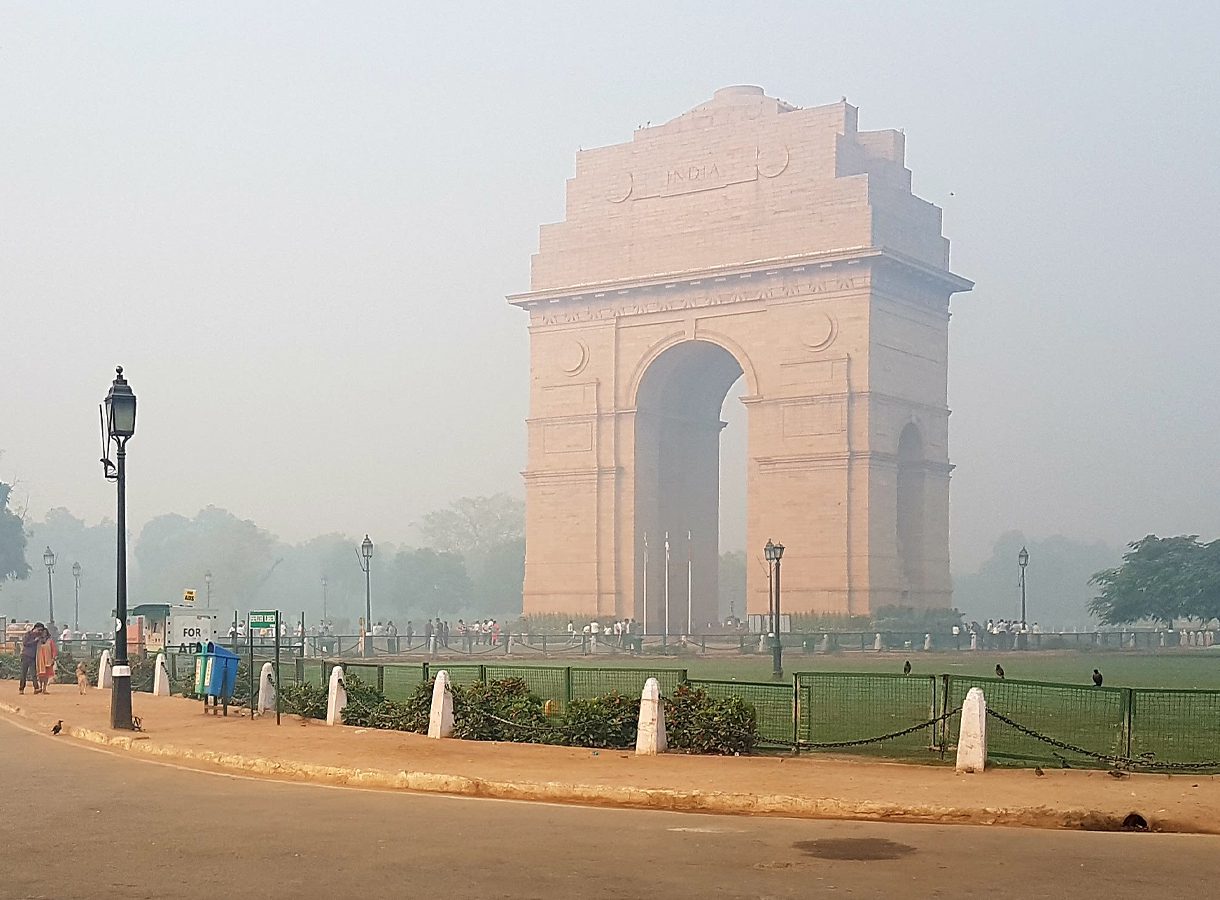
With Delhi’s air quality index (AQI) rising to 235 on Wednesday, its highest level since June 19, pollution season is here again. In what’s ominous, air quality dipping to “poor” category in Sep is a first in six years. As citizens of the national capital brace for the dreaded winter haze, Delhi govt has unveiled a 21-point action plan to curb pollution.

The action plan includes drone-monitoring of hotspots, special task force, work-from-home policy, voluntary vehicular restrictions, and a green award. To combat severe air pollution, the odd-even vehicle rationing scheme and even artificial rain are proposed.

Last year, too, AAP govt had introduced a 15-point action plan, which was completely ineffective. In fact, the air pollution season of 2023-24 was one of the worst in recent memory, with an average AQI of 304, compared to 280 in 2022-23 and 278 in 2021-22.

For over a decade, Delhi has experimented with various pollution control measures – odd-even schemes, smog towers, water cannons, tree plantations, and graded response action plan (GRAP), which restricts industry, construction, and vehicle operations, among others. Yet, the city continues to suffer.

Why Delhi’s plan won’t work

This year’s plan like those before, is un likely to deliver the clean air Delhi needs. And this is because these measures do not target the most significant pollution sources. Delhi, which makes up only 2.7% of NCR, lies in one of the most urbanised, industrialised, and agricultural regions in the world. Consequently its air is heavily influenced by pollution from neighbouring districts.

Studies reveal that only 30-50% of Delhi’s air pollution originates within the city with the remaining 50-70%coming from outside. This means that a regional approach is essential to reduce air pollution in the city. FUrthermore, the main source of pollution in Delhi-NCR are the use of biomass for cooking, heating,and in micro and small industries as well as the burning of agricultural residues in the surrounding states.

These activities contribute over 50% of the total PM2.5 pollution, the most dangerous pollutant of all. An additional 30% of PM2.5 pollution comes from industries and power plants that rely on coal and other fossil fuels in other words more than 00% of OM2.5 pollution in Delhi-NCR is caused by solid fuel, particularly biomass and coal burning, with vehicles contributing less than 30%. This estimation does not include dust from roads, construction sites and barren land, which are also significant sources of particulate pollution.

Centre, States must collaborate

If Delhi is serious about improving air quality it must stop relying on ineffective superficial solution like odd-even schemes, construction bans, and drone-monitoring. These temporary fixes do more harm than good by damaging the economy without addressing the core issue. The real solution lies in collaboration between the central govt and the states-Delhi, Haryana, Punjab, Uttar Pradesh and Rajasthan-to confront pollution at its source.

This collaborative effort can be operationalised by creating a new governance framework and institution to implement a coordinated clean air action plan. This will require all states to relinquish some powers for the common good. Here’s how this can happen:

  1. Establish air pollution control zone: The central govt. should declare Delhi and its surrounding areas as an Air Pollution Control Zone. Withing this zone, all air pollution-related measures should be implemented in a coordinated manner. Ideally, this zone should cover the entire airshed, spanning a 300 km radius around Delhi. However, considering the existing institutional setup this zone could include Delhi-NCR and four additional districts in UP-Aligarh, Hathras, Mathura and Agra. This would encompass an area withing a radius of about 150 km, with a population of around 80mn. Although this would exclude key agricultural area in Punjab and Haryana where stubble burning is rampant, that issue could be addressed through specific programmes aimed at eliminating crop residue burning.
  2. Set up empowered agency: To implement a coordinated clean air action plan, a new empowered agency should be established. The agency should have representatives from both central and state govts and be headed by a senior secretary-level officer. It should have district offices and its own staff. In other words, it should be the nodal agency for air pollution control in the zone, superseding other central and state agencies, similar agencies exist elsewhere, such as the California Air Resources Board established in 1967 to tackle severe pollution in cities like Los Angeles. China has set up the Beijing-Tianjin-Hebei Regional Coordination Council to reduce pollution levels in Beijing. While the Centre has set up Commission for Air Quality Management for NCR and Adjoining Area (CAQM), it has not been very effective because it lacks resources, authority and a proactive action plan.
  3. Put in place real action plan Delhi’s air quality and India’s as a whole cannot improve without a rapid transition to clean energy for cooking heating, industry, transport and power generation. Similarly, pollution from land and agriculture, such as agricultural residue burning and desertification, will have to be addressed. These challenges will require bold schemes, dedicated resources and multi-year efforts to see tangible result. For this a genuine action plan needs to be developed.

But the question remains: Are the central and state govts up for the challenge?


No, cloud seeding didn’t drown Dubai

A warming Arabian Sea means cities around it, Dubai to Mumbai, are vulnerable to extreme weather. But what’s more extreme is that govts and companies are trying to fix the weather using tech

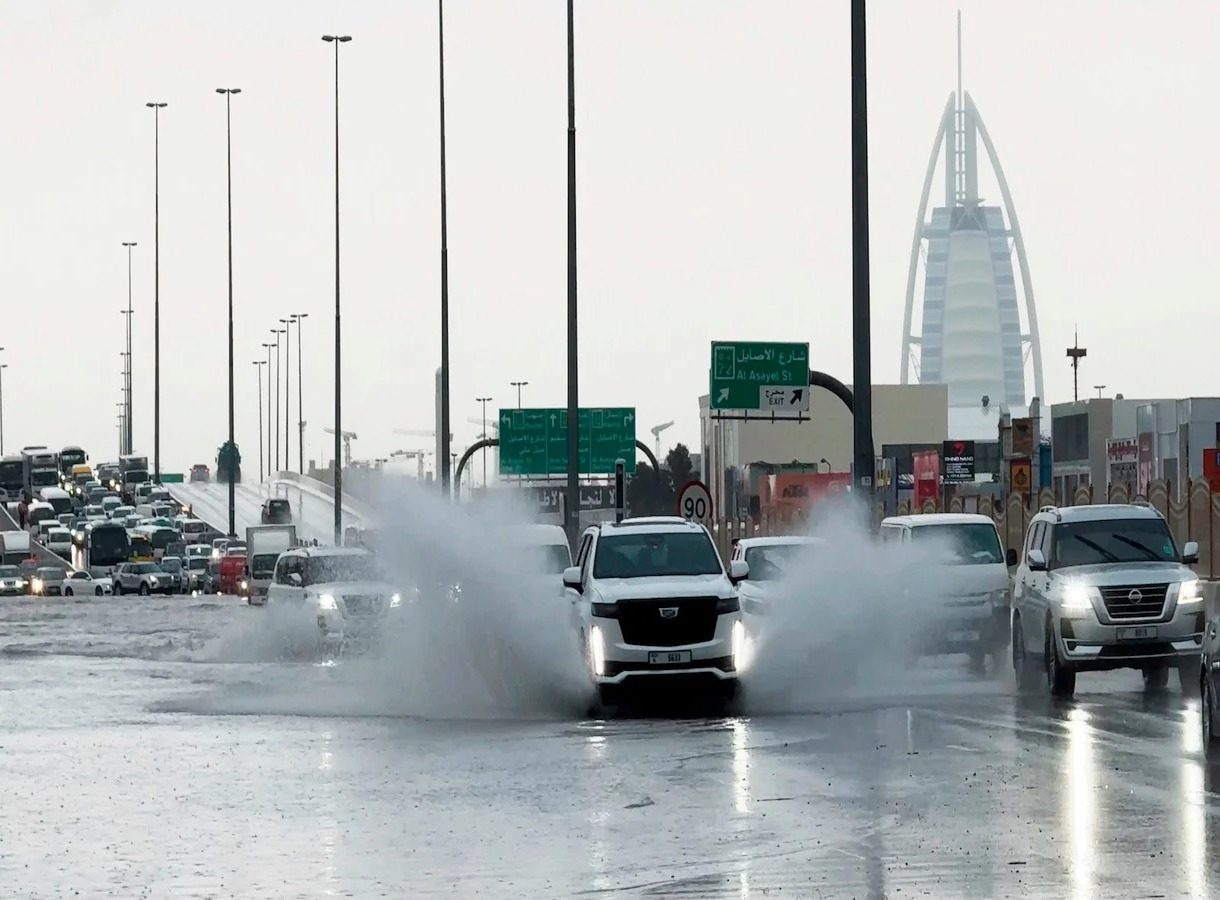
The unprecedented flood in Dubai on April 19 has ignited much-needed discussion on weather modification and geo-engineering. Theories on what caused the extreme rainfall include cloud seeding, global warming and poor drainage systems. So, what did cause the rain?

It was not cloud seeding:

Cloud seeding’s an old weather-modification tech that induces rainfall by spraying chemicals such as silver iodide and common salt into clouds to make nuclei, around which the cloud’s moisture can condense, and form droplets. When sufficient droplets coalesce, they become heavy and fall as rain. It’s crucial to understand that cloud seeding cannot create rain from a clear sky-it needs clouds with sufficient moisture. Therefore, cloud seeding is generally used where clouds form, but it does not rain. Similarly, cloud seeding cannot create more rain than what is already in the cloud.

The storm system that caused flooding in Dubai was too big to be influenced by six or seven cloud-seeding aeroplanes that UAE’s weather body NCM flew, days prior. This weather system had massive amounts of moisture and affected thousands of square kilometers, causing heavy rainfall over UAE, Oman, Bahrain, Qatar, and Saudi Arabia. Oman’s Mahda got more rain than Dubai, and suffered maximum loss of life as well.

It was not unexpected eithen NCM had warned about “unsettled weather conditions” and advised people to work from home. In a nutshell, such an intense downpour over such a vast area cannot happen through cloud seeding. Even if there had been cloud seeding, it would have only marginally affected the intensity of rainfall.

But a warming planet:

Weather reports clearly show the downpour was caused by a combination of a low-pressure weather system over the region, and an anticyclone over Arabian Sea. The anticyclone pushed a massive amount of moisture into the area, which caused heavy rain. But tell-tale signs of global warming are replete in this episode.

Arabian Sea is warming at one of the fastest rates. Its surface temperature has increased by 1.2°C to 1.4°C in the last four decades. Surface warming has increased the evaporation rate, increasing water vapour in the atmosphere. Simultaneously, a warmer atmosphere, again due to global warming, can hold more moisture, and dump it as extreme rainfall. This is the precise mechanism through which extreme rainfall and cyclones have increased over Arabian Peninsula and western India.

Dubai was hit by extreme rainfall in Feb too. In fact, an equally ferocious storm lashed Dubai on March 8, 2016. The trend is evident – cities around Arabian Sea, including Mumbai, will increasingly be hit by extreme rainfall and cyclones, as global warming intensifies. A warming planet will spare none, not even the wealthiest sheikhdom.

‘Fixing’ weather is a tricky slope:

The chatter on cloud seeding, thought misinformed, shows the public’s apprehension about such tech. Now is when to discuss them more vigorously, because such tech are becoming real and big, and can potentially harm the planet and cause conflict between countries.

Weather modification is being carried out worldwide without any international oversight.

Take cloud seeding, used in over 50 countries, including large-scale application in US, China and UAE. China plans to bring 5.5m sq km, an area equivalent to 1.5 India’s, under a weather modification programme by 2025. What will be its impact on neighbouring countries, and global climate?

Geo-engineering tech is developing rapidly. Solar radiation modification – a group of technologies to deliberately reflect sunlight into space to cool the planet is being seriously explored as a solution to climate crisis. It includes injecting sulphur droplets into stratosphere, spraying salty water into clouds over oceans, and scattering glass over polar ice to reflect sunlight into space. Some scientists are adding nutrients to the ocean to stimulate phytoplankton growth, to suck atmospheric CO2. Private companies, too, have entered this business. A Silicon Valley-backed start-up launched nearly 50 sulphur-filled balloons from Mexico into stratosphere to reflect sunlight. This company now plans to sell “cooling credits” for such launches.

Plus, there’s no oversight:

All these tech advances are being developed and tested without domestic or international regulations. International conventions (London Convention on Prevention of Marine Pollution, Convention on Biological Diversity and Vienna Convention on Protection of Ozone Layer) prohibit geo-engineering. But these have been ignored. A few nations attempt at UN’s Environment Assembly to regulate or ban geo-engineering also failed.

But this ostrich-like attitude won’t solve the problem. At least 20 countries and many more corporations have the financial muscle to send planes into stratosphere and spray sulphur particles. Who will stop them? A multilateral framework to govern geo-engineering and large-scale weather modifications is the need of the hour; something that merits open and transparent discussion with the public.

Who’s to blame for the world’s most polluted capital?

Delhi’s pollution levels keep rising with rising GRAP restrictions. This plan is only spiking congestion and chaos. Eight years in, it needs replacing with something that actually works.

Even as Delhi was enjoying a rare respite with cleaner air and sunny skies, dropped the news of its being the world’s most polluted capital city. What is needed is to discuss air pollution without falling into the trap of unproductive blame games and futile arguments.

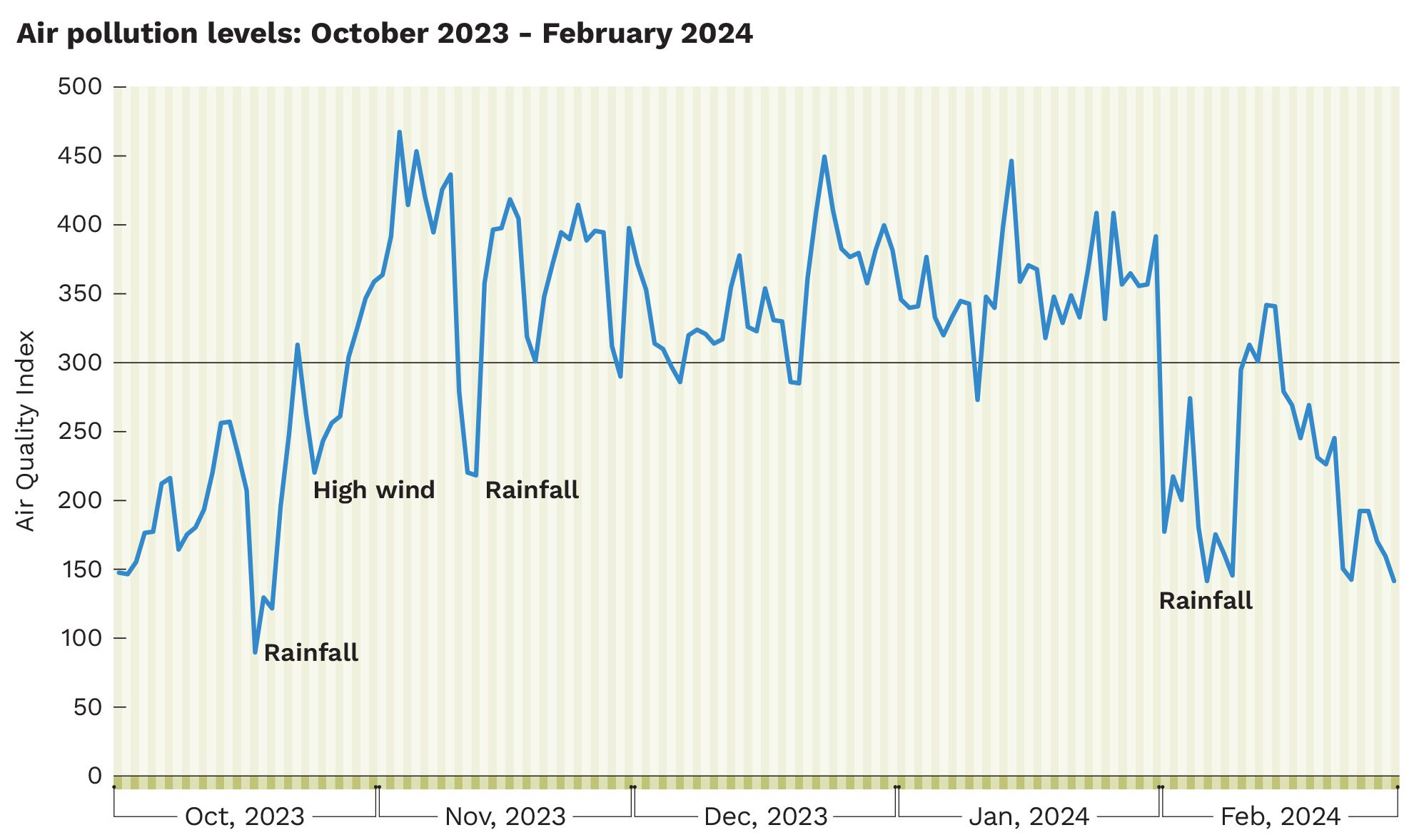
To set the context, the air pollution season of 2023-24, stretching from October 1st to February 29th, was one of the worst in recent memory. It’s average Air Quality Index (AQI) was 304, a notable increase from 280 in 2022-23 and 278 in 2021-22.

Alarmingly, the city witnessed 92 days of ‘very poor’ air quality, compared to 73 in 2022-23 and 67 in 2021-22— nearly 40% increase in the last two years. The question we need to ask is why, despite concerted efforts, the needle on pollution levels is moving in the opposite direction?

Usual Suspects

These columns have previously delved into the primary drivers of our national air quality crisis—extensive use of biomass and coal, along with dust from widespread land degradation. Today, we scrutinize the Graded Response Action Plan (GRAP), a key strategy to mitigate the city’s hazardous pollution levels.

GRAP Ambit

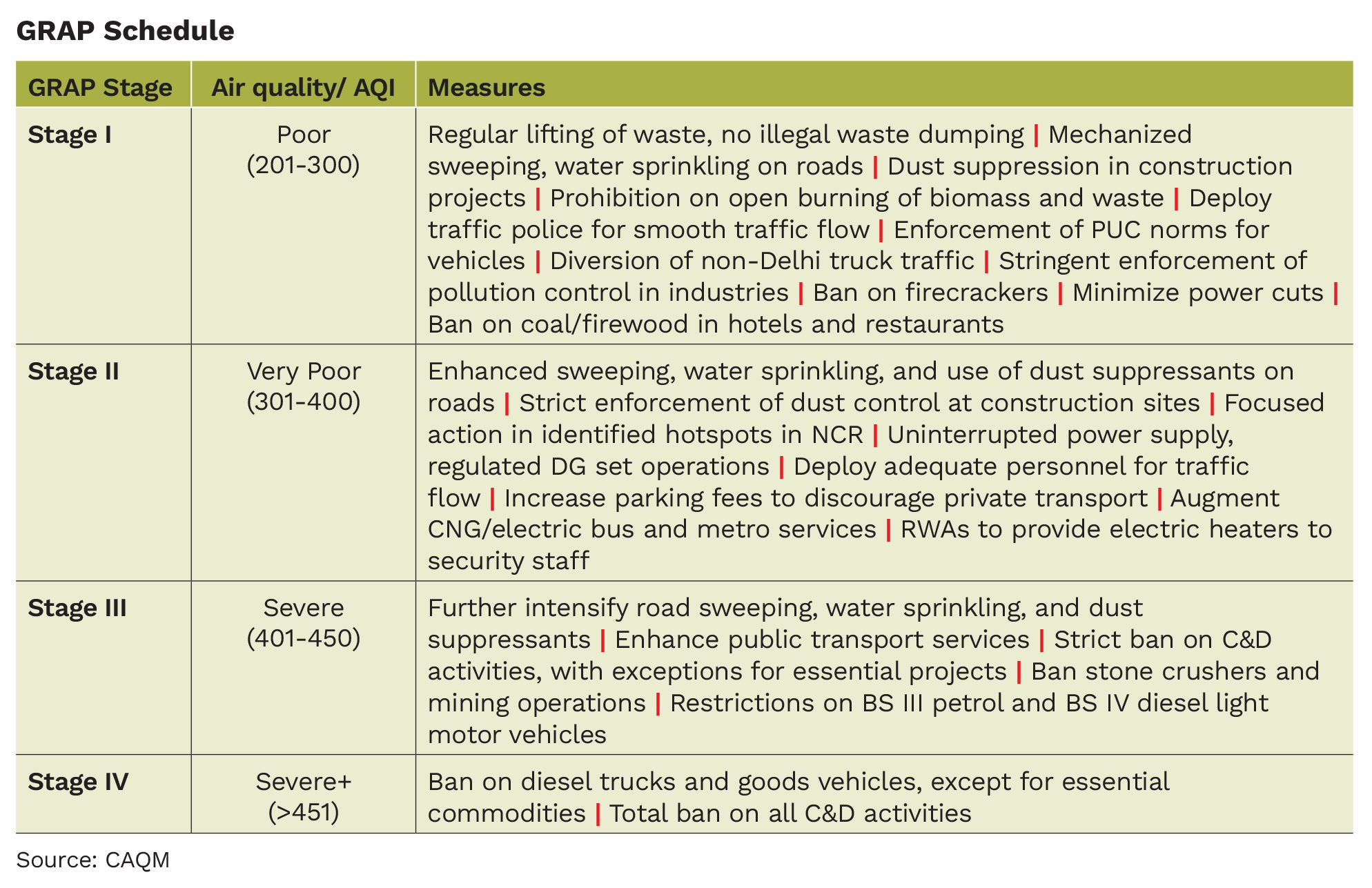
First, let’s understand what GRAP is and whether it even merits being called an “Action Plan”. The GRAP schedule ranges from Stage I to IV and gradually intensifies restrictions on different economic activities. However, as the table below shows, most measures under Stages I to III contain activities a city should do throughout the year, irrespective of air quality. Proper waste management, prohibiting open burning, traffic management, enforcement of pollution laws and dust suppression on roads and construction should be done as routine, not as an emergency response.

The plan reserves its more draconian measures — construction bans, the ban on mining and vehicle restrictions — for its final stages when air quality plunges into severe categories. Yet, the evidence that these interventions bring about significant air quality improvements is scant. Our analysis suggests that reductions in pollution levels are more closely tied to natural phenomena like rainfall or changes in wind speed rather than the direct impact of GRAP’s stringent measures.

Meteorological Miracle

Consider the sudden dip in pollution levels on 17th-20th October, 2023, 10th-12th November, 2023 and 1st-9th February, 2024. They were caused by rainfall. Likewise, on days when AQI was less than 300, the wind speed was generally above 9 km/hour. So, meteorology decides the air quality in the city, not GRAP measures. Yet, we have continued with GRAP for the last eight years without asking whether it is even working.

Chaos and Pollution

The fact is, the GRAP restrictions, apart from hurting lakhs of jobs, especially for low-income families, are likely causing more pollution and chaos. Take, for instance, the chaos at Delhi airport in January 2024.

Minister of Civil Aviation Jyotirao Scindhia blamed the delays and cancellations on the enforcement of GRAP-IV, which stopped the recarpeting of a runway. While one can argue that the Delhi airport could have done the maintenance before winter, the fact is that because of the GRAP IV-induced construction ban, the number of passengers who faced delays was 4.8 lakh in January 2024 compared to 2.4 lakh in January 2023. Is pollution due to the recarpeting of a runway more than the pollution from thousands of waiting and hovering aircraft and traffic chaos at the airport?

Likewise, the restrictions on commercial vehicles, intended to curb pollution, have had the opposite effect, exacerbating congestion and chaos at the city’s borders.

The GRAP restrictions are counterproductive and impose unjustifiable costs on the city. They also harm by giving the sense that something is being done to stop pollution when the opposite is true. Thus, it is time to rethink mechanisms such as GRAP and find real answers for air pollution in the city.

So, what can Dubai do?

COP28 will really test rich nations’ commitment to climate finance. Big Oil & Big Gas will be under severe scrutiny.

There is always a hype build around the annual United Nations Climate Change Conference. Every Conference of the Parties (COP) is projected as a do-or-die meeting. Success is typically measured by the grandeur of new pledges, with the n=host country basking in the glow of any significant commitments. However, the 28th COP, which begins on November 30 in Dubai, is unique because it is not so much about new promises (though there will undoubtedly be some) but what happened to the old ones. The question to be answered in Dubai this December is; have the countries kept their promise, and if not, what’s next? Dubai COP, therefore, is the first “official” reality check of the climate crisis. It is also a reality check for the oil and gas industry and for the commitment of the rich world to support poor countries in dealing with climate disasters.

The Paris Climate Accord, adopted in 2015 and signed by 195 countries is a unique treaty. While it has set an international goal to keep temperature increases within 1.5-2°C, it cannot force countries to cut emissions. Countries pledge voluntary commitments to reduce emissions, called Nationally Determined Contributions (NDCs), but these are not legally binding, and there is no penalty for non-compliance. What the Paris Agreement has is a process to review pledges every five years, called Global Stocktake (GST), to check where the world stands on climate action. The assumption is that disclosing information will put moral pressure on countries to enhance their commitments. The Dubai COP, therefore, is crucial because the results from the first-ever GST will be discussed here.

While all assessments clearly show that the current emissions trajectory will lead to a 3°C warning by the end of the century, the big question is what kind of message from GST will be delivered in Dubai. Would it be greenwashing, or would it call out countries for vapid and unmet commitments? This is important because the outcome of GST will inform the next round of NDCs that countries need to declare by 2025. These commitments will be implemented through 2025 and thus would decide climate action for the next 10 years. So, the right messaging from COP28 is crucial to unequivocally indicate what countries, developed and developing, are required to do to put the world on track to meet the Paris Agreements goals in the next decade, a decade which will decide whether we will win or lose the climate battle.

Then there’s the elephant in the room. Often touted as a cleaner fuel than coal, oil and natural gas (O&G) in 2022 accounted for 54% of global greenhouse gas emissions; coal accounted for 40%. O&G is the developed world’s fuel of choice. In the EU, for instance, they contribute about 60% of the total energy; coal’s contribution is 10%. The reliance on O&G is even greater at 70% in the US. In contrast, the dependence on coal is higher in emerging economies like India, China, South Africa and Indonesia.

Two years ago, at COP26 in Glasgow, an agreement was reached to phase down coal use. This concession was wrung from countries like India that depend heavily on coal to meet their energy demand. Despite repeated attempts, no such commitments have been made for O&G, although it is abundantly clear that prolonged reliance upon such fuels is entirely incompatible with the 1.5°C goal. Dubai, however, is the perfect venue to make such a commitment.

The UAE is the world’s eighth largest petroleum producer and very mush a petrostates. A recent Guardian expose found that the Abu Dhabi National Oil Company (ADNOC) has the most investment in new petroleum production projects. The CEO of ADNOC is Sultan Al Jabar, the man that the UAE has selected to preside over COP28. So, the stage is set for what the executive director of the International Energy Agency has called a “moment of truth for the (global) oil and gas industry’s efforts on climate”. Would the developed world and the petrostates agree to the O&G phase-down, or would this be another lost opportunity?

Perhaps the most critical issue for developing countries at COP28 is action on the Loss and Demage Fund (LDF), whose creation was agreed to last year at COP27 in Egypt. Recent years have seen a rapid acceleration of climate-related disasters. These impacts are being borne disproportionately by smaller, poorer, and inevitably less developed countries, which are least responsible for the climate crisis. LDF was envisioned to channel funds from rich economies into those most vulnerable to climate disasters.

While the agreement to create the LDF last year was undoubtedly momentous, we will see whether this vehicles will be given any teeth in Dubai. If it is left toothless and penniless, the Global South should accept that the North has no intention of taking any responsibility for its historic emissions and has no serious plans to help those in need.

The commitments made in Dubai on LDF and action on O&G will determine whether the goals of UNFCCC can be met. Will developing countries be made to bear alone the costs of adaption to a rapidly warming planet while the rich burn petrol and utter empty platitudes? Or will the developed world finally take responsibility for its historical emissions?

In essence, COP28 isn’t just another gathering; it’s a milestone event where the international community must confront the harsh truths about our collective (and differentiated) efforts to combat climate emergency

Social media & sharing icons powered by UltimatelySocial