
Cloud seeding was never the solution for Delhi’s air pollution

Even if it had succeeded, cloud seeding would have offered Delhi only momentary relief from the toxic air. What the current crisis calls for is science-based governance

Delhi’s much-anticipated cloud seeding experiment on October 28 failed to produce the desired rainfall, despite the hope that artificial showers could wash away the thick haze choking the city. While disappointment is understandable, this outcome should not come as a surprise. It reinforces what environmental scientists have long maintained: The capital’s pollution problem cannot be dispersed with one-off, high-visibility interventions.

Each year, as autumn fades into winter, Delhi’s skyline turns into a haze of toxic grey. With air quality indices breaching hazardous levels, the pressure to act swiftly intensifies. The latest response: A pilot cloud seeding experiment, aimed to induce rainfall that can temporarily wash pollutants from the atmosphere. While the intent is understandable, it is critical to ask whether such an intervention can truly address Delhi’s deeply entrenched complex air pollution problem.

Cloud seeding is a weather modification technique that involves dispersing substances such as silver iodide or sodium chloride into clouds to encourage rainfall. It has been used in several countries, including China, the United States, and the UAE, mostly to tackle drought or enhance water availability. In India, it has been used intermittently in states such as Maharashtra and Karnataka for similar purposes.

Also Read | The ‘patakha’ police won’t solve Delhi’s toxic air crisis

Its use to reduce air pollution, however, remains rare and scientifically inconclusive. While rainfall can temporarily wash away suspended particulates, its effects are short-lived and depend heavily on the presence of suitable clouds, humidity, and wind conditions. Even globally, cloud seeding has offered only localised and temporary improvement in air quality.

Delhi’s pollution pattern is no longer a mystery. It’s a challenge well understood. Decades of research have consistently identified both its sources and its seasonal behaviour. Studies by IIT Delhi, TERI, and the System of Air Quality and Weather Forecasting and Research (SAFAR) have shown that air quality deteriorates sharply in October and November due to a combination of anthropogenic and meteorological factors.

Chhath Puja: The Yamuna can be cleaned — but only if we abandon shortcuts

We have been asking the wrong question. Instead of asking if rivers can be cleaned, we must ask how we can stop polluting them

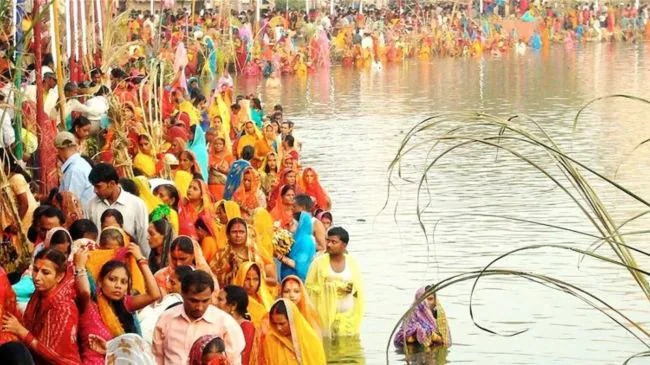
Every year, as Chhath Puja brings millions of devotees to the banks of the Yamuna, the issue of river pollution takes centre stage. This, in turn, revives a perennial question: Can the Yamuna — or any polluted river in India — be cleaned?

The answer is both yes and no. Yes, because many countries across the world have restored their rivers and kept them clean. The technology exists; India, too, can achieve it. No state or authority has succeeded in keeping a water body unpolluted over the long term. The failure lies not in capacity but in approach. We have been asking the wrong question. Instead of asking if rivers can be cleaned, we must ask how we can stop polluting them. The difference is subtle but crucial. If waste is prevented from entering rivers, they will revive naturally, as we briefly saw during the COVID-19 lockdown when industries were shut.

Across the developed world, wastewater management is a solved problem: Sewage is collected from every household through a sewer network, sent to pumping stations, treated at sewage treatment plants (STPs), and discharged only after treatment. Industrial effluent is also strictly regulated, and industries comply with standards. In India, however, the story is different.

Why India is failing where others succeeded

In developed countries, and even in emerging economies like China, growing populations prompted cities to build systems that separated drains and sewers. Sewage went through a closed network of pipes to treatment plants, while drains carried only rainwater. In India, however, there is often no separation between sewer lines and stormwater drains. And where separate sewer lines do exist, a large percentage of households are not connected. Their sewage either flows directly into drains or into millions of septic tanks, from which untreated effluent eventually runs off into drains.

Instead of ensuring every household and institution is connected to a separate sewer line, we have promoted shortcuts — installing new STPs along with Interception and Diversion (I&D) drains that intercept open drains carrying mixed waste and divert them to STPs. On paper, this looks promising: If we can collect all wastewater through I&D drains and install enough STPs, then we can clean our rivers. This approach has been adopted by all river-cleaning schemes, including Namami Gange and the new Yamuna cleaning plan. But the reality on the ground is something else.

In the last decade, India has built impressive treatment capacity. Many cities now have more STP capacity than the sewage they generate. Delhi, for instance, generates 2,674 million litres per day (MLD) of sewage but has STPs capable of treating 3,300 MLD. Why then does untreated wastewater still flow into the Yamuna? The reason is simple: 30–40 per cent of Delhi’s population lives in colonies without sewer connections. Their sewage enters open drains, where it mixes with stormwater and other waste before being sent to STPs.

City Population (Million) Sewage Generated (MLD) Installed STP Capacity (MLD)
Lucknow 4.13 495.6 605
Prayagraj 1.35 162 340
Varanasi 2.08 294.6 410
New Delhi 22.28 2673.6 3300

But no treatment plant can handle the massive volumes of drain discharge, especially during the monsoon when untreated sewage is allowed to bypass the system entirely. Even in dry seasons, STPs struggle because they are designed for specific sewage parameters that they never actually receive — owing to the mixing of sewage with drain water — making treatment inefficient. Treating a mixture of sewage, rainwater, and industrial waste is unscientific and wasteful, yet this remains India’s dominant approach.

Another problem is fragmented responsibility. In Uttar Pradesh, different contractors from multiple organisations — such as Jal Sansthan and Jal Nigam — handled sewer networks, pumping stations, and STPs separately, with no single agency accountable. In 2019, the state introduced the ‘One-City-One-Operator’ model, under which one company manages the entire sewerage system of a city for 10–15 years, with payments linked to performance. International firms like SUEZ, VA Tech Wabag, and Toshiba now operate under this model, with centralised payment, effluent testing by accredited agencies, and independent monitoring. Accountability has improved, but without full sewer coverage and separation of sewage from drains, even the best operators cannot solve the problem.

The way forward

For years, Indian cities have avoided building comprehensive household-level sewerage systems, citing costs, and have relied on I&D drains as a stopgap until all households are connected. But it is now clear that both the environmental and economic costs of treating drains instead of sewage collected through closed sewer networks are unsustainable.

It is important to recognise that modern sewage treatment infrastructure is costly to build and maintain. There are no cheap solutions. The cost of sewage treatment is nearly three times the cost of producing potable water. In Lucknow, for example, it costs Rs 7 to produce 1,000 litres of potable water, but Rs 21 to treat sewage to tertiary standards (BOD below 10). This cost must ultimately be recovered from the public. Wherever possible, treated water should be reused, recycled, and sold, but a well-functioning sewerage system must simply be accepted as a necessary public cost.

The Yamuna can indeed be cleaned — but only if we abandon shortcuts. We must follow the basic principles that have worked elsewhere and invest in comprehensive, scientific, and accountable systems. We can certainly innovate and make our systems more efficient. But unless we get the fundamentals right, we will remain trapped in an illusion of progress while our rivers continue to die.

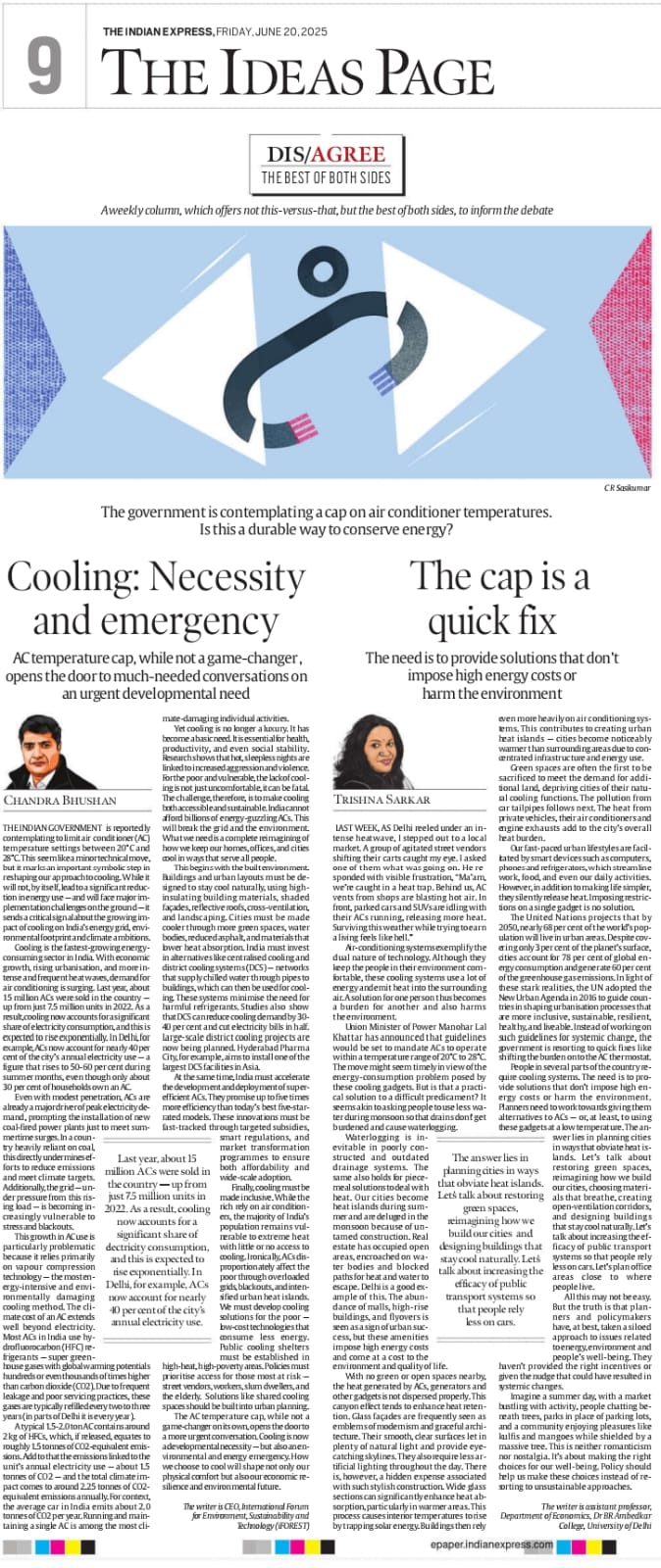
Cooling: Necessity and Emergency

AC temperature cap, while not a game-changer, opens the door to much-needed conversations on an urgent developmental need

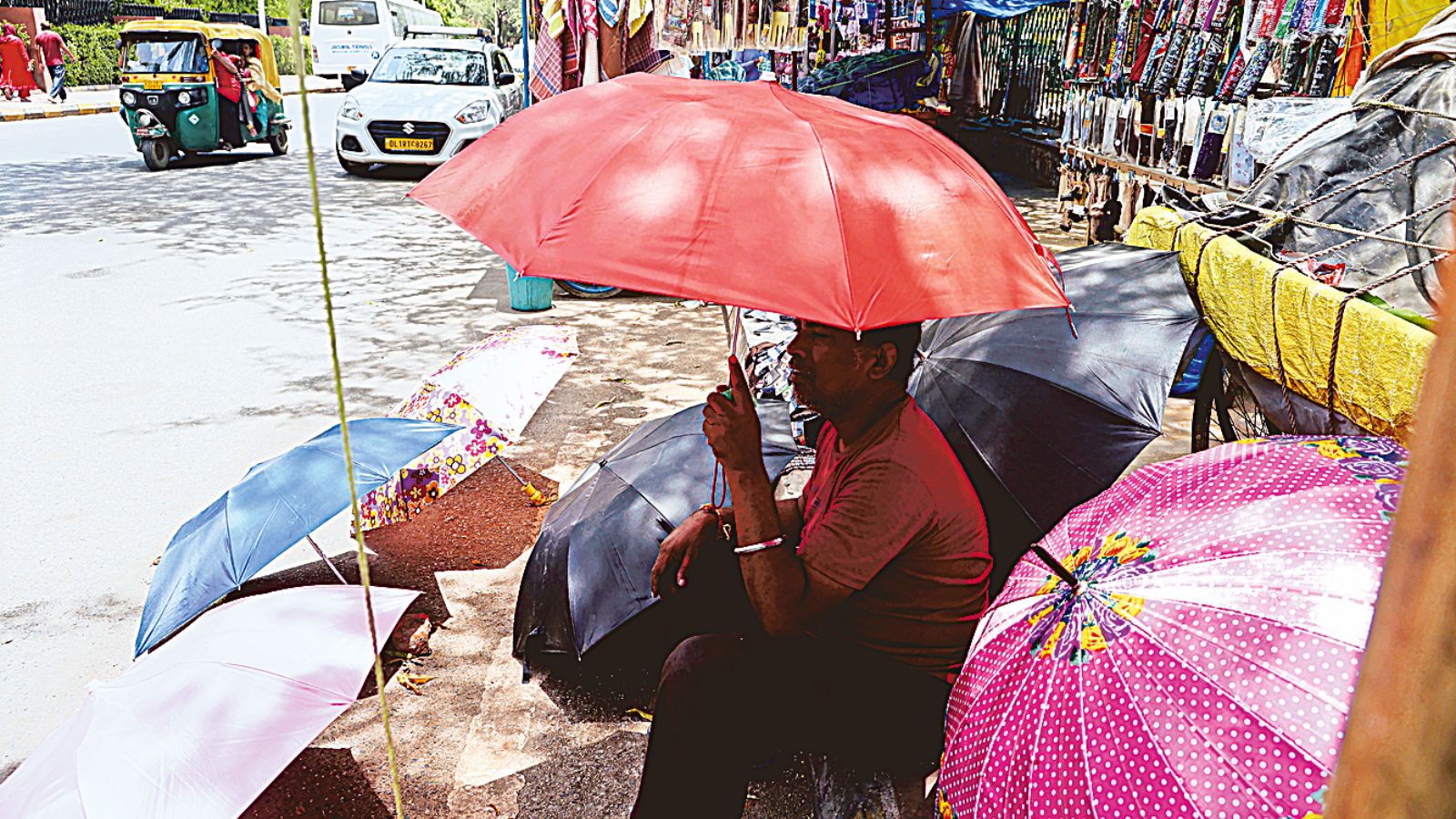
The Indian government is reportedly contemplating to limit air conditioner (AC) temperature settings between 20°C and 28°C. This seem like a minor technical move, but it marks an important symbolic step in reshaping our approach to cooling. While it will not, by itself, lead to a significant reduction in energy use — and will face major implementation challenges on the ground — it sends a critical signal about the growing impact of cooling on India’s energy grid, environmental footprint and climate ambitions.

Cooling is the fastest-growing energy-consuming sector in India. With economic growth, rising urbanisation, and more intense and frequent heat waves, demand for air conditioning is surging. Last year, about 15 million ACs were sold in the country — up from just 7.5 million units in 2022. As a result, cooling now accounts for a significant share of electricity consumption, and this is expected to rise exponentially. In Delhi, for example, ACs now account for nearly 40 per cent of the city’s annual electricity use — a figure that rises to 50-60 per cent during summer months, even though only about 30 per cent of households own an AC.

Even with modest penetration, ACs are already a major driver of peak electricity demand, prompting the installation of new coal-fired power plants just to meet summertime surges. In a country heavily reliant on coal, this directly undermines efforts to reduce emissions and meet climate targets. Additionally, the grid — under pressure from this rising load — is becoming increasingly vulnerable to stress and blackouts.

This growth in AC use is particularly problematic because it relies primarily on vapour compression technology — the most energy-intensive and environmentally damaging cooling method. The climate cost of an AC extends well beyond electricity. Most ACs in India use hydrofluorocarbon (HFC) refrigerants — super greenhouse gases with global warming potentials hundreds or even thousands of times higher than carbon dioxide (CO2). Due to frequent leakage and poor servicing practices, these gases are typically refilled every two to three years (in parts of Delhi it is every year).

A typical 1.5-2.0 ton AC contains around 2 kg of HFCs, which, if released, equates to roughly 1.5 tonnes of CO2-equivalent emissions. Add to that the emissions linked to the unit’s annual electricity use — about 1.5 tonnes of CO2 — and the total climate impact comes to around 2.25 tonnes of CO2-equivalent emissions annually. For context, the average car in India emits about 2.0 tonnes of CO2 per year. Running and maintaining a single AC is among the most climate-damaging individual activities.

Yet cooling is no longer a luxury. It has become a basic need. It is essential for health, productivity, and even social stability. Research shows that hot, sleepless nights are linked to increased aggression and violence. For the poor and vulnerable, the lack of cooling is not just uncomfortable, it can be fatal. The challenge, therefore, is to make cooling both accessible and sustainable. India cannot afford billions of energy-guzzling ACs. This will break the grid and the environment. What we need is a complete reimagining of how we keep our homes, offices, and cities cool in ways that serve all people.

This begins with the built environment. Buildings and urban layouts must be designed to stay cool naturally, using high-insulating building materials, shaded façades, reflective roofs, cross-ventilation, and landscaping. Cities must be made cooler through more green spaces, water bodies, reduced asphalt, and materials that lower heat absorption. India must invest in alternatives like centralised cooling and district cooling systems (DCS) — networks that supply chilled water through pipes to buildings, which can then be used for cooling. These systems minimise the need for harmful refrigerants. Studies also show that DCS can reduce cooling demand by 30-40 per cent and cut electricity bills in half. Large-scale district cooling projects are now being planned. Hyderabad Pharma City, for example, aims to install one of the largest DCS facilities in Asia.

At the same time, India must accelerate the development and deployment of super-efficient ACs. They promise up to five times more efficiency than today’s best five-star-rated models. These innovations must be fast-tracked through targeted subsidies, smart regulations, and market transformation programmes to ensure both affordability and wide-scale adoption.

Finally, cooling must be made inclusive. While the rich rely on air conditioners, the majority of India’s population remains vulnerable to extreme heat with little or no access to cooling. Ironically, ACs disproportionately affect the poor through overloaded grids, blackouts, and intensified urban heat islands. We must develop cooling solutions for the poor — low-cost technologies that consume less energy. Public cooling shelters must be established in high-heat, high-poverty areas. Policies must prioritise access for those most at risk — street vendors, workers, slum dwellers, and the elderly. Solutions like shared cooling spaces should be built into urban planning.

The AC temperature cap, while not a game-changer on its own, opens the door to a more urgent conversation. Cooling is now a developmental necessity — but also an environmental and energy emergency. How we choose to cool will shape not only our physical comfort but also our economic resilience and environmental future.


In wake of US-Ukraine critical minerals deal, much remains to be done to safeguard developing countries’ interests

Critical minerals are the backbone of the green energy transition, but their supply chains present significant challenges that require urgent diplomatic attention. International diplomatic efforts must prioritise fair trade agreements, technological collaboration, and supply chain diversification.

The deal, initially proposed by the Donald Trump administration earlier this year, had required Ukraine to repay the $500 billion wartime assistance using its mineral reserves. (Reuters)

After months of twists and turns, on April 30, the US and Ukraine signed a minerals deal to establish a joint investment fund aimed at the reconstruction of Ukraine. The fund will be capitalised, in part, by revenue generated from future natural resource extraction in Ukraine, including critical and rare earth minerals, which are essential to developing rapidly growing green energy technologies and industries.

The deal, initially proposed by the Donald Trump administration earlier this year, had required Ukraine to repay the $500 billion wartime assistance using its mineral reserves. It was later revised to create a joint US-Ukraine reconstruction fund, with Ukraine committing 50 per cent of future revenues from government-owned natural resources. The US, on the other hand, will provide military assistance to Ukraine in the form of ammunition, weapons systems, or training as a capital contribution to the fund. Overall, the fund’s investments are intended to unlock further private sector interest in investing in Ukraine’s resources and attract the necessary capital for Ukraine’s reconstruction.

The agreement reflects the Trump administration’s transactional approach to mineral diplomacy. One of the key motivations for the US push to access Ukraine’s mineral resources is to reduce reliance on China, which currently controls about 75 per cent of global rare earth deposits. Since 2023, China has imposed export restrictions on several rare earth minerals to the US amid escalating trade tensions. The “compromised” deal with Ukraine is, therefore, seen as a strategic move by the US to counter China, alongside its pledge of continued military support to Ukraine.

Going forward, this deal could serve as a model for future agreements aimed at securing critical minerals, which are now essential for developing next-generation technologies, industries, and enabling a global shift towards a low-carbon economy.

The shift to a clean energy system is expected to drive a sharp rise in the demand for critical minerals and their steady supply. According to the International Energy Agency (IEA), meeting the Paris Agreement targets will require a significant surge in mineral consumption over the next two decades — more than 40 per cent for copper and rare earth elements, 60-70 per cent for nickel and cobalt, and nearly 90 per cent for lithium.

However, the supply chains for these materials are often marked by geopolitical tensions, economic imbalances, and environmental concerns. While many of these minerals are naturally abundant across different regions, their extraction and processing remain highly concentrated. For example, the Democratic Republic of the Congo (DRC) accounts for nearly 70 per cent of global cobalt supply, while China dominates almost 60 per cent of global lithium refining. This concentration creates vulnerabilities, such as market volatility and potential supply chain disruptions.

To mitigate these risks, international diplomatic efforts must prioritise fair trade agreements, technological collaboration, and supply chain diversification. Strong regulatory frameworks and corporate responsibility initiatives are essential to ensuring ethical and sustainable sourcing. Organisations such as the Extractive Industries Transparency Initiative (EITI) and the OECD Due Diligence Guidance for Responsible Mineral Supply Chains provide standards for responsible extraction and trade. Additionally, governments and global institutions should promote circular economy models that emphasise recycling and reuse of critical minerals. The European Union, for instance, has set stringent targets for recovering materials from used batteries and electronic waste, aiming to reduce reliance on newly mined resources.

Critical minerals are the backbone of the green energy transition, but their supply chains present significant challenges that require urgent diplomatic attention. Ensuring a fair distribution of such minerals is essential to support a just and equitable energy transition across borders. Developing nations rich in these resources must be supported to develop these minerals in an environmentally and socially responsible manner. International cooperation should enable resource-rich developing countries to build refining, processing, and manufacturing capabilities. Investments in skills development, infrastructure, and technology transfer can help these nations move up the value chain, ensuring they benefit from the clean energy revolution rather than just supplying raw materials.

Furthermore, South-South cooperation — where developing countries collaborate on sustainable resource management and technological exchange — should be encouraged to boost regional economic development.

Without proactive international cooperation, the rush for these resources can only deepen global inequalities and lead to geopolitical conflicts. A just energy transition demands a cooperative approach that balances economic interests with ethical sourcing, environmental sustainability, and equitable access to mineral wealth.


We knew what caused air pollution 25 years ago – but governments still won’t act

Acknowledging the true impact and sources of our pollution crisis is the first step toward meaningful action

A quarter-century ago, over 200 scientists from the US, Europe, the Maldives, and India came together to study the haze over the Indian Ocean. Led by atmospheric scientist V Ramanathan of the Scripps Institution of Oceanography in California, the Indian Ocean Experiment (INDOEX) undertook intensive field observations using aircraft, ships, surface stations, and satellites. They discovered a giant brown layer of cloud hanging over much of the Indian Subcontinent and the Indian Ocean between October and February, which they termed the Indian Ocean Brown Cloud or Asian Brown Cloud. INDOEX revealed that this layer was primarily created by the burning of biomass in fields and homes, as well as fossil fuels like coal in industries, and that it traveled thousands of kilometres. The study also found that the haze significantly affected regional temperatures, precipitation patterns, and ground-level pollution, reducing agricultural productivity and causing widespread respiratory and cardiovascular diseases.

When the UN Environment Programme published the INDOEX report in 2002, some prominent Indian scientists called it sensationalist and argued that the “Indian Ocean” or “Asian” Brown Cloud was not unique to India or Asia and should, therefore, be renamed. Because of their opposition, the name was changed to “Atmospheric Brown Cloud with a Focus on Asia”. Governments in South Asia ignored the report.

This episode underscores two key points: First, the causes of air pollution have been known for at least 25 years and second, we have been avoiding the issue for just as long. By injecting ideology and politics into what should be a straightforward matter, we continue to muddy the waters. Debates over rich versus poor, farmers versus city-dwellers, SUVs versus cook stoves, and Diwali versus stubble burning have stalled real action.

The result of this obfuscation is that today, from Amritsar in Punjab to Agartala in Tripura, an arc of brown haze, up to 3 km thick, has engulfed the Indo-Gangetic plains (IGP), impacting lives, livelihoods, and the economy. While pollution levels are severe in the IGP, air quality is poor across the country. Most Indian cities fail to meet national ambient air quality standards, which are quite lenient compared to WHO’s health-based guidelines. The primary cause of this pollution remains the same as what Ramanathan and his colleagues identified 25 years ago.

In a study conducted by my colleagues and me in 2023, we estimated that India emits about 52 lakh tonnes of PM2.5 (particulate matter less than 2.5 microns in size, which has high health impacts) annually, excluding dust from natural and manmade sources. Around 48 per cent of these emissions come from biomass use — such as agricultural residue, fuelwood, and dung cakes — for cooking and heating in homes. Stubble burning contributes an additional 6.5 per cent, making biomass burning responsible for 55 per cent of total PM2.5 emissions.

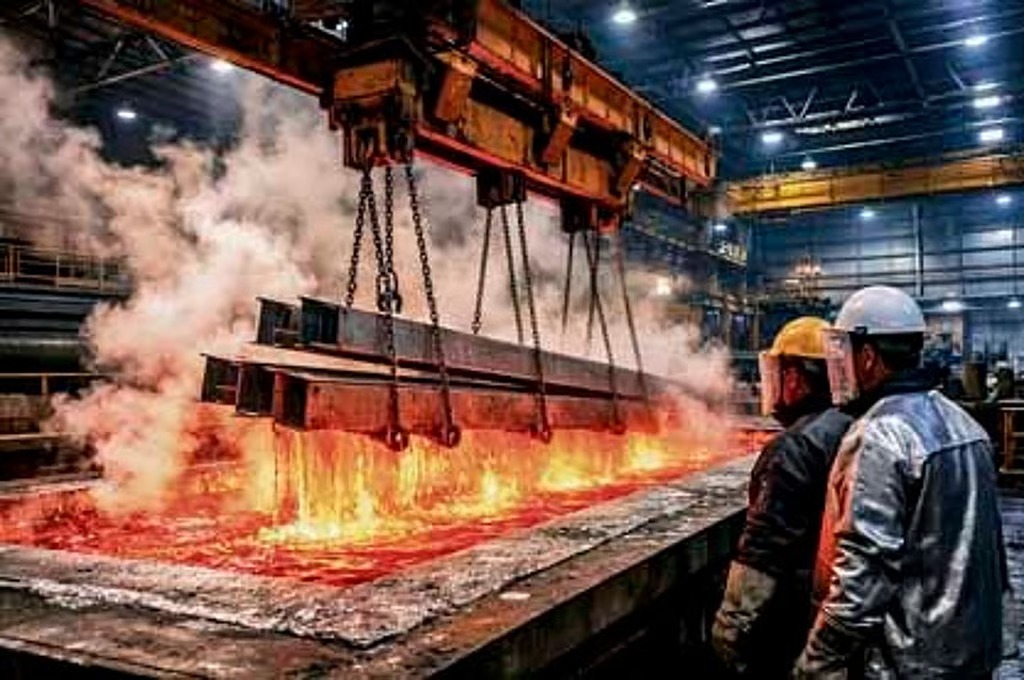
Industry and power plants are the second-largest emitters, contributing about 37 per cent, primarily from coal burning. The transport sector, a major focus of air pollution mitigation, contributes about 7 per cent of the emissions, while the remainder comes from sources such as open garbage burning.

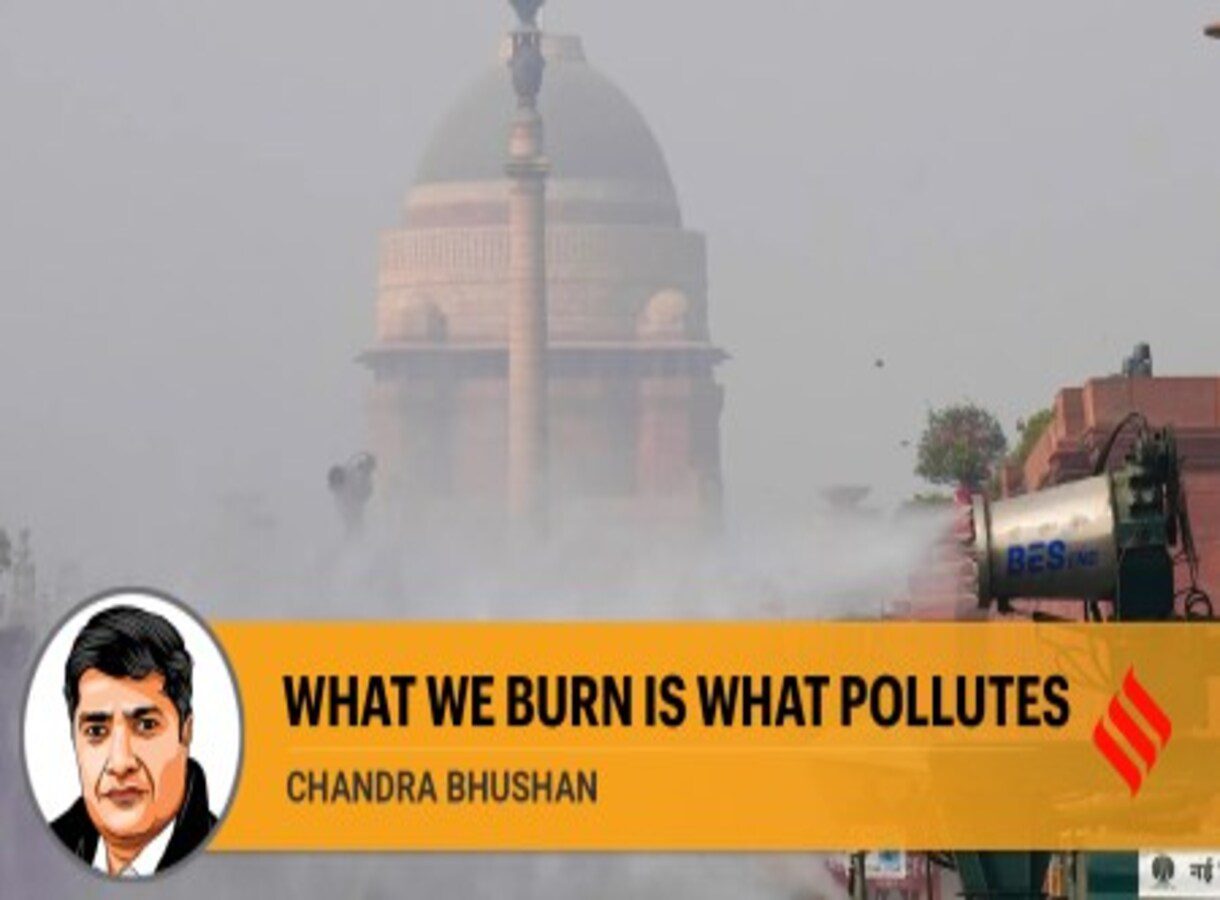
These findings are not surprising if we follow the dictum: What we burn the most, pollutes the most. In India, we burn about 220 crore tonnes of fuel and waste. Of this, 85 per cent is coal and biomass, while 15 per cent comprises other fuels such as petrol, diesel, and natural gas. Naturally, most of our pollution is due to burning biomass and coal. Additionally, dust from roads, construction sites, and barren land contributes to particulate pollution, especially PM 10.

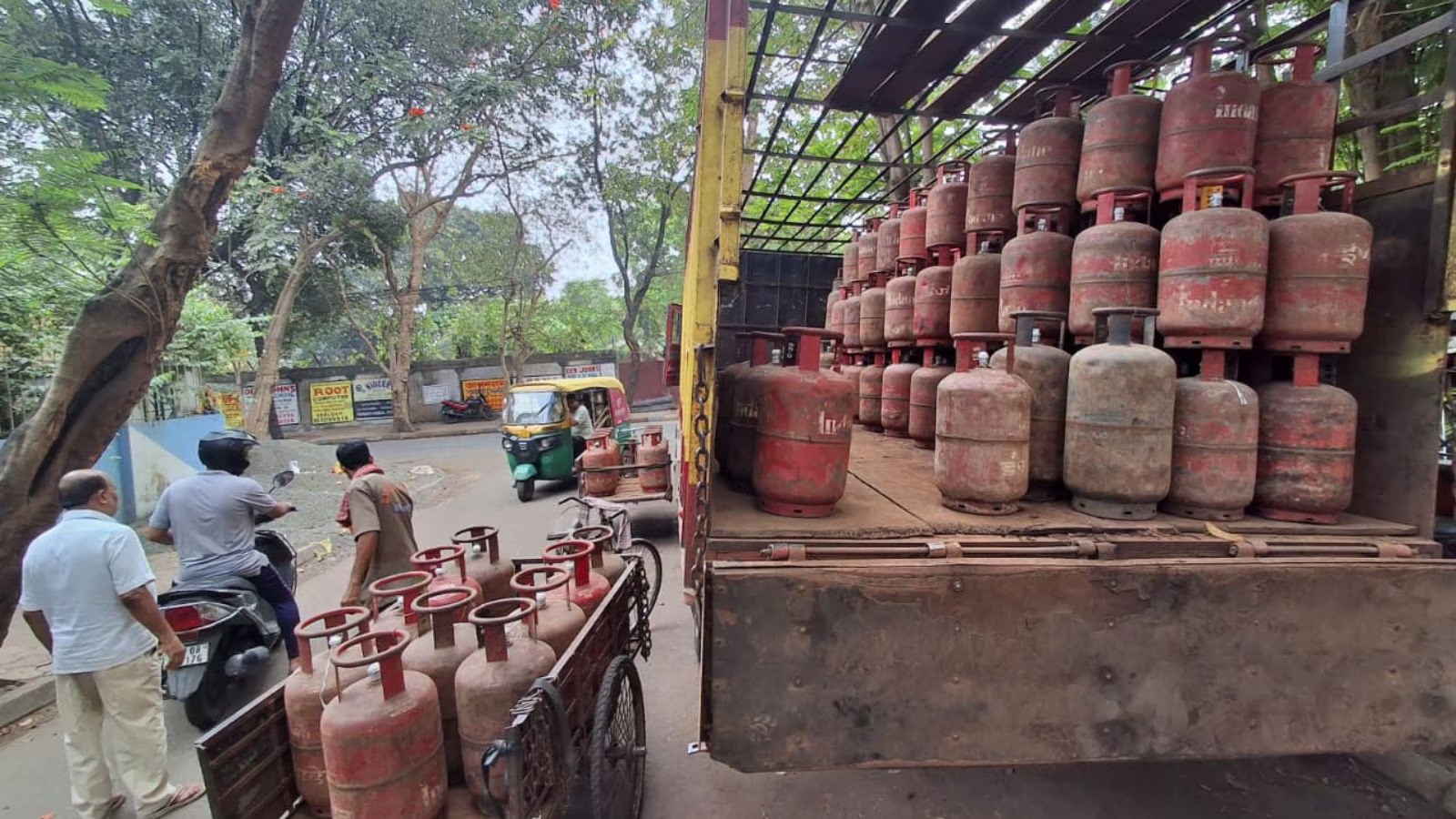
To address air pollution decisively, we must follow a scientific approach, and move beyond optics like odd-even, construction bans and artificial rain, and instead focus on the real solution – energy transition. Shifting households to LPG, biogas, or electricity for cooking and heating will eliminate a significant proportion of PM 2.5 emissions. It will also prevent 8,00,000 premature deaths, caused by exposure to PM 2.5 inside homes. Though challenging, this is achievable through targeted policy initiatives like a new PM Ujjwala Yojana that provides sufficient incentives to encourage low-income households to move away from traditional biomass.

Similarly, energy transition in industry, especially in MSMEs, along with rigorous monitoring and enforcement, is necessary to reduce pollution. A programme encouraging MSMEs to adopt cleaner fuel and technologies, such as electric boilers and furnaces, could curb emissions significantly. Law enforcement of stringent pollution norms is a basic necessity for larger industries and thermal power plants. For that, the modernisation of pollution control boards is urgently required.

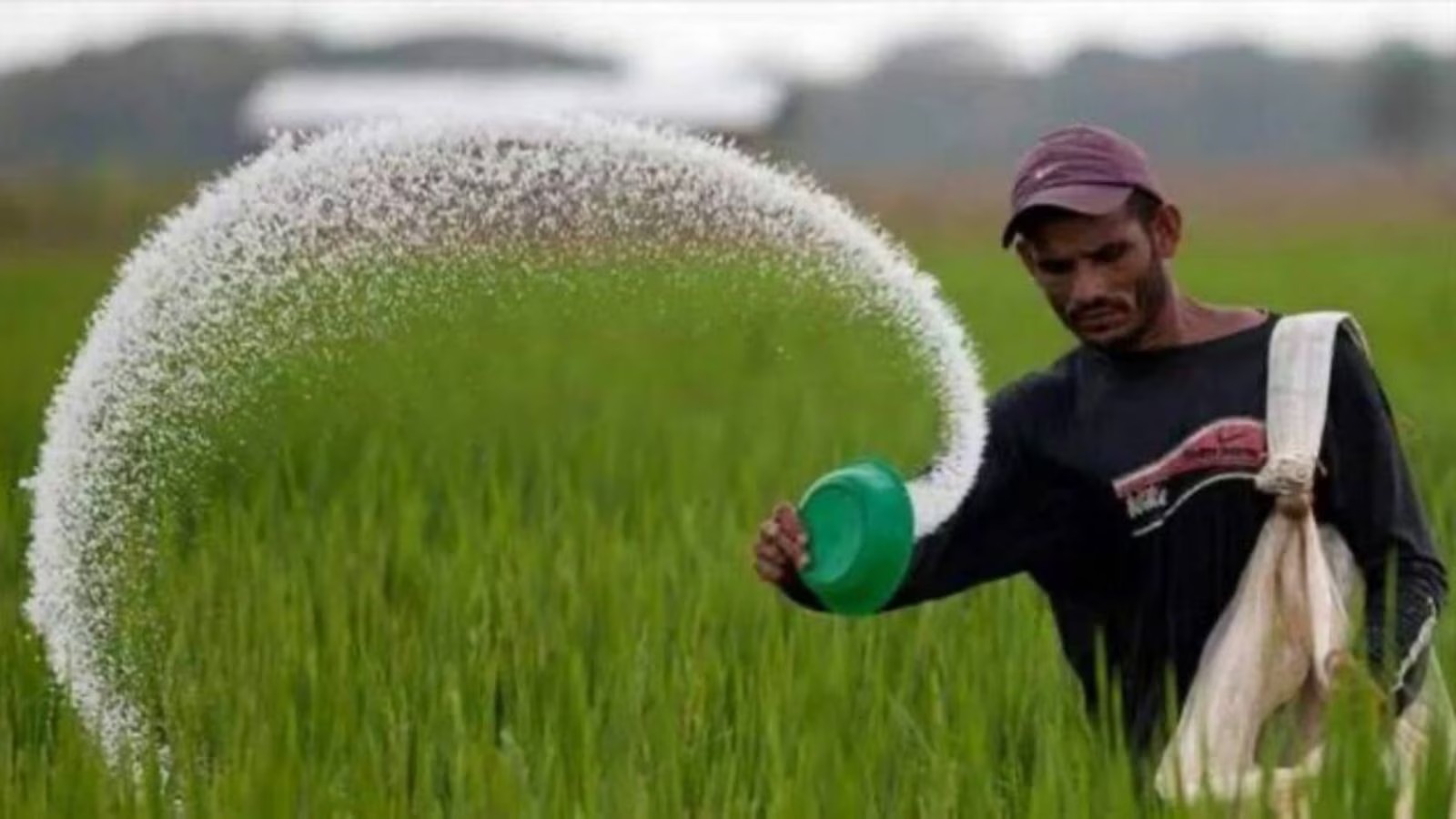
On the other hand, eliminating stubble burning is essential to decrease severe and hazardous pollution days in October and November. Technological interventions along with incentives/ disincentives can solve this problem. The simplest technological solution is to modify or mandate combine harvesters that cut closer to the ground, like manual harvesting, leaving minimal stubble behind. Additionally, an incentive of Rs 1,000 per acre — similar to what the Haryana government provides — could encourage sustainable stubble management, along with fines and exclusion from government schemes for those who continue to burn.

As far as automobiles are concerned, scaling up electric vehicles and public transport is crucial. This will need clear targets for EV adoption and the promotion of public transport as a lifestyle choice. Lastly, to reduce local sources of pollution — dust from roads and construction, garbage burning, and traffic congestion — local bodies must be strengthened and held accountable.

Real progress will only begin once we accept the science. Acknowledging the true impact and sources of our pollution crisis is the first step toward meaningful action.

Social media & sharing icons powered by UltimatelySocial