
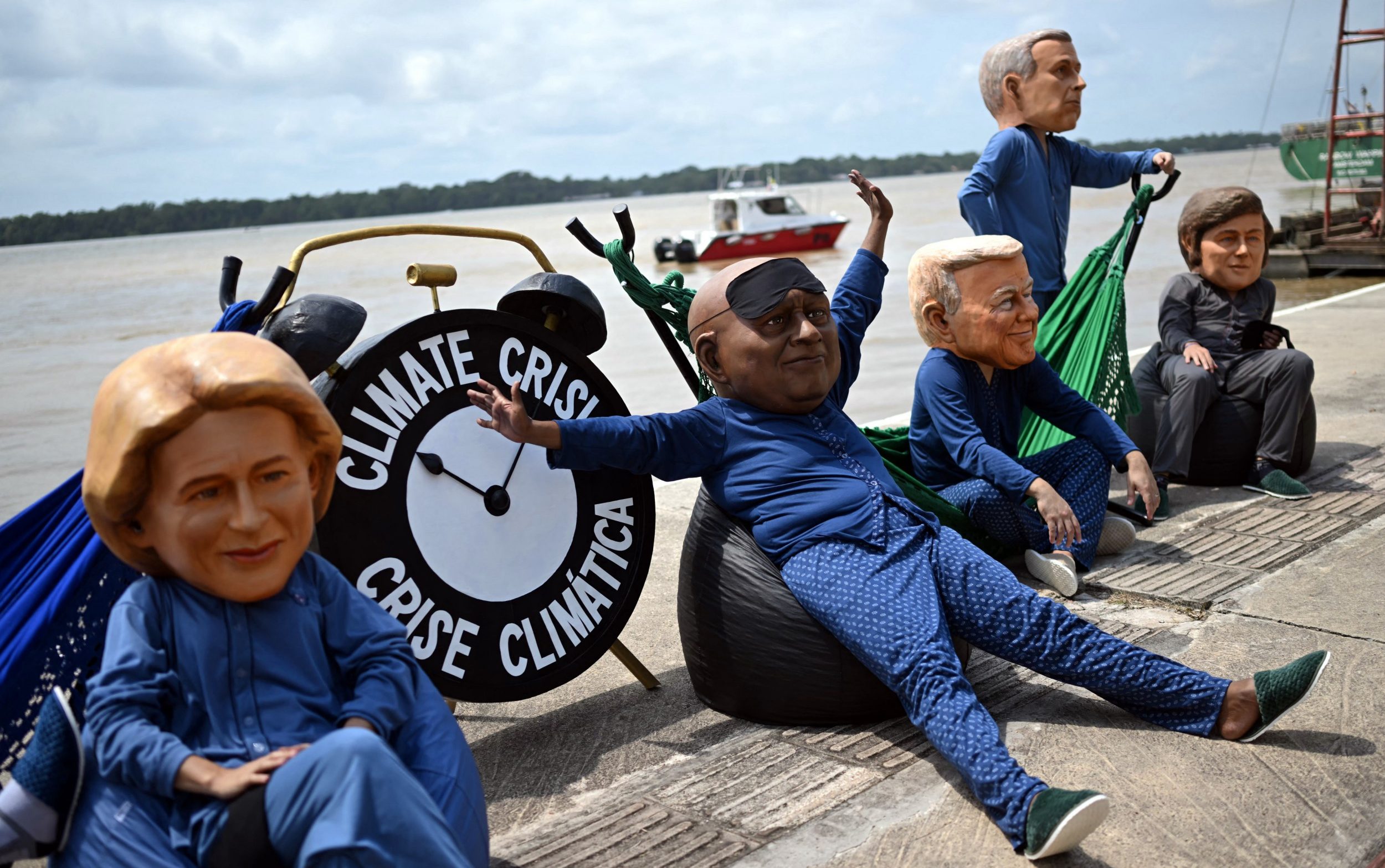
The Mahakumbh of environment

Given the powerful sway of faith, it must work together with science and technology to repair humanity’s broken relationship with nature.

Faith must unite with science to heal humanity’s bond with nature.

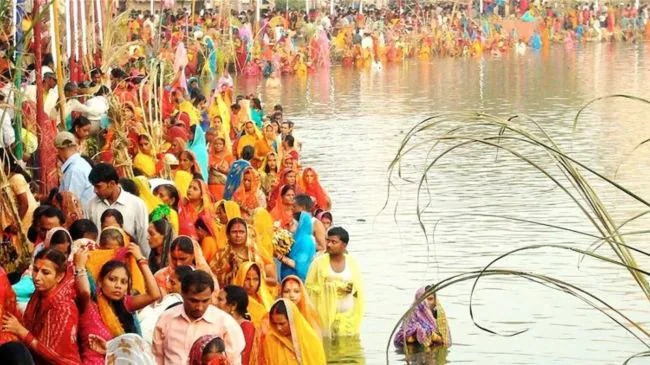
The Mahakumbh Mela 2025 has left an indelible mark on history. According to official data, more than 650 million people participated in this monumental event — equivalent to the combined population of the US and Indonesia, the third- and fourth-most populous countries in the world. This staggering figure cements the Mahakumbh as the largest human gathering ever recorded. Yet, beyond the numbers lies an experience that cannot be explained through statistics — the palpable energy of faith, the profound sense of unity, and a seemingly primal instinct that drew millions across thousands of kilometres for a fleeting moment of spiritual renewal. To witness the Mahakumbh was to feel humanity at its most elemental.

However, the event was not without its challenges. Many devotees died in a tragic stampede, logistical hurdles tested organisers, and concerns about water quality lingered. Still, the Mahakumbh concluded with remarkable order, safety, and a surprising degree of environmental care.

The grounds were strikingly free of plastic litter, open defecation, or festering garbage piles. Thousands of mobile toilets and three temporary sewage treatment plants were installed to ensure proper sanitation. Additionally, the mela was illuminated with solar power and single-use plastics were banned.

Even more astonishingly, there were no disease outbreaks, which might have been expected at a gathering of such magnitude. Charity and compassion were evident everywhere, with numerous organisations providing shelter and food to countless pilgrims. It is difficult to imagine any other nation managing such a colossal convergence with similar care and generosity. But as the last pilgrims depart, a pressing question looms: Can such a gathering of faith endure in a world increasingly battered by climate change and environmental degradation?

The fact is that the Ganga and Yamuna are already under grave threats. Despite four decades of river-cleaning efforts through the Ganga Action Plan (started in 1986), Yamuna Action Plan (1993) and the Namami Gange Programme (2014), a little more than half of the sewage entering the rivers is treated, while chemical-laden agricultural run-off continues to degrade water quality. On top of this, melting glaciers in the Himalayas, coupled with erratic rainfall — accelerated by global warming — is projected to further reduce both the quality and quantity of water in these rivers and their tributaries. These persistent and emerging environmental concerns raise serious doubts about the continuity of a tradition that has thrived for millennia.

This tension between reverence and sustainability took centre stage at a groundbreaking conclave during the Mahakumbh Mela on February 16. Titled “Faith of Kumbh and Climate Change,” the conclave brought together religious leaders, scientists, policymakers, and civil society to discuss the role of faith in addressing climate and environmental crises. Topics such as environmental management during religious congregations and greener places of worship were also explored.

The initiative, organised by the environment department of the Uttar Pradesh government and iFOREST, sought to merge the sacred with the sustainable, recognising that religious leaders and faith-based organisations — armed with moral authority and vast grassroots networks — could be vital allies in combatting climate change and environmental degradation.

The power of faith

India is a deeply religious country, and faith holds an unparalleled sway over the majority of its people. It has shaped, and continues to shape, values and behaviours in ways that science and government policies have struggled to achieve.

The fact is that the teachings of all major religions provide guidance on environmental preservation. Hinduism and other Indic faiths consider nature divine, making its protection a sacred duty. Abrahamic religions, too, emphasise stewardship over God’s creation. But these teachings are rarely reinterpreted for the present or emphasised in sermons and religious gatherings. While some spiritual leaders have championed environmental causes, sustainability remains a low priority for most faith-based institutions. Imagine, however, if every sermon and religious gathering urged followers to shun plastic, conserve water, plant trees, install renewable energy, and embrace sustainable lifestyles. Such shifts, rooted in religious duty, could ignite a grassroots revolution.

At the conclave, this potential of faith-based organisations in raising environmental awareness, educating communities, and driving meaningful action garnered support from all. The need to integrate science with religious teachings to tackle the environmental crisis was also endorsed. Many religious leaders also emphasised the necessity of making the Mahakumbh more sustainable. As one prominent spiritual leader pointed out: “If we do not care for the environment, the Mahakumbh of the future will take place on the sands of Prayagraj, not in the waters of the Triveni.”

The Mahakumbh Declaration

A key outcome of the conclave was the Mahakumbh Declaration on Climate Change. Under this, the UP government has pledged to “green” religious institutions and congregations across the state. The state envisions temples, mosques, and shrines becoming models of sustainability. The state’s pledge includes funding faith-based organisations to promote environmental and climate education, campaigns, and practices.

It is important to recognise that the environmental crisis, including the climate crisis, is not just a technological or economic challenge but also deeply spiritual. It reflects humanity’s broken relationship with nature, a disconnect that faith, science, and technology must work together to repair. And in this, faith may well be our most powerful ally.

पर्यावरण रक्षा में धर्म की क्या भूमिका हो

कुंभ सदियों से आध्यात्मिक खोज, एकता और नवजागरण का प्रतीक रहा है। इस बार प्रयागराज में इस प्राचीन परंपरा को नई दिशा दे रही है। प्रयागराज में ‘धर्म, आस्था और जलवायु परिवर्तन’ पर एक सम्मेलन का आयोजन किया जा रहा है। इस सम्मेलन का उद्देश्य पवित्रता और सतत विकास के बीच पुल बनाना है। विशेष रूप से जलवायु संकट के संदर्भ में यह अत्यंत महत्वपूर्ण है।

धर्म की शक्ति

कुंभ सम्मेलन एक सार्वभौमिक सत्य को स्वीकारता है कि जलवायु परिवर्तन पर काबू तभी पाया जा सकता है जब हम सांस्कृतिक मूल्यों को अपने जीवन का हिस्सा बनाएं। विज्ञान जलवायु संकट की चेतावनी दे सकता है, लेकिन धर्म उन मूल्यों की पहचान कर सकता है जो इस संकट से निपटने के लिए जरूरी हैं। धर्म के पास वह सांस्कृतिक ऊर्जा और प्रभावी स्वर है जो लोगों तक पहुंच सकता है।

आध्यात्मिक दायित्व

धार्मिक ग्रंथों में पर्यावरण संरक्षण को आध्यात्मिक दायित्व के रूप में देखा गया है। उदाहरण के लिए, हिन्दू धर्म में प्रकृति संरक्षण मानव का कर्तव्य बताया गया है। अथर्ववेद में पृथ्वी को मां के रूप में सम्मानित किया गया है। इसी तरह, इस्लाम में जल-जीव-जंतु, पेड़-पौधों, सभी में ईश्वर की रूह के दर्शन का उल्लेख किया गया है और बौद्ध एवं जैन धर्म में अहिंसा का सिद्धांत सभी जीवों के प्रति दयालुता और पारिस्थितिक संतुलन की शिक्षा देता है। ये धार्मिक मूल्य पर्यावरण संरक्षण को एक मजबूत नैतिक आधार प्रदान करते हैं।

प्रयोजन में पर्यावरण

कल्पना कीजिए, यदि हर प्रयोजन में पर्यावरण-संरक्षण की भावना हो, तो प्लास्टिक के बजाय मिट्टी, जल, प्राकृतिक रंगों और पत्तों का उपयोग किया जाए, तो न केवल उत्सवों का हिस्सा बन पाएंगे बल्कि जीवन को भी सच्चे अर्थों में उत्सवमय बना सकेंगे। धार्मिक आयोजन समाज को प्रेरित कर सकते हैं। हरित तीर्थयात्राएं, हरित त्योहार, और स्थायी मंदिर प्रबंधन जैसे प्रयास धार्मिक आयोजनों के होने वाले पर्यावरणीय नुकसान को कम कर सकते हैं।

सामाजिक सह-श्रवण

धार्मिक समुदाय मानवीय और सामाजिक सह-श्रवण को बढ़ावा देते हैं। जलवायु परिवर्तन के कारण होने वाली पलायन और जीवन-यापन की स्थितियों का सामना करने में धर्म की शिक्षाएं सहायक सिद्ध हो सकती हैं। संकट के समय धार्मिक संस्थाएं उन संकटों से निपटने के लिए व्यवहारिक समाधान और भावनात्मक समर्थन दोनों प्रदान कर सकती हैं।

हरित धार्मिक स्थल

इस सम्मेलन का मुख्य आकर्षण उत्तर भारत के प्रमुख हरित धार्मिक स्थलों की पहल है। हरित धार्मिक स्थलों को जल, ऊर्जा, कचरा प्रबंधन, और सतत विकास के मॉडल में बदलने के लिए प्रतिबद्ध संस्थाएं शामिल हैं। सारे प्रमुख तीर्थों में, वार्षिक उत्सवों के दौरान प्लास्टिक, रंगों और फूलों के उपयोग को सीमित करना, लोहे और सिंथेटिक पदार्थों के बजाय पर्यावरण अनुकूल वस्तुओं का प्रयोग करना, और पवित्र स्थलों के आसपास हरित क्षेत्र विकसित करना इसके उद्देश्य हैं।

बदलाव का केंद्र

उत्तर भारत का धार्मिक और सांस्कृतिक परिवेश स्वयं एक बड़ा प्रेरक बन सकता है। जब धर्म और पर्यावरण का संगम होता है, तो यह संकेत मिलता है कि प्रकृति की रक्षा एक आध्यात्मिक कार्य भी है। इसे हम फिर से उसी शक्ति में बदल सकते हैं जो जलवायु संकट से निपटने के लिए आवश्यक है। इस मंच के माध्यम से धर्म समाज को सकारात्मक और शक्तिशाली प्रेरणा दे सकता है।

बाकू में क्यों नहीं बन पाई बात, भारत ने लगाया हेरफेर का आरोप

अजरबैजान के बाकू में हालिया संयुक्त राष्ट्र जलवायु सम्मेलन (COP 29) में जो जलवायु वित्तपोषण समझौता हुआ, उससे इतिहास की एक बड़ी प्रसिद्ध बात याद आती है। 1942 में महात्मा गांधी ने क्रिप्स मिशन की आलोचना करते हुए इसके प्रस्ताव को डूबते हुए किसी बैंक में आया ‘एक आने का चेक’ बताया था। दोनों बातों में बस एक फर्क है- महात्मा गांधी ने इस मिशन के प्रस्ताव को एक आने का चेक कहकर रिजेक्ट कर दिया था, जबकि आलोचना के बावजूद कॉप के वित्तपोषण समझौते को भारत सहित कई देशों ने अपना लिया है। यह मंजूरी बताती है कि जलवायु संकट दूर करने में संयुक्त राष्ट्र फ्रेमवर्क कन्वेंशन ऑन क्लाइमेट चेंज (UNFCCC) सहित बाकी दुनिया ने जो कोशिशें की हैं, वे बड़े लेवल पर फेल हो गई हैं।

नहीं मानी मांग

बाकू सम्मेलन में विकासशील देशों ने 2030 तक क्लाइमेट इमरजेंसी से निपटने के लिए विकसित देशों से सालाना 1.3 ट्रिलियन डॉलर मांगे थे। प्रस्ताव में कम से कम 500 बिलियन डॉलर की सरकारी रकम शामिल थी, बाकी प्राइवेट सेक्टर से रियायती दरों पर दिए जाने की मांग थी। दो हफ्तों की विवादास्पद बातचीत के बाद अंतिम समझौते में विकसित देशों ने 2035 तक केवल 300 बिलियन डॉलर सालाना देने की बात कही। इसमें सरकारी पैसे का कोई जिक्र नहीं है, बल्कि यह लिखा है कि यह किसी भी स्रोत से आ सकता है।

धुंधला वादा

पैसे जुटाने के स्रोतों के मामले में यह समझौता बेहद धुंधला वादा करता है। इससे भी खराब बात यह है कि यह समझौता विकसित देशों को विश्व बैंक जैसे मल्टिलैटरल डिवेलपमेंट बैंकों से जलवायु संबंधी कर्ज को मनी पूल के हिस्से के रूप में शामिल करने की अनुमति देता है। यानी विकसित देशों पर 2035 तक वर्तमान 100 बिलियन डॉलर सालाना से ज्यादा धनराशि देने का कोई दायित्व नहीं है।

क्या करेंगे ट्रंप 

इस समझौते का राजनीतिक भविष्य भी अनिश्चित है, क्योंकि इस बात की बहुत कम संभावना है कि बाइडन प्रशासन ने जलवायु को लेकर जो भी प्रतिबद्धताएं की हैं, उनका ट्रंप एडमिनिस्ट्रेशन भी सम्मान करेगा। लब्बोलुआब यह है कि बाकू समझौता बताता है कि विकसित देश जलवायु परिवर्तन के समाधान से अपना हाथ झाड़ना चाहते हैं और जलवायु संकट की बढ़ती लागतों का सारा बोझ विकासशील देशों पर थोपना चाहते हैं।

गलत उम्मीद

वैसे, इन सब चीजों से बहुत ताज्जुब नहीं होना चाहिए। 2009 में विकसित देशों ने 2020 तक क्लाइमेट फाइनेंस में सालाना 100 अरब डॉलर देने का वादा किया था, मगर पूरा किया 2022 तक। इसमें भी लगभग 70% हिस्सा मार्केट की महंगी दरों पर दिया कर्ज था। इससे विकासशील राष्ट्रों पर कर्ज का बोझ और भी बढ़ गया। उन देशों से खरबों डॉलर की उम्मीद करना हमेशा से ही अवास्तविक था, जो अरबों डॉलर देने में ही आनाकानी कर रहे थे। अब विकासशील देशों को क्लाइमेट फाइनेंस को लेकर नए उपाय करने होंगे।

कमजोरों से वसूली

अब वैश्विक वित्तीय प्रणाली में मौलिक सुधारों की जरूरत है ताकि विकासशील देश जलवायु संकट से निपटने के काबिल बन सकें और सभी देशों को ठीक से सहयोग देने के लायक बनाने के लिए UNFCCC में सुधार किया जा सके। आज की वैश्विक वित्तीय प्रणाली कमजोर देशों के खिलाफ है। उदाहरण के लिए, गरीब अफ्रीकी देश कर्ज पर जिन ब्याज दरों का भुगतान करते हैं वे अमेरिका द्वारा भुगतान की जाने वाली दरों से चार गुना अधिक और धनी यूरोपीय देशों द्वारा भुगतान की जाने वाली दरों से आठ गुना अधिक हैं।

बढ़ता बोझ

संयुक्त राष्ट्र पर्यावरण कार्यक्रम की एक रिपोर्ट बताती है कि जलवायु संबंधी चुनौतियों ने पहले ही 25 कमजोर विकासशील देशों को मिलने वाला कर्ज महंगा कर रखा है। इन देशों को सिर्फ सरकारी कर्ज पर 10 वर्षों में अतिरिक्त 40 बिलियन डॉलर के ब्याज का भुगतान करना होता है। इसका मतलब है कि विकासशील देश आज के जलवायु जोखिमों के चलते धनी देशों और उनके बैंकों को करोड़ों डॉलर अलग से दे रहे हैं। यह बोझ अगले दशक में दोगुना हो जाएगा। यानी इन देशों पर जलवायु संबंधी चुनौतियों का फायदा उठाया जा रहा है।

ठंडा पड़ा अजेंडा 

इस अन्याय को दूर करने के लिए भारत ने अपनी G20 अध्यक्षता के दौरान कई बेहतरीन प्रस्ताव दिए थे। इसके अलावा वर्षों से कई और प्रस्ताव वैश्विक संस्थानों के अजेंडे में हैं। ये सुधार लागू होंगे, तभी विकासशील देशों की विकसित देशों पर असंगत, अन्यापूर्ण और अपर्याप्त धन की निर्भरता कम होगी और वे अपने संसाधनों का उपयोग करके राहत पा सकेंगे।

भारत का आरोप 

वैसे, UNFCCC के भीतर भी सुधार जरूरी हैं। बाकू में भारत ने COP अध्यक्षता और UNFCCC सचिवालय पर वित्त समझौते को अपनाने में होने वाली प्रक्रिया में हेरफेर करने का आरोप लगाया, जो संस्थान में गहरे अविश्वास को दर्शाता है। इसके अलावा UNFCCC की कार्यवाही में फॉसिल फ्यूल बिजनेस के बढ़ते प्रभाव से इसकी विश्वसनीयता और प्रासंगिकता को खतरा है। सचाई यह है कि UNFCCC अब केवल जानकारी जुटाने, उनका हिसाब करके आगे बढ़ाने का ही मंच रह गया है।

कई फ्रेमवर्क बने

अब ऐसे में किया क्या जाए? एक तो UNFCCC को छोटी-छोटी ऐसी मीटिंगों में बदला जाए, जहां समाधान निकले और जहां देश अपने वादों के लिए जवाबदेह हों। किसी सिंगल ग्लोबल फ्रेमवर्क पर निर्भर रहने की जगह अगर वाकई बदलाव लाना है तो ऊर्जा, परिवहन, कृषि, उद्योग वगैरह पर कई वैश्विक और क्षेत्रीय मंच बनाने होंगे।

ब्राजील पर दारोमदार

बाकू सम्मेलन ने इंटरनैशनल क्लाइमेट फ्रेमवर्क कमजोरियां तो दिखाई ही हैं, यह भी उजागर किया है कि इसे लेकर देशों के बीच कितना गहरा अविश्वास है। अब सारा दारोमदार COP30 के मेजबान ब्राजील पर है कि वह भरोसा बहाल करते हुए सार्थक प्रगति करे। ऐसा इसलिए भी, क्योंकि जलवायु परिवर्तन के खिलाफ जो लड़ाई चल रही है, वह ठोस सुधारों के बगैर पूरी नहीं होनी है, अलबत्ता निष्क्रिय होने का उस पर जोखिम जरूर है।

The COP cop out that should surprise no one

Baku conference has shown up the glaring inadequacy of the international climate framework and the deep mistrust among nations. Bad news for the fight against climate change

Mahatma Gandhi’s famous critique of the Cripps Mission in 1942—describing its proposal as “a post-dated cheque on a crashing bank”—perfectly captures the essence of the climate finance deal adopted at COP29, the recent UN climate conference in Baku, Azerbaijan. However, there is one crucial difference: while Cripp’s figurative cheque was decisively rejected, the Baku finance deal, despite criticism from several nations, including India, was adopted. This highlights the broader failures of the UN Framework Convention on Climate Change (UNFCCC) and global efforts to address the climate crisis.

The Baku conference began with developing countries demanding $1.3 trillion in annual funding from developed nations by 2030 to tackle the climate emergency. Their proposal called for at least $500 billion in public funding, with the remainder provided as concessional private finance.

Yet, after two weeks of contentious negotiations, developed countries committed to only $300 billion annually by 2035, with no binding pledge for public funding. Instead, the deal vaguely promises to source funds from “a wide variety of sources, public and private, bilateral and multilateral, including alternative sources.”

Worse still, the agreement permits developed countries to include climate-related loans from multilateral development banks, such as the World Bank, as part of the funding pool. This means developed nations are under no obligation to increase funding beyond the current $100 billion annually until 2035. Moreover, they retain the freedom to count virtually any climate-related financial flow to developing countries as part of their contributions.

The political future of this deal is equally uncertain, as there is little chance that the incoming Trump administration will honour the commitments made by the Biden administration.

In essence, the Baku deal offers little more than a continuation of the status quo, allowing developed nations to sidestep meaningful financial obligations while leaving developing countries to shoulder the escalating costs of the climate crisis.

However, this is not surprising. In 2009, developed countries pledged $100 billion annually in climate finance by 2020. They met this target in 2022, and even then, nearly 70% of the funds were provided as loans at market rates, burdening developing nations with debt. Expecting trillions from nations that struggled to deliver billions was always unrealistic. So, how should developing countries secure meaningful climate finance?

The path forward requires fundamental  reforms in the  global financial system to empower developing countries to deal with the climate crisis and revamping the UNFCCC to enable effective international collaboration.

The current global financial system is stacked against vulnerable nations. Poor African countries, for instance, pay interest rates on loans that are four times higher than those paid by the U.S. and up to eight times higher than those paid by wealthy European countries. This disparity is being exacerbated by the climate crisis.

A report by the UN Environment Programme, Climate Change and the Cost of Capital in Developing Countries, found that climate vulnerability has already increased the average cost of debt in 25 vulnerable developing countries by 117 basis points. This translates to an additional $40 billion in interest payments over 10 years on government debt in these countries alone. This means developing nations are currently paying hundreds of billions of dollars to wealthy countries and their banks due to climate risks. The report predicts that this financial burden will double over the next decade. In effect, the current financial system is profiting from their climate vulnerability.

To address this injustice, several proposals, including those advanced during India’s G20 presidency, have been on the agenda for years. These include measures like debt crisis management, multilateral development bank reforms, risk mitigation programmes, and blended finance strategies. Implementing these reforms would enable developing countries to invest more in mitigation and adaptation using their own resources.   

Reforms within the UNFCCC are equally urgent. At Baku, India accused the COP Presidency and the UNFCCC Secretariat of manipulating the process to secure the adoption of the finance deal, reflecting a deep trust deficit in the institution. Additionally, the growing influence of the fossil fuel industry in UNFCCC proceedings threatens its credibility and relevance.

The reality is that under the Paris Agreement, all countries are now on their own to mitigate, adapt and pay for the costs of climate impacts. The UNFCCC is now simply a platform to collect, synthesize and disseminate information. It doesn’t have the tools to drive global collective action to combat climate change. So, persisting with UNFCCC in the present form is counterproductive.

There are many ideas on the table including making UNFCCC a smaller solution-driven forum where countries report their progress and are held accountable to their pledges. Other suggestions include establishing multiple sectoral and regional platforms, such as on energy, transportation, agriculture, industry etc., rather than relying on a single global framework.

The Baku conference has laid bare the glaring weaknesses of the international climate framework and the deep mistrust among nations. It is now up to Brazil, the host of COP30, to restore trust and drive meaningful progress. Without decisive reforms, the global fight against climate change risks being mired in inadequacy and inaction, with all the attendant hazards for life on earth.


A Trillion-Dollar Dilemma: War Budgets vs Climate Funds

It was a grim reality check that the world prioritises fortifying borders over securing a liveable planet.

In an era defined by the twin existential crises of security and survival, two pledges stand as examples of human ambition and the competing narratives in 2024.

On one side is NATO’s defence spending of over $1.4 trillion reported in 2024 (with most members stepping up on their war spending with a floor of 2 percent of their GDP) – an amount steeped in the urgency of geopolitical tensions and an evolving war landscape.

On the other is the global demand to mobilise $1.3 trillion for climate action in developing nations – a lifeline for countries most vulnerable to the ravages of climate change, yet least responsible for its causes.

Two Fronts in the Fight for Better Life

The proponents of the NATO pledge argue that in an era of resurgent authoritarianism, territorial disputes, and warfare, military investment is not a luxury but a necessity.

The war in Ukraine has been a reminder for many countries that peace cannot be taken for granted, and deterrence requires resources.

To NATO allies, this is about preserving sovereignty, democracy, and the global rules-based order – a narrative that resonates deeply in a fragmented world.

They rallied for a $1.3 trillion climate finance pledge by the developed countries, which echoed, not only a call for delivering on climate action, but also responding to justice.

These nations face threats of supercharged storms, floods, and droughts, that threaten to erase communities and economies.

Their call is simple yet profound: the industrialised world, which grew wealthy through carbon-intensive development, bears a moral responsibility to fund their transition to greener futures and build resilience against the climate crisis.

At Baku, various developing countries including India, indicated the urgency of climate financing to save the lives and livelihoods of millions of people who are among the most economically insolvent.

The flow of finances for strengthening adaptation measures for these people is extremely important, not only to prevent them from slipping into further distress, but also to ensure justice and equal opportunity in a greener economy.

The requirement for this is substantial, as both mitigation and adaptation measures are costly to put in place.

For example, India’s Economic Survey report this year noted that the country’s adaptation expenditure in 2021-2022 was about Rs 13.35 lakh crore, which amounted to about 5.6 percent of the country’s GDP.

At COP29, India called for a boost of in adaptation finance, indicating that building adaptation capital could rise to over $854 billion.

The Geopolitical Dilemma of the Urgent vs the Essential

The simultaneous existence of these figures reveals a broader geopolitical tension: the challenge of reconciling the urgent with the essential.

Many within the corridors of Baku’s COP pavilion argue that defence spending highlights a paradox: resources can be swiftly mobilised for war, yet climate action commitments often languish unfulfilled.

In 2009, developed countries pledged to mobilise $100 billion annually in climate finance by 2020, a target that remained unmet for the longest time. Even when it came, a large proportion (over 69 percent) was in the form of loans that added to the debt burden of many developing countries.

Therefore, skepticism abounds over the controversial New Collective Quantified Goal (NCQG) to scale up financing to developing countries to at least $1.3 trillion per year by 2035, in which developed countries have pledged to take the lead to mobilise $300 billion.

However, on the other hand, it is only likely that the defenders of defence spending will argue that without security, there can be no climate action.

We knew what caused air pollution 25 years ago – but governments still won’t act

Acknowledging the true impact and sources of our pollution crisis is the first step toward meaningful action

A quarter-century ago, over 200 scientists from the US, Europe, the Maldives, and India came together to study the haze over the Indian Ocean. Led by atmospheric scientist V Ramanathan of the Scripps Institution of Oceanography in California, the Indian Ocean Experiment (INDOEX) undertook intensive field observations using aircraft, ships, surface stations, and satellites. They discovered a giant brown layer of cloud hanging over much of the Indian Subcontinent and the Indian Ocean between October and February, which they termed the Indian Ocean Brown Cloud or Asian Brown Cloud. INDOEX revealed that this layer was primarily created by the burning of biomass in fields and homes, as well as fossil fuels like coal in industries, and that it traveled thousands of kilometres. The study also found that the haze significantly affected regional temperatures, precipitation patterns, and ground-level pollution, reducing agricultural productivity and causing widespread respiratory and cardiovascular diseases.

When the UN Environment Programme published the INDOEX report in 2002, some prominent Indian scientists called it sensationalist and argued that the “Indian Ocean” or “Asian” Brown Cloud was not unique to India or Asia and should, therefore, be renamed. Because of their opposition, the name was changed to “Atmospheric Brown Cloud with a Focus on Asia”. Governments in South Asia ignored the report.

This episode underscores two key points: First, the causes of air pollution have been known for at least 25 years and second, we have been avoiding the issue for just as long. By injecting ideology and politics into what should be a straightforward matter, we continue to muddy the waters. Debates over rich versus poor, farmers versus city-dwellers, SUVs versus cook stoves, and Diwali versus stubble burning have stalled real action.

The result of this obfuscation is that today, from Amritsar in Punjab to Agartala in Tripura, an arc of brown haze, up to 3 km thick, has engulfed the Indo-Gangetic plains (IGP), impacting lives, livelihoods, and the economy. While pollution levels are severe in the IGP, air quality is poor across the country. Most Indian cities fail to meet national ambient air quality standards, which are quite lenient compared to WHO’s health-based guidelines. The primary cause of this pollution remains the same as what Ramanathan and his colleagues identified 25 years ago.

In a study conducted by my colleagues and me in 2023, we estimated that India emits about 52 lakh tonnes of PM2.5 (particulate matter less than 2.5 microns in size, which has high health impacts) annually, excluding dust from natural and manmade sources. Around 48 per cent of these emissions come from biomass use — such as agricultural residue, fuelwood, and dung cakes — for cooking and heating in homes. Stubble burning contributes an additional 6.5 per cent, making biomass burning responsible for 55 per cent of total PM2.5 emissions.

Industry and power plants are the second-largest emitters, contributing about 37 per cent, primarily from coal burning. The transport sector, a major focus of air pollution mitigation, contributes about 7 per cent of the emissions, while the remainder comes from sources such as open garbage burning.

These findings are not surprising if we follow the dictum: What we burn the most, pollutes the most. In India, we burn about 220 crore tonnes of fuel and waste. Of this, 85 per cent is coal and biomass, while 15 per cent comprises other fuels such as petrol, diesel, and natural gas. Naturally, most of our pollution is due to burning biomass and coal. Additionally, dust from roads, construction sites, and barren land contributes to particulate pollution, especially PM 10.

To address air pollution decisively, we must follow a scientific approach, and move beyond optics like odd-even, construction bans and artificial rain, and instead focus on the real solution – energy transition. Shifting households to LPG, biogas, or electricity for cooking and heating will eliminate a significant proportion of PM 2.5 emissions. It will also prevent 8,00,000 premature deaths, caused by exposure to PM 2.5 inside homes. Though challenging, this is achievable through targeted policy initiatives like a new PM Ujjwala Yojana that provides sufficient incentives to encourage low-income households to move away from traditional biomass.

Similarly, energy transition in industry, especially in MSMEs, along with rigorous monitoring and enforcement, is necessary to reduce pollution. A programme encouraging MSMEs to adopt cleaner fuel and technologies, such as electric boilers and furnaces, could curb emissions significantly. Law enforcement of stringent pollution norms is a basic necessity for larger industries and thermal power plants. For that, the modernisation of pollution control boards is urgently required.

On the other hand, eliminating stubble burning is essential to decrease severe and hazardous pollution days in October and November. Technological interventions along with incentives/ disincentives can solve this problem. The simplest technological solution is to modify or mandate combine harvesters that cut closer to the ground, like manual harvesting, leaving minimal stubble behind. Additionally, an incentive of Rs 1,000 per acre — similar to what the Haryana government provides — could encourage sustainable stubble management, along with fines and exclusion from government schemes for those who continue to burn.

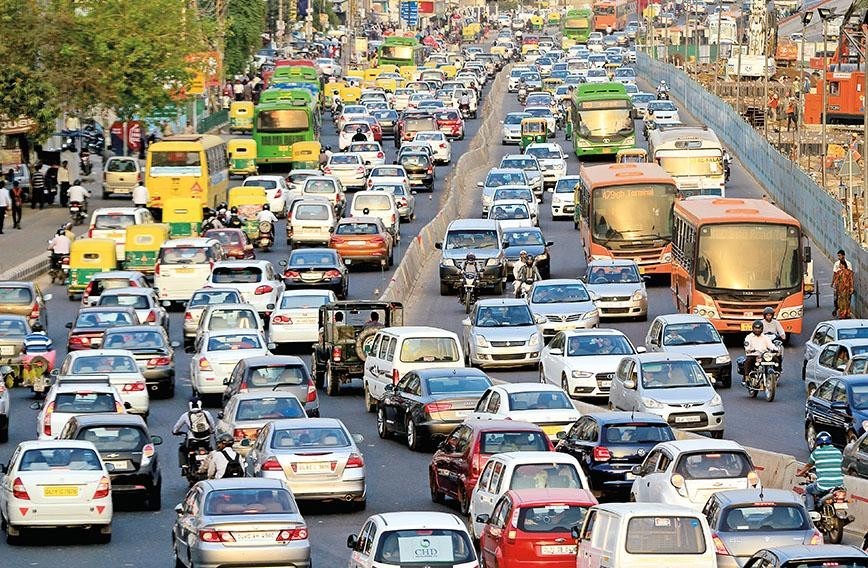
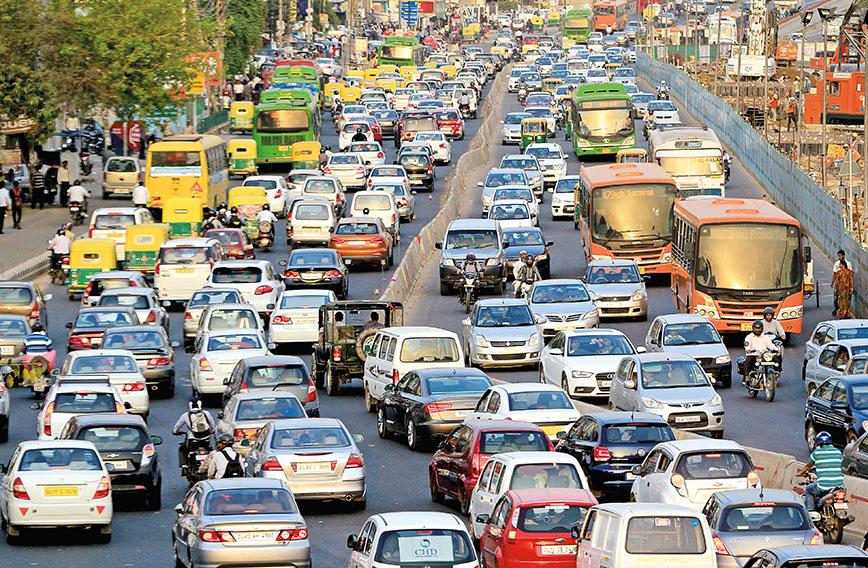
As far as automobiles are concerned, scaling up electric vehicles and public transport is crucial. This will need clear targets for EV adoption and the promotion of public transport as a lifestyle choice. Lastly, to reduce local sources of pollution — dust from roads and construction, garbage burning, and traffic congestion — local bodies must be strengthened and held accountable.

Real progress will only begin once we accept the science. Acknowledging the true impact and sources of our pollution crisis is the first step toward meaningful action.

COP: Count US Out, Up Your Climate Game

Trump’s re-election is a stark wake-up call for all nations. They must increase their climate finance and mitigation targets for 2035 and beyond without relying on Washington

The 29th UN Climate Conference (COP29), held in Baku, Azerbaijan, from November 11 to 22, has opened under ominous circumstances. The re-election of Donald Trump as U.S. president looms over the event, reviving memories of his first term, when he withdrew the U.S. from the Paris Agreement, halted climate funding, and significantly slowed international climate progress. During those years, the U.S. largely stood on the sidelines, often obstructing negotiations through proxies. Aside from partial progress at COP24 in Katowice in 2018—where the “rulebook” for implementing the Paris Agreement was advanced—Trump’s presidency was largely a setback for climate action.

Now, as global leaders gather in Baku, they face the possibility of similar inaction and obstruction from the U.S. The pressing question, therefore, is whether the world can afford another four years of inaction. If not, what strategies should countries pursue to advance international climate goals independently of the U.S.?

Falling Short: Recent data from international agencies reveal that, despite record-breaking investments in clean energy, the world remains off track to meet the Paris Agreement targets. In 2023, nearly $2 trillion was invested in clean energy projects—almost twice the amount invested in new oil, gas, and coal infrastructure. Yet, current policies and investments are leading the world toward a dangerous trajectory, with global temperatures likely to increase by more than 3°C.

This shortfall is largely due to the inadequate emission reduction efforts by G20 countries, which collectively account for roughly 80% of global greenhouse gas emissions. A UN Environment Programme assessment shows that several major economies—including the U.S., Canada, Japan, Australia, China, and Saudi Arabia—are not on course to meet their 2030 emission-reduction pledges, known as Nationally Determined Contributions (NDCs). While countries like India are projected to meet their NDCs, their overall emissions are expected to increase as they expand energy use to support basic development needs.

Against this backdrop, COP29 in Baku must tackle three interlinked priorities: scaling up climate finance, establishing effective carbon market rules, and setting the next phase of NDCs for 2035 and beyond.

Climate Finance: Dubbed the “Finance COP,” COP29’s primary focus is on climate finance. The conference is tasked with setting a new climate finance target, known as the New Collective Quantified Goal (NCQG), to support vulnerable and developing countries in combating climate change. This NCQG is intended to replace the previous target established in 2009, when developed nations committed to providing $100 billion annually by 2020. However, independent assessments reveal that this $100 billion goal was only reached in 2022, two years late, and much of the funding was in the form of loans, which has exacerbated debt burdens in many developing countries. The current need for climate finance is now far greater than in 2009.

A recent UN evaluation estimates that developing countries require around $500 billion annually, with some other projections suggesting that over $1 trillion is needed each year. At COP29 in Baku, developed countries must agree on the scope of the NCQG in a way that meets the needs of developing nations. Yet, with Trump’s U.S. unlikely to contribute significantly, the question remains: What will other developed countries offer? Will Baku see only a symbolic financial pledge, or will it result in substantial funding to spur global climate action?

Carbon Trading: Closely tied to climate finance is the contentious issue of carbon markets. In recent years, carbon markets have been a focal point in negotiations due to their mixed impact. On the one hand, they have potential to generate funding for climate mitigation; on the other, issues like fraudulent accounting and greenwashing have undermined their credibility. These concerns stalled agreement on carbon market rules in the past few COPs, but Baku is expected to finalize and operationalize these rules to restore trust and ensure integrity.

Setting New Targets: While many countries are not on track to meet their 2030 NDCs, new targets for 2035 are required by early 2025. COP29 is likely the last major opportunity to clarify expectations for post-2030 climate targets. These goals, however, are intertwined with outcomes on climate finance and carbon markets. An ambitious NCQG would allow developing countries to commit to higher targets, while a robust and transparent carbon market could empower developed countries to set more ambitious targets through emissions offsetting.

While COP29 in Baku is an important milestone, the odds of achieving an ambitious outcome appear slim considering the likely backtracking by the US. In addition, Azerbaijan, a significant oil and gas producer, is not known for climate leadership, so expectations must be tempered.

The key question facing the world now is how to drive global climate action without relying heavily on the US. I believe that over-reliance on U.S. leadership has been the main reason for the shortcomings of global climate progress. The US has never been a climate leader. Since 1992, when the first global climate agreement was signed, the US emissions have only reduced by 3%, meaning they have remained virtually unchanged in the last three decades. Furthermore, the U.S. has not been a major contributor to climate finance, often falling short on its commitments.

Trump’s re-election should, therefore, be a stark wake-up call, highlighting the need for a more diverse, multipolar approach to climate leadership. Just as global power structures are evolving into a multipolar landscape, climate governance must follow suit. Countries like China, India, the EU, Russia, South Africa, Turkey, Saudi Arabia, and Brazil are well-positioned to champion climate action within their respective regions, fostering a more resilient and collective approach.

By distributing climate leadership across multiple nations, the world has a better chance to unify and make substantial progress on this existential crisis, without being stalled by any one country’s political shifts.

US polls: Who is pro-climate?

These are anxious times for the climate community, watching with bated breath to see who will become the next US president. The last time Donald Trump held office, he withdrew from the Paris Agreement and stalled efforts to curb domestic emissions. But would Kamala Harris take a radically different approach from Trump on climate issues?

Since 1992, when the first global climate agreement was signed by George HW Bush, a Republican president, Democrats — often considered pro-climate — have held the White House for 20 years, compared to 13 years for Republicans. Yet, US emissions are currently only 3% below 1990 levels, meaning they have remained virtually unchanged. In contrast, the European Union, which had similar international commitments, has reduced its emissions by more than 30%.

So why has the US historically struggled to address the climate crisis, both domestically and internationally? And what does the future hold? To answer this, it’s crucial to grasp a few key facts.

Historically, the US has been the largest consumer of fossil fuels. For the past six years, it has also been the world’s largest producer of oil and gas. In 2023, it outproduced Saudi Arabia and Russia — ranked second and third respectively — in oil. Similarly, it produced more gas than Russia and Iran combined, the next two largest producers.

Now, the Republican Party, under Trump, has positioned itself as a party of climate denial. Trump’s vice-presidential nominee, JD Vance, did not even acknowledge during the debate that carbon emissions drive climate change. Trump has repeatedly claimed that wind farms cause cancer and that solar panels are wasteful, while promoting the idea that increased oil and gas production is crucial for creating jobs, reducing inflation, and “Making America Great Again”

The political calculus behind this is straightforward: most oil- and gas-producing states are either Republican or key battlegrounds. Texas, the largest oil and gas producer, has voted Republican since 1980, and Trump won the state in both 2016 and 2020. Similarly, Louisiana, West Virginia, Oklahoma, North Dakota, and Colorado are all large oil and gas producers and lean Republican. No Republican candidate can afford to alienate these states by opposing fossil fuel interests.

On the other hand, Democrats attempt to walk a fine line with an “all-of-the-above” energy policy. They advocate renewable energy (RE) and electric vehicles (EVs) but remain committed to oil and gas production. Joe Biden and Kamala Harris have boasted that their administration has overseen record oil and gas production. Harris has even reversed her previous stance on fracking, now supporting large-scale shale gas extraction in Pennsylvania, a key swing state. Winning Pennsylvania is often pivotal in securing the White House, which pressures both parties to support fracking.

In essence, the influence of the oil and gas industry on US elections is so strong that neither party can afford to oppose it outright. As a result, under both Republicans and Democrats, the US will continue to produce and consume large quantities of oil and gas, making it difficult to reduce emissions.

Additionally, Republicans have framed climate change in terms of economic nationalism. During the debate, Vance argued that because the US economy is “clean” in terms of emissions per unit of GDP, ramping up domestic energy production and manufacturing would help combat the climate crisis by reducing reliance on imports from “dirtier” countries like China. Interestingly, Democrats have subtly supported this position, reflecting a broader bipartisan shift toward protectionist economic policies.

Overall, the trajectory of US climate politics in the coming years — whether under Harris or Trump — will likely emphasise domestic oil and gas production alongside protectionist economic policies. Kamala Harris may promote a pro-climate agenda, incentivise RE and EVs, and engage internationally, but these efforts are unlikely to decarbonise the US economy at the required speed and scale. Trump, conversely, will likely continue an anti-climate stance, focusing on fossil fuel expansion. While the US may struggle more under his leadership on climate mitigation, the difference may ultimately be marginal. But this political economy of fossil fuels is not unique to the US; it is playing out, or will play out, in all fossil fuel-dependent countries.

Every nation will eventually need to eliminate or drastically reduce its production of fossil fuels to address the climate crisis. The Intergovernmental Panel on Climate Change has stated that this must be done by 2050. To meet this target, developed nations must phase down fossil fuels early, while developing countries have a slightly longer timeline. While there is now international consensus on this, as reflected in last year’s agreement in Dubai, the economic and political challenges remain daunting.

Just as the US struggles with the political and economic influence of fossil fuel-dependent states, democracies like India will face similar challenges once the discussion on phase-down begins. States like Assam, Odisha, Jharkhand, Chhattisgarh, Madhya Pradesh, Telangana, Maharashtra, and West Bengal rely heavily on fossil fuels for jobs and revenue. These states collectively hold nearly 200 parliamentary seats, and US-style politics around fossil fuels could potentially play out in India as well. Meanwhile, countries like Saudi Arabia and Russia face different challenges, as they depend on oil and gas revenue for their very survival.

This is where the concept of a “just transition” becomes critical. A just transition means that countries must diversify their economies away from fossil fuels in a way that doesn’t unduly harm jobs, revenues, or businesses. It ensures that workers, communities, and industries affected by the fossil fuel phase-down are provided support to make the transition. This is the only concept that can bring Republicans and Democrats together in the US and unite political parties in other democracies to solve the climate crisis. The US will need to ensure a just transition for Texas, just as India must do the same for Jharkhand. Achieving this will require more than technology; it demands a socioeconomic transformation involving careful planning, massive investments, and global cooperation. Without this, the world will continue to falter in its fight against the climate crisis, just as the most powerful economy has done over the past three decades.

हवा साफ रखने के ये हैं 8 महामंत्र, एक आपके के लिए भी; वायु प्रदूषण का इलाज समझ लीजिए

Steps for Good AQI: दिल्ली-एनसीआर की वायु गुणवत्ता सुधारी जा सकती है, बशर्ते कुछ कदम उठाए जाएं। इनमें स्वच्छ खाना पकाने के ईंधन, सर्दियों में हीटिंग के लिए स्वच्छ ईंधन, पराली जलाने को रोकने, उद्योग ऊर्जा संक्रमण, इलेक्ट्रिक वाहनों का उपयोग, हरा पट्टी विकास और नगरपालिका को सशक्त बनाना शामिल हैं।

जाने-माने पर्यावरणविद् चंद्र भूषण ने दिल्ली-एनसीआर में वायु प्रदूषण के गंभीर मुद्दे पर चिंता तो जाहिर की, लेकिन अगले पांच वर्षों में वायु गुणवत्ता में उल्लेखनीय सुधार के लिए आठ सूत्रीय रोडमैप भी दिया है। हमारे सहयोगी अखबार द टाइम्स ऑफ इंडिया (TOI) के लिए लिखे लेख में उन्होंने ग्रेडेड रिस्पांस एक्शन प्लान (ग्रैप) जैसे उपायों के पीछे की सोच पर सवाल उठाया है। उन्होंने कहा है कि प्रदूषण के खतरनाक स्तर तक पहुंच जाने पर ऐसे उपाय करके लीपापोती होती है, कोई खास प्रभाव नहीं पड़ता।

उन्होंने कहा कि अपशिष्ट प्रबंधन, खुले में जलाने पर रोक, प्रदूषण कानूनों को लागू करना, यातायात का प्रबंधन और सड़कों और निर्माण स्थलों पर धूल को दबाने जैसी क्रियाएं नियमित अभ्यास होनी चाहिए। वे वायु प्रदूषण के मूल कारणों बायोमास और कोयले का व्यापक उपयोग, भूमि क्षरण से उड़ती धूल आदि पर प्रकाश डालते हुए इनसे निपटने के लिए एक क्षेत्रीय कार्य योजना की आवश्यकता पर जोर देते हैं। उन्होंने ये आठ बेहद प्रभावी रणनीतियां बताई हैं जिन्हें अपनाकर वायु प्रदूषण के खतरे से बचा सकता है…

1. पीएम उज्ज्वला 3.0 लाए मोदी सरकार

लेखक अपनी पिछली स्टडी का हवाला देते हुए कहते हैं कि पिछले एक दशक में प्रधानमंत्री उज्ज्वला योजना के कारण वायु प्रदूषण में जितनी कमी आई, उससे ज्यादा किसी और उपाय से नहीं आई। दिल्ली-एनसीआर में खाना पकाने के स्वच्छ ईंधन तक पहुंच का विस्तार करने से पीएम2.5 के स्तर को 25% तक कम किया जा सकता है। यह उद्देश्य हासिल करने के लिए पीएम उज्ज्वला योजना का 3.0 की जरूरत है जिसमें घर-घर एलपीजी या बिजली की पहुंच सुनिश्चित की जाए।

रिसर्च से पता चलता है कि विशेष रूप से कम आय वाले परिवारों में एलपीजी का उपयोग सुनिश्चित करने के लिए 75% सब्सिडी की जरूरत है। इस पर सरकार को सालाना लगभग 5 से 6 हजार रुपये प्रति परिवार खर्च की आवश्यकता होती है। दिल्ली-एनसीआर में इस पहल पर प्रति वर्ष लगभग 6 से 7 हजार करोड़ खर्च होंगे। इससे कई गुना तो जहरीली हवा से हुईं गंभीर बीमारियों के इलाज पर खर्च हो जाता है। सरकार ने ऐसा किया तो यह बहुत ही गरीब और महिला समर्थक पहल होगी, खासकर यह देखते हुए कि लगभग 6 लाख भारतीय हर साल घर के अंदर के वायु प्रदूषण के कारण बेवक्त मर जाते हैं जिनमें महिलाओं की संख्या बहुत ज्यादा होती है।

2. स्वच्छ ताप ईंधन की जरूरत

पूरे भारत के 90% से अधिक घरों में सर्दियों के दौरान गर्मी प्राप्त करने के लिए बायोमास और ठोस ईंधन का उपयोग होता, जो दिसंबर और जनवरी में प्रदूषण की स्थिति में योगदान करते हैं। चीन की महत्वपूर्ण वायु गुणवत्ता पहलों में से एक राष्ट्रीय स्वच्छ ताप ईंधन नीति थी। इसी तरह की दीर्घकालिक योजना विकसित करना आवश्यक है। इसे देखते हुए फिलहाल दिल्ली सरकार यह सुनिश्चित कर सकती है कि सर्दियों में हीटिंग के लिए केवल बिजली का उपयोग किया जाए और खुले में जलाने पर सख्त प्रतिबंध लागू किया जाए। इससे दिल्ली की वायु गुणवत्ता में तेजी से सुधार होगा।

3. पराली जलाने की रोक के लिए प्रोत्साहन पैकेज और दंड की व्यवस्था

पराली जलाने पर अंकुश लगाने से सर्दियों के महीनों में गंभीर और खतरनाक वायु प्रदूषण के दिनों की घटनाओं में कमी आएगी। इसके लिए छोटी और लंबी दोनों तरह की रणनीतियों की जरूरत है। दीर्घावधि में, पंजाब, हरियाणा और यूपी के कुछ हिस्सों में कृषि को गहन चावल-गेहूं की खेती से विविध फसल प्रणाली में बदलना चाहिए। अल्पावधि में, प्रौद्योगिकी और प्रोत्साहन महत्वपूर्ण भूमिका निभा सकते हैं।

सबसे सरल तकनीकी समाधान कंबाइन हार्वेस्टर को संशोधित करना या अनिवार्य करना है जो मैन्युअल कटाई की तरह जमीन के करीब कटते हैं, जिससे न्यूनतम पराली निकलती है। हरियाणा सरकार पराली जलाने से रोकने को लिए किसानों को प्रति एकड़ ₹1,000 की प्रोत्साहन राशि देती है। फिर भी किसान पराली जलाए तो उस पर जुर्माना लगाने के साथ-साथ सरकारी योजनाओं से वंचित करने का दंड दिया जाए। इस योजना पर सालाना लगभग ₹2,500 करोड़ खर्च होंगे।

4. उद्योगों में ऊर्जा संक्रमण की जरूरत

उद्योग और बिजली संयंत्र दिल्ली-एनसीआर में वार्षिक PM2.5 उत्सर्जन का लगभग एक-तिहाई हिस्सा हैं। इन्हें कम करने के लिए टेक्नॉलजी में अपग्रेडेशन और कानूनों का कड़ाई से प्रवर्तन की आवश्यकता होगी। एमएसएमई को स्वच्छ ईंधन स्रोतों, विशेष रूप से इलेक्ट्रिक बॉयलर और भट्टियों को अपनाने के लिए प्रोत्साहित करने वाली योजना उत्सर्जन को काफी हद तक कम कर सकती है। बड़े उद्योगों के लिए कड़े प्रदूषण मानदंड और नियमों को कड़ाई से लागू करना आवश्यक हैं। पुराने ताप विद्युत संयंत्रों (थर्मल पावर प्लांट) को बंद करना और 2015 के मानकों को लागू करना भी महत्वपूर्ण होगा जो अब तक नहीं हो सका है।

5. इलेक्ट्रिक वाहनों पर बढ़े फोकस

इलेक्ट्रॉनिक वीइकल्स के उपयोग को बढ़ाना महत्वपूर्ण है। प्रारंभ में दोपहिया और तिपहिया वाहनों के साथ-साथ बसों के संक्रमण पर ध्यान केंद्रित किया जाना चाहिए क्योंकि वे पहले से ही आर्थिक रूप से व्यवहार्य हैं। 2030 तक नए दोपहिया और तिपहिया वाहनों की बिक्री के 100% विद्युतीकरण और 2025 तक दिल्ली-एनसीआर में सभी नई बसों को इलेक्ट्रिक में बदलने का लक्ष्य, उत्सर्जन को काफी हद तक कम करेगा। इसके अतिरिक्त, कारों और अन्य वाहनों के लिए 30-50% विद्युतीकरण लक्ष्य निर्धारित करने से स्वच्छ परिवहन में परिवर्तन में तेजी लाने में मदद मिलेगी।

6. ग्रीन बेल्ट का विकास जरूरी

दिल्ली और आसपास के इलाकों से धूल प्रदूषण, थार रेगिस्तान से मौसमी धूल के साथ वायु गुणवत्ता पर महत्वपूर्ण प्रभाव डालता है। दिल्ली के चारों ओर एक ग्रीन बेल्ट बाहर से आने वाली धूल के खिलाफ एक प्राकृतिक अवरोध के रूप में काम करेगा। इसके अतिरिक्त, स्थानीय धूल प्रदूषण को नियंत्रित करने के लिए शहर के भीतर हरित आवरण बढ़ाना जरूरी है। इस लिहाज से सड़क किनारे और खुले स्थान पर हरियाली की व्यवस्था करने का उपाय बहुत प्रभावी होगा।

7. नगर पालिकाओं का तय हो दायित्व

सड़कों और निर्माण से धूल, खुले में जलाना, यातायात की भीड़, और अपर्याप्त अपशिष्ट प्रबंधन आदि प्रदूषण के स्थानीय स्रोतों को निपटाने की प्राथमिक जिम्मेदारी नगर पालिकाओं की होती है। लेकिन पूरे साल इनसे निपटने को लेकर प्रभावी कदम नहीं उठाने के लिए नगर पालिकाओं को जवाबदेह ठहराया जाना चाहिए। साफ हवा सुनिश्चित करने के ठोस उपाय करने की दिशा में नगरपालिका के प्रयासों को बल देने के लिए राष्ट्रीय स्वच्छ वायु कार्यक्रम को मजबूत करना महत्वपूर्ण होगा।

8. नागरिकों की भागीदारी के बिना असंभव

अंत में, लेखक इस बात पर जोर देते हैं कि वायु प्रदूषण से निपटने के लिए केवल सरकारी कार्रवाई ही काफी नहीं है। नागरिकों को भी इस लड़ाई में सक्रिय रूप से भाग लेने की आवश्यकता है। वे कार पूलिंग, सार्वजनिक परिवहन का उपयोग करने, ऊर्जा बचाने और अपने आसपास के लोगों के बीच जागरूकता फैलाने जैसे कदम उठाकर ऐसा कर सकते हैं।

ये उपाय लागू किए जाएं तो अगले पांच वर्षों में वायु प्रदूषण को 50-60% तक कम किया जा सकता है। हालांकि, यह आसान नहीं होगा। ऐसा करने के लिए हमें लाखों घरों, किसानों और वाहन मालिकों और सैकड़ों हजारों उद्योगों के साथ मिलकर काम करने की आवश्यकता है। ऐसी कोई जादूई छड़ी नहीं है जो चुटकी बजाते ही हवा साफ कर दे। सभी हितधारकों को शामिल करते हुए केवल सिस्टमैटिक चेंज ही दिल्ली के निवासियों को आसानी से सांस लेने देंगे।

AQI: Adaptable, quick-acting ideas

We know we’re losing the battle against air pollution, yet we persist with the same corrective measures, hoping for different results. The Graded Response Action Plan (GRAP) serves as a good example. GRAP protocols are triggered when the Air Quality Index (AQI) reaches “poor” category. However, most measures within GRAP involve actions that should be standard practice year-round, regardless of air quality.

Effective Waste Management Prohibiting Open Burning enforcing pollution laws managing traffic and suppressing dust on roads and construction sites should all be routine unfortunately we only start implementing these measures when pollution reaches toxic levels

Besides these interventions barely make a dent in AQI data shows that reduction in pollution during the winter month are more due to rainfall and wind speed changes than the effectiveness of GRAP measures so what are we missing? What big action could genuinely reduce pollution levels

This writer has discussed in the past the need for a regional action plan and addressing the root causes of air pollution-such as widespread use of biomass and coal as well as dust from land degradation. But there are also several high-impact strategies that must be implemented to improve air quality within the next five years.

PM Ujjwala 3.0 | Our study shows that Pradhan Mantri Ujjwala Yojana has been the most impactful air pollution intervention in the last decade. Expanding access to clean cooking fuel across Delhi-NCR could reduce PM2.5 levels by 25%. Achieving this will require a new PM Ujjwala Yojana to transition households to LPG or electricity for cooking.

Research indicates a 75% subsidy is decreased to enable exclusive LPG use in low-income households, requiring around Rs 5000-6000 per household annually. In Delhi-NCR this initiative would cost around Rs. 6000-7000cr per year, a fraction of the healthcare costs associated with air pollution-related diseases.

This will be profoundly pro-poor and pro-women initiative, especially considering that nearly 6L Indians, primarily women die prematurely due to indoor air pollution each year.

Clean Heating Fuel | Across India, over 90% of house holds rely on biomass and solid fuels to heat their homes during winter, contributing to pollution spikes in Dec and Jan. one of China’s pivotal air quality initiatives was a national clean heating fuel policy. While developing a similar long-term plan is essential in the short-term. Delhi govt could ensure that only electricity is used for winter heating and enforce a strict ban on open burning. This will yield swift improvements in Delhi’s air quality.

Package to end stubble burning | Curbing stubble burning would reduce the occurrence of severe and hazardous air pollution days in winter months. For this both short and long-term strategies are needed in the long term, agriculture in Punjab, Haryana, and parts of UP must transition from intensive rice-wheat farming to a diversified crop-system.

In the short-term, tech and incentives can play a key role. The simplest tech solution is to modify, or mandate combine harvesters that cut closer to the ground like manual harvesting, leaving minimal stubble.

Additionally, an incentive of Rs. 1000 per acre-similar to what Haryana Govt. provides – could encourage farmers to manage stubble sustainably, coupled with penalties, such as fine and exclusion from govt schemes for those who continue to burn it. This scheme would cost approx. Rs. 2,500cr annually.

Energy transition in industry | Industry and power plants account for roughly one-third of annual PM2.5 emissions in Delhi-NCR, reducing these will require tech upgrades and stricter enforcement. A scheme encouraging MSMEs to adopt cleaner fuel sources, especially electric boiler and fernanes, could significantly carb emissions.

For larger industries, stringent pollution norms and enforcement are essential. Shutting down older thermal power plants and enforcing the 2045 standards, which have yet to be fully implemented, will also be critical.

Transition to EVs | sealing up use of EVs is crucial Initially the focus should be on transitioning two and three wheelers as well as buses, since they are already economically viable.

Aiming for 100% electrification of new two and three-wheeler sales by 2025 in Delhi-NCR, would significantly lower emissions. Additionally setting a 30-35% electrification target for cars and other vehicles will help accelerate the transition to cleaner transport.

Green belt development | Dust pollution from within Delhi and neighbouring areas, coupled with seasonal dust from Thar Desert, has a substantial impact on air quality Creating a green belt around Delhi would serve as a natural barrier against incoming dust. Additionally, increasing green cover within the city including roadside and open space greening is essential to control local dust pollution.

Strengthen Municipalities | Local sources of pollution such as dust from roads and construction, open burning traffic congestion, and inadequate waste management are best controlled by municipalities, Municipalities must be held accountable for addressing these issues year round. Strengthening National Clean Air Programme to support municipal efforts will be key to achieving sustainable air quality improvements.

We can reduce air pollution by as much as 50-60% in the next five years if we implement these measures. However, this will not be easy. We need to work with millions of households, farmers, and vehicle owners and hundreds of thousands of industries to make it happen.

There are no quick fixes to improving air quality Only systemic changes involving all stakeholders will allow Delhi’s residents to breathe easy

Social media & sharing icons powered by UltimatelySocial