

Subsidies Built the EV Market. What Comes Next?

Why Delhi is moving beyond subsidies to mandates.

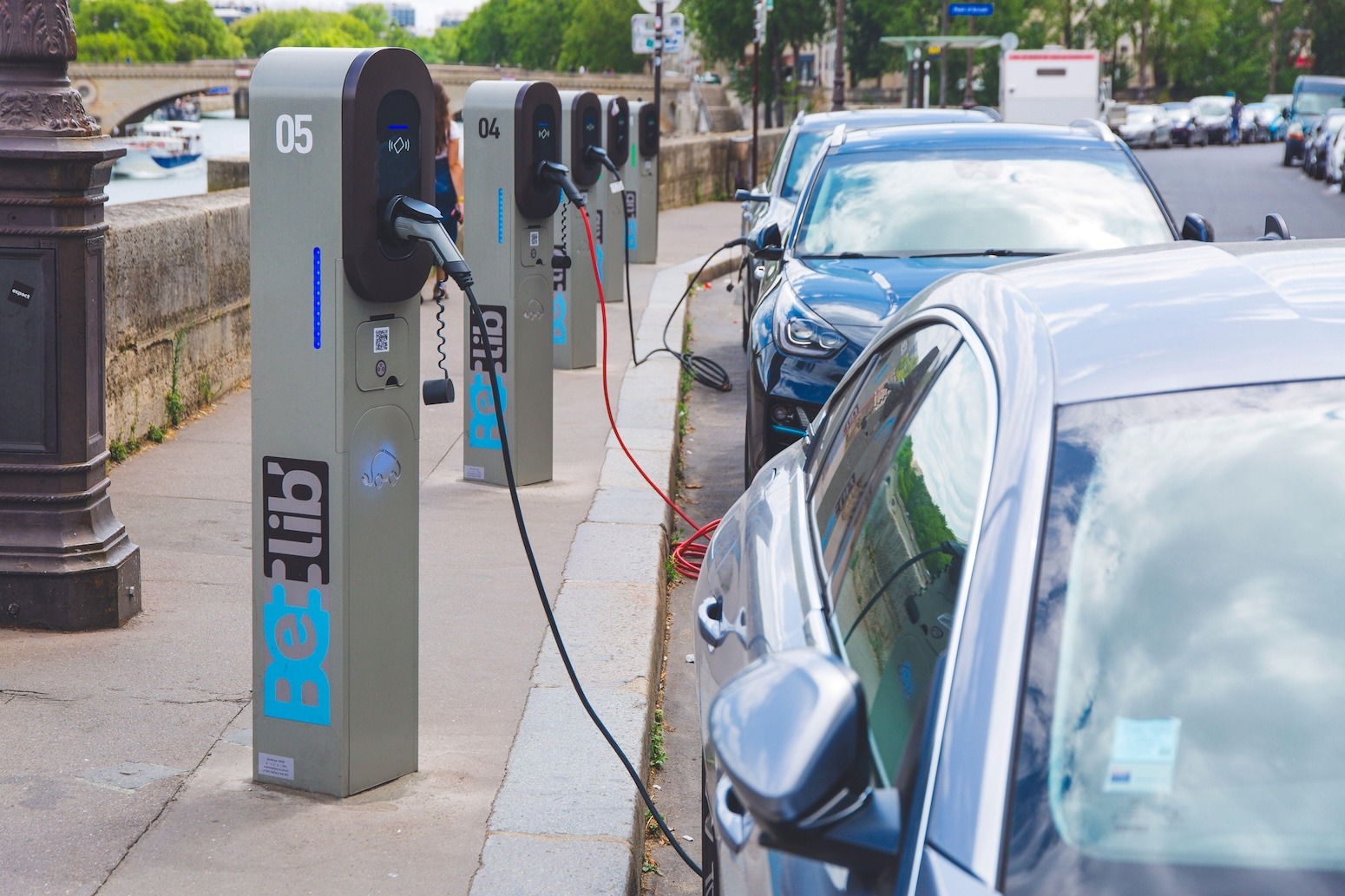
Delhi’s first EV Policy was among the earliest state-level EV policies in the country. Like many first-generation EV policies, it was built around a simple assumption: reduce the upfront cost of electric vehicles, expand charging infrastructure and allow the market to respond. That approach made sense when EVs were still an emerging technology and consumer confidence had to be built. With the Delhi Cabinet approving EV Policy 2.0 on 29 June, and the revised policy coming into effect on 1 July 2026, the city has now entered the next phase of its electric mobility transition.

Six years of implementation have made one thing clear: creating an EV market and completing the transition are two very different challenges. Purchase incentives are effective in lowering entry barriers and attracting early adopters, but they cannot indefinitely sustain the pace of adoption. If left entirely to voluntary consumer choice, the transition is likely to remain uneven across vehicle segments and slower than governments’ climate and air quality ambitions.

Nearly two decades after electric vehicles first entered the Indian market, the transition remains far from complete. Delhi’s registration data illustrate this well. EVs account for 13 per cent of all new vehicle registrations in 2025–26, but the aggregate figure masks stark differences across vehicle segments. Anyone travelling through Delhi today can hardly miss the e-rickshaw that have become an integral part of the people’s everyday commute. Electric three-wheelers have also already crossed 80 per cent of new registrations, whereas two-wheelers, the city’s largest vehicle segment, remain only around 10 per cent electric. Private cars have also witnessed relatively slow adoption, with EVs accounting for only 12 per cent of new registrations. The evidence suggests that incentives worked where economics already favoured electrification, and some uptake with the consumer subsidies. But where cost, consumer behaviour, and infrastructure remain barriers, voluntary adoption has plateaued. That is precisely where the next generation of EV policy needs to intervene.

This is where Delhi EV Policy 2.0 becomes an interesting policy experiment. Rather than simply increasing subsidies, it represents one of the earliest attempts by an Indian state to move towards the second generation of EV policy, one that combines incentives with regulatory mandates. It is about time EV policy moved beyond a subsidy-led approach. Subsidies can create demand; they cannot complete the transition. Instead of relying entirely on consumers and businesses to voluntarily make the shift, the policy introduces clear timelines for phasing out new registrations of internal combustion vehicles in selected segments, while also setting electrification requirements for government fleets, school buses and fleet aggregators.

As the EV policy expands beyond purchase incentives, implementation can no longer rest with a single department. EV Policy 2.0 attempts to address this by distributing responsibilities across specialised agencies, including Delhi Transco Limited (DTL), the Environment Department, the Delhi Pollution Control Committee (DPCC), the Education Department and various urban local bodies, while retaining the Transport Department as the overall nodal agency for implementation. Collectively, these agencies are responsible for charging and battery-swapping infrastructure, emissions assessment, battery recycling, land aggregation, school fleet compliance and overall policy implementation. The policy requires each department to develop detailed implementation roadmaps and standard operating procedures, but it remains less clear on how progress across departments will be monitored, how inter-agency coordination will be ensured, and what happens if implementation timelines are missed.

Another area where the policy appears to step back is financing. The first policy recognised that lowering the upfront cost alone was not enough. It complemented purchase incentives with interest subvention and concessional finance for commercial EVs, acknowledging that access to affordable credit is as important as the purchase price itself. Those provisions do not feature in Policy 2.0, even though affordable finance continues to be one of the biggest barriers for commercial EV adoption. This becomes particularly important as electrification mandates now extend to commercial fleets. For small fleet operators, owner-drivers and thousands of gig workers who own the vehicles they use for deliveries, the transition is less constrained by willingness to adopt EVs than by the ability to finance them.

Now, the implications extend well beyond vehicle buyers. For businesses, the question is no longer whether to prepare for electrification, but how quickly they can adapt. Fleet operators can no longer plan future vehicle procurement assuming conventional vehicles will remain an option indefinitely. Manufacturers, dealerships and charging infrastructure providers now have clearer signals on where future demand is likely to emerge, allowing long-term investments to be aligned with regulatory direction rather than short-term subsidy windows. More importantly, the policy signals that the direction of EV policymaking itself is changing. Delhi may be among the first states to adopt this approach, but it is unlikely to be the last. As more states and cities revise their EV policies, they have an opportunity to learn from Delhi’s implementation experience and build on it and design policies that are better equipped for the next phase of India’s EV transition.

Electric trucks are coming, but are we ready for the shift? 

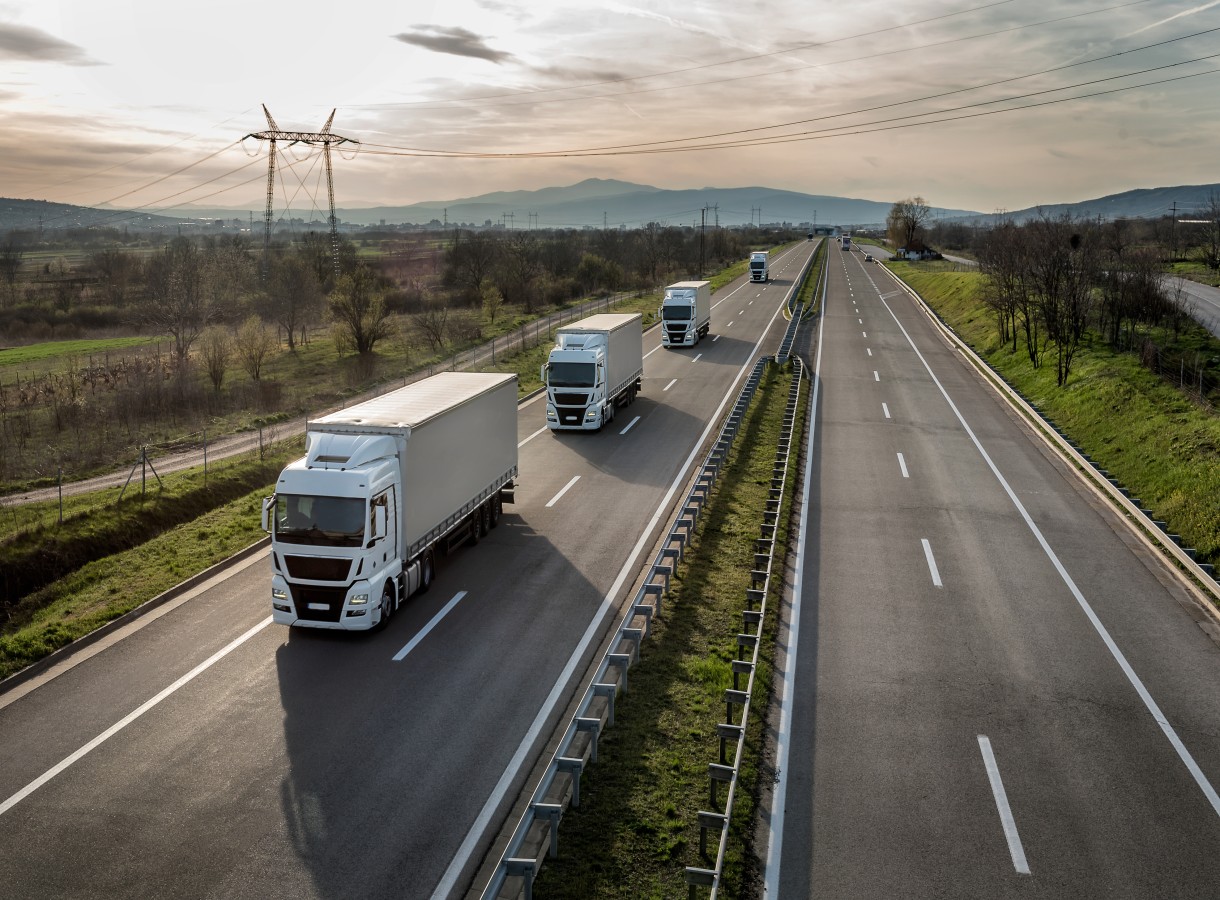
The trucking industry is the backbone of India’s economy, transporting over 70% of the country’s freight. But as India pushes toward cleaner mobility, the sector is at a turning point. While electric two-wheelers, three-wheelers, passenger cars, and light commercial vehicles are making inroads, electrifying medium and heavy-duty vehicles (MHDVs) presents a different challenge. These trucks cover long distances, carry heavy loads, and require a well-developed charging and servicing ecosystem—infrastructure that is still in its early stages.

Beyond infrastructure and technology, another critical question looms: How will the shift to electric freight vehicles (EFVs) impact the workforce? A transition of this scale doesn’t just affect vehicles; it affects people—drivers, mechanics, fleet operators, and thousands of workers in manufacturing and logistics. 

To gain deeper insight into the workforce impact, iFOREST conducted research with over 400 stakeholders across India, including truck drivers, fleet operators, repair and maintenance workers, automotive component manufacturers (ACMs), and electric truck OEMs. Our work in the medium and heavy-duty freight segment extends our ongoing efforts toward a Just Transition in the automobile sector. Here, we highlight key challenges in ensuring that workers—especially those in informal roles—are not left behind in the shift to greener technology. 

The freight industry in India remains highly informal across its entire value chain. Our analysis indicates that in the manufacturing sector, 30% of smaller and medium-sized ACMs, which constitute the majority of enterprises, will need to adapt to changing demand as engine assemblies, transmissions, exhaust systems, and radiator systems become less relevant. Additionally, the survey reveals that informal repair and maintenance technicians, who rely on generational knowledge, have a significant opportunity to transition into high-value EV servicing roles, provided they receive adequate skilling support. Similarly, in the end-of-life stage, battery recycling and sustainable disposal practices will open new avenues of employment for scrapping and recycling workers. 

Ensuring a just and inclusive transition is essential to protect thousands of workers from getting impacted. A Just Transition is not just about moving to cleaner technology but about ensuring that workers dependent on traditional industries are not abandoned in the process.  

The skilling gap: Who gets left behind? 

This transition will erase some jobs (engine and transmission technicians), transform others through reskilling, and create entirely new roles (EV charging operators and high-voltage specialists). But with the sector’s deep informality, the question remains: Who will take responsibility for reskilling a workforce that doesn’t even exist on formal records? Without intervention, thousands risk losing their livelihoods simply due to a lack of relevant skills. 

Our study shows that the traditional ICE medium and heavy-duty vehicle (MHDV) sector currently supports around 529 distinct job roles across manufacturing, service and repair, dealership, transport logistics and warehouse management, and end-of-life management. As diesel trucks are phased out, 64 roles will evolve or merge into new positions, and 93 will require structured reskilling. For instance, diesel mechanics can become EV powertrain specialists, and fuel station attendants can transition into charging station operators. The transition won’t just replace jobs; it will also create 71 entirely new roles, from battery recycling specialists to high-voltage system technicians—expanding the total job pool to 536. The biggest shake-up will hit manufacturing, where engine assembly jobs disappear in favor of EV powertrain and battery integration. Repair and logistics workers must adapt to software-driven diagnostics and digital fleet management, while end-of-life management will demand expertise in battery recycling and hazardous waste handling. 

The problem isn’t just that old jobs are disappearing—it’s that new jobs require a higher skill level. 

A closer examination of the National Skills Qualification Framework (NSQF) levels shows that emerging job roles require higher NSQF levels, whereas many obsolete jobs fall within lower NSQF levels. Workers who relied on hands-on experience now need formal education and certifications—resources they often lack.  Another major roadblock is that most skilling programs require basic education, excluding many informal workers despite their industry expertise. They cannot enroll in training courses that would help them move into new jobs. Without targeted interventions, these workers risk being left behind, widening inequalities in the evolving job market. 

Leaving no one behind

During my research, a Noida-based truck driver working for IX Energy Pvt Ltd., a technology company building electric transport solutions, said, “I drove a diesel truck for 10 years, trained by my ustaad. When my boss bought an electric truck, I had no choice but to learn. After just a week of in-house training, I was driving comfortably. Since my job now requires advanced operations like digital literacy diagnosing issues is easier than before. My pay went up from ₹ 20,000 to ₹ 32,000 plus benefits”.  

Skilling is not just about preserving jobs—it’s key to ensuring electrification meets its sustainability goals. Meenu Sarawgi, Executive Vice President & Chief at ASDC, pointed out, “Even for diesel trucks, skilling courses are almost non-existent—people assume learning on the job is enough. Poor training harms vehicle efficiency. As electrification brings new opportunities, we must do it right from the start. Training workers in EV technology is the only way to achieve the efficiency these vehicles promise.” 

A Just Transition is not a choice; it is a necessity. If structured skilling programs are not implemented, the very people who have kept India’s freight sector running for decades risk being left behind. The responsibility lies with OEMs, policymakers, and industry leaders to ensure this transition prioritizes people, not just technology. If done right, electrification can open new doors while protecting livelihoods—but without action, it could deepen inequalities rather than bridge them. 

The road ahead is electric, but it must also be just. 

This study was undertaken in collaboration with C40 Cities and The Climate Pledge as part of the Laneshift programme. 


Samreen Dhingra is a senior research associate at iFOREST 


Social media & sharing icons powered by UltimatelySocial