

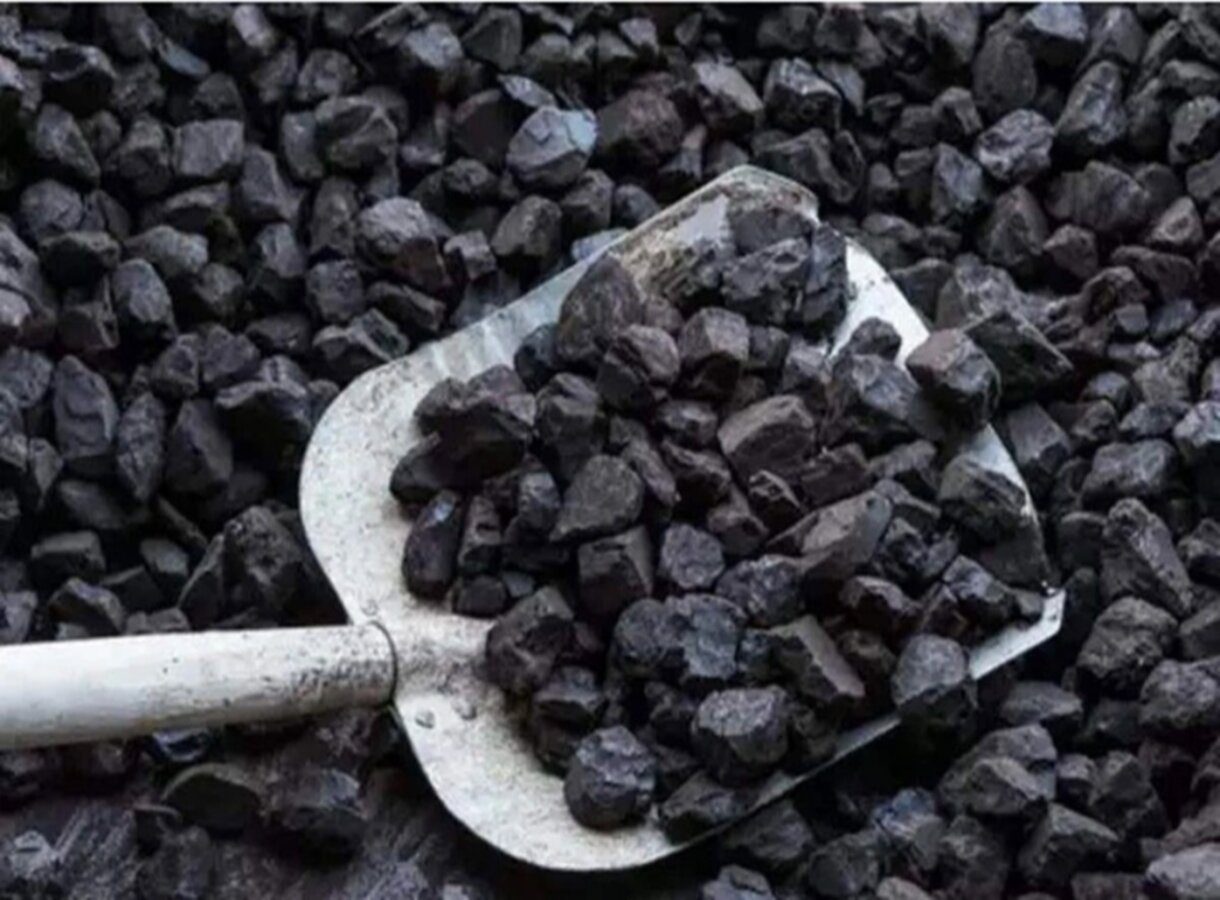
A coal economy to a green economy

Just energy transition’ must Shape net-zero pathways for fossil-fuel-dependent districts.

In the last 18 months, several modelling studies have been published on the costs and benefits of net zero emissions in India. A few days back, another modelling study was published, which projected that India will require an economy-wide investment of $10.1 trillion to achieve its net zero targets by 2070. But this will have significant gains, as it would boost annual GDP by 4.7% by 2036 and create 15 million new jobs by 2047. The benefits are even greater if India reaches net zero by 2050, says the study. In the words of Jayant Sinha, Member of Parliament, like previous modelling studies, this too predicts that “Net Zero is Net Positive” for India.

These reports are important at one level because they give us a macro picture of what it would entail to achieve the net zero target. They also give us the hope that we can address the climate crisis while growing our economy and creating millions of new green jobs. However, these macro-assessments do not tell us about the regional implications or the political economy of this transition. In other words, these reports have minimal relevance for planning a net zero pathway at the district or state levels.

For instance, the costs that these studies account for mainly include the investments required to build the new green industries and infrastructure—renewable energy, hydrogen, green steel, etc. They do not have the costs of closing the existing fossil-fuel based industries and infrastructure—coal mines, power plants, freight corridors, etc. However, at the district level, closing mines and plants are far more important than building the new industries, especially when there is no guarantee that these will come at the same place. In a nutshell, while macro-economic modelling has its value, today, we need studies to understand the costs, benefits and regional implications of achieving the net zero target so that we can plan and achieve a just energy transition. Let me illustrate this with the case of Angul, Odisha.

Over the last two years, my colleagues and I have been studying the coal districts of India to understand what a Just Energy Transition (JET) means and entails for these districts. We studied Ramgarh in Jharkhand, Korba in Chhattisgarh and, last week, we published our report on Angul.

The study of Ramgarh showed that the district has mostly unprofitable old mines, which will close soon. Ramgarh, therefore, needs to quickly start implementing an economic diversification plan to deal with the repercussions of the economic downturn due to the closure of mines. In Korba, India’s top coal-producing district, the reserves are getting exhausted, and most existing

mines and power plants will close between 2040-2050. So, Korba has a little more time than Ramgarh to implement a JET.

Angul, however, tells a very different story. The district produces about 100 million tonnes (MMT) of coal—about 12% of the country’s production. About 168,000 people are employed by coal mining and coal-dependent industries, and over 61% of the district’s GDP is dependent on coal. But coal production will grow three-fold in the next 10 years and peak at 300 MMT by 2033. Other coal-dependent industries, such as steel and aluminium, are also expanding. This growth is possible because Angul produces some of the cheapest coal in the country.

As per the current plans, there is no way that coal production in Angul can be phased out by 2050. If we try to reach net zero in Angul by 2050, then almost all mines will have to forego 30-60% of their reserves, and industrial assets would have to be shuttered at the peak of their economic life. So, how do we plan a net zero pathway for a district where the coal economy is growing exponentially? How do we close the mines and industries, and who will pay for this? How do we create alternative jobs for coal workers? Who will invest in the green economy? These are the questions that matter, and we need answers to these to develop a realistic just transition plan for real people.

Our study shows that it is possible to achieve net zero by 2050 in Angul, but it would require a JET plan spanning over the next three decades and billions of dollars of compensation and investments. It would require what we call the 5 Rs of Just Transition.

* Restructuring of the economy: Angul’s economy will have to diversify through investments in agriculture, forestry and service sectors. Its industries will have to move from a brown economy to a green economy through investments in renewables, hydrogen-based steel and urea, green aluminium, and a circular economy.

* Repurposing of the existing infrastructure: Repurposing mining land and industrial plants will be crucial for economic diversification. For instance, about 33,000 hectares of land in Angul are under coal mines and power plants. These can be used for solar PV, food parks, the development of fisheries and tourism sectors, etc.

Reskilling and skilling of the workforce: Large-scale skilling and reskilling programmes will have to be implemented to develop a skilled workforce for economic diversification.

* Revenue substitution: Currently, coal mines in Angul contribute over Rs 6,000 crore as royalty and cess to the state and the central government. This is projected to increase to Rs 18,000 crore by 2030. Angul’s economic diversification plan must at least substitute the revenues foregone from the coal economy.

* Responsible environmental and social investments: Angul is an economically-backward district and also a critically polluted area. Massive investments would be required for the closure and remediation of mines. Likewise, the district needs investments in social infrastructure—health, education, water, livelihoods etc., to build a sustainable economy.

Overall, Angul’s study shows that if we want to achieve the net zero target, then we must understand its implications at the district and state levels. Without this, big macro-assessments make no sense.


पर्यावरण पर कैसा है हमारा रिपोर्ट कार्ड !

पर्यावरण पर कैसा है हमारा रिपोर्ट कार्ड, जानें मौजूदा कानूनों और संस्थानों में सुधार क्यों है जरूरी |

साल 2022 पर्यावरण के लिए एक महत्वपूर्ण वर्ष है। संयोग से, आजादी के 25 साल पूरे होने के हफ्तेभर बाद, लोकसभा ने वन्यजीव (संरक्षण) विधेयक, 1972 पारित किया, जो स्वतंत्र भारत का पहला पर्यावरण कानून था। इसके अलावा, 1972 में National Committee for Environmental Planning and Coordination (NCEPC) की भी स्थापना की गई, जिसने बाद में पर्यावरण मंत्रालय की शक्ल ली। 1972 में ही स्टॉकहोम में मानव पर्यावरण पर संयुक्त राष्ट्र सम्मेलन में इंदिरा गांधी ने अपना प्रसिद्ध भाषण दिया था। उनके संबोधन में एक पंक्ति – गरीबी सबसे बड़ा प्रदूषक है – पर्यावरणविदों की एक पीढ़ी का मूलमंत्र बन गई और आज भी देश-विदेश में पर्यावरणीय मुद्दों पर इसकी चर्चा की जाती है। इस समय, जब हमें आजादी के अमृत महोत्सव के साथ-साथ संस्थागत पर्यावरणवाद की स्वर्ण जयंती मनानी चाहिए, तो यह देखना महत्वपूर्ण है कि हम कहां हैं और किस दिशा में आगे बढ़ रहे हैं।

हमने पर्यावरण के मोर्चे पर महत्वपूर्ण प्रगति की है, लेकिन हम काफी मुद्दों पर असफल भी रहे हैं। मैं तीन उल्लेखनीय सफलताओं और संबंधित बाधाओं का यहां जिक्र करूंगा, जो पिछले 50 वर्षों की पर्यावरणीय यात्रा को दिखाती हैं।

  • पहली सफलता यह है कि पर्यावरण संरक्षण की भावना आज ‘मुख्यधारा’ की भावना है। आज हर कोई पर्यावरण की रक्षा और जलवायु संकट को हल करने की आवश्यकता पर सहमत है। हाल ही में ऊर्जा मंत्री आर के सिंह ने संसद को बताया कि जलवायु परिवर्तन और उत्सर्जन कम करने के मुद्दे पर देश में एकमत है, जो विकसित देशों में भी नहीं है। आज राष्ट्रपति, प्रधानमंत्री, विपक्ष के नेता, सभी पर्यावरण और जलवायु परिवर्तन के समाधान के मुद्दे पर जोर देते हैं। इसका श्रेय सभी सरकारी और गैर-सरकारी संगठनों को जाना चाहिए, जिन्होंने पर्यावरण के प्रति जागरूकता बढ़ाने के लिए कड़ी मेहनत की है।
  • दिक्कत यह है कि भावना और अभ्यास में बहुत बड़ा अंतर है। अभ्यास बदल रहे हैं, लेकिन काफी धीरे। इसके मुख्य कारण हैं संस्थागत बाधाएं और सामाजिक जड़ता।
  • दूसरी सफलता यह है कि हमने पर्यावरण के हर पहलू से निपटने के लिए एक व्यापक कानूनी और संस्थागत ढांचा विकसित किया है, चाहे वह वन हो, वन्य जीवन हो, प्रदूषण हो या पानी और जमीन का संरक्षण हो।
  •  यहां समस्या यह है कि हमारे कानूनों और उनके कार्यान्वयन में व्यापक अंतर है। आज देश में कानून को आसानी से तोड़ा जाता है। फैक्ट्रियां प्रदूषित पानी और गैस बिना डर के पर्यावरण में उत्सर्जित करती हैं। म्यूनिसिपैलिटी कचरे का समाधान कानून के तहत नहीं कर रही है और लोग भी अपना कानूनी दायित्व नहीं निभा रहे। इसका मुख्य कारण खराब तरीके से बनाए गए कानून और कमजोर संस्थान हैं।
  • तीसरी सफलता सबसे महत्वपूर्ण है और इस तथ्य पर गर्व भी किया जा सकता है कि हम अपने वन क्षेत्र को बढ़ाने और वन्य जीवों की रक्षा करने में काफी हद तक सफल रहे हैं। आज हमारे देश में जंगलों का क्षेत्रफल 50 साल में सबसे अधिक है। इसी तरह बाघों की संख्या भी आजादी के बाद सबसे अधिक है। असल में, आज भारत इकलौता ऐसा देश है जो बाघों को बचाने में सफल रहा है।
  • लेकिन यही चीज हम अपने शहर, गांव, कृषि क्षेत्र, नदियों और समंदर के बारे में नहीं कह सकते। वायु प्रदूषण में तो हमें विश्व का सबसे प्रदूषित देश माना जाता है। इसी तरह नदियों की भी हालत काफी खराब है। इनके तीन कारण हैं- बढ़ती आबादी, लगातार बढ़ती खपत और सिकुड़ते प्राकृतिक संसाधन। पिछले 50 वर्षों में, हमारी जनसंख्या में डेढ़ गुना (80 करोड़) और जीडीपी में 13.5 गुना वृद्धि हुई है। दूसरी ओर, हमारी प्रति व्यक्ति कृषि योग्य भूमि और मीठे पानी के संसाधन 60% तक सिकुड़ गए। हमारे उत्पादन और उपभोग प्रणालियों में मूलभूत परिवर्तन के बिना, भूमि, वायु और जल की क्षति जारी रहेगी, जिसके स्वास्थ्य और अर्थव्यवस्था के लिए गंभीर परिणाम होंगे।

संक्षेप में कहें तो पिछले 50 वर्षों का अनुभव हमें आधे-अधूरे प्रयासों और टुकड़ों-टुकड़ों के समाधान से बचना सिखाता है। यह आज और भी महत्वपूर्ण है क्योंकि हमारी चुनौतियां कहीं अधिक जटिल और अस्तित्वपरक हैं। हमें न केवल पारंपरिक मुद्दों (भूमि, जल और वायु) से निपटना है, बल्कि जलवायु संकट की चुनौती का भी सामना करना है। इस दोहरी चुनौती को हल करने के लिए पर्यावरण शासन के एक नए प्रतिमान की आवश्यकता है तो मैं इसके लिए अजेंडा प्रस्तावित करता हूं।

  • सबसे पहले हमें मौजूदा कानूनों और संस्थानों में सुधार करना चाहिए और उन्हें भविष्य के लिए तैयार करना चाहिए। सभी प्रमुख पर्यावरण कानून 70 और 80 के दशक में बनाए गए थे। जलवायु संकट के आलोक में उनकी समीक्षा की जरूरत है।
  •  दूसरा, हमें जंगलों और वन्यजीवों की सुरक्षा को और भी मजबूत करने की जरूरत है। वर्तमान में, भारत का केवल 5% ही संरक्षित है। हमें सभी इकोसिस्टम को बचाने की जरूरत है – जंगलों, घास के मैदानों, महासागरों, नदियों और रेगिस्तानों की रक्षा करके संरक्षित क्षेत्र को बढ़ाने की जरूरत है।
  •  तीसरा, हमें स्थानीय प्रशासन को मजबूत करना चाहिए और जमीनी स्तर के समाधानों को बढ़ावा देना चाहिए।
  •  चौथा, हमारे पास अक्षय ऊर्जा, सर्कुलर अर्थव्यवस्था और प्रकृति-आधारित समाधानों के आधार पर सबसे उन्नत अर्थव्यवस्था बनाने का अवसर है। इससे रोजगार सृजित होंगे, पर्यावरण की रक्षा होगी और जलवायु संकट को कम करने में मदद मिलेगी।

अंत में, हमें जमीनी स्तर पर कार्रवाई के लिए सामाजिक आंदोलनों की आवश्यकता है। इतिहास बताता है कि बड़े सामाजिक लक्ष्यों को प्राप्त करने के लिए एक जन आंदोलन आवश्यक होता है। हम व्यक्तिगत जिम्मेदारी और सामूहिक जिम्मेदारी के बिना 21वीं सदी की पर्यावरणीय चुनौतियों का सामना नहीं कर सकते।

No piecemeal solutions, please!

The year 2022 is important. It not only marks the 75th anniversary of India’s independence, but it also marks the 50 years of institutional environmentalism in India. Coincidently, a week after we celebrated 25 years of Independence, the Lok Sabha Sabhapassed the Wildlife (Protection) Bill, 1972, making it the fi rst environmentallegislation in Independent India.

The sentiment for environmental protection is now ‘mainstreamed’

Moreover, in 1972, the National Committee for Environmental Planning and Coordination(NCEPC), the predecessor of the environment ministry, was also established. And it was in1972 that Indira Gandhi gave her famous speech at the United Nations Conference on theHuman Environment in Stockholm. A line in her address – poverty is the greatest polluter –became the leitmotif of a generation of environmentalists and continues to dominate theenvironmental discourse in the country. At this juncture, when we should be celebrating thegolden jubilee of institutional environmentalism alongside the Azadi Ka Amrit Mahotsav, itis important to look back and see where we are and in which direction we are moving.

To start with, we have made signifi cant progress on the environmental front, but we havealso had serious setbacks. I will list three notable successes and corresponding roadblocksthat typify the journey of the last 50 years.

First, the sentiment for environmental protection is now ‘mainstreamed’. Today everyoneagrees about the need to protect the environment and solve the climate crisis. But the intentis not translating into sustainable practices due to the lack of capacity, institutionalroadblocks and social inertia.

Second, we have developed a comprehensive legal and institutional framework to deal withevery aspect of the environment – forest, wildlife, pollution, waste management, andresource conservation. But there is a wide gap between the laws and their implementationdue to the top-down approach and weak institutions.

Third, we can take pride in the fact that we have been able to increase our forest cover andprotect wildlife to a large extent. However, the same cannot be said about the humanenvironment. Our cities, villages, farmlands, waterbodies, and airshed are all undertremendous stress due to growing population, ever-increasing consumption, and ashrinking natural resource endowment.

In the last 50 years, our population has increased by 2.5 times (by 80 crores) and GDP by 13.5times. On the other hand, our per capita arable land and freshwater resources have shrunkby 60%. Without fundamental changes in our production and consumption systems, thedegradation of land, air and water would continue, with severe consequences on health andthe economy.

In a nutshell, the experience of the past fi ve decades teaches us to avoid half-hearted effortsand piecemeal solutions. This is even more important today because our challenges are farmore complex and existential. We not only have to deal with traditional issues (land, waterand air) but also the climate crisis. Solving this dual challenge requires a new paradigm ofenvironmental governance. So let me propose a fi ve-point agenda for the same.

First, we must revamp existing laws and institutions and make them future-ready. All themajor environmental legislations were enacted in the 1970s and 1980s, and they need aserious relook in the light of the climate crisis.

Second, we need to build on our success in protecting the wilderness by increasingprotected areas by giving greater stake to the local communities. Currently, only about 5%of India is protected. This number needs to increase by protecting all ecosystems— forests,grasslands, oceans, rivers, and deserts.

Third, we should strengthen local government and promote bottom-up solutions.
Fourth, we have the opportunity to build the most advanced economy based on renewables, circular economy and nature-based solutions. This will create job, protect the environment and help mitigate the climate crisis.

Lastly, we need social movements for grassroots action. History shows that a massmovement is essential to achieve larger societal goals. We cannot meet the environmentalchallenges of the 21st century without individual responsibility and collective efforts.

Social media & sharing icons powered by UltimatelySocial