
 Published in
  Jan 28, 2026
  4 min read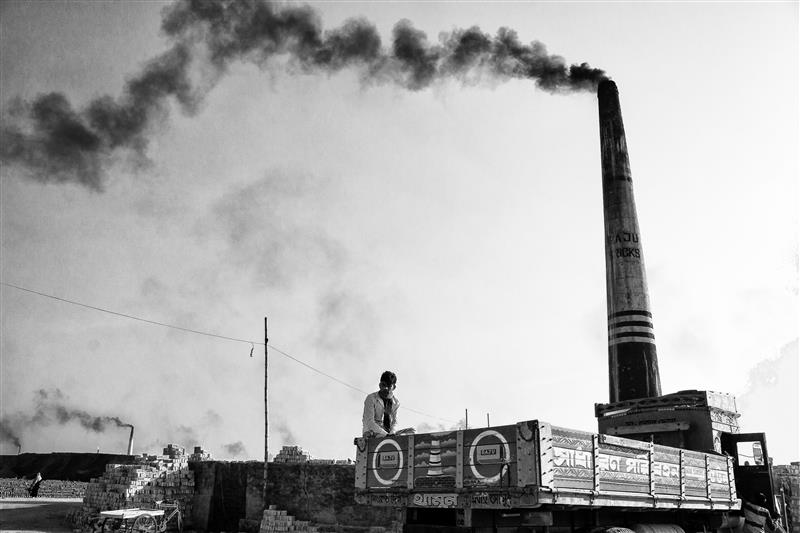
In India alone, pollution is linked to an estimated 1.7 million deaths each year, accounting for roughly 18 per cent of total deaths, translating into substantial economic burden due to lost lives, healthcare costs, and diminished workforce productivity
At the World Economic Forum in Davos this month, Harvard economist and former IMF Chief Economist Gita Gopinath delivered a stark warning: Unchecked pollution poses a far greater threat to India’s economy than trade tariffs ever have. Her comments, on a global stage, underscore a truth that environmental economists have been documenting for years — air pollution isn’t just a public health crisis; it’s an economic emergency.
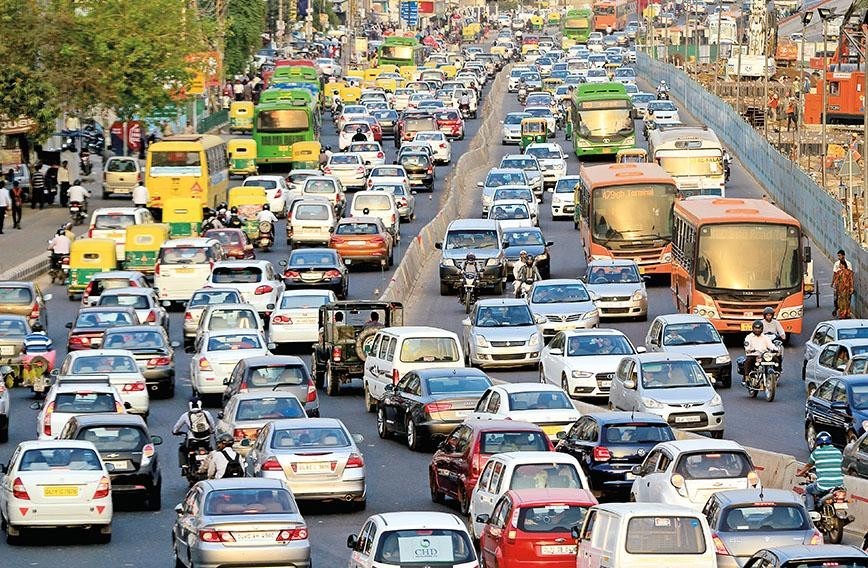
Dirty air inflicts massive, measurable economic harm beyond the obvious health costs. What makes the warning compelling is the confluence of global evidence and local realities, particularly in India’s cities, where industries, households, vehicles and crops all emit fine particulate pollution that erodes human capital, productivity and economic growth.
Gopinath’s intervention draws attention to the massive “hidden tax” that dirty air imposes on economic growth. According to recent World Bank research, air pollution inflicts global welfare costs of about $5.7 trillion annually, equivalent to roughly 4.8 per cent of world GDP, through lost labour income, reduced labour efficiency, healthcare expenses, and diminished economic productivity.
In India alone, pollution is linked to an estimated 1.7 million deaths each year, accounting for roughly 18 per cent of total deaths, translating into substantial economic burden due to lost lives, healthcare costs, and diminished workforce productivity. Air pollution has been estimated to cost India up to $150 billion annually in economic impact.
The market costs of air pollution, flowing from reduced labour productivity, additional health expenditures and crop yield losses, are projected to lead to annual economic costs of 1 per cent of global gross domestic product (GDP) by 2060. Earlier World Bank estimates pegged pollution’s economic toll at around $80 billion annually, or nearly 1.7 per cent of India’s GDP, showing the persistent long-term drag on growth.
These staggering figures manifest in everyday economic loss: Families draining savings on medical bills, decreased productivity from chronic disease, and burgeoning public healthcare expenditure. Despite these stark figures, policy responses have historically prioritised trade policy and tariff negotiations over environmental health.
Air pollution’s impacts are structural and cumulative: It erodes human capital, raises public and private healthcare costs, and undermines investor confidence by making cities less livable. In Delhi, recent official data shows the city met national air quality standards on only 156 out of 365 days in 2025, with near-daily violations of safe PM₂.₅ levels and virtually no compliance during winter months.
Economists have long warned that environmental externalities, when left unchecked, can slow development, reduce national competitiveness, and disproportionately harm vulnerable populations. Yet it often takes a voice from the apex of global economic discourse to break through policy inertia. Gopinath’s statement isn’t merely commentary; it’s a call to reframe environmental policy as economic policy.
In an economy striving for resilience and inclusive growth, air pollution must be recognised not just as a silent killer, but as a silent economic drag, one that, if addressed boldly and systematically, can unlock substantial health and economic gains for millions of Indians. As India pursues ambitious development goals — expanding cities, building industrial capacity, and attracting investment — ignoring pollution’s economic toll is not just a health oversight; it is economic mismanagement.
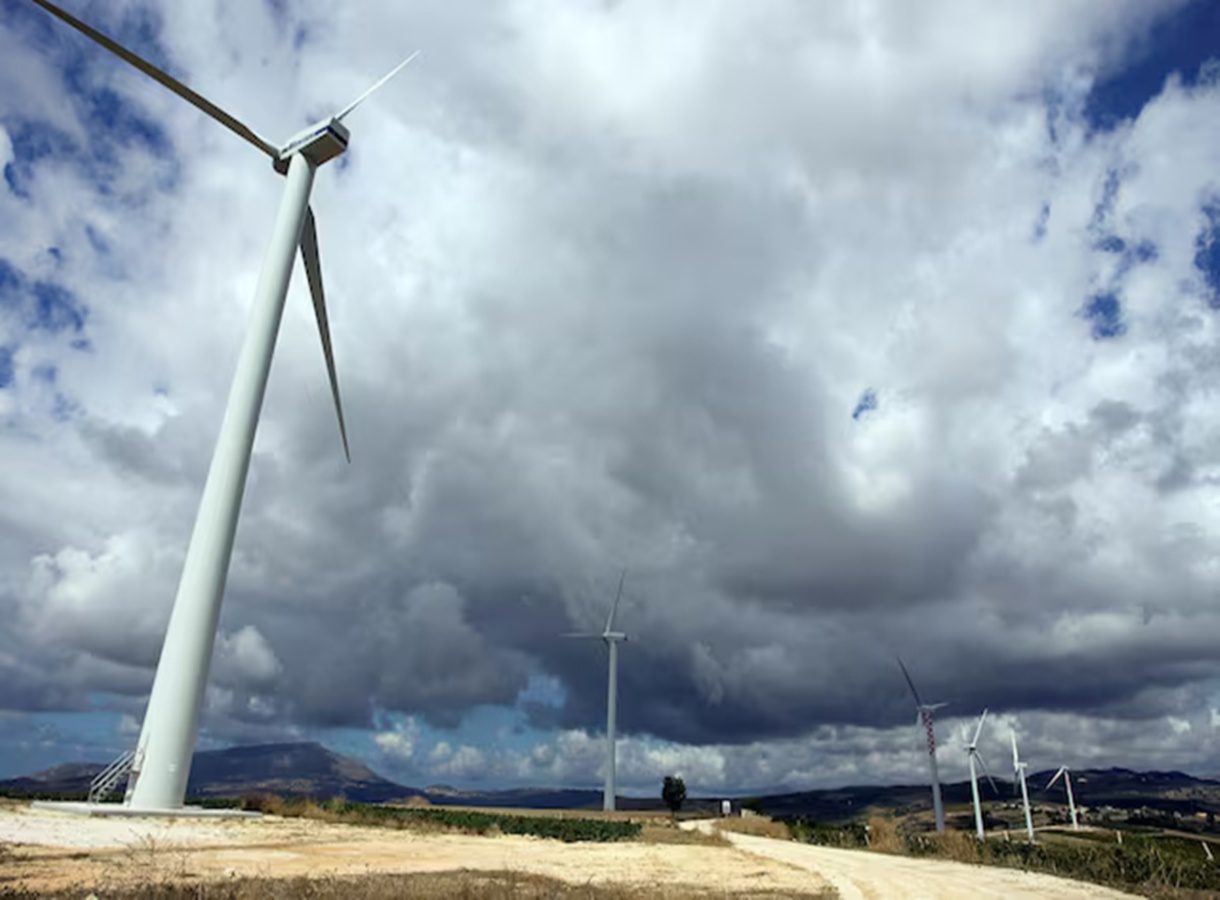
What India now requires is policy seriousness commensurate with the scale of the costs. Strengthening clean air regulations, investing in clean energy, sustainable transport, waste management, and regional airshed governance are economic necessities. Reducing PM₂.₅ by meaningful margins will generate dividends in reduced healthcare costs, higher productivity, and longer, healthier lives, particularly for children and vulnerable populations disproportionately affected by dirty air.
The debate must move beyond whether pollution matters to how quickly and effectively action can be implemented. The cost of inaction is already measurable — and rising. Acting decisively today could unlock substantial economic and health dividends for generations to come.