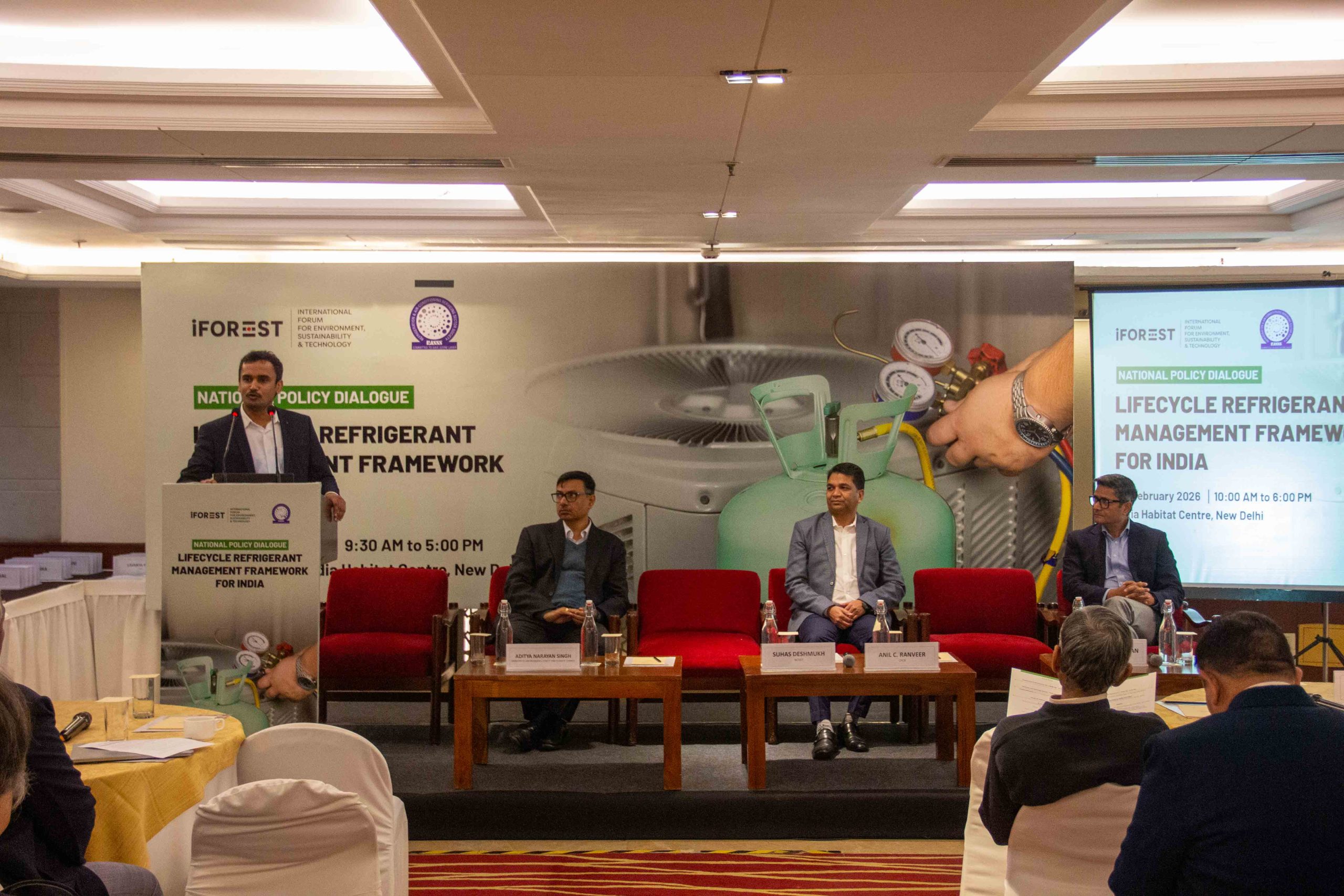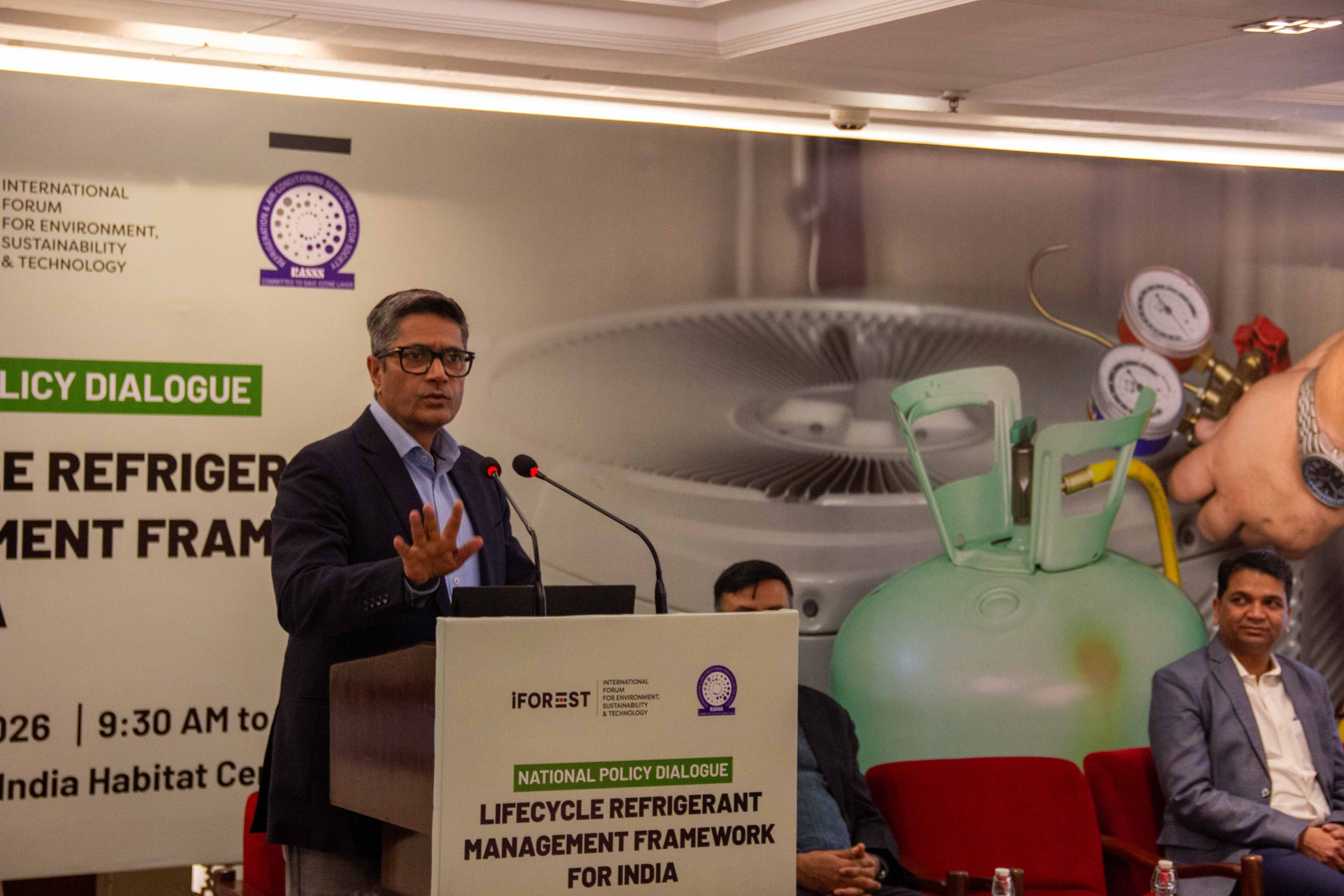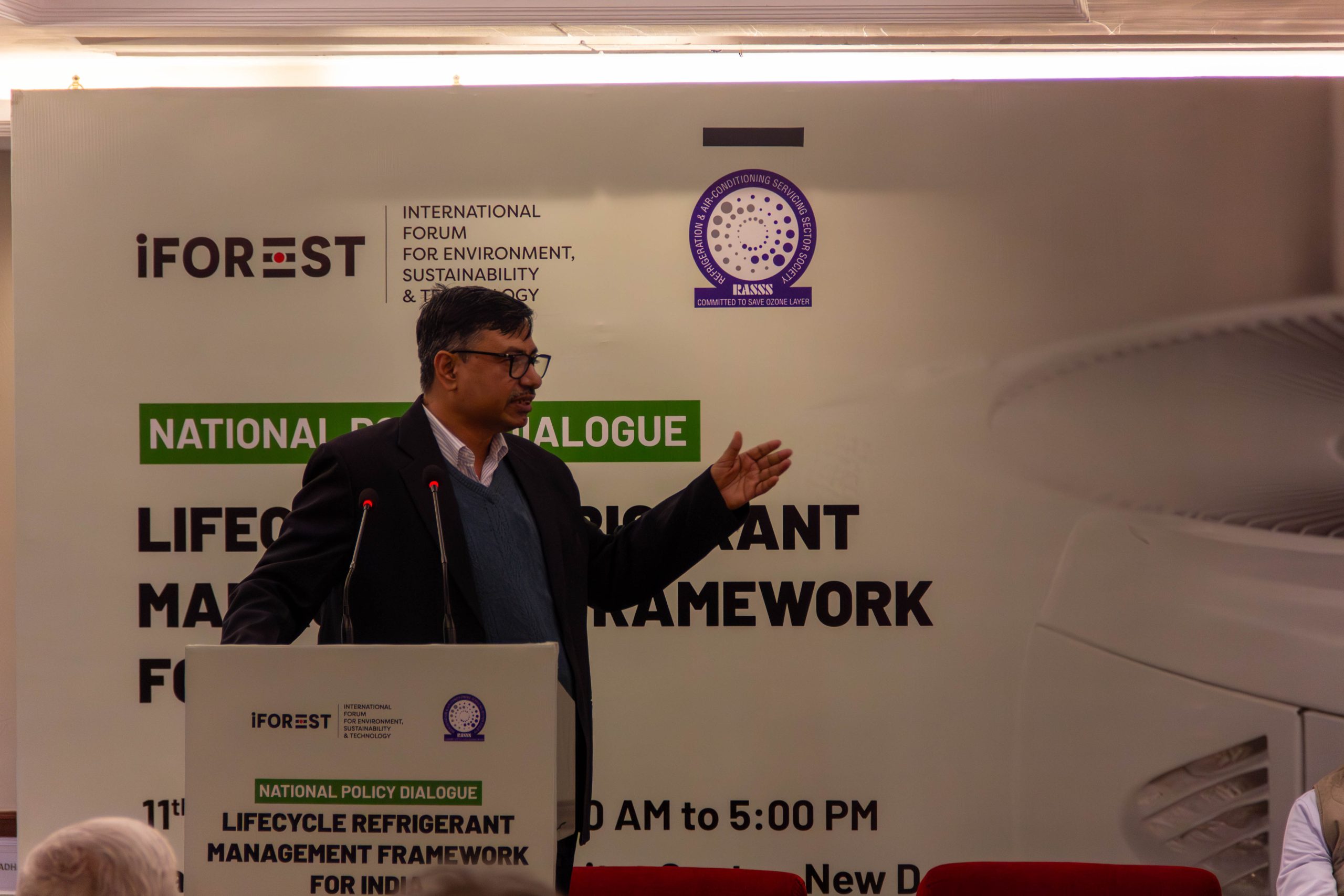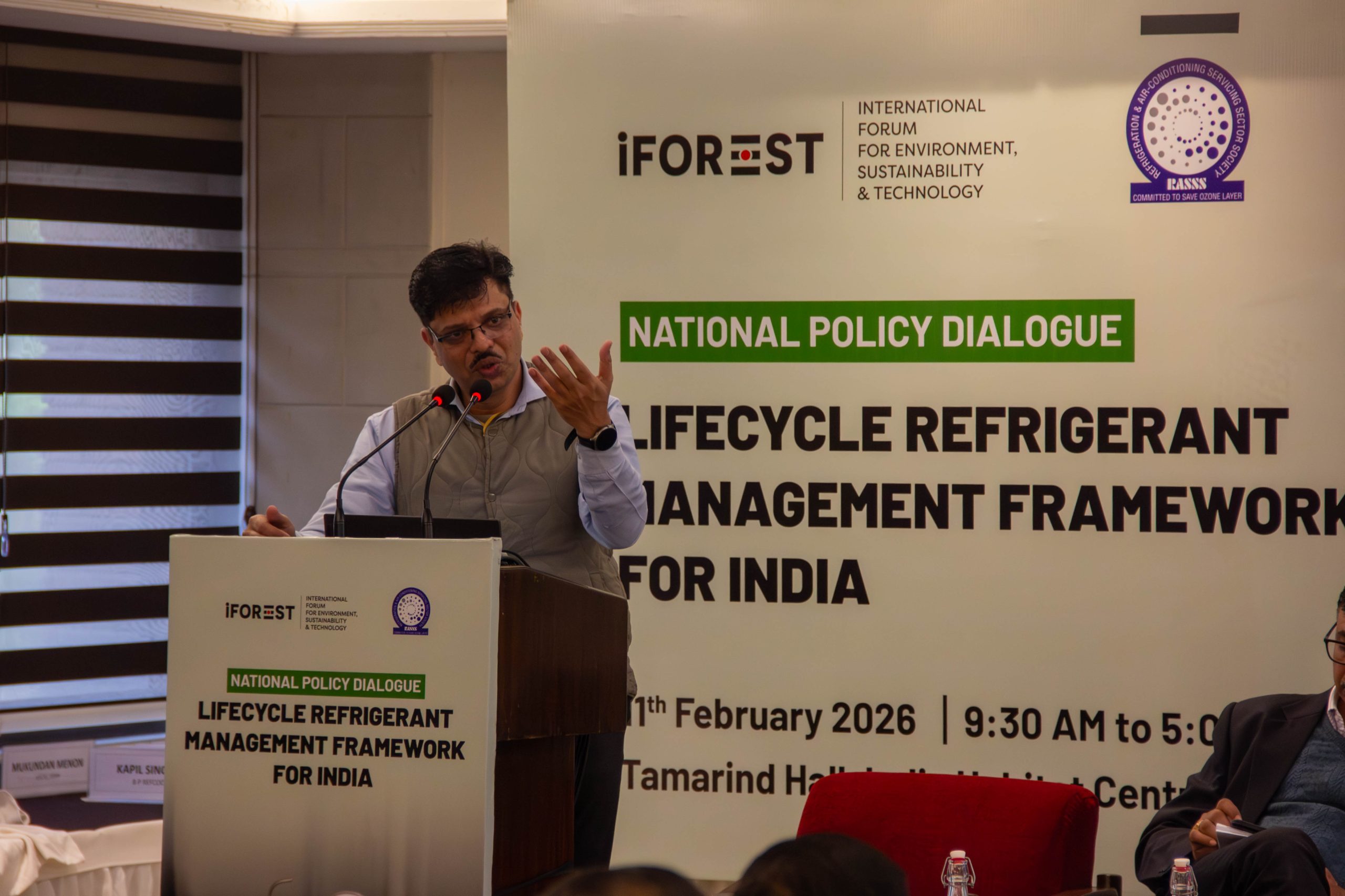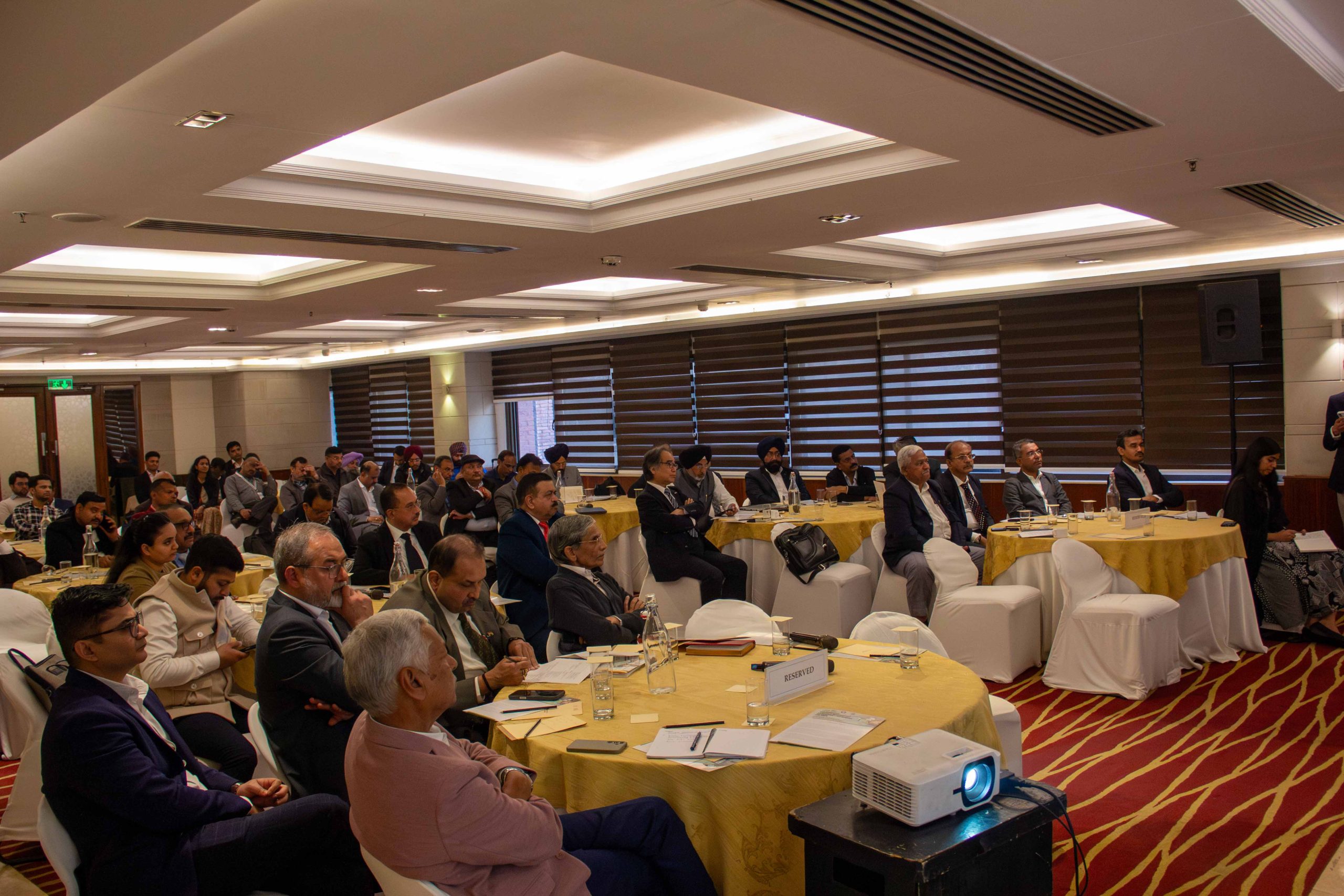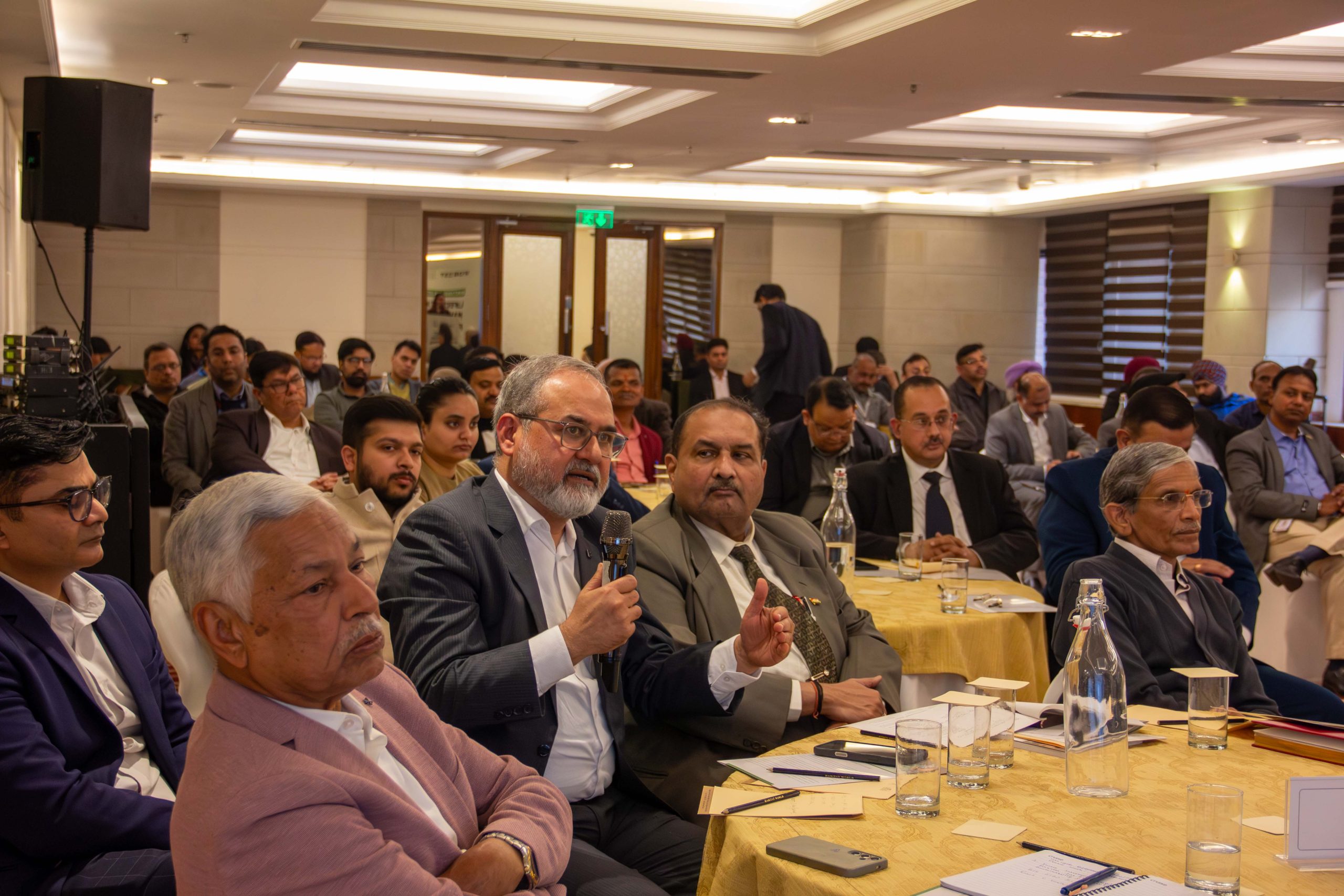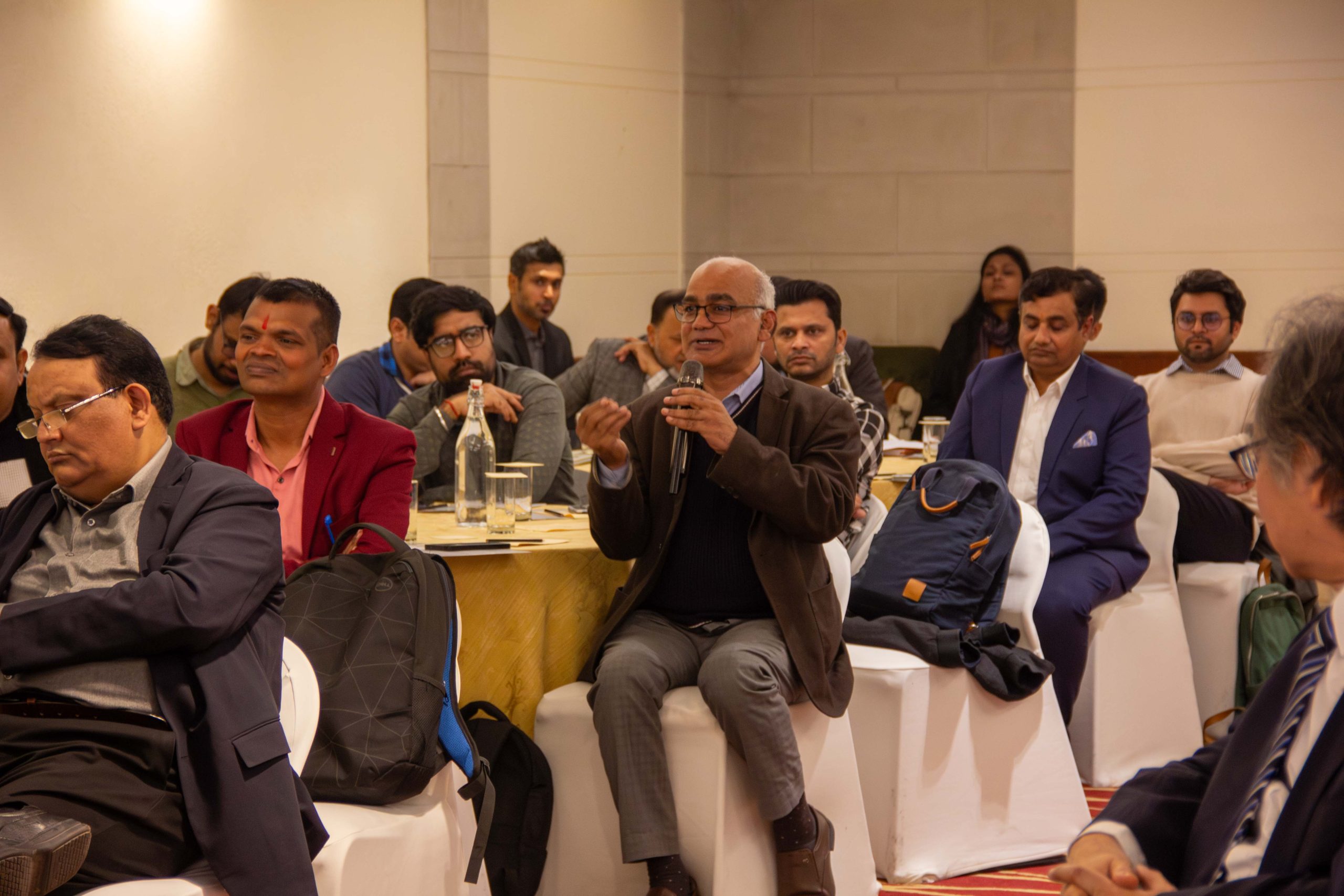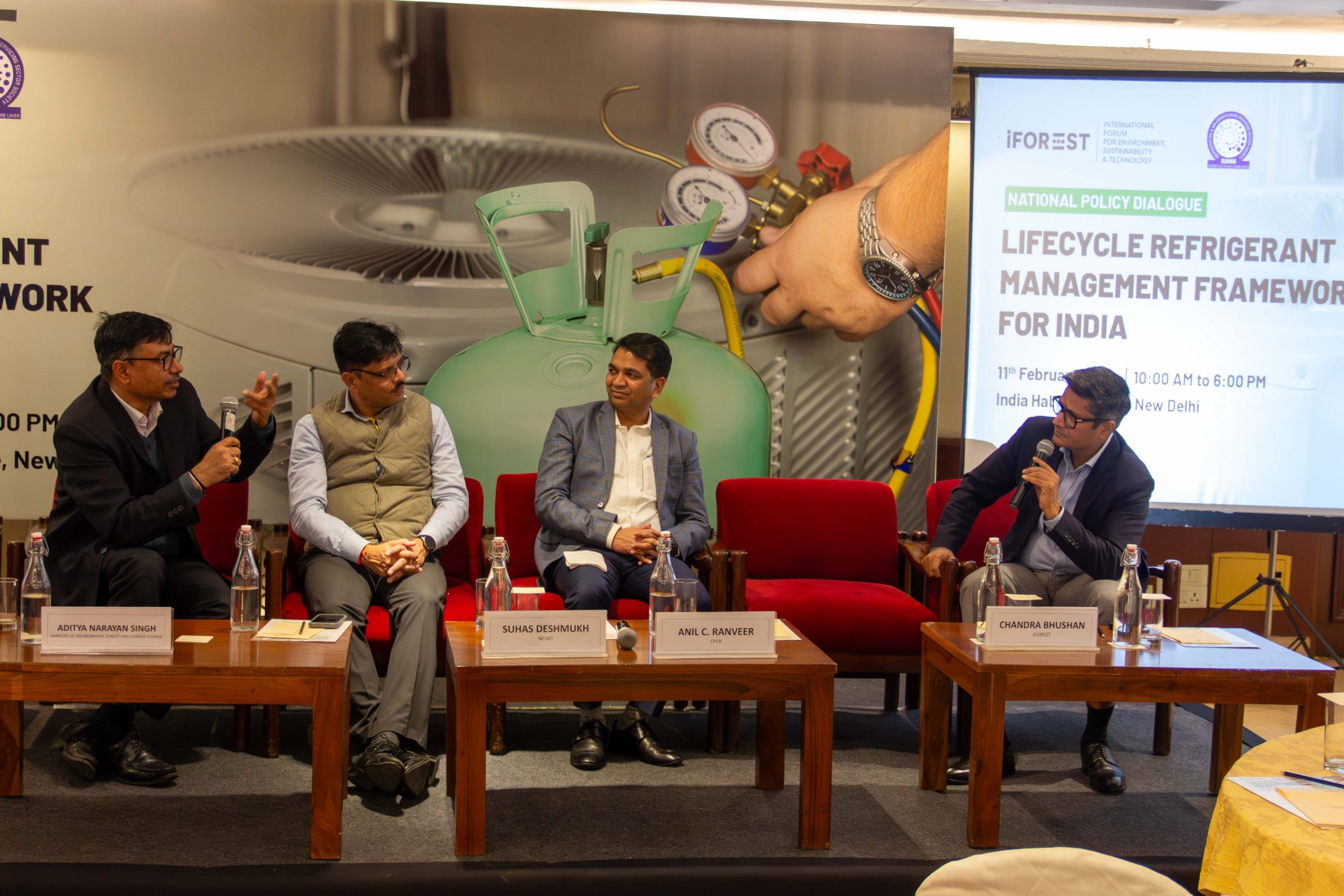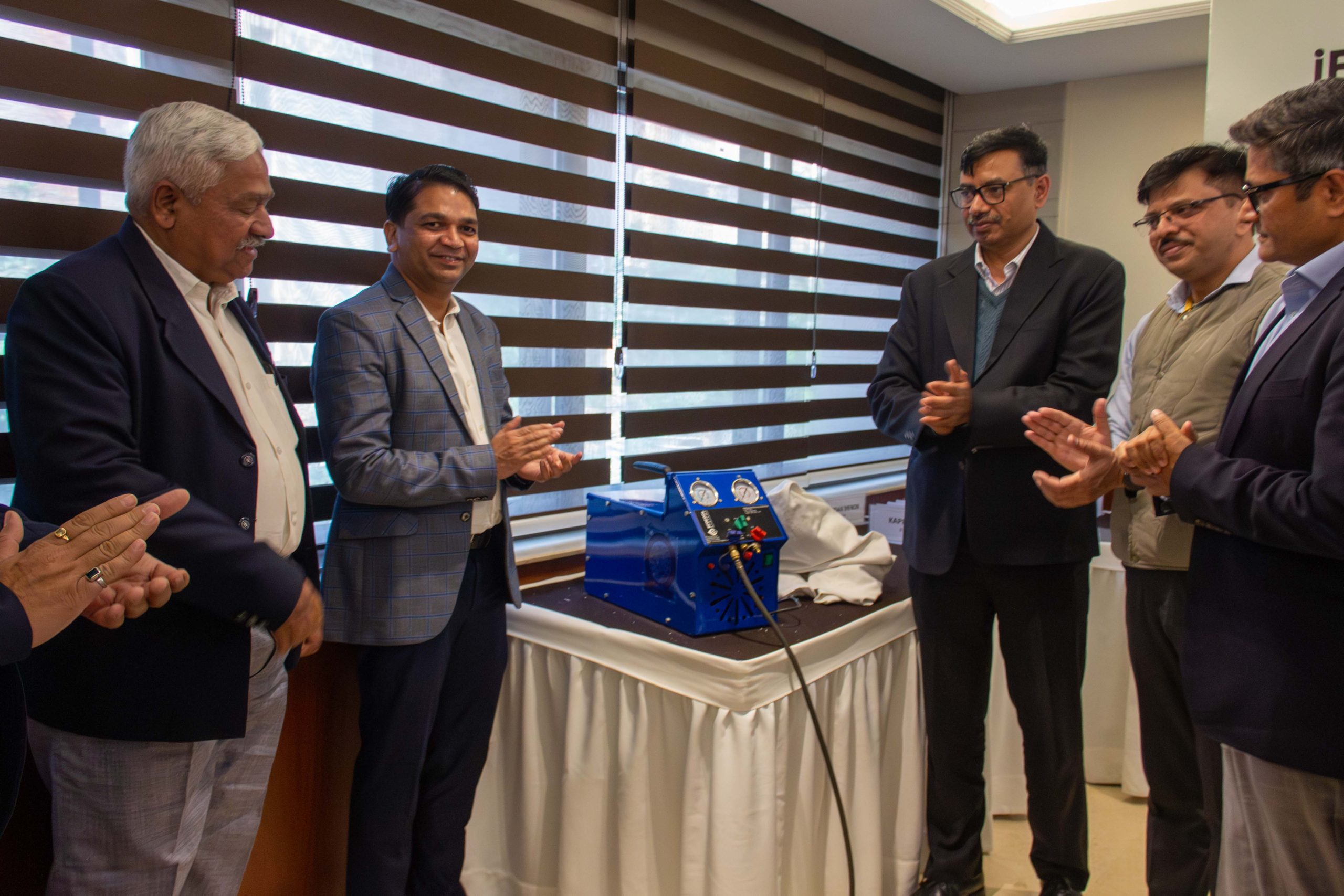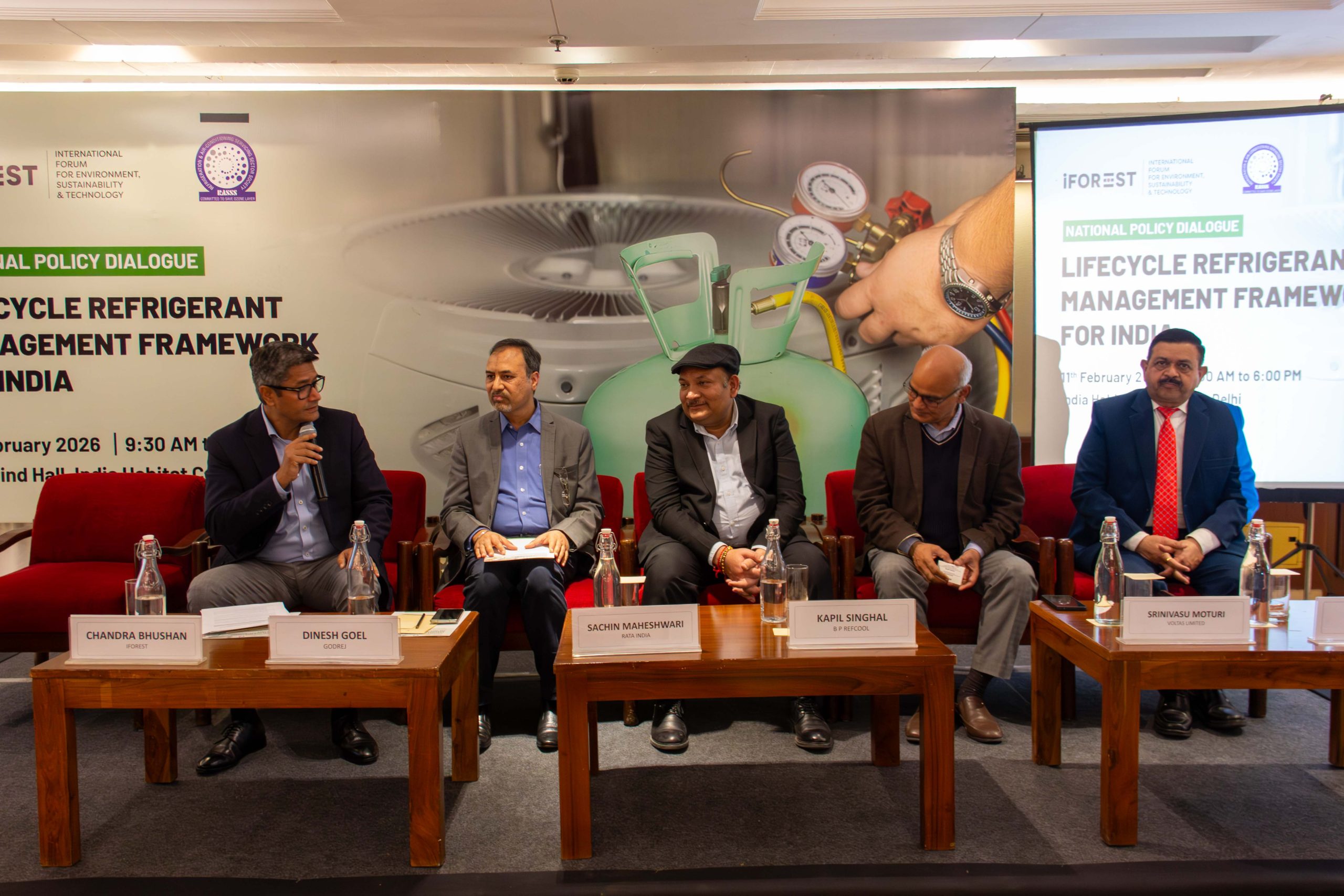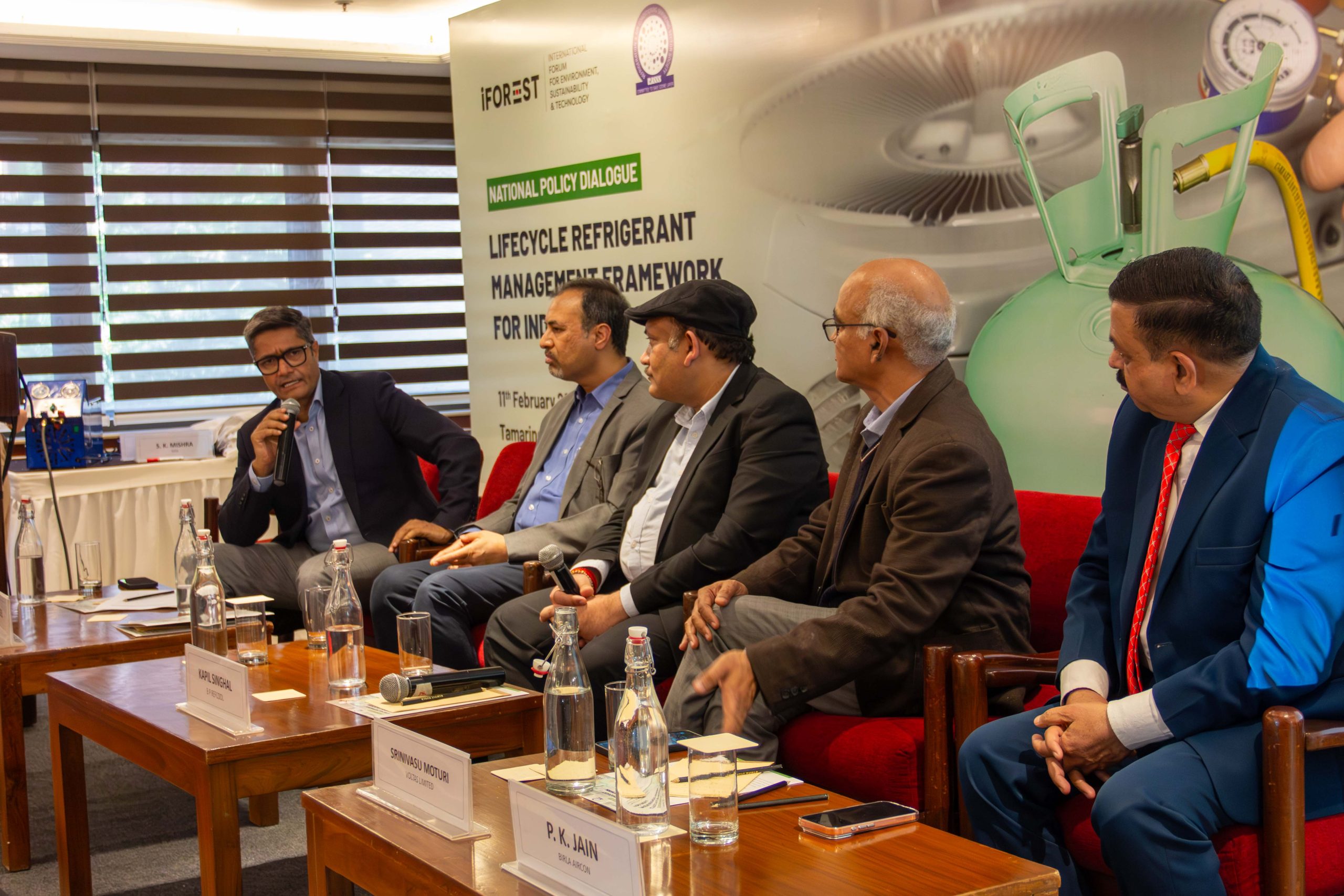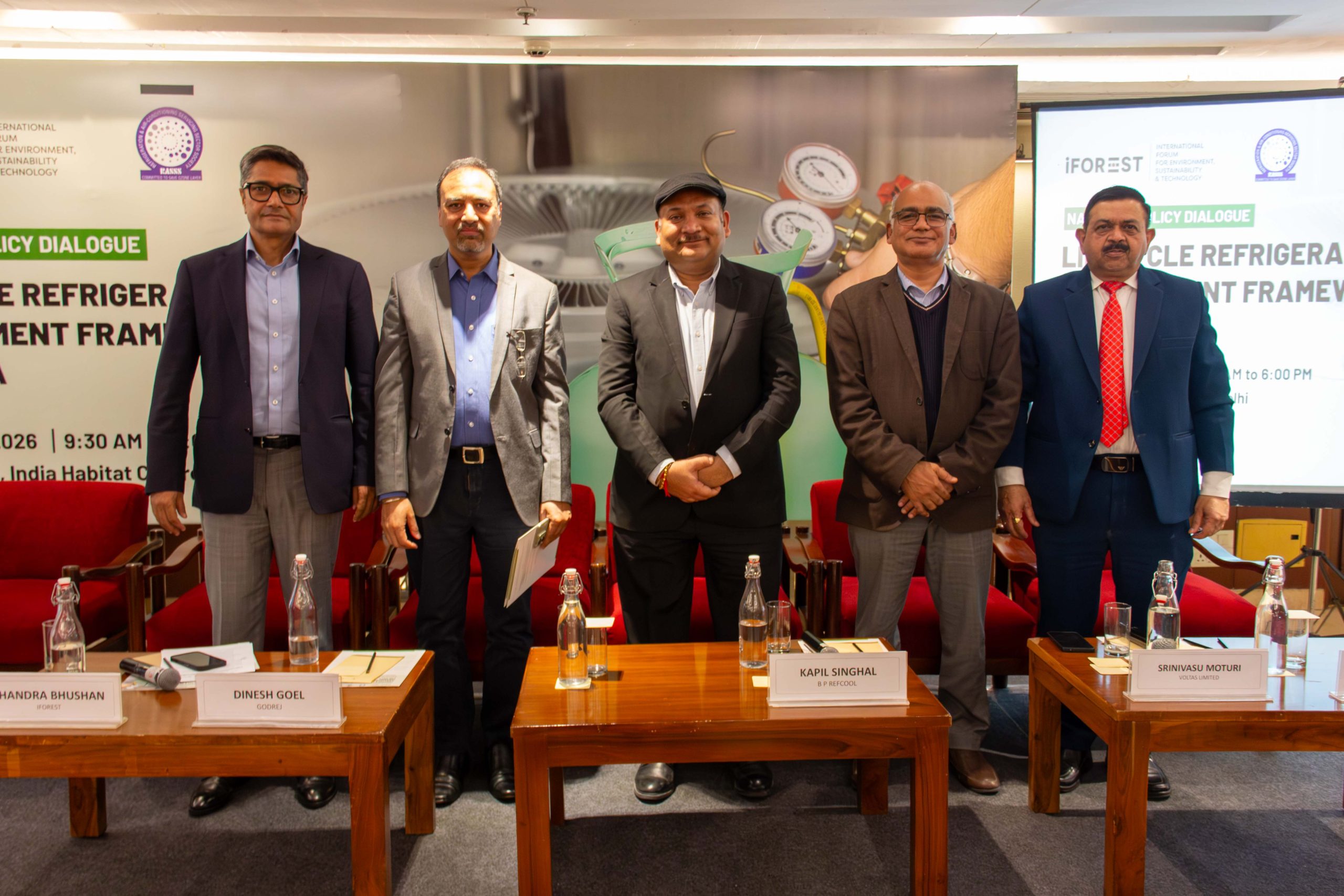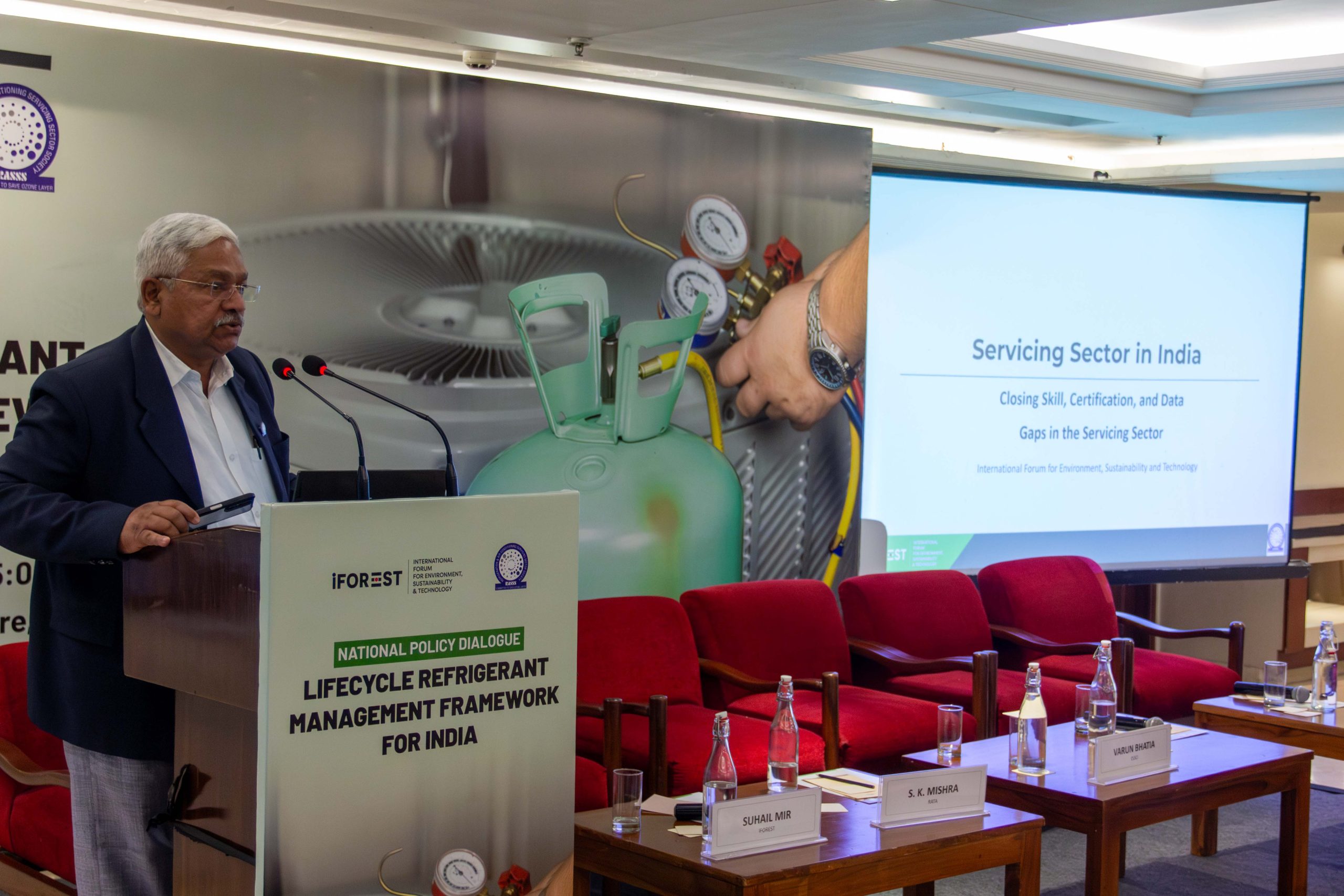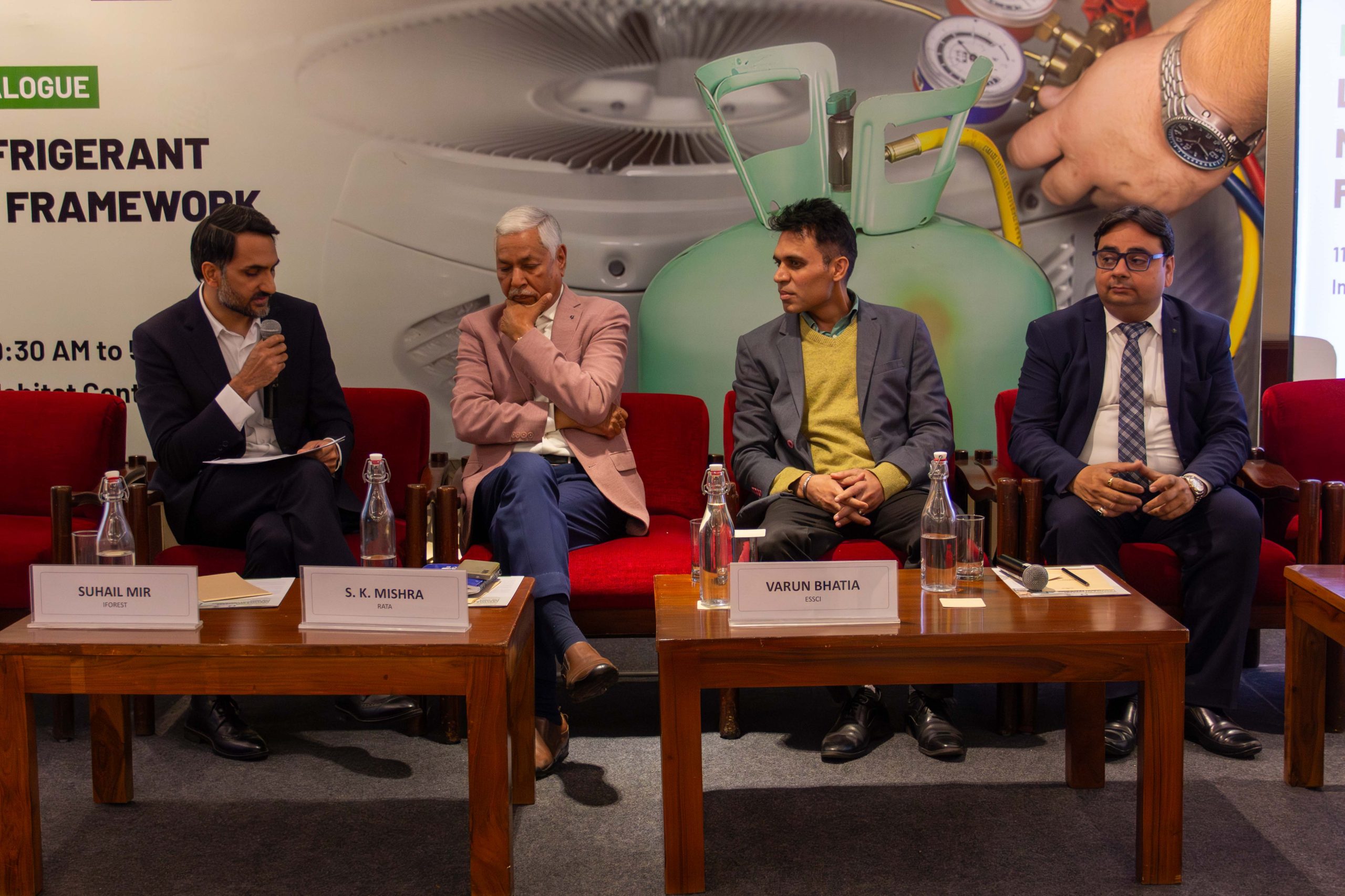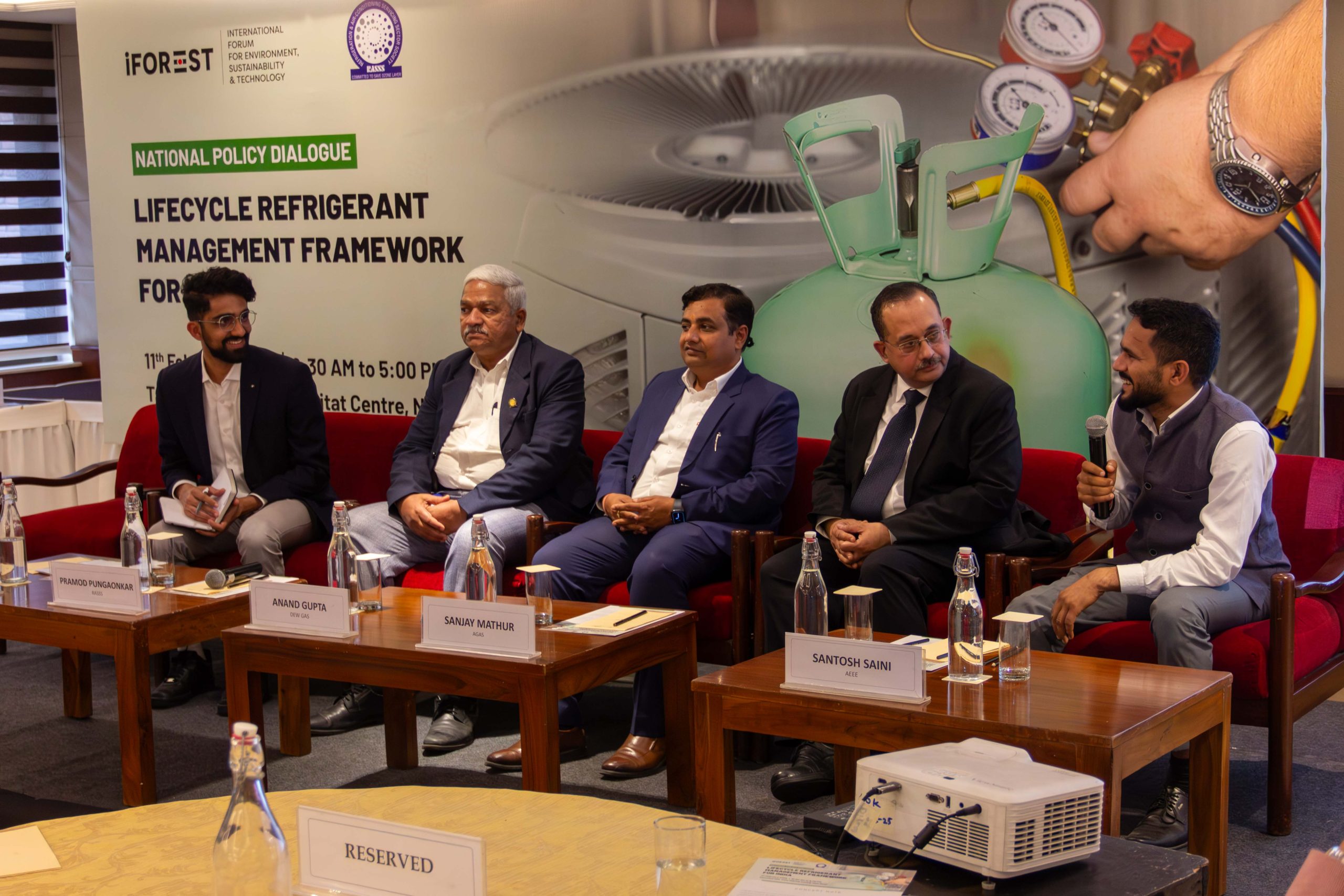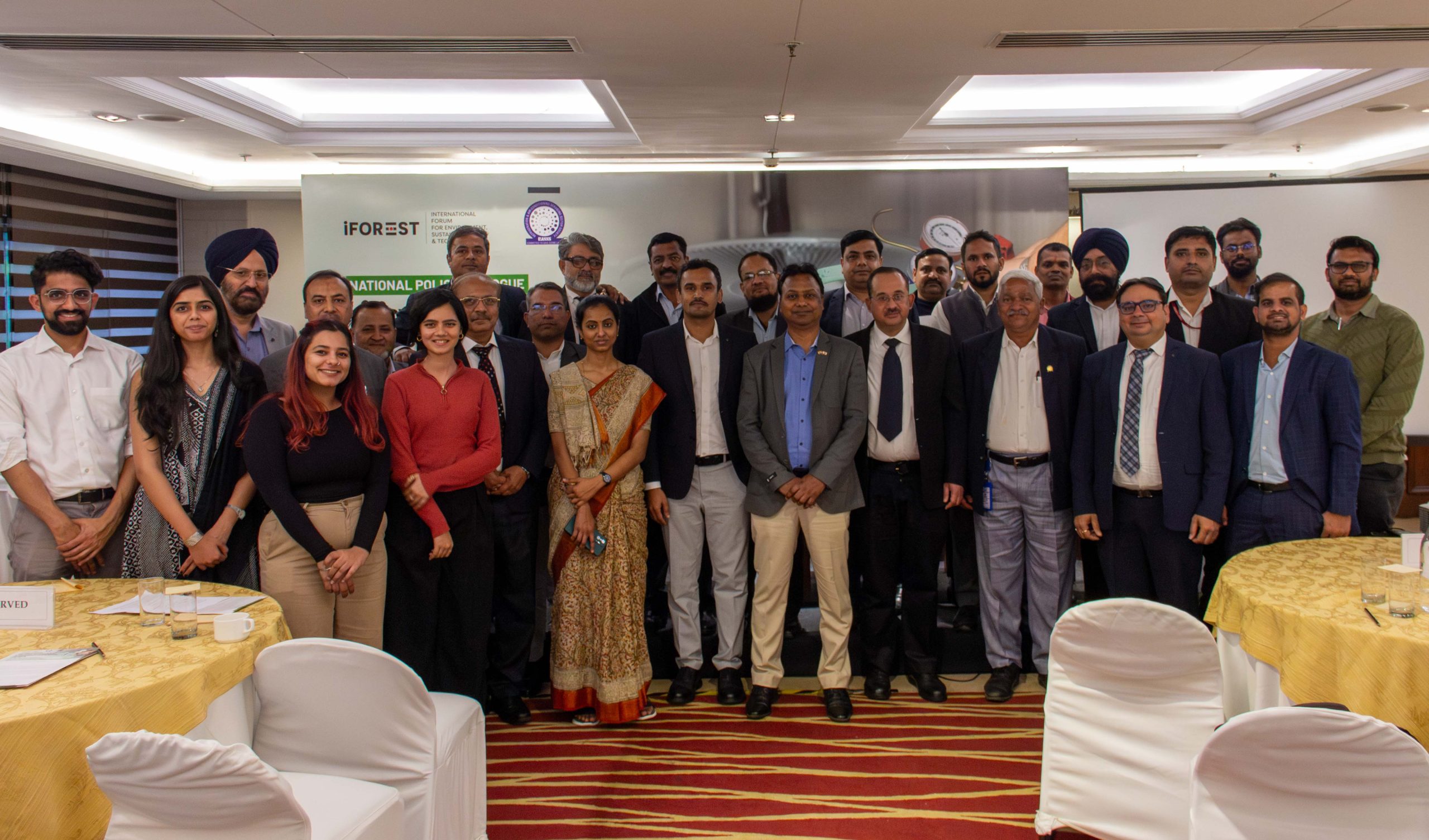
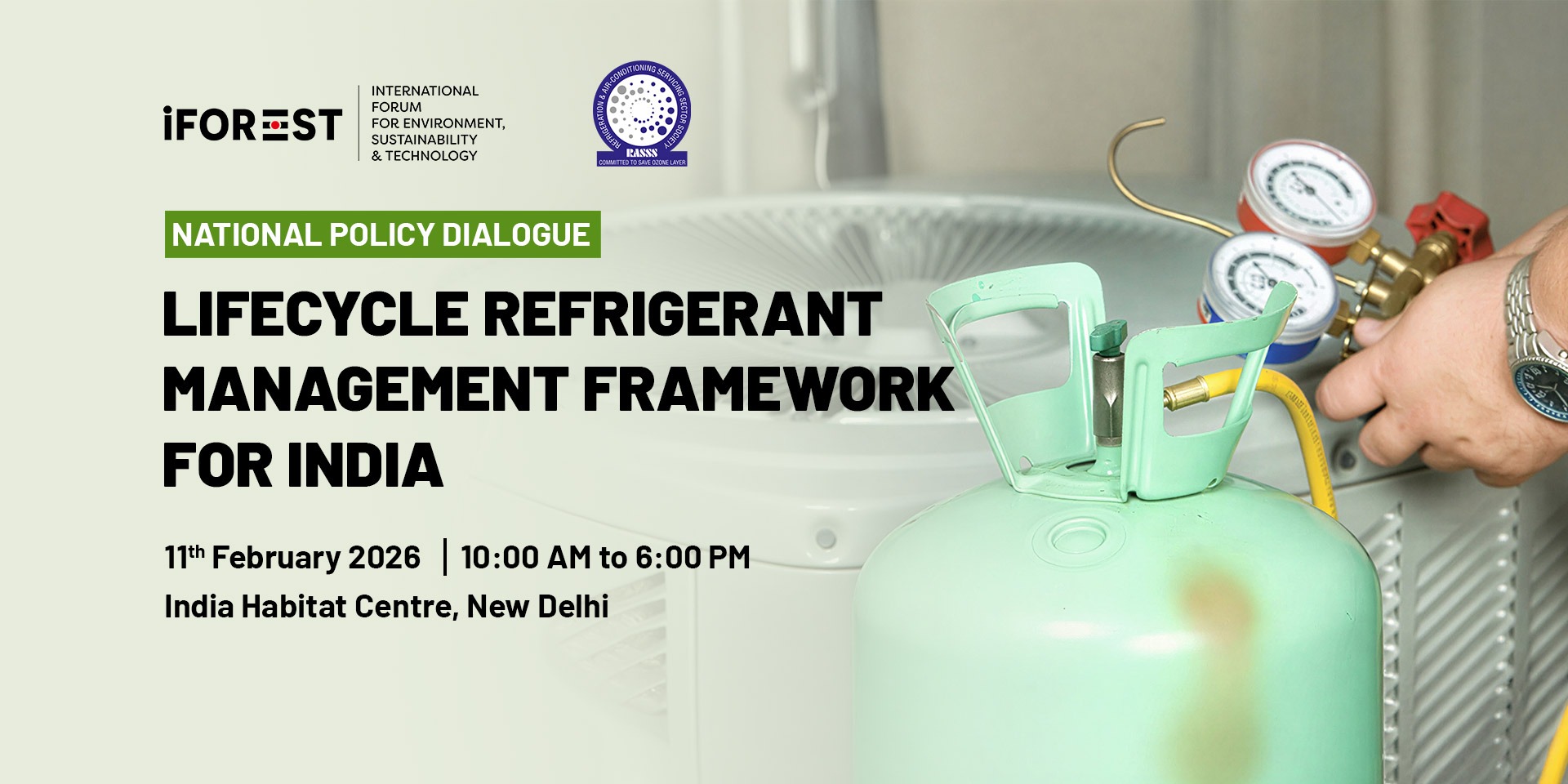
National Policy Dialogue on Lifecycle Refrigerant Management Framework

Feb 11, 2026 | 10:00 am - 6:00 pm

India Habitat Centre New Delhi
India is witnessing a sharp rise in cooling demand driven by climate change, rapid urbanisation, and rising household incomes. By 2037-38, national cooling demand is projected to increase nearly eightfold, with room air conditioners expected to account for almost 50% of building sector electricity consumption Household AC penetration is likely to grow from around 816 today to nearly 40%, leading to a 5-8 fold increase in refrigerant demand, largely dominated by high global warming potential (CWP) HFC refrigerants used in existing AC systems.
A critical yet under-addressed challenge in this transition is refrigerant lifecycle management. Over 40% of refrigerant is used during installation, servicing, repair, and end-of-life handling, where leakage is a major source of emissions. Despite the objectives of the India Cooling Action Plan (ICAP), India lacks a structured framework to manage these emissions. Gaps persist in recovery and reclamation infrastructure, regulatory oversight, data availability, and skills, particularly in the largely informal servicing sector.
Recognising that international models cannot be replicated directly in India, FOREST has undertaken analytical work to assess refrigerant use and leakage across the lifecycle, with a focus on the servicing sector. This National Policy Dialogue marks an important step toward developing an India-specific refrigerant lifecycle management framework, aimed at clarifying stakeholder responsibilities and identifying the legal, financial, institutional, and data mechanisms needed for effective implementation.
Quick Links

Event Gallery