
 Jan 13, 2026
  4 min read
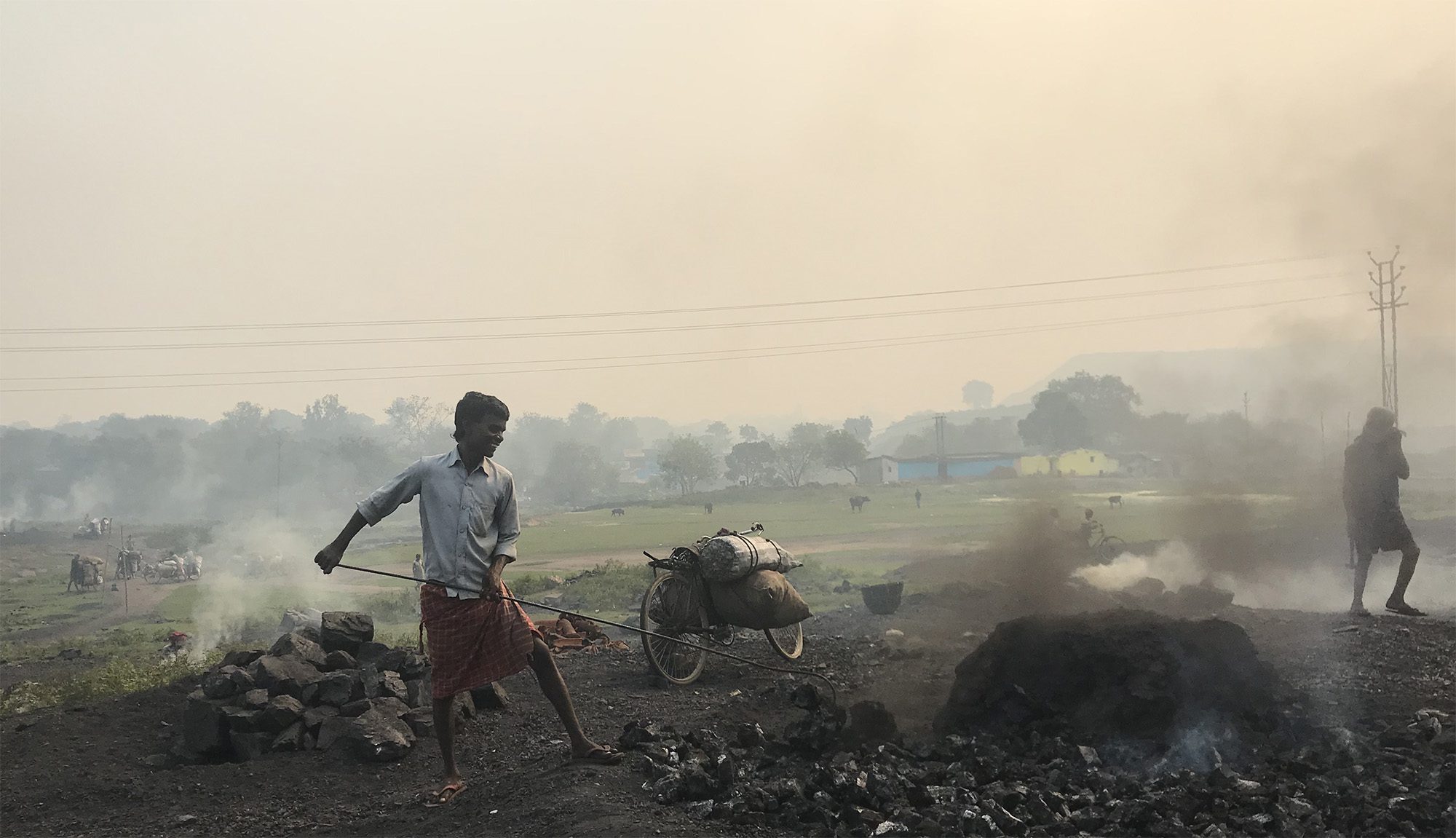
India’s energy economy is undergoing a transformative shift, balancing its coal-heavy legacy with a growing push toward renewables. The country’s energy transition reflects both ambition and complexity. In Dhanbad, the “Coal Capital of India,” mines still fuel industries and livelihoods, even as their environmental costs mount. Nearby, the Damodar Valley alongside Bokaro, Ramgarh, and Hazaribagh stands as a symbol of early industrial energy development, now evolving to embrace cleaner, sustainable pathways for India’s future growth.
The district contributes over a quarter of Jharkhand’s coal capacity, or 69.5 million tonnes per year. In 2023–24, its 48 operational mines produced 41 million tonnes, almost all from opencast pits. But this dominance is nearing its end. By 2030, two-thirds of mines will shut. Within 25 years, every single mine will face exhaustion or unprofitability. Already, 39 stand abandoned and 10 are closed. Without planning, Dhanbad could soon be left with a landscape of derelict mines and shattered livelihoods.
The stakes are immense. Industry, including mining, manufacturing, electricity and gas, makes up 59 percent of Dhanbad’s economy. A coal-fired power plant, washeries, coke ovens, and countless transport and informal coal activities depend on this resource. Nearly 1.4 lakh workers rely directly on the ecosystem, most informally employed and vulnerable. When half the mines close in just five years, tens of thousands of families risk sudden income loss.
Coal revenues, which currently fund development, are also at risk. Dhanbad has built up ₹3,851 crore in District Mineral Foundation (DMF) funds, used for water supply, healthcare, and education. But as mining declines, inflows will shrink, leaving communities exposed to both economic and social shocks.
Yet within this looming crisis lies opportunity. As mines shut, land will be freed up for redevelopment. Over 27,000 hectares of barren land and at least 6,000 hectares of mining land will become available in the next five years, rising to nearly 10,000 hectares by 2050. Repurposed, these lands can host renewable energy parks, green industries, and agro-forestry enterprises that generate sustainable jobs.
The potential is striking. The Dhanbad Bokaro Ramgarh (DBR) region holds 13.5 GW of solar potential, three times Jharkhand’s 2027 target. This includes ground-mounted, rooftop, and floating solar, with coal belts such as Jharia, Nirsa, Mandu and Chas particularly suited for repurposing. Large reservoirs such as Tenughat, Maithon, and Panchet can support floating solar as well as green hydrogen projects. Combined with existing steel and chemical industries, the DBR belt could pioneer low-carbon steel, green fertilizers, and clean fuels, positioning Jharkhand at the forefront of India’s green industrial revolution.
But transition is not only about industry. It is fundamentally about people. Dhanbad’s workforce is ageing, contractualisation is rising, and 70 percent of workers are informal. Reskilling and social protection must be urgent priorities. Institutions like IIT-ISM and local ITIs can lead training and apprenticeship programs, supported by CSR and private industry. Social infrastructure must also improve. Today, 72 percent of households still cook with coal, burning 40 to 50 kilograms a month. This exposes women and children to serious respiratory diseases. Expanding LPG, PNG, biogas, and electric cooking will transform both health outcomes and gender equity.
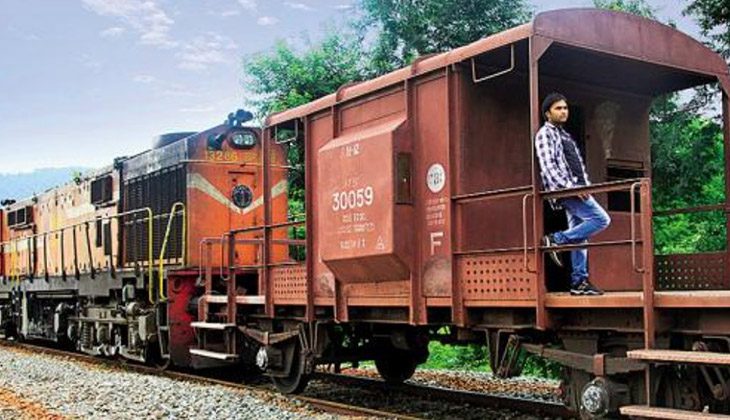
A just transition will also require new thinking on institutions and governance. Fragmented efforts will not suffice. Dhanbad’s future is linked to its neighbours. Together, Dhanbad, Bokaro, and Ramgarh hold over 80,000 hectares of barren land and 16,000 hectares of mine land that will be freed up over the next 25 years. With strong connectivity via highways, railways, and upcoming expressways, the DBR belt is well placed to emerge as Jharkhand’s green industrial corridor.
To make this possible, Jharkhand needs a bold state-led approach: a Just Transition Policy to guide economic diversification, skilling, and land repurposing; an integrated DBR Green Growth Plan; and a strong governance mechanism, such as a regional Damodar Valley Transition Authority to coordinate projects across districts. DMF rules should also be revised to allow greater investment in transition priorities such as reskilling, renewable energy, and clean cooking.
The lessons from Dhanbad will resonate far beyond Jharkhand. As India marches toward its net-zero target by 2070, renewable energy will dominate the power mix. But the social and economic costs of phasing down coal must be carefully managed. Dhanbad was built on coal. It can now help build India’s clean energy future if action is swift, inclusive, and forward-looking.
The window is narrow, but the rewards are generational: a stronger economy, cleaner air, healthier communities, and a blueprint for just transition in every coal region of India.
Devrupa Paul is a Programme Lead – Just Transition and Climate at iFOREST.